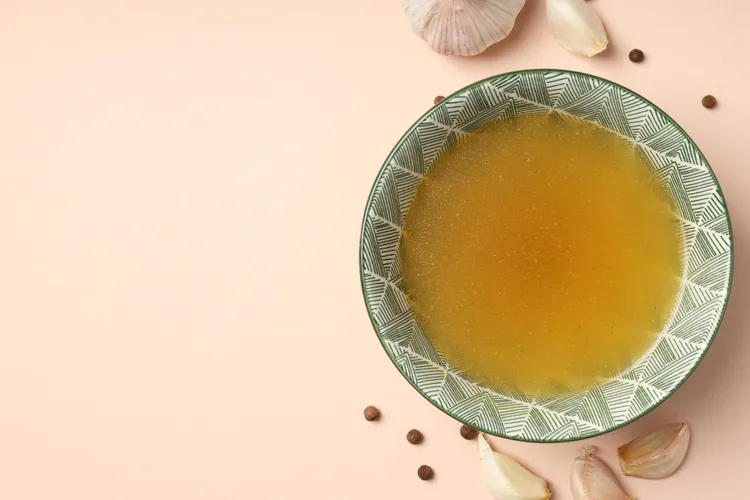
How to Clarify Stock and Make Consomme
Cloudy stock can be clarified using the classic raft method. The result - a crystal-clear consomme with intense flavour - is a French classic that is achievable at home.
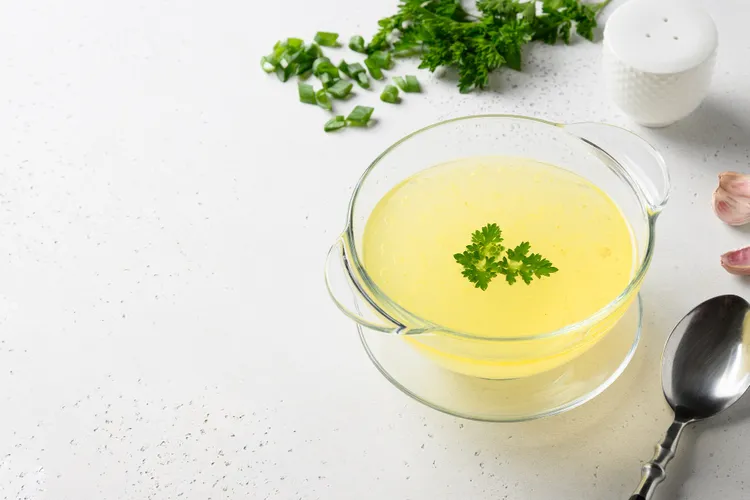
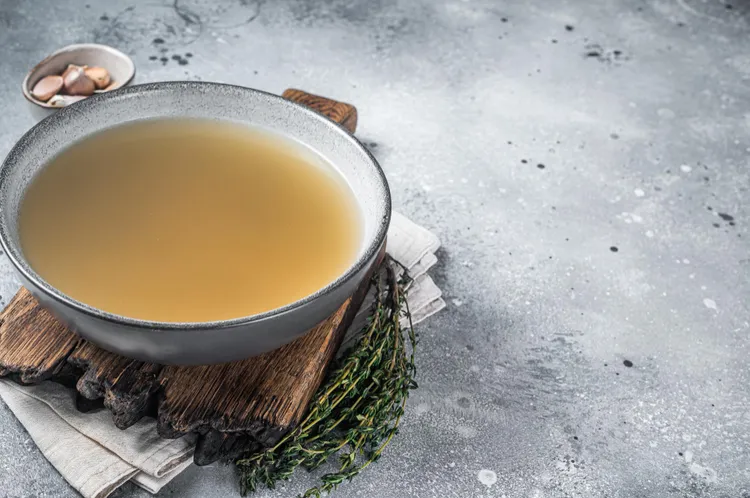
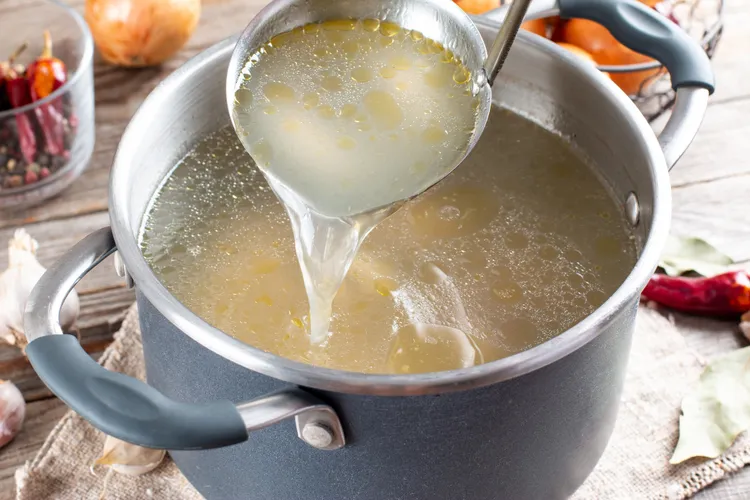
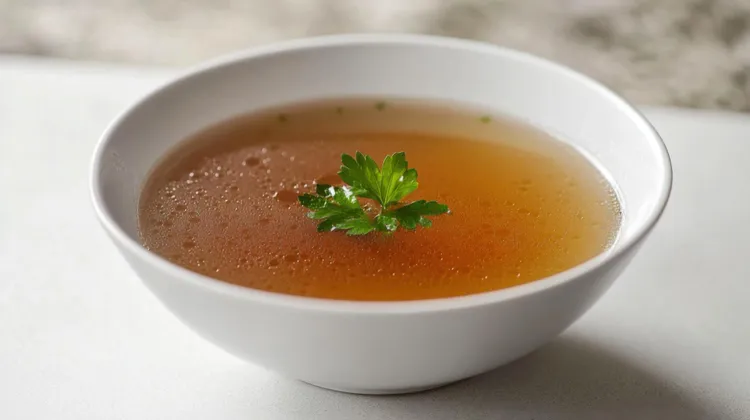
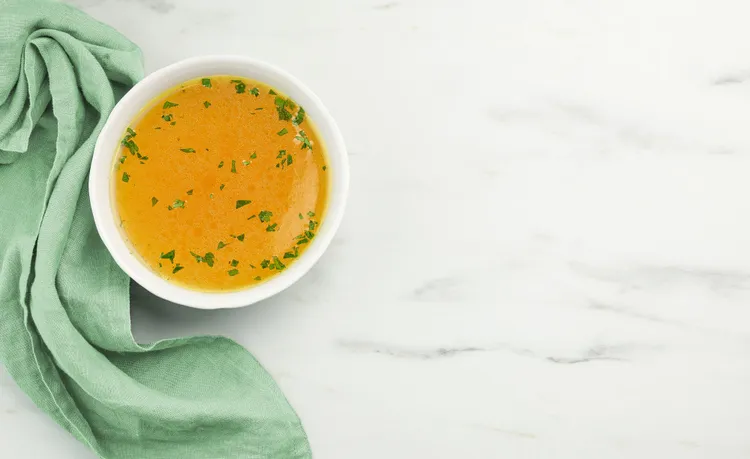
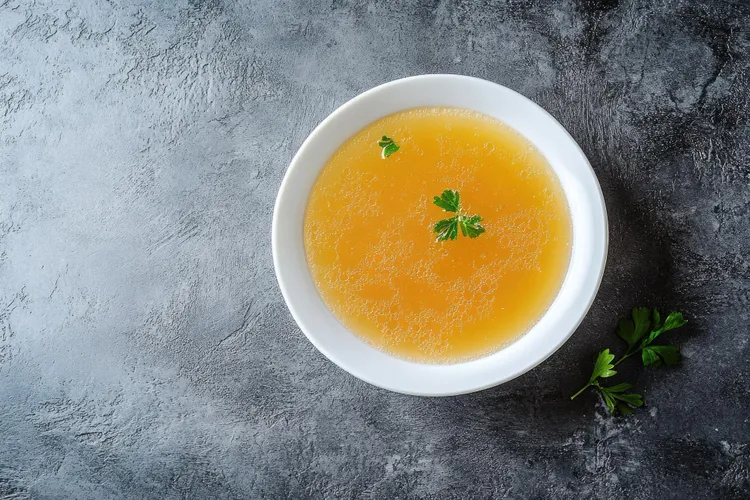
Consomme is clarified stock - technically speaking. In practice it is one of the most refined things a home cook can produce. A properly made consomme is completely transparent, deeply flavoured, and has a colour ranging from pale gold (chicken) to deep mahogany (beef) depending on the stock used. The clarification process is called the raft method, and it is one of those techniques that sounds mysterious until you understand what it is actually doing.
Why Stock Is Cloudy
Stock clouds because it contains fine particles of protein, fat, and starch that remain suspended in the liquid. These particles are too small to settle out on their own. The raft method uses coagulating protein (egg white and raw meat) to trap these particles, creating a solid mass that rises to the surface and can be lifted off, leaving perfectly clear liquid below.
The Raft Method
The clearmeat mixture - egg whites, finely ground lean meat, and aromatics - is stirred into cold, defatted stock and heated gently. As the temperature rises, the proteins coagulate and form a spongy raft that traps all the suspended particles in the stock. The raft rises to the surface and the clear consomme is ladled out from underneath without disturbing it.
Recipe: Chicken Consomme
Makes: approximately 1 litre | Prep: 20 minutes | Cook: 45 minutes
Ingredients
- 1.5 litres well-flavoured, defatted chicken stock (cold)
- 200g lean chicken mince (or finely minced chicken breast)
- 3 egg whites
- 1 small onion, very finely diced
- 1 small carrot, very finely diced
- 1 celery stalk, very finely diced
- 1 tomato, roughly chopped (the acidity aids clarification)
- A few parsley stalks
- Salt to taste
Instructions
- The stock must be cold and completely defatted. Any fat in the stock will prevent the raft from forming correctly. If the stock is not already set to a gel, refrigerate until cold.
- Combine chicken mince, egg whites, onion, carrot, celery, tomato, and parsley stalks in a bowl. Mix well to combine - this is the clearmeat.
- Add the clearmeat to the cold stock in a large, wide saucepan. Whisk vigorously to combine. Place over medium heat.
- Stir constantly but gently as the stock heats. As it approaches 60 to 70 degrees, the egg whites will begin to coagulate. Stop stirring once coagulation starts and a raft begins to form.
- Reduce heat to a very low simmer. Allow the raft to form fully and rise to the surface - this takes about 15 minutes. Once the raft is established, make a small hole in the centre with a ladle to allow the stock to circulate through it.
- Simmer very gently for 25 to 30 minutes without disturbing the raft.
- Ladle the clear consomme from beneath the raft through a fine sieve lined with muslin or a coffee filter. Do not press the raft. Discard the raft. The consomme should be completely clear with a golden colour.
- Season with salt to taste. Serve immediately or cool and refrigerate.
Troubleshooting
Consomme still cloudy after clarification: the stock was not cold enough when the clearmeat was added (warm stock sets the egg white too fast before it can trap particles), or the simmer was too vigorous and broke the raft. Start with fully refrigerated stock next time and use the lowest simmer setting. Raft did not form: too little egg white, or the heat was raised too quickly before the proteins could coagulate evenly. Use 3 egg whites minimum per 1.5 litres of stock.
Classic Consomme Garnishes
Consomme is traditionally served in small cups with a simple garnish: thin julienne strips of carrot, leek, or celeriac (blanched briefly); small pasta shapes such as vermicelli; a single quenelle of chicken or vegetables; chervil leaves. The garnish should be minimal - the point is the consomme itself, not what is in it. For the underlying stock technique that makes good consomme possible, see the chicken stock guide and the complete stocks and broths guide.
Beef Consomme
Made identically but using beef stock and lean beef mince in the clearmeat. Deglaze the clearmeat pan with a splash of Madeira or port before using to add colour and depth. The beef version is darker, more intense, and the classic base for French onion soup and other hearty preparations.
Nutrition (per 250ml, unsalted chicken consomme)
- Calories: approximately 20 to 30 kcal
- Protein: 5 to 6g
- Fat: less than 0.5g
- Carbs: 0g
Applications for Consomme Beyond Serving as a Soup
Consomme is presented as a clear soup in most recipe contexts, but its clarity and concentrated flavour make it useful in several other applications. As a gelee (aspic): clarified stock set with a little added gelatin can be poured over cold terrine or pate and allowed to set, creating a glossy, transparent coating. A cold consomme poured into shallow dishes and allowed to set, then diced into cubes and served alongside a salad of very fine ingredients, is a classic French presentation called consomme en gelee. As a cooking liquid for vegetables or pasta that will be served in the liquid: the clarity of the consomme means the finished dish looks clean and elegant rather than murky.
For everyday cooking, the consomme technique is not the best use of time - the stock without clarification works just as well in sauces and braises. Reserve the consomme technique for occasions when appearance matters: a formal first course, an impressive starter, or a dish where the liquid will be clearly visible. For the full stock-making foundation that makes consomme possible, see the chicken stock guide and the complete stocks and broths guide.
Double Consomme
A double consomme is clarified twice - the clearmeat technique applied to an already clarified consomme. The result is extraordinarily clear, with a depth of colour and intensity of flavour that single-clarified consomme cannot achieve. This is restaurant territory for special occasion cooking rather than everyday home cooking, but understanding the principle explains why fine dining consommes have the quality they do. After the first clarification produces a clear consomme, allow it to cool completely. Repeat the clearmeat process with fresh clearmeat ingredients. The second raft removes any remaining particles and the double extraction produces a more concentrated, more complex liquid.
For home cooks, the single clarification technique produces results impressive enough for any occasion. The double consomme is worth knowing about but not worth the additional time investment for most applications. The stock quality underlying the consomme matters more than the number of clarification passes - a consomme made from mediocre, weak stock will not improve meaningfully through double clarification. Start with the best stock you can make (see the chicken stock guide for the full technique), clarify once carefully, and the result will be excellent. For the complete stock and broth framework, see the complete stocks and broths guide.
The Quality of Stock Matters More Than Technique
The single most important variable in consomme quality is the quality of the starting stock. A weak, pale, under-flavoured stock clarified with the perfect technique produces a weak, pale consomme. A rich, deeply flavoured, well-gelled stock produces a consomme with the colour, clarity, and intensity that justifies the effort. This is why the chicken stock guide and the beef stock guide appear earlier in this series - the consomme technique is the final step in a process that starts with good bones, good aromatics, and correct simmering technique.
The clearmeat mixture does more than just clarify - it also adds flavour. The lean chicken or beef mince, the vegetables, and the tomato all contribute to the flavour profile of the finished consomme during the 30 minutes of gentle simmering. A consomme made from mediocre stock with a good clearmeat is noticeably better than the stock alone. A consomme made from excellent stock with a good clearmeat is exceptional. For the stock-making foundations, see the chicken stock guide and the beef stock guide. For the complete framework, see the complete stocks and broths guide.
Nutrition (per 250ml, unsalted chicken consomme)
- Calories: approximately 20 to 30 kcal
- Protein: 5 to 6g
- Fat: less than 0.5g
- Carbs: 0g
When Consomme Is Worth Making
Consomme is a special-occasion technique, not an everyday one. The 45 to 60 minutes of additional time and the loss of yield (approximately 20 to 25 percent of the stock is lost in the raft during clarification) mean it should be reserved for dishes where the clarity and concentration of the consomme are central to the experience. A dinner party first course of clear chicken consomme with a small amount of julienned vegetables and fresh herbs is impressive and appropriate. The same technique applied to make stock for a Monday night stew is unnecessary.
When you decide consomme is the right choice, the technique rewards careful preparation. The clearmeat mixture benefits from ingredients that are very finely diced or minced - the finer the particle size, the more effective the raft. Fresh, high-quality lean meat (not frozen and thawed multiple times) produces a better clearmeat. The stock should be the best-quality batch you have made. Consider making consomme specifically from a stock made that day from good bones, using the clearmeat to refine it immediately while the stock is fresh and at peak flavour. For the stock-making foundation, see the chicken stock guide. For the complete framework, see the complete stocks and broths guide.
Storing and Reheating Consomme
Consomme stores well because it is essentially very clean, well-made stock. Refrigerate for up to 5 days in a sealed container. The consomme will gel when cold - more firmly than standard stock because the clarification process also concentrates it slightly. Reheat gently over low heat rather than boiling, which can reduce the clarity and concentrate the flavour beyond the intended level. Consomme that has been reheated and then refrigerated again is still usable but the second heating cycle sometimes produces a slight haziness that was not present in the original. Use fresh from the fridge within 24 hours of making for the clearest result.
For freezing: consomme freezes well for up to 3 months. The clarification and gelatin content mean it keeps its quality in the freezer better than many stocks. Freeze in portions suited to the serving sizes you use - 250ml is the standard consomme serving for a first course. Label with the type and date. Thaw overnight in the fridge and reheat gently. The clarity may be very slightly reduced after freezing and thawing but is still far superior to unclarified stock. For the stock-making foundation that makes good consomme possible, see the individual stock guides. For the complete framework, see the complete stocks and broths guide.
Summary
Consomme is the highest expression of stock-making - it takes the best stock you can produce and refines it to something transparent, intense, and complete. The raft method is not complicated once the underlying principle is understood: coagulating protein traps suspended particles, the raft rises, clear consomme is ladled from beneath. Success depends on starting stock quality above all else. A good stock clarified carefully produces a consomme that genuinely impresses. A mediocre stock clarified perfectly produces something that looks beautiful but tastes thin. For the stock foundations that make this possible, see the chicken stock guide. For the complete picture on every stock type, see the complete stocks and broths guide.
The Practical Case for Consomme at Home
Consomme requires more time, more technique, and more stock than the same volume of uncleared broth. The case for making it at home rests on one argument: there is no commercial substitute. Shop-bought stock cubes dissolved in water do not produce consomme. Commercial ready-made consomme in tins is a pale approximation. If you want a clear, intensely flavoured, beautifully coloured consomme - for a dinner party first course, for a refined soup, for a gelee garnish - you have to make it yourself. The technique in this guide is the only way to produce the real thing. For anyone who has made a batch, the result is striking enough that it justifies the occasional special-occasion production. For the stock foundations, see the chicken stock guide and the complete stocks and broths guide.
Latest