How to Braise Lamb Shoulder: Timing, Temperature, and Technique
Lamb shoulder is one of the best braising cuts: high collagen, generous fat, and enough connective tissue to reward a long, slow cook. Here's the full method from sear to serve.
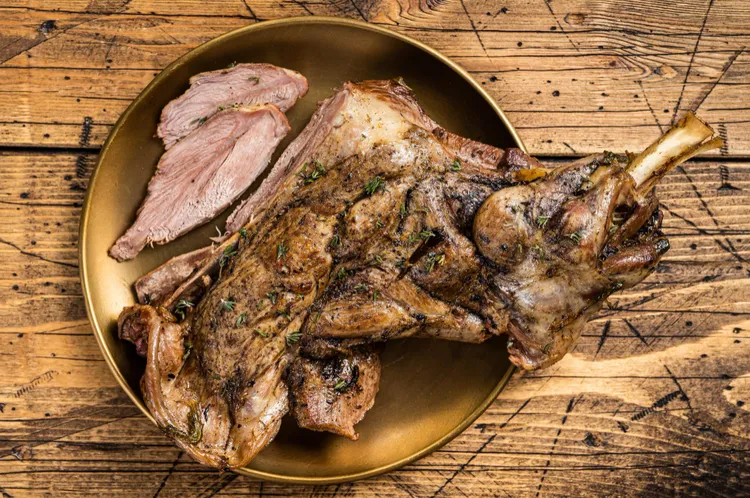
A bone-in lamb shoulder weighing 1.5kg will take around 4 hours at 160°C (325°F). A boneless one, rolled and tied, runs closer to 3 to 3.5 hours. Both are done when a fork pushed into the thickest muscle slides in and twists with almost no resistance. Timing matters less than that test - ovens and cuts vary, and the fork doesn't lie.
Why Lamb Shoulder Works So Well
Shoulder is one of the hardest-working muscles on the animal. That work builds collagen, and collagen is what you want in a braise. At sustained heat between 70°C and 80°C internal temperature, collagen converts to gelatin - this is what gives braised lamb its silky pull-apart texture and gives the braising liquid its body. A leaner cut like leg will overcook and dry out before you get there. Shoulder has enough intramuscular fat to stay moist through a long cook, and enough collagen to turn the braising liquid into something close to a sauce on its own.
Bone-in delivers more flavour to the liquid. Boneless is easier to portion and serve in slices. Either works - the choice depends on how you plan to serve it rather than any significant difference in the final result.
What You Need (serves 4-6)
- 1 bone-in lamb shoulder, approx 1.5-2kg (or boneless, approx 1.2-1.5kg)
- 2 tbsp neutral oil for searing
- 1 large onion, 2 carrots, 4 garlic cloves - rough chop, these become the sauce base
- 300ml dry white or red wine (optional but adds acid and depth)
- 300ml good lamb or chicken stock
- 2 sprigs fresh rosemary, 3 sprigs thyme, 2 bay leaves
- Salt and black pepper
The Sear
Pat the lamb completely dry with kitchen paper before anything else. Surface moisture turns to steam in the pan and prevents browning - the sear produces no Maillard reaction if the surface is damp. Season generously on all sides with salt and black pepper.
Heat a heavy-based pan or Dutch oven over high heat until the surface is almost smoking. Add the oil. Place the lamb fat-side down first and leave it alone - don't move it for at least 3-4 minutes. You want a deep mahogany crust, not just a colour change. Turn and repeat on all sides. Budget 12-15 minutes total for a thorough sear across every surface. Most recipes rush this step, and the final flavour is noticeably flatter as a result.
Remove the lamb and reduce the heat to medium. Add the onion, carrots, and garlic to the fat left in the pan. Cook for 5 minutes until softened and starting to colour. Deglaze with the wine if using, scraping up every bit of fond from the base. That fond is concentrated Maillard flavour - every bit of it counts in the finished sauce.
Braising Liquid Ratio
Return the lamb to the pot. The liquid should come roughly one-third of the way up the sides of the meat - not covering it. Too much liquid dilutes the sauce and prevents the upper surface of the meat from developing any colour during cooking. For a standard Dutch oven and a 1.5kg shoulder, 500-600ml total liquid is about right. Add stock to the deglazed wine until you reach that level, then add the herbs.
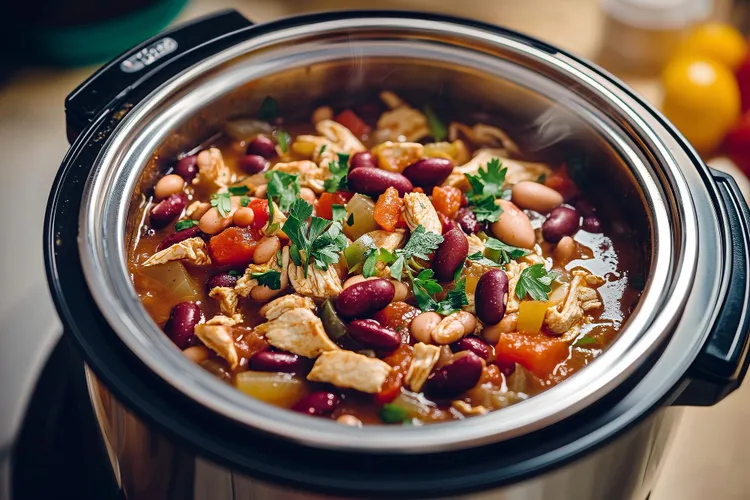
If you're transferring to a slow cooker, move the seared lamb and the deglazed pan contents to the insert. Use slightly less liquid in the slow cooker - the sealed lid traps moisture that would evaporate in an oven, and the liquid volume increases as the meat releases its own juices. The same one-third rule applies but err toward the lower end.
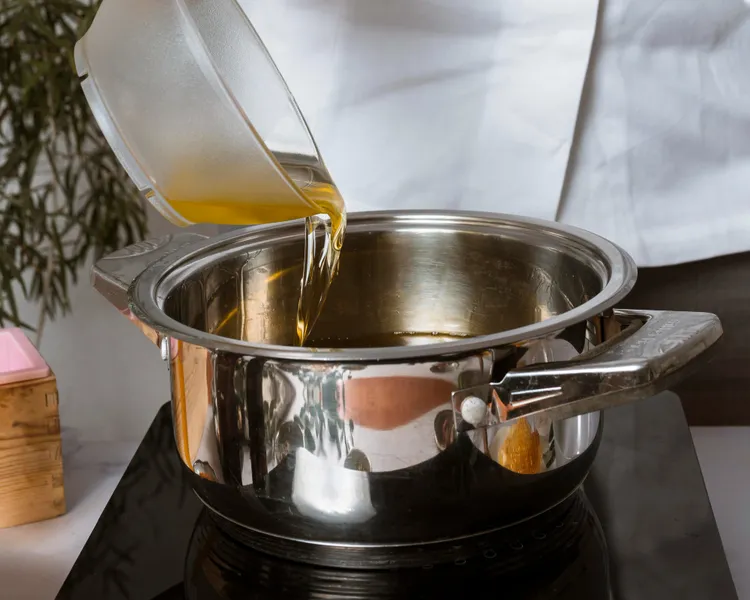
The quality of the stock matters here. A gelatinous homemade stock produces a sauce with proper body after reduction. Our guide to making stock at home covers lamb and chicken stocks specifically - lamb bones make a particularly rich stock that doubles down on the flavour in the finished braise.
Temperature and Timing
- Oven at 160°C (325°F), lid on: Bone-in shoulder: 4-5 hours. Boneless: 3-3.5 hours. Check at the lower end of the range.
- Slow cooker, low setting: 8-10 hours. The best option for hands-off cooking - lower temperature and longer time produce exceptional texture that's hard to replicate in the oven.
- Slow cooker, high setting: 5-6 hours. Acceptable but slightly less silky than the low setting over time.
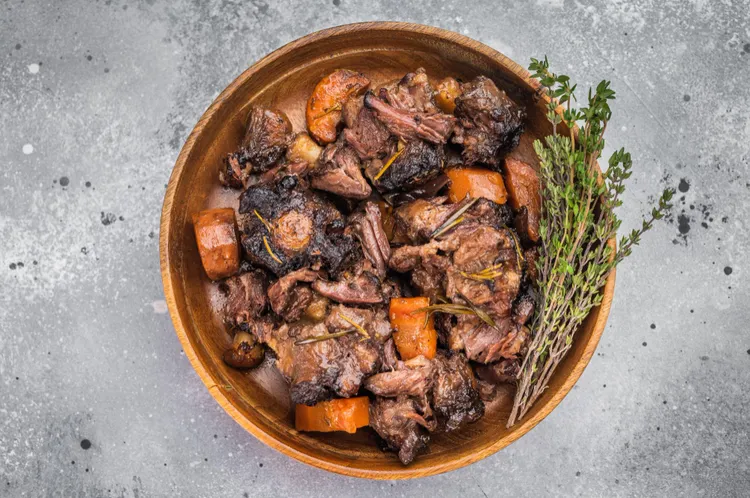
Check at the lower end of every time range. Push a fork into the thickest part - it should meet almost no resistance and the meat should want to pull apart along the muscle fibres. If it resists, add 30 minutes and check again. If it's giving way but not completely falling apart, you're at the ideal point for slicing. If it pulls apart completely with no effort, you're in shredded lamb territory - still excellent for wraps, flatbreads, or folded through pasta.
For timing across other cuts and slow cooker settings, see our slow cooker timing guide.
Finishing the Sauce
Remove the lamb and rest it loosely covered for at least 15-20 minutes. Large cuts release moisture rapidly when cut immediately after cooking - resting lets the muscle fibres relax and hold their juice. For full guidance on resting times for different cuts, see our resting meat guide.
Strain the braising liquid through a fine sieve into a saucepan, pressing the softened vegetables to extract all the juice. Skim any visible fat from the surface - there will be a significant amount from lamb. Taste the liquid before deciding what to do: if it already has good body and a concentrated flavour, a short reduction may be all it needs. If it tastes thin or pale, reduce it more aggressively.
To reduce: bring to a rolling boil over high heat and cook until the sauce coats the back of a spoon - usually 10-15 minutes depending on volume. A teaspoon of soy sauce added during reduction deepens the savouriness without any detectable soy flavour. Season with salt only after reduction, never before - the liquid concentrates as it reduces, and pre-salting leads to an over-salted sauce.
Macros (Estimates)
Per 250g serving of braised bone-in lamb shoulder (meat only, sauce not included): approximately 480-520 kcal, 38-42g protein, 0g carbs, 34-38g fat. A boneless portion of the same cooked weight runs slightly higher: approximately 520-560 kcal, 42-46g protein, 36-40g fat. These are estimates - fat content varies significantly between animals and depends on how much surface fat you trim before cooking.
Meal Prep and Storage
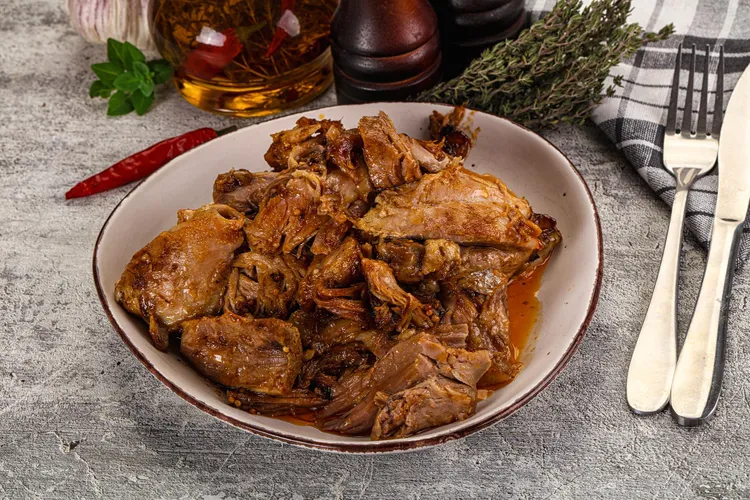
Braised lamb shoulder keeps for 4 days refrigerated. Store it in its braising liquid - the gelatin forms a protective layer when cold and prevents drying. Reheat gently in a covered pan with a splash of stock or water over low-medium heat. Freezes well for up to 3 months; freeze in portions with sauce included. For a full guide to batch cooking a single braise into multiple meals across the week, see our braising for meal prep guide.
This recipe is part of our complete slow cooker and braising guide, which covers the science of low-and-slow cooking, equipment choices, and timing across all the best cuts.
Bone-In vs Boneless: A Practical Comparison
The bone-in vs boneless question comes down to what you're doing with the finished dish. Bone-in shoulder produces more flavourful braising liquid - the marrow and the connective tissue directly attached to the bone release significantly more gelatin than boneless shoulder from the same animal. If the sauce matters to how you're serving it (and it usually does), bone-in is the choice.
Boneless shoulder is easier to slice into clean portions and fits into a smaller vessel. It also cooks slightly faster at the same weight. If you're making a presentation-focused dish where each person gets a neat slice, boneless rolled and tied is more practical.
The flavour difference in the meat itself is less pronounced than the sauce difference. Both produce excellent eating - the decision is about what matters most for the specific occasion.
Aromatic Variations
The aromatics described above represent the classic approach. The cut handles significantly different profiles without losing what makes it good.
North African approach: swap rosemary and thyme for a tablespoon of ras el hanout or a combination of cumin, coriander, cinnamon, and turmeric. Add a preserved lemon to the braising liquid. Finish with fresh coriander and serve over couscous.
Middle Eastern approach: heavy on garlic (a whole head, halved), dried chilli, allspice, and bay. Tinned chopped tomatoes in the braising liquid instead of wine. Serve with flatbread, tahini, and pickled onions.
Greek approach: white wine, lemon, garlic, and dried oregano. Finish with fresh dill. Add potatoes to the braising vessel for the final 45 minutes.
The technique is identical across all of these. The aromatic differences live entirely in what you add before the liquid goes in, and in what accompanies the finished dish.
Troubleshooting
If the lamb is still tough after the allotted time, it's almost always a temperature issue - oven running cool or the cut larger than expected. Add 30-45 minutes and check again. Lamb shoulder has considerable margin and genuinely cannot be meaningfully over-braised at 160°C.
If the sauce tastes flat: reduce more aggressively and add soy sauce during reduction. A flat sauce can be significantly rescued by hard reduction and a splash of acid at the end.
If the sauce is over-salted: dilute with water or unsalted stock and reduce again. This is the consequence of seasoning the liquid at the start rather than the meat.
Serving Suggestions and What Goes With It
Braised lamb shoulder is versatile enough to work in very different meal contexts depending on what you serve alongside it.
For a formal occasion: serve whole or sliced over a smooth white bean puree or creamy polenta. Strain and reduce the braising liquid to a glossy sauce and spoon it over generously. Roasted cherry tomatoes or wilted greens alongside add colour and acidity to balance the richness.
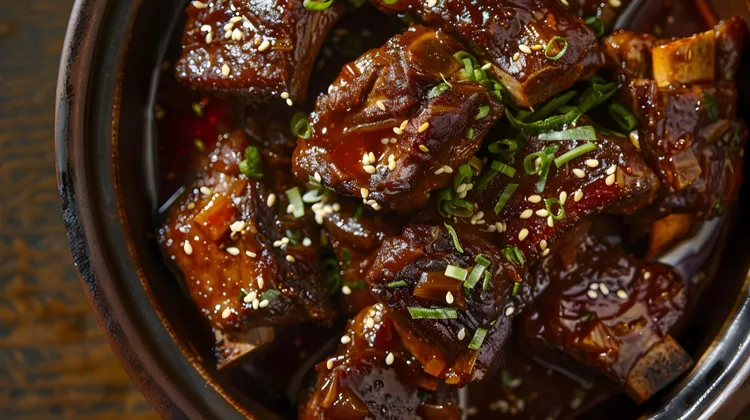
For a casual dinner: pull the meat into generous shreds and pile it into warm flatbreads or pita with yogurt, sliced cucumber, fresh mint, and a squeeze of lemon. The braising liquid gets strained, reduced to a sticky glaze, and drizzled over the top.
For meal prep (see our batch braising guide): shred and portion with sauce into containers for the week. The meat reheat s easily in a covered pan with a splash of water and works in grain bowls, pasta, couscous, or simply reheated as is over rice.
Accompaniments that particularly suit braised lamb: roasted root vegetables (parsnip, celeriac, carrot), chickpeas cooked in the braising liquid, flatbread for mopping the sauce, fresh herbs (mint, coriander, flat-leaf parsley) for brightness, and pomegranate seeds for an acidity contrast when serving Middle Eastern preparations.
Scaling Up for Larger Groups
Two lamb shoulders braise well simultaneously in a large roasting dish covered tightly with foil, or in a large oval slow cooker if both fit without crowding. Scale the liquid proportionally but not the aromatics - two shoulders don't need double the onion and garlic, just 50% more. Timing remains the same as for a single shoulder at equivalent weight.
The Role of Fat in Braised Lamb
Fat is not the enemy in braised lamb shoulder - it's part of what makes the cut work. The intramuscular fat that runs through shoulder basters the meat during cooking from the inside, keeping it moist over the long cook time. The external fat cap renders into the braising liquid, adding body and richness to the sauce. Trimming all visible fat before cooking is a common mistake that produces drier meat and a thinner sauce.
The fat you skim after cooking is a different matter. After braising, skim the visible fat from the braising liquid before reducing it to a sauce - the fat itself adds little flavour at this stage and makes the sauce greasy rather than rich. The distinction is between fat that works during cooking (leave it) and fat that sits on the surface afterwards (remove it).
One final note: the quality of the braising liquid improves everything else. A good lamb or chicken stock, made with roasted bones, produces a sauce with natural body and depth that no commercial stock can match. If you make stock regularly - even just a batch every few weeks - reserve it specifically for braises like this one where the liquid becomes the sauce and every component of that stock counts in the finished dish.
Latest