Dutch Oven vs Slow Cooker vs Instant Pot: Which One for Braising?
All three methods work for braising, but they produce different results and suit different situations. An honest comparison across texture, convenience, cost, and practical use.

The honest answer is that a good Dutch oven produces the best braises. The honest follow-up is that the difference between a Dutch oven braise and a slow cooker braise on a Tuesday when you left the house at 8am is largely irrelevant to how good dinner is. Equipment choice is a practical decision as much as a culinary one - and this comparison covers both dimensions without pretending one tool is universally right.
Dutch Oven: Enamelled Cast Iron
A heavy enamelled cast iron pot - Le Creuset, Staub, or their more affordable equivalents from Chasseur or Lodge - is the braising tool that professional kitchens use. The reasons are physical. Cast iron has extremely high thermal mass: it heats slowly but maintains temperature with exceptional consistency once up to heat. In the oven, surrounding heat means no hot spots, no temperature fluctuations, and even cooking on all surfaces of the meat simultaneously. The result is a braise that develops differently on all sides, with the exposed top developing some surface colour and the submerged bottom cooking gently in the liquid.
The practical advantage is that everything happens in one vessel. Sear the meat in the Dutch oven on the stovetop, soften the aromatics, deglaze, add liquid, put on the lid, and transfer the whole thing to the oven. No transfers, the fond stays in the pot, and cleaning is a single large piece of enamelled cast iron rather than multiple pans.
The case for: Best texture from collagen-rich cuts, best sauce development, most even cooking environment, lid-off option for the last 20-30 minutes to reduce sauce and develop surface colour, stovetop-to-oven in one vessel.
The case against: Expensive - quality enamelled cast iron costs £150-300+ for a 6-litre pot. Heavy. Requires active presence - you need to be home to put it in the oven and take it out at the right time. Minimum effective cook time of 3-6 hours means it doesn't work for a same-evening weeknight meal on most tough cuts.
Best for: Weekend cooking, when texture matters most, serving occasions, cuts you're slicing and presenting rather than shredding (short ribs, oxtail, bone-in shoulder). See our braised short ribs guide and braised oxtail guide for where the Dutch oven particularly excels.
Slow Cooker
A slow cooker is a sealed ceramic insert sitting in an electric heating base. It runs at consistent, lower temperatures than an oven braise - typically 88-115°C depending on the setting - and the sealed lid means virtually no evaporation. The meat cooks partially in its own released moisture alongside whatever liquid you add.
The trade-offs are real: you can't sear in a slow cooker (always requires a separate pan first), the lid should stay on for the full cook time (each removal costs 20-30 minutes of accumulated heat), and the lower temperature means longer cook times for equivalent collagen conversion. But the convenience factor is genuine - load it in the morning, come home to a finished braise 8-10 hours later. For detailed timing across cuts and settings, see our slow cooker timing guide.
The case for: Truly hands-off cooking after setup, low running cost compared to a hot oven, excellent results on collagen-rich cuts over 8-10 hours on the low setting, works for large batch quantities, affordable entry point (good models from £35-80).
The case against: Can't sear (requires a separate pan), liquid doesn't reduce during cooking (sauce must be finished separately on the stovetop), some cheaper models have uneven heat distribution, poor results with lean cuts at long settings.
Best for: Weekday all-day cooking, batch prep, large cuts for shredding (oxtail, brisket, pulled pork, lamb shoulder). See our guide to the best slow cookers for specific model recommendations at different price points.
Instant Pot: Electric Pressure Cooker
An Instant Pot uses pressurised steam to raise the boiling point of water and cook food significantly faster than either a Dutch oven or slow cooker. What takes 6-8 hours in a slow cooker takes 60-90 minutes under pressure. Most Instant Pot models also have a sauté function that allows searing directly in the insert - though the base area is narrower than a Dutch oven and less effective for large cuts that need to be turned on all surfaces.
The texture question is worth addressing directly. Pressure-cooked braises are frequently described as slightly different in texture from traditionally braised results - the meat can be tender but the texture is sometimes described as steamed rather than braised, with slightly looser fibres. The braising liquid also rarely achieves the same body as a long oven braise because the shorter cooking time extracts less gelatin even from collagen-rich cuts. For most home cooks cooking weeknight meals, the practical difference is fully acceptable. For occasions where texture is the point, the difference is more noticeable.
The case for: Speed (90 minutes vs 6+ hours), built-in sauté function, programmable slow cooker mode also available making it a genuine multi-purpose appliance, good for weeknight meals with tough cuts, excellent for beans and lentils from dried.
The case against: Texture is slightly different from traditional braising, requires learning pressure settings and release methods, higher cost than basic slow cookers (£80-150 for a good model), can feel intimidating for first-time users.
Best for: Weeknight cooking where speed is the constraint, chicken braises, bean and lentil dishes (chickpeas in 35-40 minutes from dried, compared to 6-8 hours in a slow cooker), any situation where you want braised results with limited time.
Head-to-Head for Common Cuts
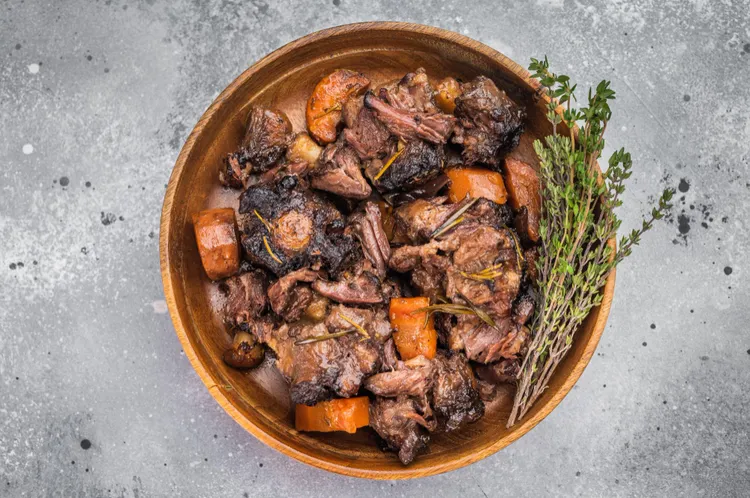
- Oxtail: Dutch oven wins on texture and sauce body. Slow cooker on low is a close second. Instant Pot works but produces a slightly less gelatinous result. See the oxtail guide.
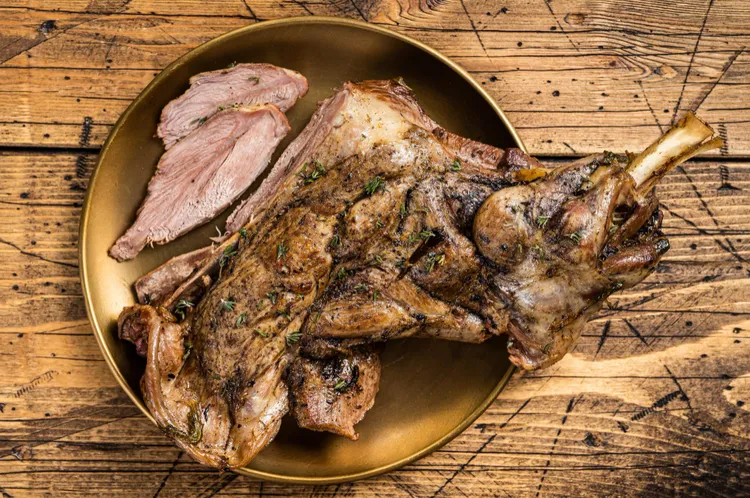
- Lamb shoulder: All three work well. Dutch oven for best sauce; slow cooker for maximum convenience; Instant Pot for speed. See the lamb shoulder guide.
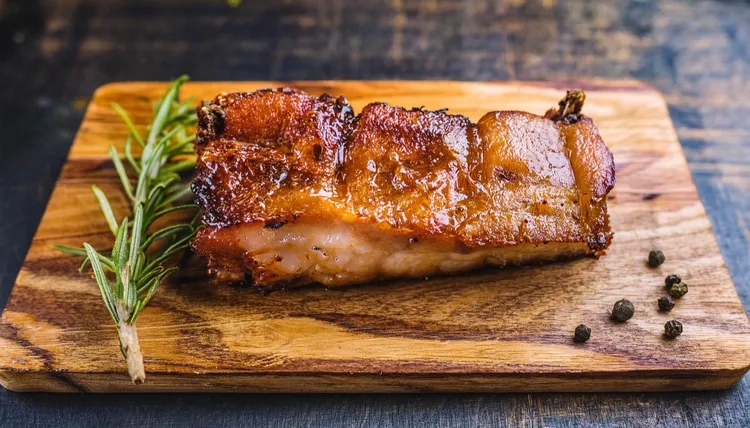
- Pork belly: Slow cooker or Dutch oven for the main cook; the skin-crisping stage under high heat is required regardless of which method you use. See the pork belly guide.
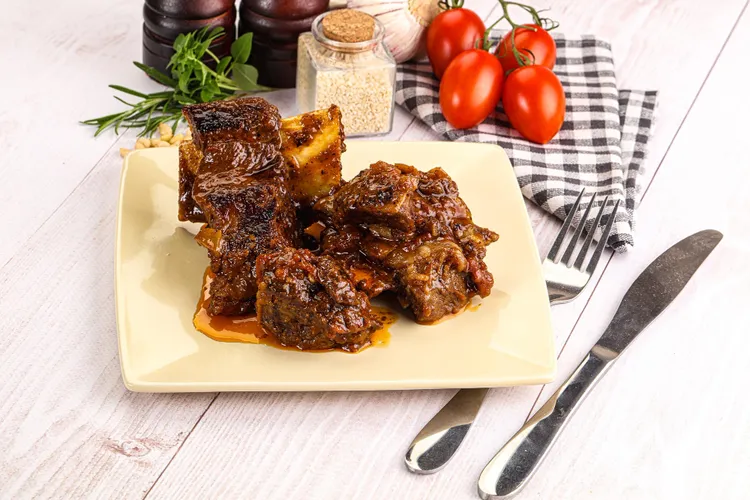
- Beef short ribs: Dutch oven produces the best result. Slow cooker is excellent for batch quantity. Instant Pot works but texture is slightly less impressive for a cut where presentation matters. See the short ribs guide.
- Chicken thighs: Instant Pot is fastest and produces excellent results. Slow cooker also good. Dutch oven is slightly over-engineered for this cut.
- Lentils and dried beans: Instant Pot is dramatically faster and the texture is excellent. Dried chickpeas in 40 minutes vs 6-8 hours in a slow cooker - use the Instant Pot. See our vegetarian braises guide.
For the full braising technique and timing regardless of which equipment you choose, see our complete slow cooker and braising guide.
Making the Decision Based on Your Actual Routine
The equipment you use most produces the best meals, regardless of theoretical performance differences. A Dutch oven that sits in a cupboard because you're never home to supervise a 4-hour oven braise is less useful than a slow cooker that runs while you're at work and puts dinner on the table reliably.
For weeknight cooks who leave the house in the morning: a slow cooker on a timer is the clear practical choice. Set it up with ingredients the night before, refrigerate the insert, and start it on the way out.
For weekend cooks who enjoy the process: a Dutch oven allows for adjustments during cooking - checking liquid levels, lifting the lid to reduce the sauce for the last 30 minutes, adding aromatics at different stages. It's a more engaged experience that produces marginally better results for cuts where texture is the main event.
For cooks who want one versatile appliance: an Instant Pot as a combined slow cooker, pressure cooker, and sauté pan covers most use cases. The braising results are slightly different from a dedicated slow cooker, but the versatility across other cooking tasks offsets that for most households.
Equipment Care
Enamelled cast iron Dutch ovens should never go in the dishwasher - the enamel surface degrades over time with detergent and mechanical action. Hand wash with warm water and a soft cloth. Avoid sudden temperature changes, which can crack the enamel. Dry thoroughly after washing - the raw cast iron at the rim can rust if left wet.
Slow cooker ceramic inserts are almost always dishwasher-safe, which is a significant practical advantage. The most common damage is thermal cracking from placing a cold insert directly onto a hot element - let it come to room temperature first.
Instant Pot stainless inserts are fully dishwasher-safe. The silicone sealing ring absorbs cooking odours over time and should be replaced every 12-18 months with heavy use. Persistent smell in the ring is the usual sign it's due for replacement.
Budget Considerations
The price difference between equipment options is real and worth addressing directly.
A quality 6-litre enamelled cast iron Dutch oven costs £150-300 from Le Creuset or Staub. Lodge and Chasseur offer comparable performance at £80-130. The investment is justified if you use it weekly for 10 years - the per-use cost becomes negligible. It's harder to justify for occasional cooks.
A good slow cooker costs £35-80 for a reliable mid-range model. Entry-level models from £25 do the core job. The low cost removes any barrier to trying slow cooking, and the results for collagen-rich cuts are excellent even at the entry-level price point.
An Instant Pot (7-in-1 or similar multi-cooker) costs £80-120 for a good model. The cost is higher than a basic slow cooker but the multiple functions (pressure cooker, slow cooker, sauté, rice cooker, yogurt maker) mean it replaces several appliances. For kitchens with limited space or budget for individual tools, the multi-cooker is practical value.
Buying order if you have none of these: start with a mid-range slow cooker. It covers the majority of braising use cases at the lowest cost and the lowest learning curve. Add a Dutch oven when you want more control and are cooking for occasions where texture matters. Consider an Instant Pot when speed becomes a constraint on weeknight cooking.
Combining Methods
The best results often come from using more than one piece of equipment in sequence. Sear in a cast iron pan or Dutch oven, transfer to a slow cooker for the long cook, then finish the sauce back in the pan on the stovetop for reduction. This approach takes the best of each method - the flavour development of high-heat searing and sauce reduction, and the convenience of hands-off slow cooking in between.
The Finishing Phase: Where Equipment Differences Matter Most
The most significant practical difference between a Dutch oven and a slow cooker isn't in the main cooking phase - it's in the finishing. A Dutch oven allows you to remove the lid for the last 20-30 minutes of cooking, exposing the surface of the meat to the oven's dry heat. The surface dries slightly, colours further, and the braising liquid reduces in the same vessel, concentrating and thickening as the cook finishes. The result is a braise with a slightly caramelised surface and a self-reduced sauce, all in one step.
A slow cooker can't do this. The lid must stay on and the liquid doesn't reduce. The sauce finishing step always requires a separate pan on the stovetop after the main cook. This adds a step and a pan to the process. It's not a significant burden, but it's worth understanding the workflow before you start: slow cooker braises require stovetop sauce finishing as a separate, mandatory step, while Dutch oven braises can incorporate it into the final phase of the main cook.
The practical reality for most home cooks is that access to all three methods - Dutch oven for weekends, slow cooker for weekdays, Instant Pot for when time is short - is the most flexible setup. They're not in competition with each other. Each does something the others don't, and having more than one option means more meals are possible across the full range of circumstances a week actually contains.
Start with whichever tool you already own or can most easily access. Make one braise with it. The technique is the same regardless of the vessel - sear first, build aromatics, deglaze, add liquid, cook low and slow, finish the sauce. Master the sequence in whatever equipment you have before investing in additional tools.
Latest