How to Braise Short Ribs: Bone-In Beef for Maximum Flavour
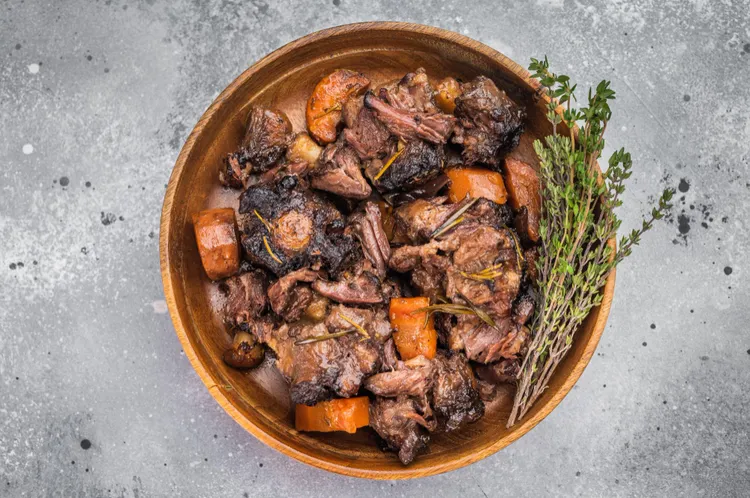
Bone-in beef short ribs are heavily marbled, high in collagen, and built for long braising. The method is forgiving and the result - meat that slides from the bone in a rich, reduced sauce - is exceptional.
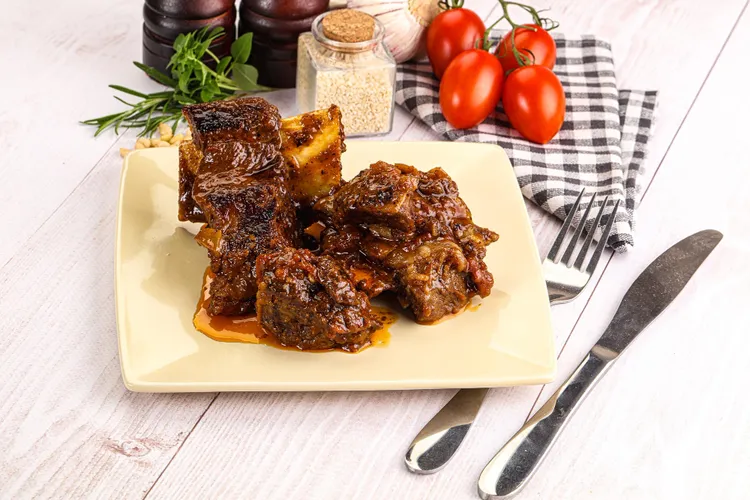
Short ribs are cut from the chuck or plate section depending on the style. English-cut short ribs - a single rib per piece, cut thick across the bone - are the most common and the best for braising. Each piece has a substantial cap of meat, a rib bone running lengthwise, and significant intramuscular fat and connective tissue throughout. Flanken-cut ribs (sliced across multiple ribs, producing thinner strips) are better suited to grilling. For braising, ask specifically for English-cut, bone-in, and cut at least 5-6cm thick. Thinner pieces lose their shape during long cooking and produce less satisfying results.
Fat Trimming
Short ribs carry a thick fat cap on one side. Trim it to about 5mm - enough to render into the braising liquid and baste the meat during cooking, without leaving so much excess fat that the finished sauce requires very aggressive skimming. If you leave the full cap, the sauce will be greasy and harder to finish cleanly. If you remove it entirely, the meat loses its self-basting protection during the long cook. The 5mm target is the practical middle ground.
Pat completely dry with kitchen paper before searing. Surface moisture prevents browning - this is the step that most undermines a sear when skipped or rushed.
The Sear
Season aggressively on all sides including the edges. Cast iron or heavy stainless steel over high heat, a tablespoon of neutral oil brought almost to smoking. Place the ribs fat-side down first and leave them for 4-5 minutes to render some of the cap fat and develop a deep crust. Turn to the meat side for another 3-4 minutes. Work in batches of no more than 3-4 pieces at a time - crowding drops the pan temperature immediately and produces steaming instead of searing. For 6-8 large ribs, expect to make 3 batches.
After searing, reduce the heat to medium. Soften 1 large onion, 2 carrots, 3 celery stalks, and 4 garlic cloves in the fat remaining in the pan - 5-7 minutes until soft and starting to colour. Add a tablespoon of tomato paste and cook for 2 minutes until it darkens. Deglaze with 200ml red wine, scraping the entire base of the pan to lift all the fond. Reduce the wine by half before adding stock.
Braising Setup and Liquid
Add 350ml beef stock to the reduced wine and vegetable mixture. Transfer everything to a Dutch oven or braising dish, placing the short ribs bone-side down. The meat faces upward and develops a slight surface during the long cook; the bone conducts heat to the interior. The liquid should come halfway up the ribs - not covering the meat surface entirely.
Add thyme sprigs, bay leaves, and a few whole black peppercorns. Optionally add a Parmesan rind to the liquid during braising - it releases glutamates slowly and deepens the sauce body significantly. The full explanation is in our Parmesan rind guide.
For wine selection, see our guide to red wines for beef braises - short ribs suit bold, tannic reds well. Malbec, Cabernet, or Rioja all work. For the full breakdown of all braising liquid options, see our braising liquid guide.
Timing and Temperature
- Oven at 160°C (325°F), lid on: 3.5-4.5 hours. Check at 3.5 hours - the meat should have pulled back from the bone at the edges by about 1cm, indicating significant collagen conversion.
- Slow cooker, low setting: 8-10 hours. One of the best cuts for overnight slow cooking - the low temperature and extended time produce exceptional texture.
- Slow cooker, high setting: 5-6 hours. Slightly firmer texture than low, but still very good.
Short ribs are done when the meat has pulled back from the bone visibly and a fork slides through the thickest muscle with minimal resistance. Unlike lamb shoulder, short ribs hold their shape better even when fully tender - they don't fall apart as readily, which makes them more manageable to plate as individual pieces. Serving bone-in with a generous spoonful of reduced sauce is the standard presentation.
For a detailed timing reference across all cuts and settings, see our slow cooker timing guide.
Finishing the Sauce
Remove the ribs and rest on a warm plate while you finish the sauce. Short ribs benefit from resting - the muscle fibres tighten slightly during the high-heat sear and relax again over long braising, but a brief rest before plating lets the juices redistribute. For resting guidance, see our resting meat guide - 10-15 minutes is sufficient for short ribs.
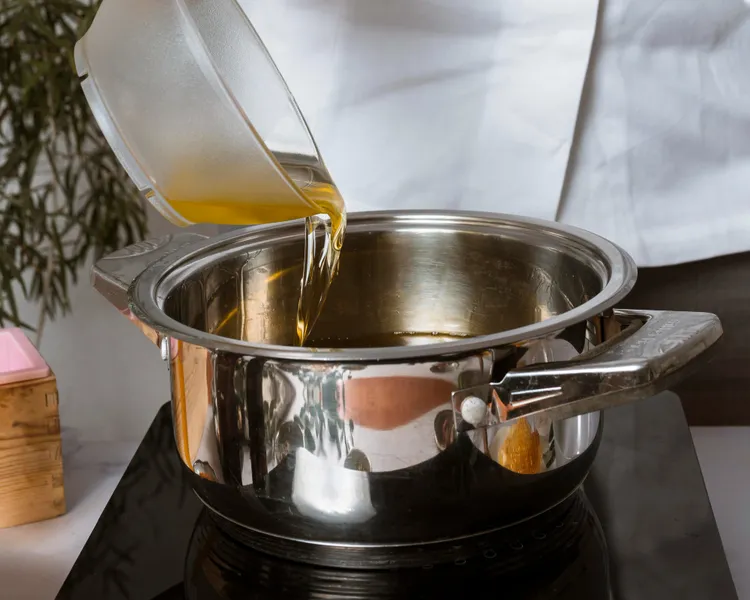
Strain the braising liquid through a fine sieve, pressing the softened vegetables firmly. Skim the fat - short ribs produce a significant amount of rendered fat. Reduce over high heat for 10-15 minutes until the sauce coats the back of a spoon cleanly. A teaspoon of soy sauce added during reduction deepens the background savouriness. Finish off the heat with a small knob of cold butter swirled in for gloss.
If the sauce is still thinner than you'd like after reduction, mix a teaspoon of cornflour with a tablespoon of cold water and whisk it into the simmering sauce. Bring briefly to a boil to cook out the starch. This is a backup - a good stock-based braise should thicken naturally through gelatin without needing starch.
Serving and Macros
Short ribs are typically served one large rib per person as a main course, bone-in. Serve over polenta, mashed potato, or creamy white beans - something that can absorb the sauce. A 350g bone-in short rib serving (approximately 200g edible meat): approximately 520-580 kcal, 34-38g protein, 2-4g carbs from the sauce, 40-46g fat. Fat content is high due to significant marbling - the trade-off for the texture and flavour these ribs deliver.
Meal Prep and Storage
Braised short ribs store exceptionally well. Refrigerate for up to 4 days in their braising liquid - the liquid sets to a firm jelly when cold, protecting the meat from any drying. Reheat gently in a covered pan over low-medium heat. Freeze for up to 3 months, always with sauce included. For scaling short ribs as part of a week of batch-cooked meals, see our braising meal prep guide. For full technique context, see the complete braising guide.
English Cut vs Flanken Cut
The distinction between English and flanken-cut short ribs matters for braising. English cut means each piece contains one full rib bone, with thick meat cut parallel to the bone. This is what you want for braising: substantial meat that holds together during a 4-hour cook and plates as an individual portion with the bone still in.
Flanken cut means the ribs are sliced crosswise through the bones, producing thin strips with cross-sections of multiple ribs. These are the right choice for grilling - thin cut, quick cook over high heat - but they fall apart during braising and produce a shredded result rather than individual portions. You can still braise flanken-cut ribs successfully, but expect a shredded preparation.
If in doubt, look at the cut. A single long bone with a thick block of meat above it is English cut. Cross-sections of multiple small bones in a thin strip is flanken.
Flavour Profile Variations
Short ribs are assertive enough to handle strong flavour profiles without being overwhelmed. The technique remains identical; only the aromatics change.
Korean-style galbijjim: soy sauce, gochujang, sesame oil, ginger, garlic, and Korean pear in the braising liquid. The fruit contains enzymes that tenderise the meat during the early cooking stages and adds natural sweetness. Serve over steamed rice with kimchi.
Mexican-style for birria: dried guajillo and ancho chillies, tomatoes, cumin, and Mexican oregano. The dried chillies are rehydrated and blended into the braising liquid. Serve in tacos with the braising liquid as a consommé for dipping.
Italian with gremolata: replace red wine with white wine and chicken stock. Add orange zest to the liquid. Finish with a gremolata of lemon zest, garlic, and flat-leaf parsley. The citrus acid cuts through the richness effectively.
Sear, soften aromatics, deglaze, braise at 160°C for 3.5-4.5 hours - identical regardless of the flavour profile chosen.
Serving Presentation
Short ribs are one of the most impressive braised dishes to serve at a table, precisely because they hold their shape so well. A single large English-cut rib per person, bone-in, with a generous spoonful of reduced sauce poured over at the table, is a presentation that requires very little plating skill but looks considered and substantial.
The classic accompaniments - polenta, mashed potato, or creamy white beans - work because they're both neutral enough not to compete with the sauce and starchy enough to absorb it. Whatever base you use, it should be rich and soft: this is not a dish for al dente vegetables or firm grains. The contrast of the firm meat and the yielding base is part of what makes it satisfying.
A small handful of fresh herbs (flat-leaf parsley, thyme leaves) scattered over just before serving adds visual colour and a fresh top note that cuts through the heaviness of the sauce. A few drops of good olive oil over the finished plate or a sliver of lemon zest adds brightness without changing the fundamental character of the dish.
Make-Ahead Strategy
Short ribs are one of the most reliable make-ahead dishes available. Cook them 1-2 days in advance, leave them in their braising liquid in the fridge, and reheat gently in a covered pan with the sauce. The flavour genuinely improves after 24 hours as the meat absorbs more of the braising liquid and the gelatin sets around the meat to protect and baste it during reheating. For a dinner party or weekend meal where you want to spend time with guests rather than in the kitchen, cooking short ribs two days ahead removes almost all of the day-of cooking work.
Why Bone-In Produces Better Results
Short ribs are available boneless in most butchers and supermarkets, and the boneless version is easier to eat. The bone-in version produces a better braise, for a reason that applies to most braised cuts: bone contributes. Marrow dissolves into the braising liquid during long cooking, adding both richness and a specific gelatinous quality that differs from the collagen in the surrounding meat. The bone also acts as a heat conductor, warming the meat from the inside out rather than just from the exterior surface, which produces more even cooking throughout a thick cut.
If you can only find boneless short ribs, the braise is still excellent - adjust the cooking time down slightly (boneless pieces cook more evenly and can be done 30-45 minutes earlier than bone-in equivalents of the same weight) and add a splash of extra stock to compensate for the reduced gelatin contribution from the absent bone.
Short ribs reward investment in quality ingredients at every stage: good bone-in ribs with significant marbling rather than lean boneless pieces, a proper sear in a very hot pan rather than a quick colour, good homemade or commercial stock rather than a dilute cube, and wine you'd actually drink rather than a cooking wine. Each step is simple. The combination of doing all of them well produces a dish that tastes significantly more complex and considered than the effort required to make it.
Short ribs have become more widely available in the last decade as the restaurant trend for braised collagen-rich cuts reached home cooking. That wider availability makes them easier to find than they once were, but the technique that makes them exceptional remains the same as it has always been: long, slow, wet heat that converts the abundant connective tissue to gelatin and transforms an otherwise tough cut into one of the most satisfying dishes a home kitchen can produce.
Cook them the day before you want to serve them. The texture is better, the sauce is richer after overnight chilling and reheating, and the active work on the day of serving reduces to reheating and plating. Few dishes offer a better ratio of practical convenience to impressive result.
One practical note on sourcing: if your local supermarket only stocks boneless short ribs, ask the butcher counter rather than the self-service case. Bone-in English-cut short ribs are frequently available on request even when they're not displayed. Most butchers are familiar with the cut and will cut to the thickness you specify. If bone-in is genuinely unavailable, boneless short ribs braise well with a 30-minute reduction in cooking time and remain an excellent choice for the same preparation.
Latest