Best Slow Cookers for Home Cooks: What to Look For and What to Buy
The slow cooker market covers a wide range of features and price points. Here's what the specs actually mean in practice, and which features are worth paying for.
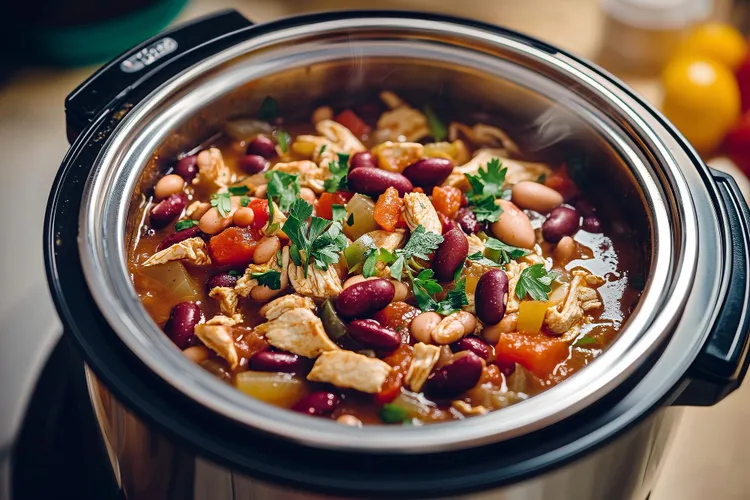
Most slow cookers do the same basic thing: heat a ceramic insert at low temperatures for a long time. The difference between a £25 entry-level model and a £120 premium one isn't dramatic in terms of basic braising results - both will produce tender lamb shoulder given enough time at the right setting. Where they diverge is in convenience features, heat consistency, insert quality, and long-term durability. If you're buying a slow cooker to use seriously and weekly for batch cooking, those differences compound over time. If you're buying one for occasional use, a mid-range model covers everything you'll ever need.
Key Specs Explained
Capacity: The single most important decision. A 3.5-litre round slow cooker fits a small chicken or a 1kg cut - adequate for 2-3 people. A 4.5-litre oval handles a 1.5kg bone-in shoulder and is the most versatile size for 3-4 people. A 6-litre oval accommodates a full 2-2.5kg shoulder for batch cooking and a whole chicken with vegetables without crowding. If you're unsure, buy larger - you can always cook less food in a bigger vessel, but you can't cook a 2kg shoulder in one that's too small without the meat sitting half out of the liquid.
Oval vs round: Oval is almost always the better choice. Long cuts - shoulder, brisket, whole chicken - don't fit comfortably in round inserts without awkward positioning that affects even cooking. Oval inserts also heat more evenly across a large, flat cut.
Low and high settings: Both are essential and non-negotiable for any serious use. Low for all-day braises; high for shorter cooks. A programmable timer that automatically switches to keep-warm at the end of the set time is genuinely useful for the all-day application.
Keep-warm function: Holds food at approximately 74°C after the cooking cycle completes. Important if you're using a timer and can't be home exactly when the cook finishes. The keep-warm function prevents a 10-hour lamb shoulder from over-cooking if you're 30 minutes late. Most current models include this; verify it's automatic on programmed timer models, not a separate manual switch.
Insert material: Ceramic is standard and works well for most applications. Removable inserts that are dishwasher-safe save considerable time and reduce the practical friction of using the appliance weekly. Some models have aluminium inserts with a non-stick coating - these heat faster than ceramic but are less durable with regular use. Cast aluminium inserts that are stovetop-safe are the most practical option: you can sear directly in the insert without a separate pan, keeping the fond in the vessel.
Lid: A glass lid lets you check progress without lifting, preserving the accumulated heat and steam. Avoid lids that don't seal well at the edges - a slow cooker relies entirely on trapped steam, and a poorly fitting lid undermines the core mechanism.
What Independent Reviews Find
Testing organisations including America's Test Kitchen, Wirecutter, and Which? consistently find that mid-range models (£50-80) perform comparably to premium models on the core cooking task for most home applications. Where premium models justify their cost: more precise and consistent temperature control across the full cooking time (reducing the risk of overcooking delicate ingredients), sturdier inserts that resist thermal cracking over years of use, and better-designed timers and controls that don't fail after 18 months of weekly use.
The models that consistently appear in independent best-of lists: Crockpot's programmable range for value and long-term reliability; KitchenAid for build quality and stovetop-safe inserts; Instant Pot for users who want pressure cooker functionality alongside slow cooking. For UK buyers, Morphy Richards and Swan offer solid mid-range options that score well in practical tests from Reviewed.com and similar consumer testing sources.
Features Worth Paying For
- Programmable timer with auto keep-warm: Genuinely useful and worth a premium. Set it before work, come home to a braise that's been on keep-warm for an hour rather than still actively cooking and risking over-doneness.
- Stovetop-safe insert: Removes the need for a separate searing pan. One pan, no transfer, the fond stays in the cooking vessel. The best versions are also oven-safe for flexibility.
- Dishwasher-safe insert: Non-negotiable for weekly use in a busy household. Hand-washing a 6-litre ceramic insert becomes a deterrent to actually using the appliance.
Features Not Worth Paying For
- Wi-Fi or app connectivity: Remote monitoring sounds appealing but the practical applications for a slow cooker are extremely narrow. You still can't add ingredients remotely, and start/stop is the only function most people would ever use via an app.
- Non-stick insert coating: More delicate than ceramic and requires careful handling to avoid scratching. The marginal cleaning benefit doesn't outweigh the durability trade-off for a workhorse appliance that gets regular use.
- Built-in steamer basket: Adds bulk to the appliance and rarely used alongside the braising function. A separate steamer insert is a better solution if you steam regularly.
Recommended Budget Brackets
Budget under £40: A basic 4.5-litre oval with low, high, and keep-warm settings. No programmable timer, ceramic insert, glass lid. Does the core job well and is appropriate if you'll use it occasionally or want to establish whether slow cooking fits your routine before investing more.
Mid-range £50-80: 4.5-6 litre oval, programmable 24-hour timer, auto keep-warm at cycle end, dishwasher-safe insert. This is the sweet spot for most home cooks who batch cook seriously once or twice a week. Crockpot's programmable range and Morphy Richards Sear and Stew (stovetop-safe insert) sit here and both score well in independent testing.
Premium £100+: Stovetop-safe insert, 6+ litre capacity, more precise temperature control, commercial-grade durability. Worth the investment if you cook large batches weekly and want the appliance to last 8-10 years without degradation in performance. KitchenAid's 6-quart slow cooker is the standard recommendation at this tier.
What to Cook First
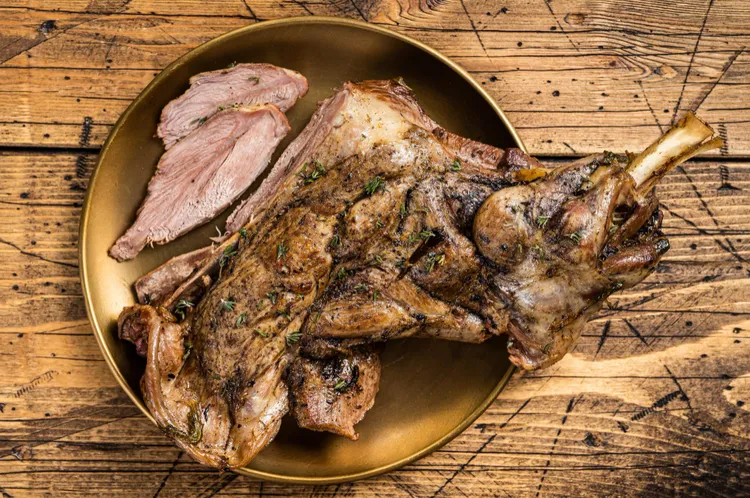
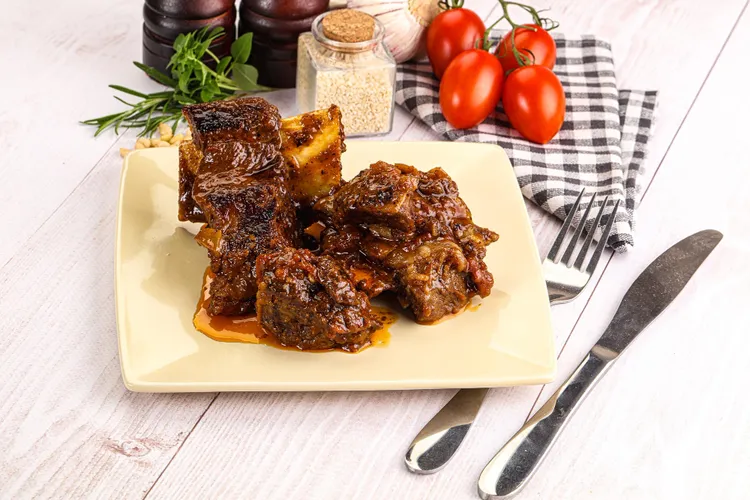
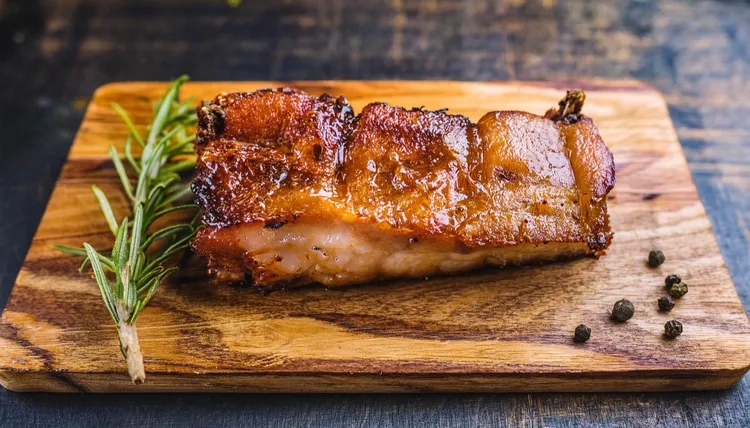
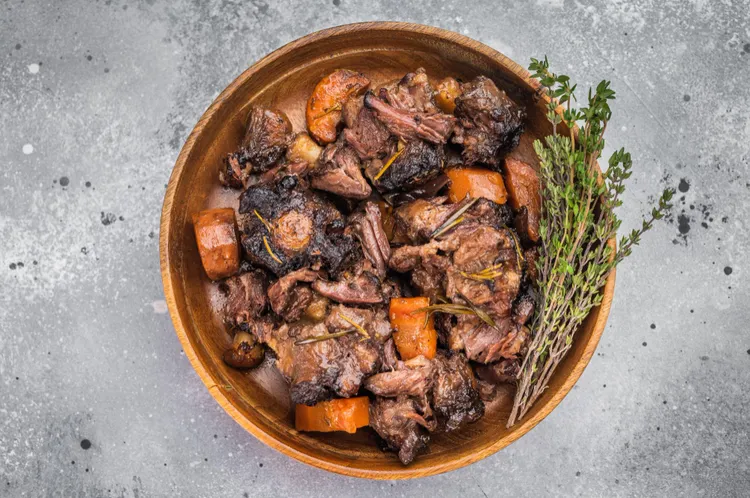
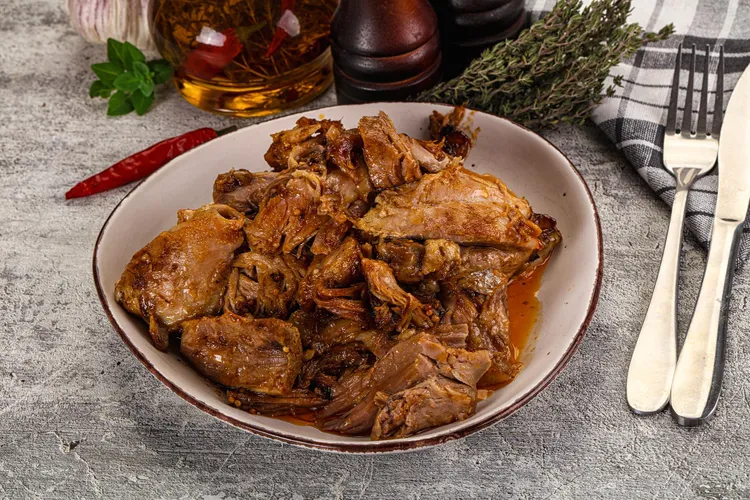
If you've just bought a slow cooker, start with something forgiving: beef chuck braise or chicken thighs on the low setting. Both have wide cook windows and won't suffer meaningfully from an extra hour if your timing is off. Once you're confident with the liquid ratios and timing for your specific model, move to more ambitious cuts - lamb shoulder for shredding, oxtail for a special occasion, pork belly for the two-stage method. Full technique guides for all of these are in our complete slow cooker and braising guide, with the accompanying timing reference covering every cut across both settings.
If batch cooking is your primary use case, pair your slow cooker with Consillar's meal prep planner to work out batch sizes, portion yields, and weekly macros from a single braise cook.
Testing Your Slow Cooker's Actual Temperature
Slow cooker temperature accuracy varies more than most people realise, even within the same model. A slow cooker labelled "low" might run anywhere from 85°C to 95°C depending on age, lid fit, and fill level. These differences matter for narrow-window ingredients and for food safety.
Testing is straightforward: fill the insert with water to the halfway mark, run on the low setting for 8 hours with the lid on, then use an instant-read thermometer to check the water temperature. It should be between 88°C and 93°C. Below 85°C means the cooker runs cold - extend timing by 20-30% for collagen-rich cuts. Above 95°C on the low setting means it runs hot - check earlier than recipes suggest for anything with a narrow window.
This one-time test removes a significant variable from every subsequent braise and is worth doing when you first buy a new unit.
Accessories Worth Having
A few additions make slow cooker braising more practical and produce consistently better results.
An instant-read thermometer: Essential for food safety on poultry and for confirming internal temperature on larger cuts. The Thermapen is the professional standard; the ThermoPop is an excellent cheaper alternative consistently recommended by independent testers.
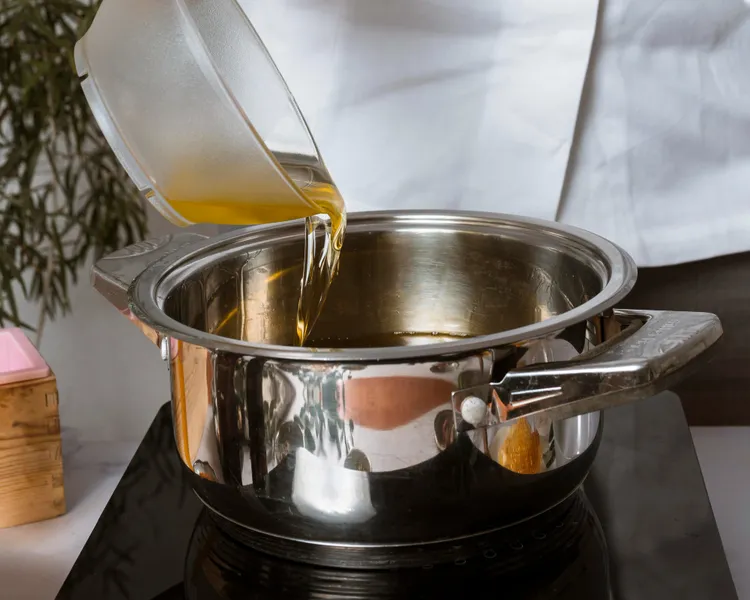
A fat separator jug: The braising liquid from collagen-rich cuts contains substantial rendered fat. A fat separator - a jug with a spout at the bottom - lets fat rise to the top while you pour the defatted liquid from below. More practical than overnight chilling when you want to serve the same day.
A spare insert: If your model's insert is sold separately, a spare allows you to set up tomorrow's braise the night before and refrigerate it in the insert, then transfer directly to the heating base in the morning. A minor convenience that removes one preparation step on weekday mornings.
For the full technique behind everything your slow cooker can do, see the complete slow cooker and braising guide and the accompanying timing reference. For batch cooking strategy, see our braising for meal prep guide.
Running Costs and Energy Use
A slow cooker is one of the most energy-efficient appliances in the kitchen. A standard 3.5-litre slow cooker uses approximately 70-100W on the low setting and 120-150W on high. Running a slow cooker on low for 10 hours uses roughly 0.7-1 kWh - equivalent to running a kettle for about 20 minutes. In markets with high electricity costs, this is a significant advantage over a conventional oven (which uses 1.5-2kW per hour) for long cooking tasks.
The comparison is particularly stark for all-day braises: a 10-hour slow cooker cook on low uses approximately 1kWh. The same braise in an oven at 160°C for 5-6 hours uses 8-12kWh. For weekly batch cooking at scale, the energy cost difference over a year is meaningful.
Using a Slow Cooker Beyond Braising
The slow cooker's usefulness extends well beyond meat braises, and understanding its range helps justify the counter space it takes up.
Soups and stews: any soup that benefits from extended simmering works well in a slow cooker. Add all the ingredients in the morning and come back to a finished soup. For stock-based soups, use the low setting and slightly reduce the liquid as described - the same rules as braising apply.
Overnight oats and porridge: steel-cut oats cooked on the low setting overnight produce a significantly creamier porridge than stovetop methods. Use a 1:3 oat to water ratio, add a pinch of salt, and set overnight on low. Ready when you wake up.
Dried beans from scratch: skip the soaking step for many bean varieties by using the slow cooker's low setting for 8 hours. The beans develop a creamier texture than pressure-cooked versions and absorb aromatics more fully during the extended cook.
For all of these applications, the timing principles from our slow cooker timing guide apply - understand the temperature range of your specific model and adjust accordingly.
Getting the Best Results From Any Slow Cooker
The most important variable in slow cooker braising isn't the model you own - it's the preparation before the food goes in. Regardless of whether you have a basic £30 model or a premium £150 one, the results improve dramatically when you sear the meat properly first, use an appropriate amount of liquid (less than you'd use in an oven), and let the cooker run for the full time without lifting the lid.
The second most important variable is the quality of the braising liquid. A slow cooker cannot improve a thin, watery stock into a gelatinous sauce. Start with a good quality liquid - homemade stock, a gelatinous commercial concentrate, or a combination of wine and stock - and the cooker's job becomes much easier. The slow cooker provides the time and temperature; you provide the ingredients and the setup. Good preparation with a basic slow cooker beats poor preparation with a premium one every time.
Whichever model you choose, the investment in a slow cooker pays off fastest when you use it consistently. The cooks who get the most from a slow cooker treat it as a regular weekday tool rather than a special occasion appliance - setting it up while making coffee in the morning and coming home to a finished braise has a practical value that compounds with every week of regular use. The best slow cooker is the one that becomes part of your routine.
A final practical note: buy a slow cooker with a removable, dishwasher-safe insert. This single feature determines whether you actually use the appliance consistently. The most common reason slow cookers end up unused in cupboards is the inconvenience of cleaning them. An insert that comes out cleanly, goes in the dishwasher, and is back in place the following morning removes the only real friction in slow cooker cooking.
Latest