Dill: Growing, Pairing, and Cooking Beyond Pickles
A complete plan for a dill surplus: harvest technique, storage, preservation, and the full range of savory uses for fresh dill beyond the pickle jar.
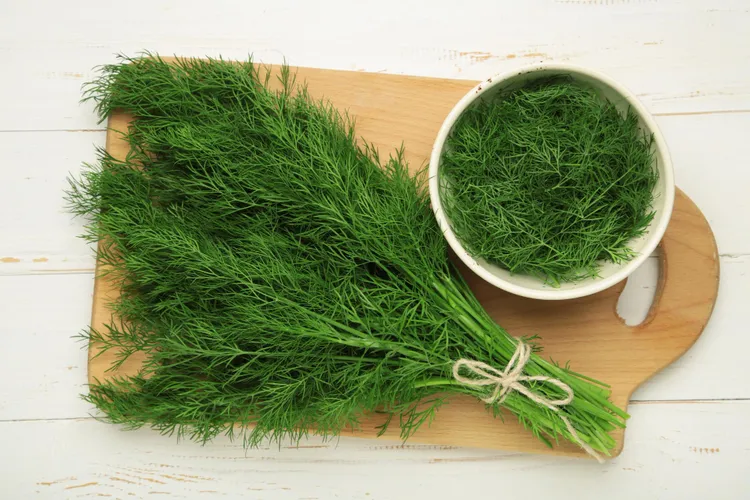
Dill grows fast, bolts faster, and produces a flush of feathery fronds that most kitchens use maybe a tablespoon of at a time. Between a productive plant and a jar of pickles, there's a lot of dill that goes unused, wilts in a crisper drawer, or gets composted along with stems nobody thought to use. That gap is what this guide is for.
Why Dill Is Different From Other Herbs to Manage
Unlike basil or mint, dill doesn't respond well to hard, repeated cutting the same way. It grows from a central point rather than branching extensively from side cuts, and it has a strong drive to flower and set seed once it reaches maturity, often within just 8 to 10 weeks of sowing. That means a dill glut is less about a single plant producing endlessly and more about a whole planting reaching maturity around the same time, then bolting within days of each other. Managing dill successfully is as much about staggered sowing as it is about harvest technique.
Step One: Harvest Correctly and Keep Sowing
Dill is best harvested by snipping whole fronds near the base rather than picking a few feathery tips at a time, and knowing when to cut is different from knowing how. How to Harvest Dill Without Killing the Plant covers the cutting technique and the tradeoff between harvesting for fresh fronds versus letting a plant go to seed for dill seed or flower heads.
Because dill bolts on its own schedule regardless of how gently it's treated, the real fix for a steady supply is succession sowing, planting a new short row every few weeks rather than relying on one planting to last all season. Why Dill Bolts So Fast (and How to Slow It Down) explains the heat and day-length triggers behind bolting and why staggered sowing solves the underlying problem better than any pinching technique can.
Step Two: Buy Time With Proper Storage
Fresh dill wilts within a day if treated carelessly, but it holds up notably longer with the right setup. How to Store Fresh Dill So It Doesn't Wilt in a Day compares the damp-towel method against a water-jar approach, with realistic shelf-life numbers for each.
Step Three: Preserve What You Can't Use Fresh
Dill freezes better than many delicate herbs, since its flavor compounds hold up reasonably well to cold, though texture still changes. How to Freeze Dill: Whole Fronds, Chopped, and in Oil compares three approaches and which recipes each suits best after thawing.
Drying dill is common but often done in a way that strips most of the flavor. How to Dry Dill Without Losing the Flavor covers air, oven, and dehydrator methods and why dill needs gentler handling than sturdier herbs like oregano or rosemary.
Step Four: Go Beyond the Pickle Jar
Pickling is the obvious dill destination, and it deserves more range than cucumbers alone. Dill Pickles That Aren't Just for Cucumbers applies a single quick-pickle brine to green beans, carrots, onions, and eggs, all good uses for a dill surplus that don't require canning equipment.
A single dill sauce base extends into several different meals rather than one. Creamy Dill Sauce for Salmon, Potatoes, and More covers the base recipe and three serving directions, so one batch doesn't mean one dinner.
Dill compound butter is a low-effort way to have a finished flavor ready to go. Dill Butter: A Compound Butter for Fish and Vegetables covers the log-and-freeze method that makes portioning simple.
Infused oil captures dill's brightness in a form that keeps for weeks. Dill Oil: A Bright Infused Oil for Finishing Dishes covers the blanching step and the food-safety basics anyone making infused oil at home should know.
A yogurt-based dip built around dill covers a lot of ground, from a quick vegetable dip to a proper tzatziki. Dill and Yogurt Dip (Tzatziki and Beyond) has the base recipe plus regional variations.
Fresh dill (dill weed) and dill seed are not interchangeable, and a lot of recipes assume the reader already knows which one they need. Dill Seed vs Dill Weed: What's the Difference in Cooking breaks down when each is the right call.
Dill's Scandinavian roots go well beyond gravlax. Scandinavian Dill Recipes Beyond Gravlax covers potato salad, cucumber salad, and the basics of dill-curing fish at home.
Eggs and dill are a classic pairing that scales easily to a full dozen at once. Dill and Egg Recipes: Deviled Eggs to Egg Salad has several ways to use a full bunch of dill across a batch of eggs.
Step Five: Use the Parts You'd Normally Throw Out
Dill stems and flower heads carry real flavor and usually go straight to the compost pile. What to Do With Dill Stems and Flower Heads covers stock infusions and using flower heads in pickling brine, where their flavor is arguably even better suited than the fronds.
Step Six: Keep a Supply Coming
Dill doesn't transplant well due to its taproot, which makes container growing and direct sowing the more reliable approach for a continuous harvest. Growing Dill in Containers for a Continuous Supply covers pot size, succession sowing timing, and why starting dill from seed directly where it will grow avoids the setbacks transplanting causes.
A Practical Week to Work Through a Dill Surplus
If a planting has bolted all at once or a bunch from the store is more than a single recipe needs, here's a realistic order of operations: store what you'll use fresh within 2 to 3 days using the damp-towel or water-jar method. Make a batch of creamy dill sauce and freeze half in small portions. Quick-pickle a batch of green beans or carrots using whatever dill is left over, since the pickling brine tolerates slightly wilted fronds better than a fresh salad would. Save stems and any flower heads for the pickling brine or a stock infusion instead of the compost bin. Mapping out a few days of meals around what's fresh keeps a dill glut from turning into wasted dill.
Matching Method to How Much Time You Have
Not every dill surplus needs the full range of methods in this guide. If a household mostly cooks simple weeknight meals, a batch of creamy dill sauce and a jar or two of quick pickles will absorb most of a moderate glut with very little ongoing effort. If entertaining or make-ahead lunches are more central, the yogurt dip and egg recipes earn their place faster. Drying dill only pays off if a household reaches for dried herbs regularly; otherwise a jar tends to sit forgotten while a bag of frozen dill in the freezer door gets used far more often.
It's also worth being honest about fridge and freezer space before committing an entire dill harvest to one method. Spreading a surplus across two or three approaches, some quick pickles, some frozen for later, some used fresh in salads and sauces within the week, is usually more realistic than trying to preserve everything the same way.
Common Mistakes That Waste a Dill Surplus
- Waiting too long to act. Dill's window for high-quality use is short, both on the plant and once cut. Fronds that have already gone limp or yellowed won't improve with any preservation method; use them while they're still green.
- Treating dill like a sturdier herb. Rosemary and thyme forgive a lot of neglect. Dill doesn't, and applying the same drying times, storage expectations, or harvesting technique used for tougher herbs usually disappoints.
- Ignoring the stems and flower heads. A meaningful portion of a dill harvest's flavor sits in parts that get stripped off and composted by habit. See What to Do With Dill Stems and Flower Heads before clearing the cutting board.
- Sowing only once for the whole season. Because a single planting bolts within weeks, relying on one sowing guarantees a single overwhelming glut followed by a gap, rather than a steady, manageable supply.
Frequently Asked Questions
How much dill counts as a surplus worth preserving?
If a single harvest or store bunch produces more than what a household will use fresh within 3 to 4 days, it's worth starting a preservation plan rather than hoping to keep up with it.
Does fresh dill or dried dill work better in most recipes?
Fresh is preferred for raw or last-minute applications; dried works reasonably well in longer-cooked dishes. See Dill Seed vs Dill Weed for how this differs further once dill seed enters the picture.
Can I use the same preservation methods that work for basil?
Many overlap, freezing and infused oil both work similarly, but dill tolerates the fridge for fresh storage far better than basil does, and it dries faster and more delicately. See How to Store Fresh Dill for the specifics.
Tips for Success
Harvest dill in the morning once dew has dried, when its essential oils are most concentrated. Add fresh dill at the end of cooking wherever possible, since heat dulls its flavor quickly. When deciding between storage and preservation, match the method to how soon you'll actually use it: a few days call for the water jar, a few weeks call for the freezer, and a few months call for pickling, drying, or infused oil.
Latest