Homemade vs Store-Bought Nut Butter: Is It Actually Cheaper?
A real cost-per-jar breakdown of homemade versus store-bought nut butter, nut by nut, including where the savings are biggest.
Homemade nut butter is cheaper than store-bought in nearly every case, but exactly how much cheaper depends heavily on which nut and which brand you're comparing against. Some of the gap is obvious; some of it is easy to overlook until it's actually laid out side by side.
Peanut Butter: The Biggest Gap
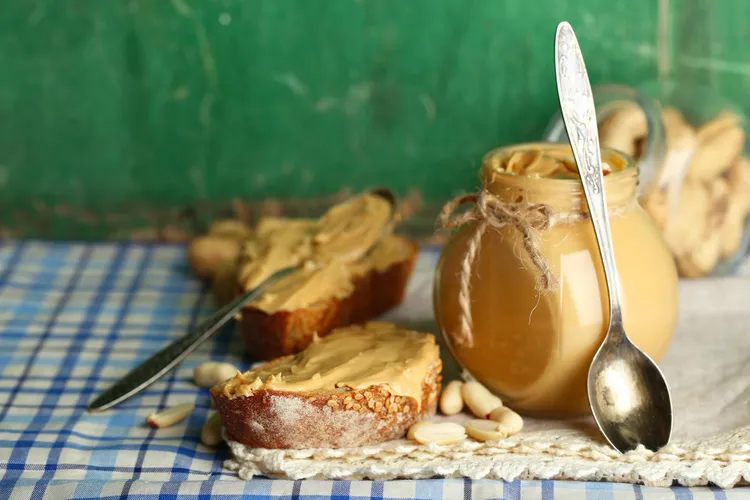
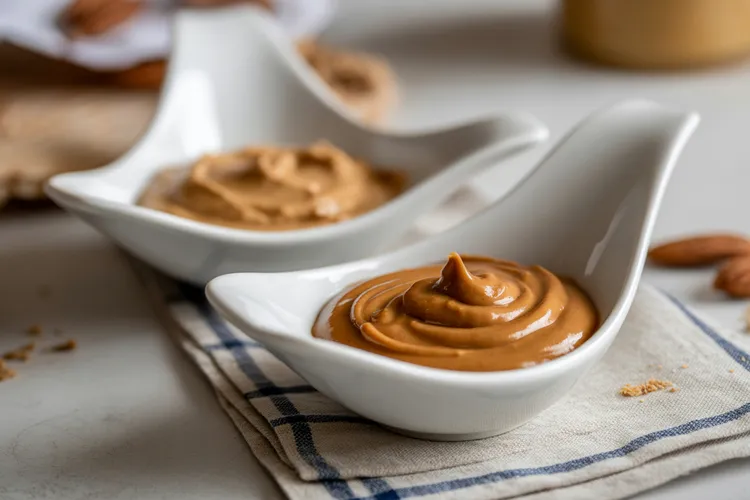
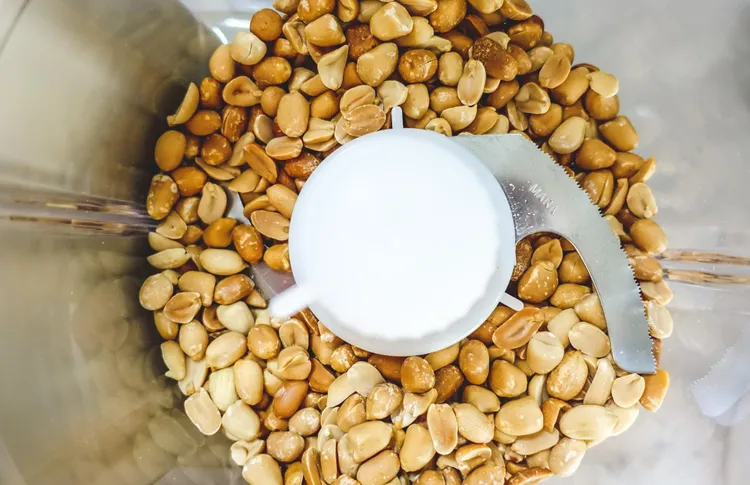
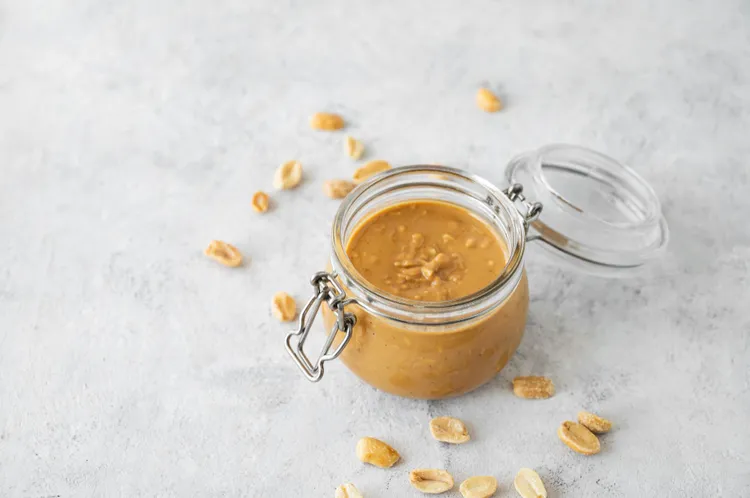
Natural peanut butter (the kind without added stabilizers, comparable to a homemade batch) typically runs $5 to $8 for a 16-ounce jar at most grocery stores. A pound of roasted, unsalted peanuts, enough to make roughly that same amount of butter, generally costs $3 to $4 in bulk. That puts homemade peanut butter at roughly half the cost of the equivalent store-bought natural version, and considerably cheaper still than premium or specialty peanut butter brands sold at a markup.
Almond Butter: A Wider Gap in Dollar Terms
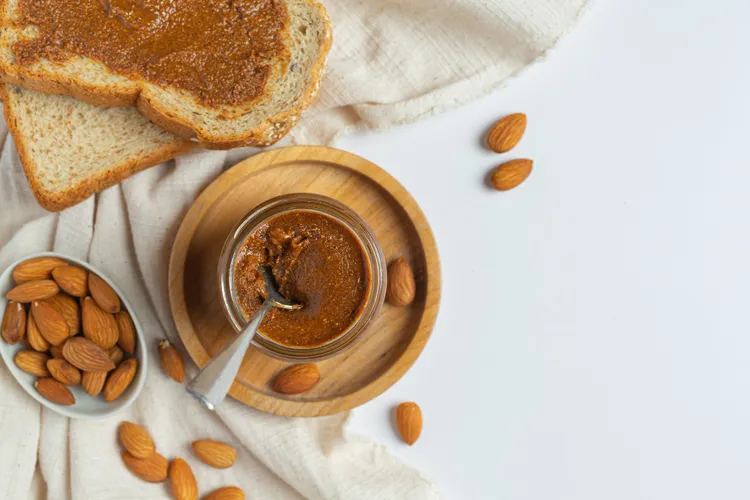
Almond butter is more expensive than peanut butter both homemade and store-bought, since almonds themselves cost more per pound than peanuts do. Store-bought natural almond butter often runs $8 to $12 for a comparable jar size, while a pound of raw almonds typically costs $5 to $7. The percentage savings are similar to peanut butter, but the actual dollar amount saved per jar is meaningfully higher, simply because almond butter starts from a higher price point on both sides of the comparison.
Cashew Butter
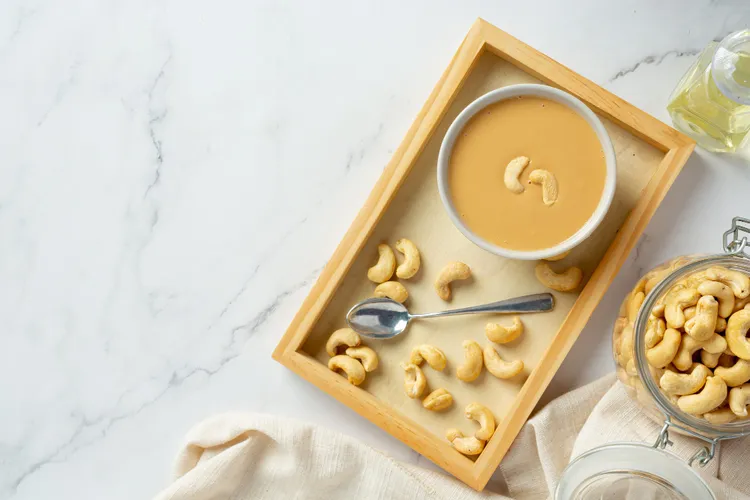
Cashews are pricier per pound than either peanuts or almonds, and store-bought cashew butter reflects that, often running $9 to $14 per jar depending on the brand. Homemade cashew butter from raw cashews (typically $6 to $9 per pound) still comes out meaningfully cheaper, though the gap in raw dollar terms is smaller than with peanut butter given how much the base ingredient itself costs either way, homemade or store-bought.
Pistachio Butter: Where the Math Gets Less Clear-Cut
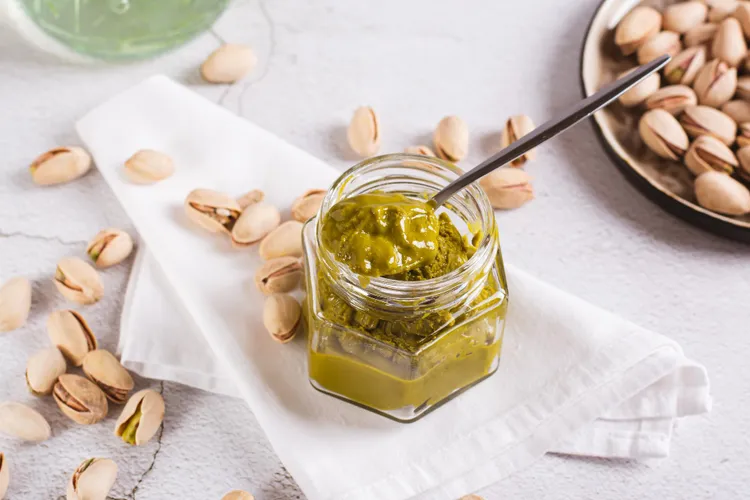
Shelled pistachios are the most expensive nut in this guide by a noticeable margin, and pre-made pistachio butter is correspondingly expensive and hard to find outside specialty stores, often running $12 to $18 per jar where it's available at all. Making it at home still saves money compared to buying it, but the absolute cost of a batch (often $8 to $12 for the pistachios alone) is high enough that pistachio butter remains a genuine splurge either way, homemade or store-bought.
Costs Beyond the Nuts Themselves
A few smaller factors affect the real total cost of homemade nut butter that are easy to overlook in a simple, straightforward per-jar comparison between homemade and store-bought:
- Electricity: Running a food processor for 10 to 15 minutes uses a small but non-zero amount of electricity, though this amounts to a negligible fraction of a cent per batch in most cases.
- Equipment cost: If a food processor needs to be purchased specifically for this, that upfront cost should be weighed against long-term savings rather than a single batch. A processor used regularly for other cooking tasks essentially has no marginal cost attributed to nut butter.
- Time: Roasting and blending takes 20 to 30 minutes of active-adjacent time per batch, which has real value even if it's not a direct dollar cost.
Where Buying in Bulk Changes the Math
Nuts bought in bulk bins or larger bags are consistently cheaper per pound than small pre-packaged containers, sometimes by as much as 20 to 30 percent or more. If nut butter becomes a regular habit rather than an occasional project, buying nuts in bulk widens the overall savings gap even further compared to store-bought jars purchased at retail price.
When Store-Bought Still Makes Sense
For an occasional single-serving need, or when a specific flavor variation isn't worth the setup time for a small amount, buying a jar remains the more convenient option. The cost savings of homemade nut butter scale with how often it's made and how large the batches are - an occasional single small batch saves less, proportionally, than a routine of making a fresh batch every few weeks.
Sunflower Seed Butter: A Budget-Friendly Option Either Way
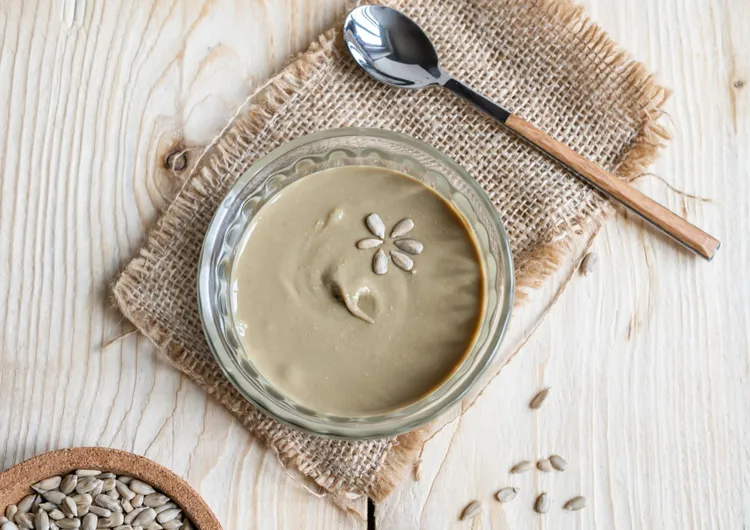
Sunflower seeds are one of the cheapest raw ingredients in this entire guide, often $3 to $5 per pound, and store-bought sunflower seed butter, while sometimes priced at a premium given its nut-free positioning, still tends to land closer to peanut butter's price point than almond or cashew butter's. Homemade sunflower seed butter offers real savings here too, though the starting price gap with store-bought is somewhat smaller than with pricier nuts.
Chocolate Hazelnut Spread: A Different Kind of Comparison
This one is worth calling out separately, since the store-bought comparison point (a mainstream jarred chocolate hazelnut spread) is usually cheaper per jar than raw hazelnuts alone cost to buy at home, given how much larger the manufacturing scale is and how little actual hazelnut content some mainstream brands use relative to sugar and oil. Making it at home isn't really about saving money in this specific case - it's about getting a version with meaningfully more real hazelnut content and no palm oil, which comes at a real cost premium rather than a savings.
Factoring In How Often You'll Actually Use It
The strongest case for homemade nut butter, financially speaking, comes from regular, ongoing use rather than a single batch made once and mostly forgotten in the back of the fridge. Someone going through a jar every two to three weeks sees the savings compound meaningfully over a full year, while someone making a single batch as a one-off project should weigh the time investment more heavily against a more modest one-time savings.
A Simple Way to Estimate Your Own Savings
Check the price per ounce of your usual store-bought jar, then check the price per pound of raw or roasted nuts at a store or bulk bin nearby (1 pound of nuts yields roughly 16 to 18 ounces of finished nut butter, accounting for some volume added by any oil or water content). Comparing those two numbers directly gives a more accurate, personalized savings estimate than any general percentage this guide alone could offer, since regional pricing on both nuts and specialty jarred nut butters varies substantially from place to place.
Comparing Against Premium and Specialty Brands
Some specialty or boutique nut butter brands charge considerably more than the mainstream "natural" jars used as the baseline comparison throughout this guide, sometimes running $12 to $20 for a small jar marketed around a specific flavor variation or premium sourcing claim. Against these higher-end products, the homemade cost savings are even more pronounced than the baseline figures suggest, often approaching 60 to 70 percent savings rather than the more typical 30 to 50 percent range seen against standard natural peanut or almond butter.
The Hidden Cost of Repeated Small Jar Purchases
Someone buying a new small jar every week or two, rather than a single larger batch, often pays a real premium for that convenience over time, since smaller package sizes generally carry a higher per-ounce price than larger ones. Making a larger homemade batch every few weeks, rather than buying smaller jars more frequently, compounds the savings further beyond the base homemade-versus-store-bought comparison.
Accounting for Ingredient Waste
A small amount of nut butter inevitably gets left behind in the food processor bowl and blade after transferring a batch to a jar, generally amounting to a tablespoon or two of usable product. This is worth factoring into a truly precise cost-per-jar calculation, though it's a small enough amount that it doesn't meaningfully change the overall savings picture across any of the nuts covered in this guide.
Non-Financial Value Worth Weighing Alongside Cost
Cost savings are only part of the case for homemade nut butter - full control over ingredients, no added stabilizers or palm oil, and the ability to customize flavor precisely are value that doesn't show up directly in a dollar comparison but matters to a lot of people making the switch. Weighing cost alongside these other factors, rather than cost alone, gives a fuller picture of whether homemade is the right fit for a given household.
A Worked Example: One Month of Peanut Butter
Consider a household going through roughly one 16-ounce jar of natural peanut butter every three to four weeks or so. At an average store price of $7 per jar, that's about $84 to $91 per year. Making the equivalent amount at home from roasted peanuts, at roughly $3.50 per batch, comes closer to $42 to $46 per year for the same total volume - a savings in the range of $40 to $50 annually from this one swap alone, before accounting for any additional batches made for gifts, baking, or other uses beyond a household's own everyday spreading needs.
A Worked Example: One Month of Almond Butter
Using that same monthly-jar assumption but applied instead to almond butter, a $10 store-bought jar versus a roughly $6 homemade batch works out closer to $48 in annual savings, slightly higher in raw dollar terms than the peanut butter example above despite a broadly similar percentage savings, simply because almond butter starts from a higher price point on both sides of this particular comparison.
When the Math Favors Store-Bought Instead
For pistachio butter specifically, given how narrow the cost gap can be against pre-made options where they're available at all, and given the added time investment of shelling and gentle roasting, the case for homemade rests more on flavor, freshness, and the simple fact that pre-made pistachio butter isn't reliably available in most grocery stores, rather than on cost savings being the primary motivator the way it is for peanut or almond butter.
The Overall Takeaway
Across every nut covered in this guide, homemade comes out cheaper than a comparable natural, no-stabilizer store-bought jar, generally by 30 to 50 percent depending on the specific nut and where the nuts themselves are purchased from. The gap is largest for peanut butter and smallest, proportionally, for pistachio, simply because pistachios are expensive as a raw ingredient no matter who ends up doing the actual blending.
Revisiting the Numbers Periodically
Nut prices, like most grocery staples, shift over time with growing conditions, demand, and broader inflation trends, so the specific dollar figures throughout this guide are meant as a general framework rather than fixed numbers to rely on indefinitely. Checking current prices at a preferred grocery store or bulk supplier before assuming a specific savings percentage gives a more accurate, up-to-date picture for a given month or year.
Perspective on the Comparison
Even setting aside the exact dollar amounts, the broader pattern holds consistently across every nut covered in this guide: homemade costs less than a comparable natural, no-stabilizer store-bought jar, by a margin that's meaningful enough to matter for a household making nut butter a regular habit, even if it's not dramatic enough to be the sole reason to start. Combined with the flavor and ingredient-control benefits covered throughout this guide, that savings tends to be the deciding factor that turns an occasional experiment into an ongoing kitchen habit.
Value Beyond the Numbers
For anyone weighing whether the time investment is worth it, the answer usually comes down to how much a household already values a fresher, more customizable product - for those who do, the cost savings covered throughout this guide are simply a welcome bonus on top of a choice already worth making. For anyone still undecided, trying a single batch of whichever nut is cheapest to start with, peanut or sunflower seed, is a low-risk way to see the savings firsthand before committing to a more expensive nut like pistachio, and it's a good way to test the full process before scaling up to a larger, more regular routine.
For the full method behind any of the nut butters compared here, see the complete nut butter guide, which covers the full technique and every individual recipe referenced throughout this cost breakdown, along with roasting times and storage guidance for each nut discussed above, plus equipment recommendations for anyone just getting started with their first batch.
Nuts are common allergens. Always check ingredient labels for potential allergens and cross-contamination. If you have a nut allergy, avoid handling or consuming nuts and nut-based products, including homemade nut butter.
Latest