Flavored Nut Butter Ideas (Honey Cinnamon, Maple, Spicy)
Flavor ratios that actually work for homemade nut butter, from honey cinnamon to spicy chili-lime, without seizing the texture.
A plain nut butter is a fine baseline, but flavoring it well takes more than dumping in whatever sounds good and hoping for the best. Some add-ins genuinely ruin texture if added at the wrong stage, while others blend in seamlessly no matter when they're added.
The Basic Rule: Add Flavor After the Base Is Smooth
Every flavor variation below assumes you've already blended a base nut or seed butter to full smoothness first, following the method in our complete guide. Adding liquid ingredients, especially sweeteners, before the nuts have fully broken down and released their oil is the single most common cause of a seized, stiff, unworkable batch - the liquid interferes with the nuts' natural clumping and smoothing process rather than blending in cleanly, and there's no reliable way to fully undo that once it's happened partway through a batch.
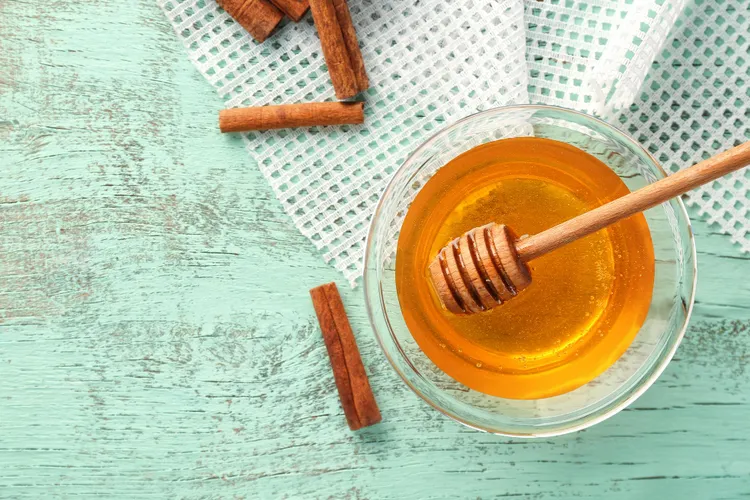
Honey Cinnamon
Per 1.5 cups of finished nut butter: 2 tablespoons honey, 1 teaspoon ground cinnamon, a pinch of extra salt if the base wasn't already salted. Blend in with the processor running for 30 to 45 seconds. This pairs especially well with almond or cashew butter, and tastes close to a cinnamon roll when spread on warm toast.
Maple
Per 1.5 cups: 2 to 3 tablespoons pure maple syrup, blended in the same way as honey. Maple's flavor is more distinct and slightly less sweet than honey, and it pairs particularly well with pecan or walnut-leaning mixed nut butters if you're working from our mixed nut butter guide.
Vanilla Bean
Per 1.5 cups: 1 teaspoon vanilla extract, or the scraped seeds from half a vanilla bean for a more intense, flecked result. Blend in for 20 to 30 seconds. This is a subtle addition rather than a dominant flavor, and works well as a base layer under any of the other flavors here rather than standing entirely on its own as a standalone variation.
Chocolate
Per 1.5 cups: 3 tablespoons cocoa powder plus 2 to 3 tablespoons of sweetener (honey, maple, or powdered sugar) and 1 to 2 tablespoons of oil, since cocoa powder noticeably stiffens the mixture once added. This is essentially the technique behind our chocolate hazelnut spread, adaptable to any base nut.
Spicy Chili-Lime
Per 1.5 cups: 1 teaspoon chili powder, 1/2 teaspoon smoked paprika, 1/4 teaspoon cayenne (adjust to taste), 1 teaspoon lime zest, and a pinch of extra salt. This works particularly well with peanut butter for a version that leans into savory applications like satay-style sauces rather than sweet spreads.
Salted Dark Chocolate Chunk
Per 1.5 cups: fold in 1/4 cup roughly chopped dark chocolate by hand after blending, along with an extra pinch of flaky salt sprinkled on top once jarred. Unlike the smooth chocolate variation above, this keeps distinct chocolate pieces rather than blending the chocolate flavor throughout.
Why Some Add-Ins Cause Seizing
Nut butter seizing happens when a liquid ingredient, particularly one with sugar or water content, is introduced too early or too abruptly into a batch that hasn't yet developed its own oil-based smoothness. The sugar or water competes with the released nut oil rather than blending into it, and the mixture can suddenly clump into a stiff, dry paste rather than staying smooth. This is largely avoidable by always finishing the base butter fully first, then adding flavor gradually with the processor running.
Adjusting Consistency After Flavoring
If a flavored batch does turn out stiffer than the plain base, a tablespoon of neutral oil, blended in for 30 to 60 seconds, usually restores a spreadable texture without significantly diluting the added flavor.
Combining Flavors
Most of these pair well together in smaller amounts - vanilla and cinnamon, or chocolate and a pinch of cayenne for a mole-inspired variation, for instance. Start with half the listed amount of each when combining two flavors, taste carefully, and adjust from there rather than stacking full quantities of each ingredient at once.
Coconut
Per 1.5 cups: 1/4 cup unsweetened shredded coconut, blended in for 30 to 45 seconds, plus 1 tablespoon melted coconut oil if the mixture needs loosening after the coconut is added. This pairs especially well with cashew or almond butter, and adds a subtle textural bite alongside the coconut flavor rather than blending in completely smooth, keeping a bit of chew in every single spoonful.
Coffee
Per 1.5 cups: 1 tablespoon instant espresso powder dissolved in 1 teaspoon warm water, then blended in along with 2 tablespoons of sweetener. This works particularly well with hazelnut-based spreads, echoing a mocha flavor, or with cashew butter for a milder coffee note.
Everything Bagel
Per 1.5 cups: 1 to 2 tablespoons everything bagel seasoning, blended in for 20 to 30 seconds, skipping any sweetener entirely from the mix. This is a savory direction best suited to peanut or cashew butter, intended for spreading on crackers or savory toast rather than as a traditional sweet spread, closer to a spreadable dip than a breakfast staple.
Adjusting for Kids vs Adults
Spicier or more assertive flavor directions, like the chili-lime variation, are easy to make milder for a household with kids by cutting the cayenne entirely and reducing the chili powder by half, while keeping the lime zest, which contributes brightness without much heat on its own. Conversely, any of the sweeter variations can be made more adult-oriented by reducing the added sweetener and leaning further into spice or bitterness, such as increasing cocoa content in the chocolate variation.
Building a Flavor From Scratch
Beyond the specific variations above, the same basic approach works for nearly any flavor idea: finish the base nut butter to full smoothness first, then add dry spices, extracts, or zest directly, and liquid sweeteners gradually with the processor running. Taste as you go rather than measuring blind - the strength of ground spices and extracts varies enough between brands that a fixed recipe won't always land the same way twice.
Pumpkin Spice
Per 1.5 cups: 1 teaspoon pumpkin pie spice, 2 tablespoons maple syrup, and a pinch of extra salt, blended in for 30 to 45 seconds. This is a seasonal favorite that works especially well with almond or cashew butter as a base, stirred into fall-leaning oatmeal or morning yogurt bowls.
Orange Zest and Dark Chocolate
Per 1.5 cups: 1 tablespoon orange zest blended in with the base butter, plus 1/4 cup roughly chopped dark chocolate folded in by hand afterward, similar to the salted dark chocolate chunk variation above but with a brighter citrus note added. This pairs particularly well with hazelnut or almond as a base.
Why Extracts Behave Differently Than Fresh Ingredients
Extracts like vanilla and almond are alcohol-based and blend into a finished nut butter almost instantly without changing texture at all, unlike fresh zest, spices, or fruit, which add a small amount of actual physical material to the mixture. This is part of why extracts are more forgiving to experiment with in larger amounts without risking texture issues, while fresh add-ins are worth adding a bit more cautiously and tasting as you go.
Working With Freeze-Dried Fruit
Freeze-dried fruit (strawberries, raspberries, or bananas, for instance), pulsed into a fine powder in a separate blender or food processor before being folded into a finished nut butter, adds real fruit flavor and color without the added moisture that fresh or dried fruit would bring, which can otherwise shorten shelf life or affect texture. This is a slightly more involved technique than the other variations here, but it's the most reliable way to add genuine fruit flavor without compromising the batch.
Testing a New Flavor on a Small Portion First
Before flavoring an entire batch, scooping out a small portion into a separate bowl and testing a flavor idea on that smaller amount first avoids risking an entire batch on an untested combination. This is especially worth doing with less common pairings, like the spicy chili-lime variation, where personal spice tolerance varies quite a bit from one household to another.
Seasonal Flavor Rotation
Rotating flavors seasonally - pumpkin spice or maple in the fall, a brighter citrus and chocolate combination in winter, plain or lightly honeyed versions through spring and summer - is a simple way to keep a fairly small set of base recipes feeling varied throughout the year without needing to learn entirely new techniques each time. The underlying method described throughout this guide stays exactly the same regardless of which direction the flavor takes.
Keeping Notes on Favorite Ratios
Once a flavor combination lands well, writing down the exact ratio used, including any adjustments made from the starting points listed above, saves real guesswork the next time around. Flavor preferences also genuinely vary from batch to batch depending on small factors like how sweet a particular bag of nuts tasted after roasting, so treating these ratios as reliable starting points to fine-tune, rather than fixed rules, tends to produce better results over repeated batches.
Every variation in this guide follows the same underlying principle: finish the base nut butter fully first, then flavor gradually with the processor running, tasting along the way. Once that habit is in place, there's very little risk of ruining a batch no matter which flavor direction is chosen.
Storage
A batch flavored with fresh add-ins like citrus zest is worth using a bit sooner than a plain batch, since fresh ingredients introduce more variables into how predictably it holds up over several weeks.
Adding honey, maple syrup, or other liquid sweeteners generally shortens a batch's shelf life slightly compared to plain nut butter, since the added moisture creates a slightly more hospitable environment for bacterial growth over time. See our storage guide for specifics.
A Simple Way to Decide Which Flavor to Try First
For a genuinely first attempt at flavoring, honey cinnamon is the most forgiving starting point - the ratio is simple, the ingredients are almost always already on hand, and the result is hard to get wrong even with imprecise measuring. Once that variation feels comfortable, branching into the spicier or more savory directions like chili-lime becomes an easier next step, since the underlying technique of finishing the base first and adding flavor gradually stays exactly the same.
Flavoring as a Way to Use Up Pantry Odds and Ends
Beyond the specific combinations listed throughout this guide, flavoring a plain nut butter is also a practical way to use up small amounts of spices, extracts, or dried fruit powders sitting mostly unused in a pantry, in the same spirit as the mixed nut butter recipe's approach to using up leftover nuts themselves.
Flavor as the Final Step, Not the Starting Point
It's worth restating one more time, since it's the single most important habit covered in this guide: every flavor idea here assumes a fully smooth base nut butter first. Treating flavoring as the last step of the process, rather than something built in from the beginning, is what keeps a batch from seizing regardless of which specific combination is being tried, and it's the one rule worth remembering even after the specific ratios above have faded from memory, since it applies to any new flavor idea not explicitly covered in this guide as well.
For the base method any of these builds on, see the complete nut butter guide, which also covers troubleshooting for any flavored batch that doesn't come together as smoothly as expected, along with the specific base recipes each of these flavor variations was built to work with, from peanut through pistachio and every option in between.
Nuts are common allergens. Always check ingredient labels for potential allergens and cross-contamination. If you have a nut allergy, avoid handling or consuming nuts and nut-based products, including homemade nut butter.
Latest