Homemade Almond Butter (Smooth or Crunchy)
A complete guide to homemade almond butter, including why it takes longer to smooth out than peanut butter and how to avoid the common mistakes.
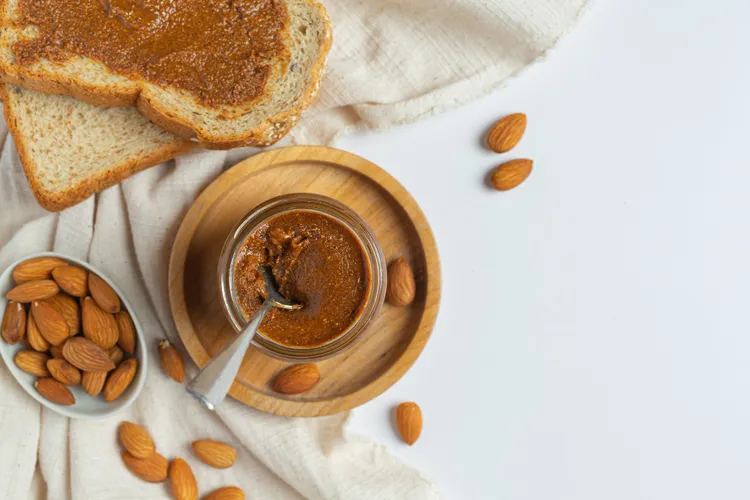
Almond butter takes longer to smooth out than peanut butter, and knowing that going in saves a lot of unnecessary second-guessing partway through. Almonds are lower in fat than peanuts and cashews, which means the oil that eventually makes the butter smooth takes more processing time to release.
Homemade Almond Butter (Smooth or Crunchy)
Prep time: 5 minutes | Blend time: 10 to 15 minutes | Makes: about 1.5 cups
Ingredients
- 2 cups raw almonds
- 1/2 tsp salt, or to taste
- 1 to 2 tbsp neutral oil (optional, only if needed)
- 1 tbsp honey or maple syrup (optional)
Instructions
- Preheat the oven to 350F. Spread the almonds on a rimmed baking sheet in a single layer and roast for 10 to 12 minutes, stirring once, until fragrant and lightly darkened. Let cool for 10 to 15 minutes - warm almonds can cause the processor to overheat.
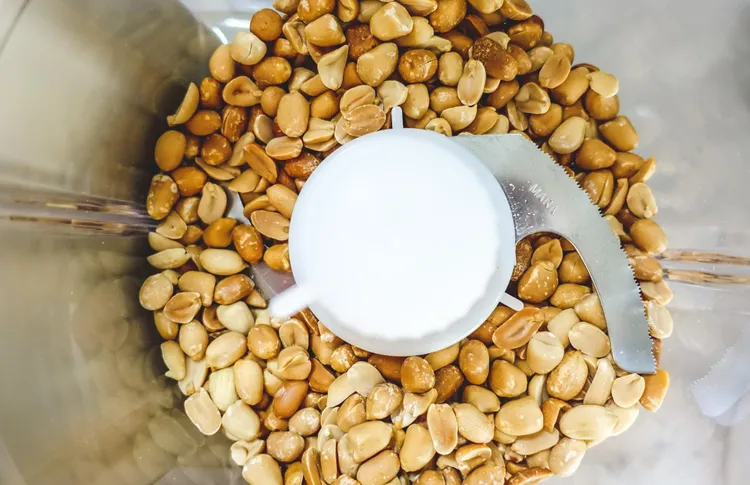
- Add the cooled almonds to a food processor. Process continuously, stopping every 2 to 3 minutes to scrape down the sides.
- Expect the almonds to pass through a fine meal stage (1 to 2 minutes), a thick clump stage (4 to 7 minutes), and finally break down into a smooth, glossy butter (10 to 15 minutes total). This takes longer than peanut butter - be patient rather than assuming it needs oil.
- Once smooth, add salt and blend for another 30 seconds to combine.
- If the batch is still dry or grainy after 15 minutes of processing, add oil one tablespoon at a time. See our troubleshooting guide for more on why this happens.
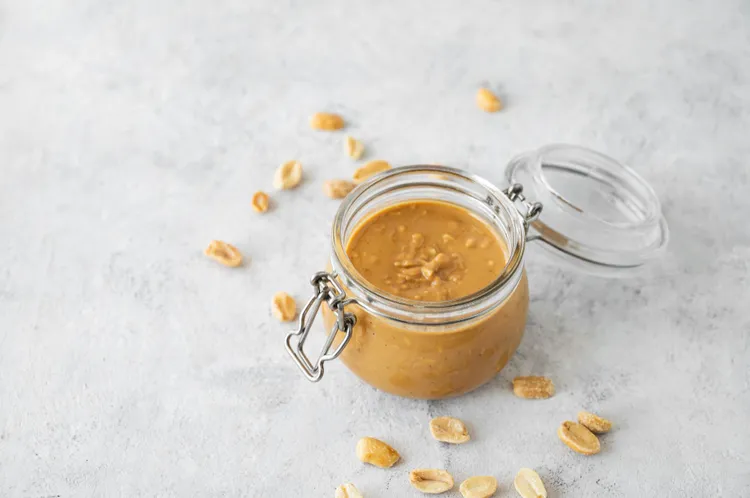
- Transfer to an airtight jar and refrigerate.
Notes
A food processor with a strong motor matters more here than with peanuts, since almond butter takes real time and effort from the machine. A weak or small processor can overheat before the almonds ever reach the smooth stage.
Why Almond Butter Takes So Long
Almonds are about 50 percent fat by weight, close to peanuts on paper, but the fat is bound more tightly within a denser cell structure, so it takes longer mechanical processing to release. This is the single most common reason people give up on homemade almond butter early and assume something's wrong - the clump stage simply lasts longer here than with oilier nuts like cashews.
Skin On or Skin Off
Almond skins add a slightly bitter, more rustic flavor and a bit of texture. For a milder, smoother result closer to store-bought almond butter, use blanched almonds (skins removed) instead of raw almonds with skins on. Blanched almonds also blend slightly faster, since the skin adds a bit of fibrous resistance during processing.
Crunchy vs Smooth
Reserve 1/4 cup of roasted almonds before blending the rest smooth, then pulse the reserved almonds a few times to roughly chop and fold them into the finished butter. This gives distinct crunchy pieces rather than the uneven texture that results from trying to under-process part of a single batch.
Common Mistakes
Adding oil in the first 5 minutes is the most common misstep - almond butter genuinely needs more time than peanut butter before it turns smooth, and adding oil early just makes a thinner, less almond-forward result. Give it the full 10 to 15 minutes before deciding it needs help.
A second mistake is roasting almonds too long, which can push them from fragrant to bitter. Ten to twelve minutes at 350F is the reliable window - beyond that, especially past 15 minutes, the flavor turns noticeably harsher.
A third mistake is adding the almonds to the processor while still warm from the oven. This can cause the processor's motor to run hotter than it should over a long blend time, which risks it overheating and shutting off mid-batch. A 10 to 15 minute cooling window solves this.
Raw Almonds vs Pre-Roasted
Starting with raw almonds and roasting them yourself, as this recipe does, gives more control over the final flavor than buying pre-roasted almonds, since store-roasted nuts vary a lot in how heavily they've been toasted and whether they've been roasted in oil. If using pre-roasted, unsalted almonds as a shortcut, skip the oven step entirely and go straight to the food processor - they'll blend on roughly the same timeline as freshly roasted ones.
Almond Butter in a High-Powered Blender
A high-powered blender with a tamper often outperforms a food processor specifically for almond butter, since the tamper keeps pushing the dense, lower-fat almond meal back down into the blades throughout the longer blend time this nut requires. If almond butter consistently seems to stall out in a food processor, a blender with a tamper is worth trying as an alternative - see our equipment guide for more on the difference between the two tools.
Adding Almond Extract
A small amount of almond extract, about 1/4 teaspoon, intensifies the almond flavor in a way that vanilla extract doesn't, since almond extract is derived from bitter almonds and carries a much more concentrated version of the same flavor compound. Use it sparingly - it's considerably stronger than vanilla extract, and more than 1/2 teaspoon in a batch this size can taste artificial or overwhelming rather than simply "more almond."
Why This Recipe Uses Whole Almonds Rather Than Slivered or Sliced
Whole raw almonds roast and blend more predictably than pre-sliced or slivered almonds, which have more surface area exposed and can roast unevenly or burn faster than the timing in this recipe assumes. If slivered almonds are what's on hand, reduce the roasting time by 2 to 3 minutes and watch them closely, since they'll toast considerably faster than whole almonds.
Scaling the Recipe
Doubling this recipe to 4 cups of almonds works in a large-capacity food processor, though the already-long blend time will stretch out further, sometimes past 20 minutes total. Because almond butter already asks more of a processor's motor than faster-blending nuts, doubling is the one place in this guide where checking a machine's continuous-run recommendations before starting is genuinely worth doing.
Why Patience Really Is the Whole Trick Here
More than any other recipe in this guide, almond butter tests whether someone trusts the process or gives up right at the discouraging clump stage. Almost every failed almond butter attempt traces back to stopping too early and either accepting a grainy result or adding oil that wasn't actually needed. If there's one single piece of advice worth internalizing before starting, it's this: almond butter takes 10 to 15 minutes, full stop, and there's rarely a shortcut around that timeline without changing the final texture.
Toasting Almonds a Second Time
If a batch of almond butter tastes flatter than expected even after full blending, it's sometimes because the almonds themselves were under-roasted rather than an issue with the blending process. There's no way to "re-roast" already-blended almond butter directly, but noting the issue for next time - pushing roasting to the full 12 minutes rather than stopping at 10 - usually resolves it in a future batch.
Comparing Blanched and Raw-Skin Almonds Side by Side
If it's your first time making almond butter and you're unsure which to buy, blanched almonds are the safer choice for a smoother, more familiar result closer to what most people expect from store-bought almond butter. Raw almonds with skins on produce a more rustic, slightly more textured result with a faint tannic note from the skin - worth trying once the basic technique feels comfortable, as a point of comparison.
Almond Butter and Blood Sugar
Almond butter, like most nut butters, is relatively low in carbohydrates and higher in fat and protein, which means it doesn't spike blood sugar the way many spreads or snacks do. This isn't a claim about any specific health outcome, just a commonly cited reason some people prefer almond butter as part of a lower-carbohydrate approach to eating, alongside its flavor and nutrient profile.
A Realistic Timeline for a First Attempt
Budget about 45 minutes total for a first-time almond butter batch: 10 to 12 minutes roasting, 10 to 15 minutes cooling, and 10 to 15 minutes blending, plus a few minutes for cleanup. Subsequent batches go faster simply from familiarity with the stages and knowing what to expect at each point along the way.
Storage
Almond butter keeps for about 3 to 4 weeks refrigerated. It's more prone to visible oil separation than peanut butter, given the longer processing time involved in releasing that oil in the first place - a stir before each use redistributes it. See our storage guide for the full breakdown by nut.
What to Use It On
Almond butter's milder flavor makes it a good substitute anywhere peanut butter feels too assertive - stirred into oatmeal, blended into a smoothie, or swapped directly into a spinach smoothie in place of peanut butter for a lighter flavor. See our full uses guide for more ways to use it beyond toast.
Almond Butter and Digestive Considerations
Almonds contain more fiber per serving than peanuts or cashews, which some people find contributes to a slightly more filling, satisfying quality to almond butter compared to other nut butters. For anyone with a sensitive digestive system, introducing a new nut butter gradually rather than eating a large amount right away is a reasonable, general precaution, independent of any specific concern about almonds themselves.
Almond Butter Color as a Doneness Indicator
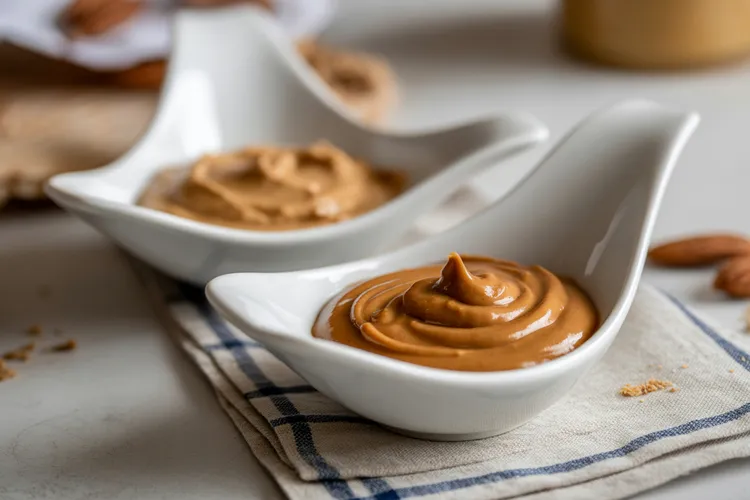
Beyond sound and taste, color offers a useful secondary check specific to almond butter: a properly finished batch should look uniformly glossy and a warm tan-brown throughout, without any noticeably paler, drier-looking streaks remaining. Streaks of lighter, drier-looking material usually mean a section of the batch got stuck against the bowl's sides during processing and didn't fully incorporate - another scrape-down and another minute of blending typically resolves it.
Making Almond Butter Part of a Regular Rotation
Given its longer active blend time compared to some other nuts in this guide, almond butter is a good candidate for a slightly larger batch made less frequently, rather than a smaller batch made weekly. Doubling the recipe and storing it across the full 3 to 4 week refrigerated window cuts down on how often the longer blend time needs to be repeated, without sacrificing freshness in any meaningful way.
What Almond Butter Teaches for Every Other Recipe in This Guide
Because almond butter tests patience more than any other recipe here, successfully making a batch is genuinely good practice for everything else in this guide - once you've sat through a full 15-minute almond butter blend and trusted the process through the discouraging clump stage, faster nuts like cashew or peanut feel almost effortless by comparison, and slower ones like pistachio hold no real surprises either.
A Second Look at Why Patience Pays Off Here Specifically
It's worth restating because it's the single biggest determinant of success with this particular nut: almond butter genuinely needs its full 10 to 15 minutes, and there's no reliable shortcut around that without changing the final result. Every other adjustment covered in this guide - skin-on versus blanched, roasting time, extract additions - matters far less to the outcome than simply giving the processor the time it needs.
Almond vs Peanut Butter
Both are excellent choices worth having in rotation rather than treating the decision as permanent - many households simply keep both on hand, reaching for peanut butter in savory applications and almond butter where a lighter, more understated flavor fits better.
Deciding between the two for a specific recipe or preference? Our direct comparison covers flavor, cost, and nutrition differences in detail, including specific guidance on which fits which kind of recipe best.
For the full roadmap across every nut and seed butter in this guide, including troubleshooting and storage guidance that applies just as much here as to any other nut, see the complete nut butter guide. A single well-made batch is often all it takes to understand why so many people switch away from store-bought almond butter for good, and to feel confident tackling every other recipe in this collection afterward.
Nuts are common allergens. Always check ingredient labels for potential allergens and cross-contamination. If you have a nut allergy, avoid handling or consuming nuts and nut-based products, including homemade nut butter.
Latest