How Long Does Homemade Nut Butter Last? (Storage Guide)
Real storage timelines for homemade nut butter by nut type, how to tell normal oil separation apart from actual spoilage, and best practices.
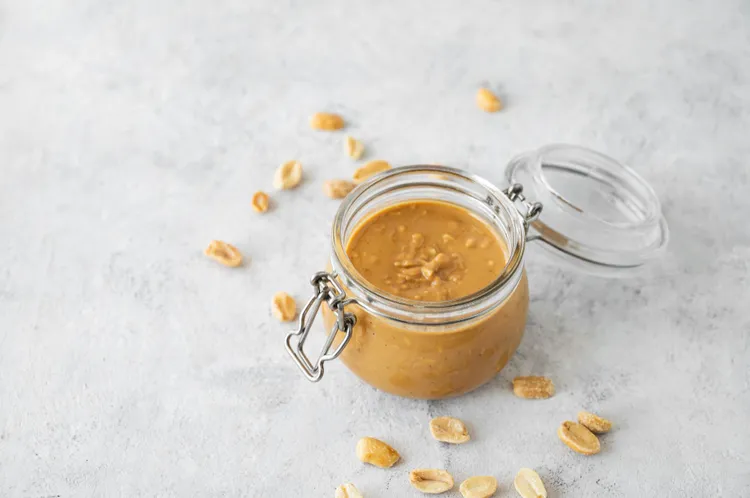
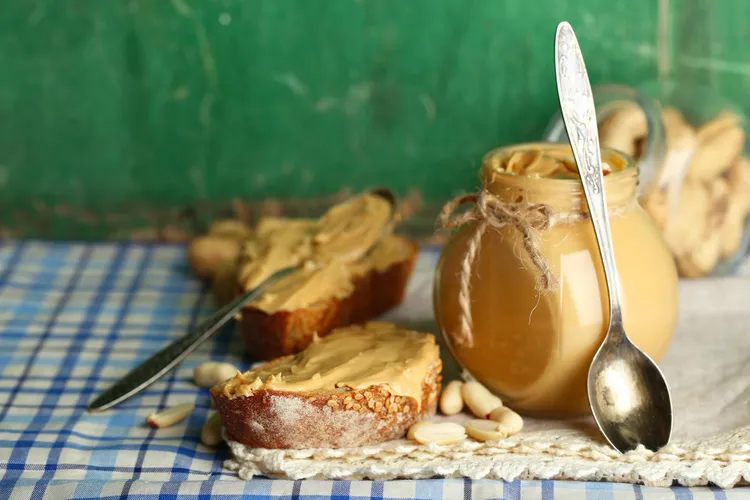
Homemade nut butter behaves differently in storage than the jarred stuff from the grocery store, mostly because it has none of the added stabilizers, preservatives, or hydrogenated oils that keep commercial versions shelf-stable and separation-free for months at a time.
General Storage Timeline
- Refrigerated: Most homemade nut butters keep for 3 to 4 weeks in an airtight container in the fridge. This is the standard, recommended storage method for anything made at home.
- Room temperature: Safe for about 1 to 2 weeks in a cool, dark pantry, though the natural oils will turn rancid faster than refrigerated storage allows, especially in a warm kitchen.
- Frozen: Up to 3 to 4 months in an airtight, freezer-safe container. Thaw in the refrigerator and stir well before using, since freezing tends to accentuate oil separation.
Storage Times by Nut
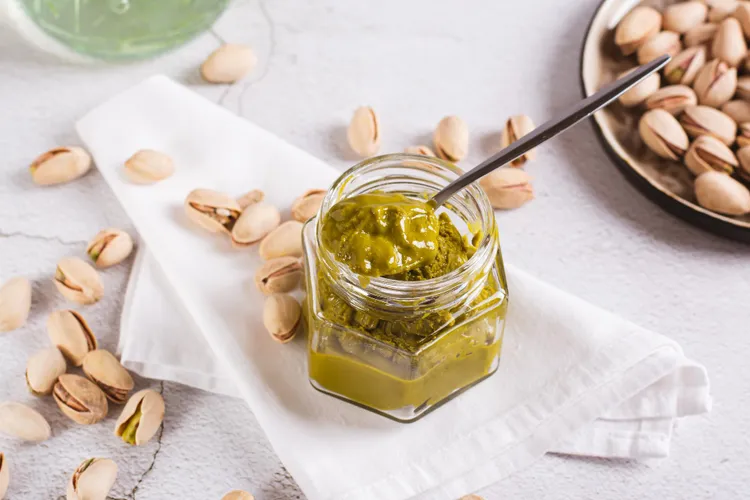
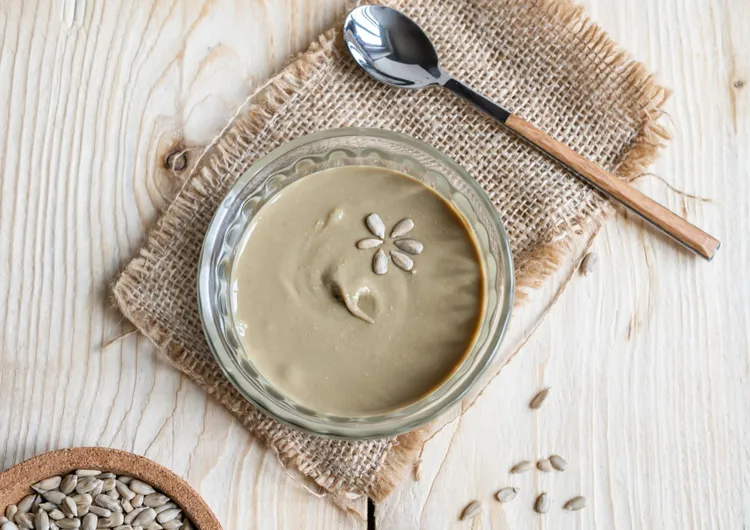
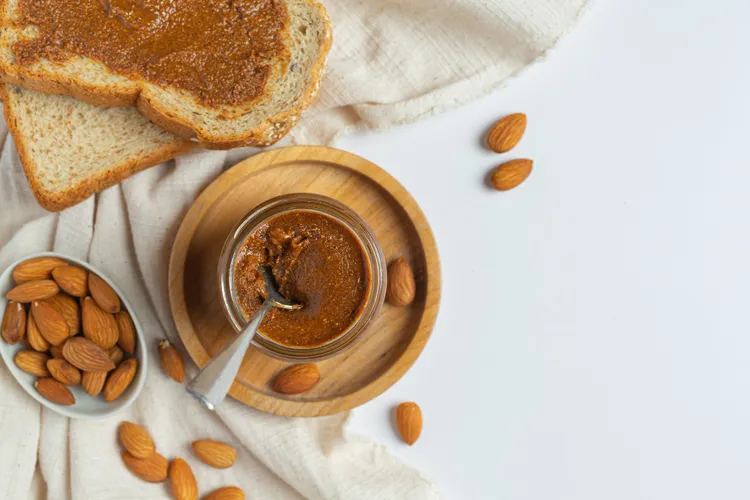
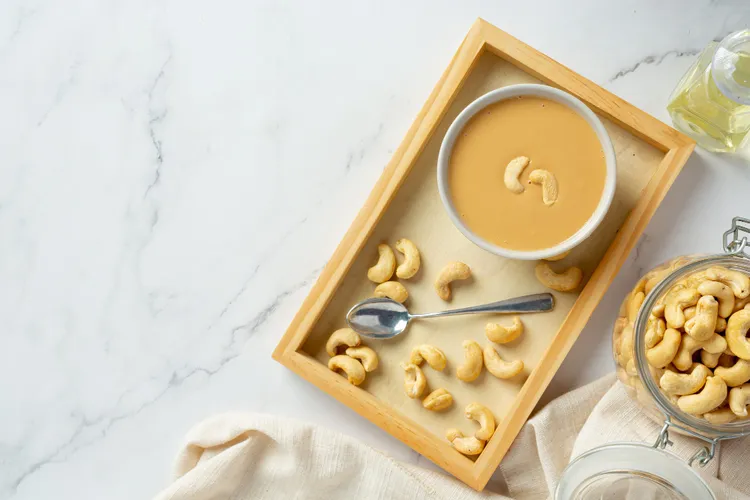
Not every nut butter keeps equally well. Cashew and pistachio butters, along with any batch with added honey or maple syrup, are on the shorter end of the range, closer to 3 weeks refrigerated. Peanut and almond butter, made without added sweeteners, tend to hold up slightly longer, closer to 4 weeks. Chocolate hazelnut spread, thanks to its sugar content, is the most shelf-stable of the group and can be kept at room temperature for about a week without issue, longer than any other recipe covered throughout this guide.
Why Oil Separation Happens
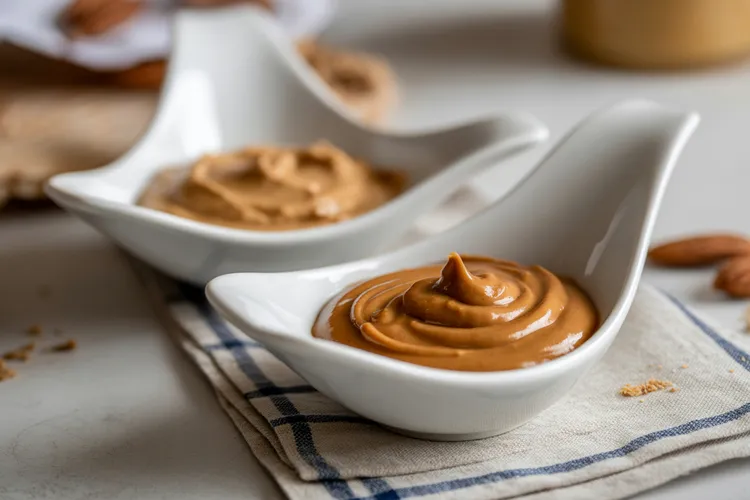
Commercial nut butter includes stabilizers, and often hydrogenated oil, specifically to prevent the natural oil from separating and rising to the top over time. Homemade nut butter has none of that, so a layer of oil pooling on top after a few days in the fridge is completely normal, not a sign of spoilage. A firm stir with a butter knife or small spoon before each use redistributes it evenly back through the jar, restoring the original consistency in just a few seconds of effort.
Signs of Actual Spoilage
Separation is completely normal and expected. These signs are not, and mean the batch should be discarded without hesitation:
- A sharp, distinctly unpleasant or sour smell, different from the nut butter's usual scent
- Any visible mold, which can appear as fuzzy spots in white, green, or black
- A notably bitter or "off" taste on a small test bite, distinct from the mild bitterness of a nut that was slightly over-roasted
- An unusually slimy or sticky texture change beyond normal oil separation
When in doubt, trust your nose - rancid nut oil has a distinct, unmistakable smell that's easy to identify once you've encountered it a single time, and it's not a smell most people forget once they've experienced it directly for themselves.
Why Rancidity Happens Faster in Homemade Batches
The natural, unsaturated fats in nuts and seeds are prone to oxidizing over time when exposed to air, light, and heat - a process that eventually turns them rancid and unpleasant to eat. Commercial nut butter slows this with preservatives and airtight, opaque packaging designed for long shelf storage. A homemade batch in a clear glass jar on the counter oxidizes considerably faster than one in an airtight container in a dark, cold fridge.
Best Storage Practices
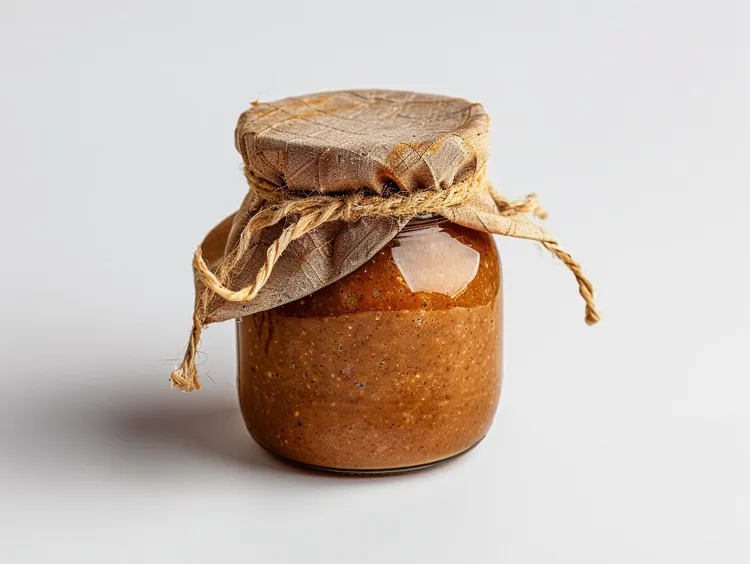
- Use a clean, airtight glass or plastic container, filled close to the top to minimize air exposure
- Refrigerate rather than counter-store for anything meant to last more than a week or two
- Keep out of direct sunlight, which accelerates oxidation even through a sealed jar
- Use a clean utensil each time rather than a used spoon, to avoid introducing bacteria or moisture
- Label the jar with the date it was made, since it's easy to lose track otherwise
Which Nuts Turn Rancid Fastest
Nuts with the highest oil content, like macadamias, pecans, and walnuts, tend to turn rancid faster than lower-fat nuts once ground into butter, since there's simply more oil available to oxidize. Of the nuts covered in this guide, pistachios are the most prone to a shortened shelf life for this reason - see our pistachio butter guide for specifics.
Container Choice Matters More Than It Seems
Glass jars are generally the better choice over plastic for nut butter storage, since glass doesn't absorb oil or odor over repeated uses the way some plastics can, and it's easier to visually check for any mold or color change through a clear glass container. If using plastic, choose a food-safe container specifically rated for oily foods, and replace it periodically if it starts to feel permanently oily or discolored no matter how well it's washed.
Why Filling the Jar Close to the Top Helps
Air trapped in the empty space above nut butter in a jar accelerates oxidation of the surface layer, which is part of why a jar filled closer to the top tends to stay fresher longer than the same amount of nut butter in a much larger, mostly-empty container. When transferring a batch to storage, choosing a jar sized close to the actual volume of the batch, rather than a much larger one with excess airspace, is a small step that meaningfully extends shelf life.
Does Added Salt Affect Shelf Life?
Salt has a mild preservative effect, similar to its role in other foods, meaning a well-salted batch may hold up marginally longer than a completely unsalted one, though the difference is small compared to the bigger factors of oil content, added moisture, and storage temperature. It's not a reason to over-salt a batch specifically for shelf life, just a minor bonus of seasoning it properly in the first place.
What Happens If You Eat a Slightly Rancid Batch
Rancid nut oil doesn't typically cause acute illness the way spoiled meat or dairy can, but it tastes distinctly unpleasant - bitter, sometimes described as tasting like old paint or crayons - and there's some research suggesting regularly consuming rancid fats isn't great for long-term health, even without an immediate safety concern. The practical takeaway is the same either way: if it smells or tastes off, it's not worth eating regardless of whether it poses an acute health risk.
Traveling With Homemade Nut Butter
Homemade nut butter, given its lack of preservatives, is more temperature-sensitive during travel than a commercial jar. For a day trip or picnic, a few hours at room temperature in a cooler bag poses little risk, but for longer travel without refrigeration, it's worth treating it more cautiously than a shelf-stable store-bought version and either keeping it consistently chilled or limiting how long it sits unrefrigerated.
Does Adding Sweetener Change Storage Time?
Batches with added honey or maple syrup generally have a slightly shorter reliable shelf life than a plain, unsweetened batch, since the added moisture from a liquid sweetener creates marginally more opportunity for bacterial growth over time compared to a dry, oil-based mixture alone. This isn't a dramatic difference - still safely within the 3 to 4 week refrigerated window for most batches - but it's part of why sweetened batches are worth watching a little more closely toward the end of that window.
Labeling Multiple Batches
If making more than one nut butter at a time, labeling each jar with both the nut type and the date made helps avoid confusion later, particularly since several of the nut butters in this guide look fairly similar in color and consistency once jarred, especially cashew and almond butter side by side.
Reviving a Batch That's Firmed Up Too Much
A batch that's become quite stiff after extended refrigeration, particularly chocolate hazelnut spread or any batch with added cocoa, can be softened by letting it sit at room temperature for 15 to 20 minutes before using, or by microwaving in short 10-second bursts, stirring between each, until it loosens back to a spreadable consistency.
Storing Multiple Flavored Variations
If keeping several different flavored batches in the fridge at once, storing them in visually distinct containers or clearly labeled jars helps avoid mix-ups, particularly between batches that look similar in color, like plain almond butter and a lightly flavored honey cinnamon version.
Why Some People Store Nut Butter in the Pantry Anyway
A minority of people prefer counter-stored nut butter specifically for the softer, more easily spreadable texture, accepting a shorter usable window in exchange. If choosing this route, keeping the batch small enough to finish within 1 to 2 weeks, storing it away from direct sunlight or a warm stove, and checking more frequently for any of the spoilage signs described above are reasonable ways to manage the added risk that comes with skipping refrigeration.
A Simple Weekly Check-In Habit
For anyone keeping nut butter in regular rotation, a quick glance and sniff each time a jar is opened, rather than only checking closely near the expected end of its shelf life, catches any early signs of spoilage sooner and becomes second nature after a few batches. This takes only a few seconds and is a far more reliable habit than trying to remember an exact date weeks after a batch was made.
Freezing for Longer Storage
Freezing is especially worth considering for a pricier batch like pistachio or a large double batch of any nut, where extending shelf life meaningfully protects the investment already made in the ingredients.
If a batch won't be used within a month, freezing is a reasonable option and extends shelf life to 3 to 4 months without a major flavor change. Portion it into smaller containers before freezing if you don't plan to use the whole batch at once right away, since repeated thawing and refreezing accelerates both oil separation and oxidation noticeably.
A Simple Storage Checklist
Before putting a fresh batch away, running through a short checklist helps ensure it stores as well as possible: cool the batch fully before sealing the jar, choose a container sized close to the actual batch volume, label it with the date, and place it toward the back of the fridge rather than the door, where temperature fluctuates more with each opening.
Why the Back of the Fridge Matters
Refrigerator doors experience more frequent temperature swings than the interior shelves, simply from being opened and closed throughout the day, which can accelerate oxidation slightly compared to a more consistently cold spot further back. This is a small factor compared to overall refrigeration versus room temperature, but it's an easy adjustment for anyone looking to squeeze a bit more shelf life out of a batch nearing the end of its expected window.
Trusting Your Senses
More than any specific number of days or weeks, a quick sniff and taste before use remains the most reliable single check available, since it accounts for variables like exact kitchen temperature and specific ingredients that any general timeline can only approximate. Trust that check over a calendar date every time the two seem to disagree.
Building Good Habits Around a Regular Rotation
For anyone making nut butter often enough to always have a jar or two in the fridge, a simple rule of thumb - finish or freeze anything past the three-week mark rather than letting it linger indefinitely - keeps storage genuinely simple without needing to track exact dates for every individual batch, and it avoids the situation of finding several half-used jars of uncertain age at the back of the fridge months later, each one requiring its own separate freshness check before use.
For the full method across every nut and seed butter in this guide, see the complete nut butter guide, which links out to every individual recipe this storage guidance applies to, along with roasting and troubleshooting details for each one specifically, and equipment recommendations for anyone just getting started.
Nuts are common allergens. Always check ingredient labels for potential allergens and cross-contamination. If you have a nut allergy, avoid handling or consuming nuts and nut-based products, including homemade nut butter.
Latest