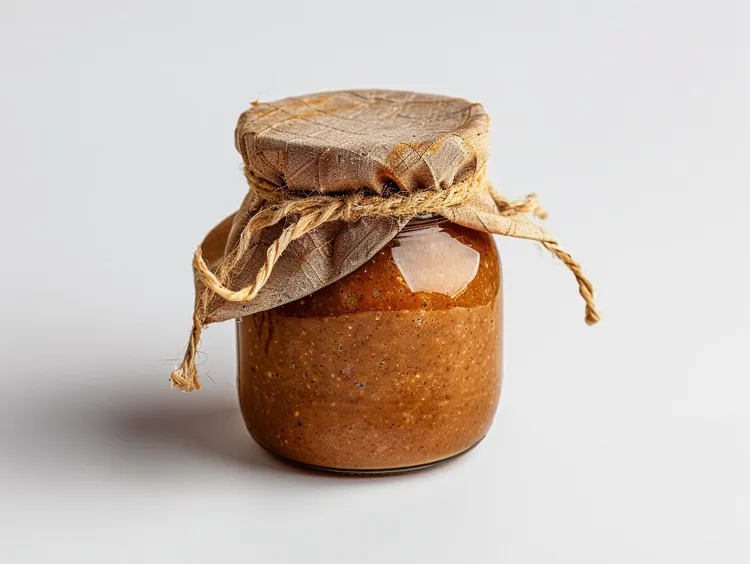
Homemade Pistachio Butter
A vivid green, delicately sweet pistachio butter recipe, plus tips on cost, roasting gently to preserve color, and what to use it on.
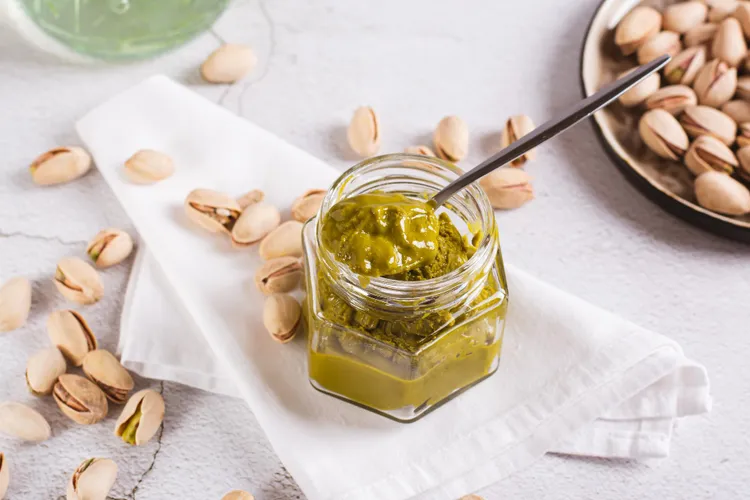
Pistachio butter isn't something most people think to make at home, mostly because shelled pistachios cost more than other nuts on this list. But the payoff is a vivid green, delicately sweet spread that doesn't taste like anything you'll find pre-made on a regular grocery shelf.
Homemade Pistachio Butter
Prep time: 15 minutes (includes shelling) | Blend time: 10 to 14 minutes | Makes: about 1 cup
Ingredients
- 2 cups shelled, raw pistachios (unsalted)
- 1/4 tsp salt, or to taste
- 1 tbsp honey or maple syrup (optional)
- 1 to 2 tbsp neutral oil (optional, only if needed)
Instructions
- If starting with unshelled pistachios, shell them first - buy pre-shelled to save real time, since shelling by hand for a full batch takes 15 to 20 minutes on its own.
- Preheat the oven to 300F. Spread the shelled pistachios on a rimmed baking sheet and roast for 8 to 10 minutes, until fragrant. Roast gently here - pistachios can turn bitter if pushed too far, and their green color fades noticeably with heavier roasting.
- Let cool for 10 minutes, then add to a food processor. Process continuously, scraping down the sides every 2 to 3 minutes.
- Pistachios move slower than cashews but comparably to almonds - expect a meal stage, an extended clump stage, and finally a smooth butter around minute 10 to 14.
- Add salt and any optional sweetener once smooth, blending for another 30 seconds to combine.
- If still grainy past 14 minutes, add oil a tablespoon at a time. See our troubleshooting guide for more.
- Transfer to an airtight jar and refrigerate.
Notes
Buying pre-shelled pistachios costs somewhat more per pound but saves real prep time, and is worth it unless you specifically enjoy the shelling process or already have shelled pistachios on hand.
Why the Color Matters (and Fades)
Raw or lightly roasted pistachios keep their signature bright green color, which comes from chlorophyll and lutein naturally present in the nut. Heavier roasting, past about 10 to 12 minutes at 300F, browns the nut and dulls that green considerably. If the color is part of why you're making this, keep roasting time on the shorter end and watch closely rather than roasting on autopilot.
Cost Considerations
Shelled pistachios typically run noticeably higher per pound than almonds, cashews, or peanuts, which is the main reason pistachio butter isn't more common. A half batch (1 cup pistachios) is a reasonable way to try it before committing to a full-size batch, especially the first time.
Flavor Profile
Pistachio butter reads sweeter and more delicate than almond or peanut butter, with a slightly herbal, less assertively nutty flavor. It pairs particularly well with citrus, honey, and dessert applications - think swirled into yogurt, drizzled over fruit, or used as a filling in baked goods - more than as an everyday toast spread, though it works there too.
Common Mistakes
Over-roasting is the most common issue specific to pistachios, both because it dulls the color and because pistachios have a narrower flavor window before roasted notes start to taste slightly bitter rather than nutty. Stick to 8 to 10 minutes at 300F and check at the lower end first.
A second mistake is expecting cashew-butter speed. Pistachios are lower in fat than cashews and take a comparable amount of time to almonds - rushing to add oil before minute 10 usually isn't necessary.
Salted vs Unsalted Pistachios
Always start with unsalted pistachios for this recipe. Salted pistachios, especially the heavily salted varieties sold for snacking, concentrate that salt considerably once ground down into a smaller volume of butter, making it very difficult to control the final seasoning level. Starting unsalted and adding salt yourself in small amounts gives a far more reliable, tastable result.
The Shelling Question
Shelling pistachios by hand for a full 2-cup batch takes real time, generally 15 to 20 minutes for someone working at an average pace, and is worth factoring into total prep time if starting from unshelled pistachios. Pre-shelled raw pistachios cost more per pound but save that entire step, and for a recipe already running on the higher end of total cost, most people find the convenience worth the price difference.
Why Pistachio Butter Feels Different in the Mouth
Pistachios have a slightly different fat composition than almonds or cashews, higher in certain unsaturated fats, which gives finished pistachio butter a noticeably lighter, less heavy mouthfeel than almond butter of a similar consistency. This is part of why it works so well in delicate applications like a yogurt swirl or a light drizzle over fruit, where a heavier nut butter might feel like too much.
Making a Half Batch
Given the cost of pistachios, a half batch (1 cup pistachios) is a genuinely reasonable way to try this recipe before committing to a full 2-cup version. Blend time shortens proportionally, generally landing around 7 to 10 minutes rather than the full recipe's 10 to 14, though a smaller volume can be slightly harder for some processors to fully circulate - more frequent scraping down helps compensate.
Combining With Other Nuts to Manage Cost
Blending pistachios with a milder, cheaper nut like cashew is a practical way to get real pistachio flavor and some green color without the full cost of an all-pistachio batch. A roughly 1:1 ratio of pistachios to cashews keeps a noticeable pistachio presence while meaningfully reducing the overall cost - see our mixed nut butter guide for more on this kind of combination.
Where to Find Shelled Pistachios
Shelled raw pistachios are less common on standard grocery shelves than shelled almonds or cashews, and are more reliably found at Middle Eastern or specialty grocery stores, well-stocked bulk bins, or online. Roasted, salted pistachios in the snack aisle are the wrong starting point for this recipe - always look specifically for raw, unsalted, shelled pistachios.
Pistachio Butter as a Gift
Given its striking color and less common status compared to peanut or almond butter, a small jar of homemade pistachio butter makes a distinctive homemade gift, particularly around holidays when a batch of something less expected stands out more than a jar of peanut butter would. Small 4-ounce jars, easy to find at most kitchen or craft stores, are a good size for this purpose.
Regional Pistachio Varieties
Iranian and California-grown pistachios are the two most common varieties available in the US, with subtle differences in size, sweetness, and shell color, though both work equally well for this recipe once shelled. California pistachios tend to be slightly larger and more widely available in mainstream grocery stores; Iranian pistachios are often prized for a slightly sweeter flavor and are more common in specialty Middle Eastern markets.
A Note on Pistachio Freshness
Pistachios, more than some other nuts in this guide, are noticeably better when fresh - their delicate flavor fades and can turn slightly stale-tasting faster than a hardier nut like almonds if stored for a long time before use. Buying pistachios closer to when you plan to actually make this recipe, rather than stocking up far in advance, makes a real difference in the final flavor.
Storage
Pistachio butter keeps about 3 weeks refrigerated, on the shorter end of the range for nut butters in this guide, since pistachios' natural oils are slightly more prone to turning rancid than cashews or peanuts. See our storage guide for signs to watch for.
What to Use It On
Beyond spreading it directly, pistachio butter works well swirled into plain yogurt with honey, thinned slightly and drizzled over roasted fruit, or used as a filling between layers of a simple cake. See our full uses guide for more application ideas across the whole nut butter family.
Pistachio Butter in Middle Eastern and Mediterranean Cooking
Pistachios show up widely across Middle Eastern and Mediterranean desserts and pastries, and a smooth pistachio butter is a natural extension of that tradition, usable as a filling or topping in the same spirit as ground pistachios are traditionally used in baklava or other pastries, just in a more spreadable, versatile form.
Pairing Pistachio Butter With Other Ingredients
Beyond the specific applications mentioned already, pistachio butter pairs particularly well with rosewater, cardamom, and orange blossom water in small amounts, echoing flavor combinations common in Middle Eastern desserts, if a more traditionally-inspired direction is the goal rather than a straightforward spread.
Why This Recipe Makes a Smaller Batch Than Others
This recipe intentionally uses the same 2-cup base as other recipes in this guide rather than scaling down further, since pistachio butter's cost is already factored into the decision to make it in the first place - anyone put off by the price of a full batch is generally better served trying the half-batch option described above than assuming a smaller default recipe exists specifically for cost reasons.
Pistachio Butter for a Special Occasion
Given its cost and distinctive look, pistachio butter tends to suit special-occasion baking or entertaining more naturally than everyday use - a holiday dessert, a dinner party cheese board, or a homemade gift are all contexts where its higher cost and more striking presentation genuinely pay off, compared to treating it as a routine toast spread the way peanut or almond butter more commonly are.
Whether Pistachio Butter Is Worth Making
Given the cost and extra care roasting requires, pistachio butter is one of the more considered choices in this guide rather than an obvious default - but for anyone who already enjoys pistachios as a snack, the payoff of a smooth, spreadable version with that same distinct flavor and color is genuinely worth the extra investment at least once. It's also one of the few nut butters in this collection that reads as a genuinely special, distinctive homemade product rather than simply a cheaper version of something already familiar from the store.
Trying It Mixed
Even a small amount of pistachio blended into a larger batch of a cheaper nut noticeably shifts the final color and flavor, which is often enough to capture what makes pistachio butter distinctive without the full cost of an all-pistachio batch, making it a genuinely reasonable compromise for anyone drawn to the flavor but hesitant about the price of a full batch on its own.
Pistachio pairs particularly well combined with a milder nut like cashew, which mellows the cost slightly while still delivering distinct pistachio flavor and some green color. See our mixed nut butter guide for combination ratios.
A Simple Way to Judge Whether It's Worth the Splurge
If pistachios are already a regular snack in the house, the ingredient cost is already something the budget accounts for, which makes turning a portion of that regular purchase into butter a low-risk way to try this recipe without a large new expense specifically for the project. For anyone who doesn't already buy pistachios regularly, the half-batch version described earlier is the more sensible first test before committing to a full 2-cup batch and its associated cost.
For the complete roadmap, see the complete nut butter guide, which covers every other nut and seed butter recipe in far greater detail, plus the shared troubleshooting and equipment guidance that applies to this recipe just as much as any other, from roasting temperatures through what to do if a batch is stubbornly slow to smooth out, and where to source shelled pistachios if they're not readily available locally, whether that means a specialty grocer, a well-stocked bulk bin, or an online retailer.
Nuts are common allergens. Always check ingredient labels for potential allergens and cross-contamination. If you have a nut allergy, avoid handling or consuming nuts and nut-based products, including homemade nut butter.
Latest