Peanut Butter vs Almond Butter: Taste, Cost, and Texture
A direct comparison of peanut butter and almond butter - flavor, cost, blend time, nutrition, and which fits which recipes best.
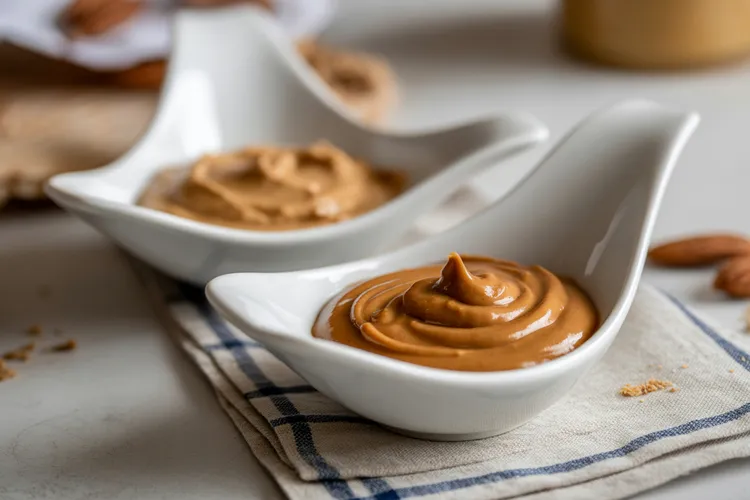
Peanut butter and almond butter are the two most common nut butters in most kitchens, and the choice between them usually comes down to flavor preference, cost, and how they behave in specific recipes, more than any dramatic nutritional gap between the two.
Flavor
Peanut butter has a stronger, more assertively roasted, slightly sweeter flavor that most people who grew up eating it consider the default "nut butter" taste. Almond butter is milder and less sweet, with a more subtle nuttiness that reads as more sophisticated to some palates and noticeably blander to others, depending entirely on what someone's used to eating growing up. Neither is objectively better - it's a genuine preference split, and a large part of why peanut butter remains more popular in everyday use.
Cost
Peanuts are consistently cheaper than almonds, both raw and roasted, which carries through directly into the total cost of making butter from either one at home. A homemade batch of peanut butter typically runs noticeably less per jar than the same size batch of almond butter, and that gap holds true for store-bought jars as well. See our full cost breakdown for specific numbers and a much deeper comparison.
Texture and Blend Time
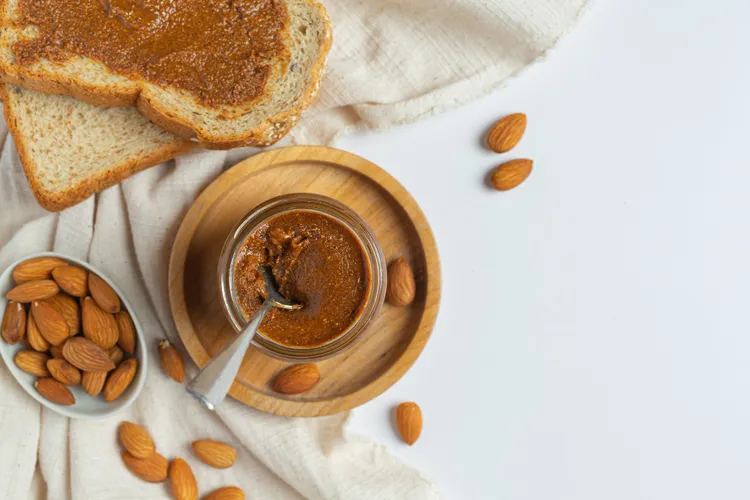
Peanuts are higher in natural fat than almonds and blend into a smooth butter noticeably faster, typically in 6 to 10 minutes compared to almond butter's 10 to 15 minutes. This isn't a flavor difference, but it does mean peanut butter is the more forgiving, quicker option for a first-time nut butter attempt. See our peanut butter guide and almond butter guide for the specific methods.
Nutrition, in Broad Strokes
Both are legitimately solid sources of healthy fat and plant protein, and the differences between them are smaller than marketing sometimes suggests. Almond butter tends to run slightly higher in vitamin E, magnesium, and fiber per serving, while peanut butter tends to run slightly higher in protein per serving. Neither difference is large enough to be the deciding factor for most people choosing between the two day to day - overall diet pattern matters far more than which of these two spreads someone chooses.
Allergies
This is the one area with a genuinely important, non-negotiable distinction: peanuts are legumes, not tree nuts, and peanut and tree nut allergies are medically distinct, though many people are allergic to both. Someone with a peanut allergy cannot assume almond butter is automatically safe, and vice versa - always defer to an individual's specific allergist guidance rather than general assumptions about the two categories.
Which Recipes Favor Which
Peanut butter's stronger, more distinct flavor holds up noticeably better in savory applications like satay-style sauces, where its assertiveness is genuinely the whole point. Almond butter's milder flavor makes it a better fit for recipes where the nut butter is meant to support other flavors rather than dominate them - certain baked goods, lighter smoothies, or dishes where a strong peanut flavor would compete unnecessarily with other ingredients.
Which to Choose for a First Batch
Peanut butter is the more forgiving starting point given its faster blend time and lower cost if the first attempt doesn't go perfectly. Almond butter is worth trying once the basic technique feels comfortable, since its longer blend time makes early troubleshooting (assuming something's wrong at the clump stage, for instance) more likely for a first-timer.
Environmental and Sourcing Considerations
Almonds require significantly more water to grow than peanuts, a factor that's become a more visible part of the conversation around almond products generally, including almond butter and almond milk. Peanuts, as a legume, actually improve soil nitrogen levels when grown in rotation with other crops, which some people weigh as a small point in peanut's favor when choosing between the two for reasons beyond taste and cost alone. Neither factor should override personal taste preference or dietary need, but it's a consideration some people specifically look into.
Kid-Friendliness in Practice
Peanut butter's stronger, sweeter, more familiar flavor tends to be the easier sell for picky younger eaters, which is part of why it remains the default choice in most households with kids, independent of any allergy considerations. Almond butter's milder flavor sometimes takes more getting used to for a child accustomed to peanut butter's more distinct taste, though this varies genuinely child to child.
Shelf Life Comparison
Both keep for a comparable 3 to 4 weeks refrigerated when homemade, though almond butter's longer blend time and slightly lower overall oil content can make it marginally more prone to visible separation over that period compared to peanut butter. Neither difference is large enough to be a deciding factor on its own - see our storage guide for the fuller picture across every nut butter in this guide.
Price Volatility
Peanut prices tend to be more stable year to year than almond prices, which can fluctuate more with weather conditions in almond-growing regions, since almond production is more geographically concentrated than peanut farming. This means the cost gap between the two, while consistently favoring peanut butter, can widen or narrow somewhat depending on a given year's growing conditions.
Protein Content in Practical Terms
Per two-tablespoon serving, peanut butter generally provides slightly more protein than almond butter, though the difference (roughly 1 to 2 grams) is small enough that it rarely matters much for someone eating a varied diet overall. For someone specifically tracking protein intake closely, such as in a structured training program, the difference can add up marginally across a day, but it's a minor factor compared to overall dietary protein sources.
Texture on the Tongue
Beyond ingredient-level texture differences covered elsewhere in this guide, peanut butter tends to feel slightly heavier and more coating in the mouth, while almond butter, especially a well-blended batch, often feels a touch lighter and less dense overall, even at a genuinely similar thickness side by side. This is a subtle distinction most people notice more when tasting the two directly side by side than when eating either one entirely on its own.
Regional and Cultural Popularity
Peanut butter holds a particularly dominant, almost default position in American home cooking and childhood food culture specifically, more so than in many other countries where it's a less universal pantry staple. Almond butter has grown considerably in popularity over the past couple of decades, often positioned as a specialty or premium alternative rather than the default, which partly explains the price gap between the two beyond ingredient cost alone.
How Each Behaves in a Sandwich
Peanut butter's thicker, stickier consistency holds up well in a classic sandwich, particularly paired with jelly or banana, where its density helps it stay put between two slices of bread without soaking through the crust. Almond butter, especially a well-blended, looser batch, can behave a bit more like a thinner spread and occasionally soak into softer breads slightly faster than peanut butter would, which is worth knowing if sandwich-making is the main intended use for whichever nut butter ends up in the fridge.
Cooking Applications Beyond Spreading
In hot applications like a warm sauce or a baked good, peanut butter's stronger flavor tends to survive the addition of other strong flavors - chili, garlic, ginger - noticeably better than almond butter's milder profile does, which is part of why peanut butter dominates savory Southeast Asian-inspired sauces specifically, while almond butter is more often reserved for applications where it's meant to blend in quietly rather than stand out on its own.
Which One Pairs Better With Chocolate
Both pair well with chocolate, but in slightly different ways - peanut butter's saltier, more savory-leaning profile creates the classic sweet-and-salty contrast familiar from many candy and dessert pairings, while almond butter's milder sweetness blends more seamlessly into a dessert without creating nearly as much contrast, often reading as a more subtle, refined pairing rather than a bold, attention-grabbing one that competes with the chocolate itself.
Which Is Better for Weight Management Goals
Neither is meaningfully better than the other for general weight management purposes - both are calorie-dense, healthy-fat foods best thought of in reasonable portions rather than a food to restrict or specifically favor based on small nutritional differences between the two. Overall dietary pattern and portion size matter far more than the specific choice between peanut and almond butter for anyone pursuing a weight-related goal.
A Simple Decision Framework
If cost and speed of making a batch matter most, peanut butter is the clear choice. If a milder flavor or a specific dietary preference around peanuts specifically is the priority, almond butter fits better. If neither factor is decisive, personal taste preference, tested directly rather than reasoned about in the abstract, is genuinely the best tiebreaker.
Trying Both Before Committing
For anyone genuinely undecided, making a small batch of each - a half recipe of peanut butter and a half recipe of almond butter - is a low-cost, low-effort way to compare them directly rather than relying on general descriptions alone. Taste preference for something this personal is hard to predict accurately from a written comparison, however detailed.
Can They Be Combined?
Yes - a roughly equal blend of peanuts and almonds produces a nut butter with a flavor and cost profile that lands between the two, and it's a reasonable way to try both in one batch rather than committing fully to either. See our mixed nut butter guide for ratio guidance.
What This Comparison Doesn't Settle
No comparison of this kind can fully settle a decision that ultimately comes down to individual taste, budget, and how a nut butter will actually be used in a specific household's cooking. What this guide can offer is a clear-eyed look at the real differences that exist, rather than marketing claims from either side, so the choice comes down to genuine preference rather than assumptions about one being objectively superior to the other.
Revisiting the Choice Over Time
Preferences here aren't fixed - someone who's always defaulted to peanut butter might find, after actually trying a well-made batch of homemade almond butter, that the milder flavor suits certain uses better than expected, and vice versa. Revisiting this comparison after trying both recipes directly, rather than deciding based on description alone, often changes the answer for at least some applications.
A Note for Households With Both Allergy and Preference Considerations
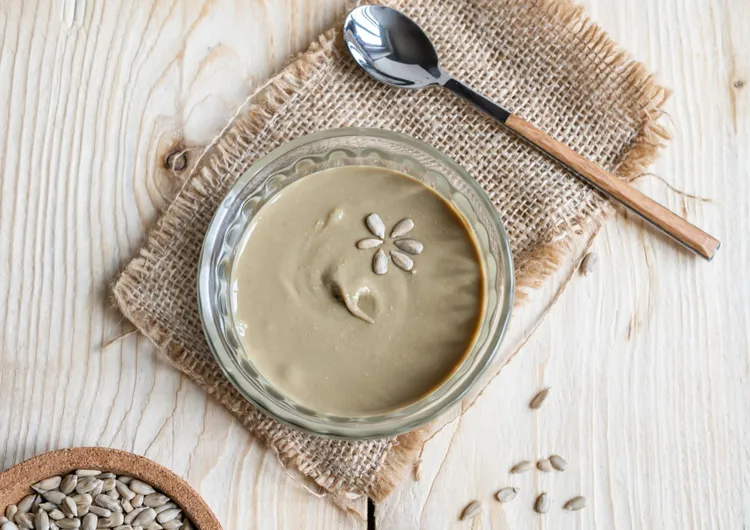
For a household managing a peanut allergy that still wants a familiar, everyday nut butter, almond butter is often the natural landing spot given its similarity in everyday use, assuming no tree nut allergy is also a factor. For a household managing both peanut and tree nut allergies, neither option in this comparison is appropriate, and our sunflower seed butter recipe is the safer starting point instead, offering a comparably versatile spread without either allergen present, and one that works as a direct swap in most recipes that call for either.
Neither peanut nor almond butter needs to "win" this comparison outright - understanding the real, practical differences between them is what actually helps in the moment a specific recipe or craving calls for one over the other, which is a more useful outcome than crowning an overall favorite. Both belong in a well-stocked kitchen for exactly the reasons laid out above, each covering ground the other doesn't quite reach as well.
Where to Go From Here
Having weighed the tradeoffs, the most useful next step is simply making a batch of whichever one feels like the better fit and judging the result directly - see our peanut butter recipe or almond butter recipe to get started. Either recipe takes well under half an hour from start to finish, making this an easy comparison to settle firsthand rather than relying on description alone, and there's nothing stopping anyone from simply making both and keeping them side by side in the fridge for a genuinely direct, ongoing comparison over the following weeks.
For the complete roadmap across every nut and seed butter in this guide, see the complete nut butter guide.
Nuts are common allergens. Always check ingredient labels for potential allergens and cross-contamination. If you have a nut allergy, avoid handling or consuming nuts and nut-based products, including homemade nut butter.
Latest