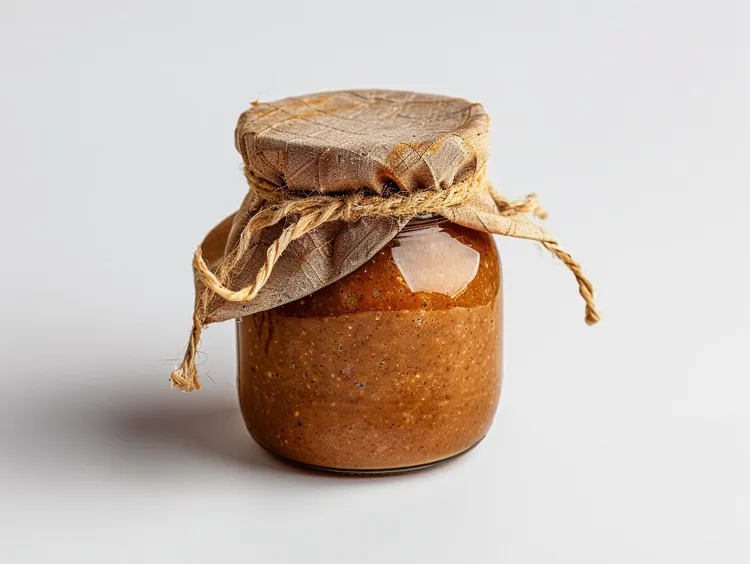
Sunflower Seed Butter (Nut-Free Alternative)
A nut-free sunflower seed butter recipe that works as a direct substitute for peanut or almond butter, including why it sometimes turns green.
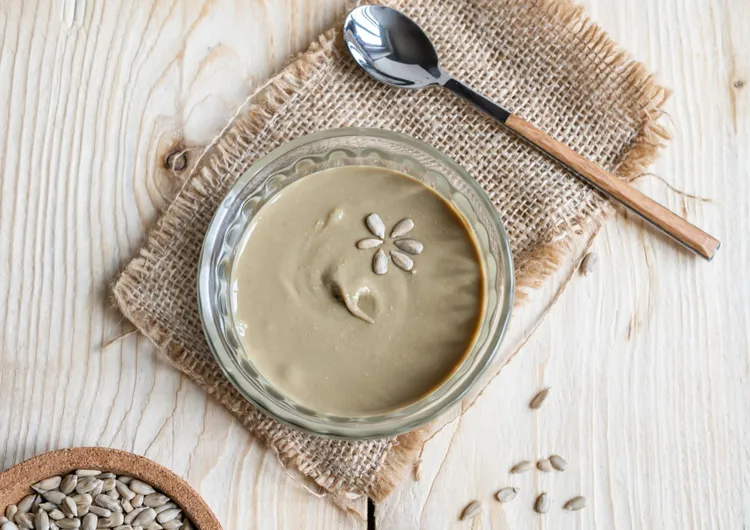
Sunflower seed butter is the nut-free option in this guide, made entirely from sunflower seeds rather than tree nuts or peanuts. It's a genuine one-to-one swap in most recipes that call for peanut or almond butter, and it's become the default choice for school lunches and anywhere nut allergies are a real concern.
Sunflower Seed Butter
Prep time: 5 minutes | Blend time: 8 to 12 minutes | Makes: about 1.5 cups
Ingredients
- 2 cups raw, hulled sunflower seeds
- 1/2 tsp salt, or to taste
- 1 tbsp honey or maple syrup (optional)
- 1 to 2 tbsp neutral oil (optional, only if needed)
Instructions
- Preheat the oven to 325F. Spread the sunflower seeds on a rimmed baking sheet and roast for 10 to 12 minutes, stirring once, until fragrant and lightly golden. Let cool for 10 minutes.
- Add the cooled seeds to a food processor. Process continuously, scraping down the sides every 2 to 3 minutes.
- Sunflower seeds move through the same meal, clump, and smooth-butter stages as tree nuts, typically finishing around minute 8 to 12.
- Add salt and any optional sweetener once smooth, blending another 30 seconds to combine.
- If still thick or grainy past 12 minutes, add oil a tablespoon at a time. See our troubleshooting guide for more.
- Transfer to an airtight jar and refrigerate.
Notes
Sunflower seed butter sometimes develops a green-tinged color after a day or two in the fridge, especially if any baking soda touches it or if it's stored near acidic ingredients. This is a harmless chemical reaction between chlorophyll compounds in the seed and any alkaline exposure, not spoilage - it doesn't affect flavor or safety.
Why It's the Standard Nut-Free Option
Sunflower seeds are botanically unrelated to tree nuts and peanuts, which makes sunflower seed butter one of the few spreads considered genuinely safe for most tree nut and peanut allergies (always check with an allergist for a specific individual's case, since seed allergies exist too). Its flavor and texture land close enough to peanut butter that most recipes barely need adjustment when swapping it in.
Flavor Differences from Peanut Butter
Sunflower seed butter has an earthier, slightly more bitter edge than peanut butter, especially in the first few bites, though this mellows considerably with a bit of salt and a touch of sweetener. It's also naturally a bit thinner and less sweet on its own than roasted peanuts, so many people add slightly more honey or maple syrup than they would to peanut butter to land on a comparable flavor.
The Green Color Explained
This is worth calling out clearly since it surprises people the first time it happens: sunflower seed butter can turn green or olive-colored after sitting in the fridge for a day or two, particularly in recipes that also include baking soda (like cookies made with it) or when stored in a container that previously held something alkaline. It's a reaction between chlorogenic acid in the seeds and chlorophyll, triggered by heat or alkaline exposure, and it's completely safe to eat - just not the most appetizing to look at.
Common Mistakes
Under-roasting is the most common issue, since raw sunflower seeds have a fairly mild, slightly grassy flavor on their own. A full 10 to 12 minutes of roasting makes a real difference in the final flavor, more so than with some tree nuts.
A second mistake is expecting store-bought sunflower seed butter's typical sweetness without adding any sweetener - most commercial versions include added sugar, so an unsweetened homemade batch will taste noticeably more savory and less sweet by comparison.
Choosing Sunflower Seeds
Raw, hulled sunflower seeds (sometimes labeled "sunflower kernels") are what this recipe calls for, not seeds still in their shells and not pre-roasted, pre-salted snacking seeds. Raw hulled seeds are typically sold in the baking or bulk section rather than the snack aisle, and they roast and blend far more predictably than starting from a salted snack product.
Why Sunflower Seed Butter Sometimes Tastes Bitter
A mild bitterness in sunflower seed butter, distinct from the sharper bitterness of burnt nuts, is somewhat natural to the seed itself and becomes more noticeable the less roasted and less sweetened a batch is. This isn't a sign anything went wrong - it's simply more of the seed's natural flavor profile than most people expect on a first try, especially coming from peanut or almond butter. A bit more salt and a touch of sweetener goes further here than with most other recipes in this guide toward balancing that bitterness out.
School and Allergy-Safe Considerations
Because sunflower seed butter has become the standard nut-free substitute in many schools and childcare settings, it's worth knowing that "nut-free" facilities specifically avoiding tree nuts and peanuts generally consider sunflower seed butter acceptable, though cross-contamination risk during manufacturing (for store-bought versions) or shared equipment (for homemade, if the same food processor also makes peanut or almond butter) is a separate consideration worth thinking through for anyone managing a severe allergy.
Using a Dedicated Processor Bowl
If nut-free status matters for a specific household member, consider using a separate food processor bowl (many models sell replacement bowls separately) exclusively for sunflower seed butter and other nut-free preparations, rather than the same bowl used for peanut or almond butter, to minimize any risk of cross-contact.
Scaling the Recipe
This recipe scales up cleanly to 4 cups of seeds in a larger processor, with blend time increasing modestly, generally by 3 to 5 minutes over the base recipe. Sunflower seeds circulate well even in a fairly full processor bowl, making this one of the more forgiving nuts or seeds in this guide to scale up without needing to adjust technique.
Sunflower Seed Butter for Baking
Sunflower seed butter substitutes reasonably well for peanut or almond butter in most baked goods, though it's worth watching for the same green color reaction mentioned above if the recipe includes baking soda - the color shift doesn't affect taste or safety, but it can be a surprise the first time a batch of cookies turns out faintly green-tinged rather than the expected golden brown.
Comparing Sunflower Seed Butter Brands (For Context)
Store-bought sunflower seed butter varies more in sweetness and salt level between brands than peanut or almond butter tends to, since it's a less standardized product overall. Making it at home sidesteps that inconsistency entirely and lets you land on a flavor profile that matches personal preference rather than whatever a specific brand happened to formulate.
A Note on Cost
Sunflower seeds are among the least expensive raw ingredients in this entire guide, generally cheaper per pound than any of the tree nuts covered elsewhere, which makes this recipe a genuinely economical choice even setting aside the nut-free angle entirely.
Sunflower Seeds and Iron
Sunflower seeds are a reasonably good source of iron and vitamin E relative to their calorie count, which is sometimes cited as a nutritional upside specific to this particular seed butter compared to some tree nuts. As with any single food, this is worth keeping in perspective as one part of an overall diet rather than a reason to significantly change eating habits on its own, and it's a modest bonus rather than the main reason to make this recipe.
Storage
Sunflower seed butter keeps about 3 to 4 weeks refrigerated, similar to most nut butters in this guide. See our storage guide for more on telling normal color or texture changes apart from actual spoilage.
What to Use It On
Sunflower seed butter works as a direct substitute anywhere peanut or almond butter is called for - stirred into oatmeal, spread on toast, or blended into a smoothie in place of peanut butter for a nut-free version of a peanut butter spinach smoothie. See our full uses guide for more ideas.
Sunflower Seeds and Sustainability
Sunflower seeds generally require less water and fewer resources to grow than many tree nuts, which is sometimes cited alongside allergy-safety and cost as an additional reason people choose sunflower seed butter over tree nut alternatives, particularly for larger-scale or more frequent use in a household, and it's a factor worth mentioning for anyone weighing these choices with an eye toward broader resource use as well as flavor and cost.
Explaining the Swap to Kids
For a household transitioning to sunflower seed butter specifically because of a school or classroom nut-free policy, it can help to explain the swap to a kid directly - that it's the same idea as peanut butter, just made from a seed instead of a nut, and that the taste is a little different but works the same way on a sandwich or with crackers. Framing it as a genuine alternative rather than a lesser substitute tends to help with acceptance, especially for kids used to peanut butter's flavor.
Where This Recipe Fits in a Broader Nut-Free Kitchen
For a household managing a nut allergy seriously, sunflower seed butter is often just one part of a broader set of substitutions across a kitchen - alongside seed-based snacks, nut-free granola, and careful label-reading on packaged foods. This recipe is a genuinely solid piece of that larger picture, offering a homemade version of one of the most commonly needed substitutions rather than relying solely on store-bought nut-free products, which can vary widely in quality and price.
This Recipe's Role
Even outside of allergy considerations, sunflower seed butter is worth trying purely on its own merits - it's the cheapest recipe in this entire guide, blends reliably, and offers a genuinely distinct flavor from the more familiar tree nut options, making it a worthwhile addition to a nut butter rotation for reasons well beyond being a substitute. Its short ingredient list and quick prep time also make it one of the more approachable recipes in this guide for a genuinely first-time nut or seed butter attempt.
Buying in Bulk
Given how inexpensive sunflower seeds already are, buying them in a larger bulk bag rather than a small pre-packaged container makes an already budget-friendly recipe even more so, and since seeds store well in the freezer, stocking up doesn't come with much downside risk of the ingredients going bad before they're used. A large bag split into smaller freezer portions keeps a steady supply on hand for regular batches without any waste, and it's a habit worth building for anyone who ends up making this recipe more than once.
Nut-Free Baking
Its consistency and moderate fat content make it a dependable stand-in across most baking applications that call for a nut butter, without needing to adjust liquid or fat amounts elsewhere in the recipe.
It's also a reliable swap in baked goods that call for peanut or almond butter, since its consistency is close enough to substitute at a 1:1 ratio in most recipes without adjusting other ingredients, which makes recipe conversion painless for anyone baking around a nut allergy.
Bringing It Full Circle
Sunflower seed butter closes out the roster of individual nut and seed butters in this guide as the most accessible entry point of all - cheapest, fastest to source, and safest for the widest range of dietary needs, making it worth a first try even for households with no specific allergy concern, and a genuinely reasonable default for anyone new to making any of these recipes at home for the first time. If only one recipe from this entire guide gets made, this is a strong candidate for that single attempt, given how little it asks in cost, time, or specialized ingredients.
For the complete roadmap across every nut and seed butter in this guide, see the complete nut butter guide. It's a genuinely useful recipe to have in rotation whether or not allergies are a factor in your own kitchen, and one of the fastest recipes in the whole collection to go from raw ingredient to finished jar, start to finish in well under half an hour, roasting and cooling time included.
Nuts are common allergens. Always check ingredient labels for potential allergens and cross-contamination. If you have a nut allergy, avoid handling or consuming nuts and nut-based products, including homemade nut butter.
Latest