Homemade Cashew Butter (Naturally Sweet and Creamy)
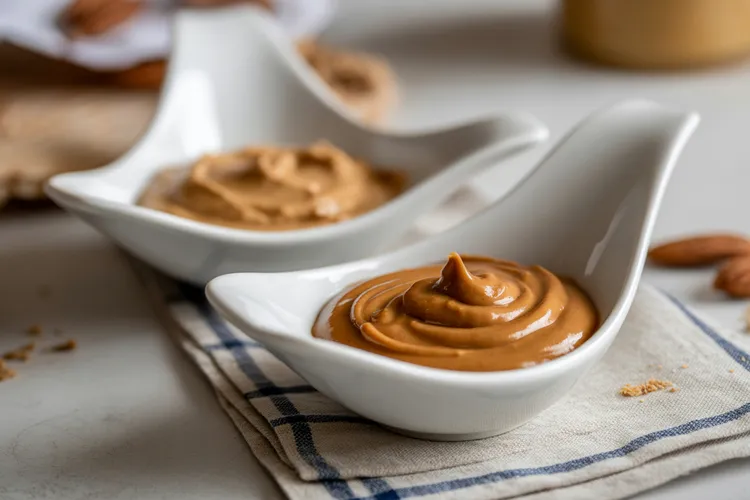
The fastest, easiest nut butter to make at home - cashew butter blends silky-smooth in under 6 minutes with barely any effort.
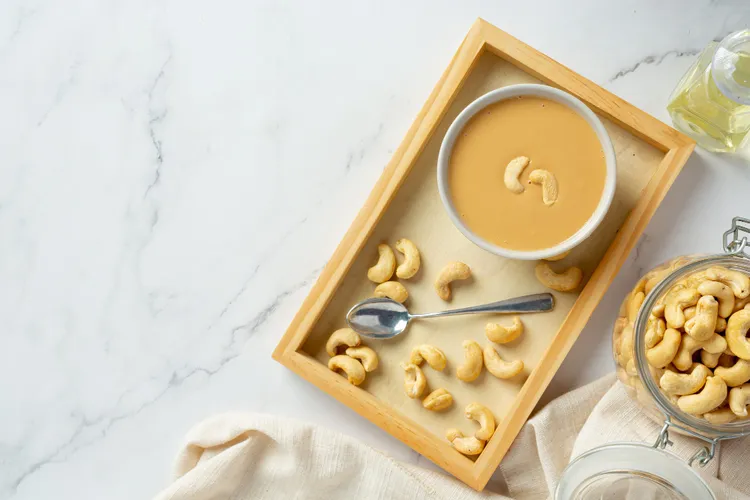
Cashew butter is the easiest nut butter in this entire guide to get silky-smooth, and the fastest to make. Cashews are naturally soft, high in fat, and low in fiber compared to most other nuts, which means they break down into a creamy butter with less time and effort than almost anything else here.
Homemade Cashew Butter
Prep time: 5 minutes | Blend time: 3 to 6 minutes | Makes: about 1.5 cups
Ingredients
- 2 cups raw cashews
- 1/4 to 1/2 tsp salt, or to taste
- 1 tbsp honey or maple syrup (optional)
- 1/2 tsp vanilla extract (optional)
Instructions
- Preheat the oven to 300F. Spread the cashews on a rimmed baking sheet in a single layer and roast for 8 to 10 minutes, until lightly golden and fragrant. Cashews burn faster than other nuts, so watch closely after the 8-minute mark. Let cool for 10 minutes.
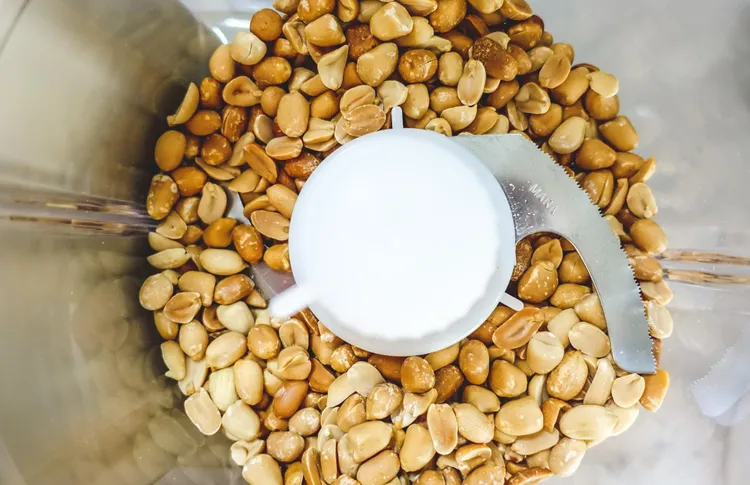
- Add the cooled cashews to a food processor. Process continuously, scraping down the sides once around the 2-minute mark.
- Cashews move through the same stages as other nuts, but noticeably faster: a coarse meal within the first minute, a brief clump stage, and a smooth, glossy butter typically by minute 4 to 6.
- Add salt and any optional flavoring once smooth, then blend for another 20 to 30 seconds to combine.
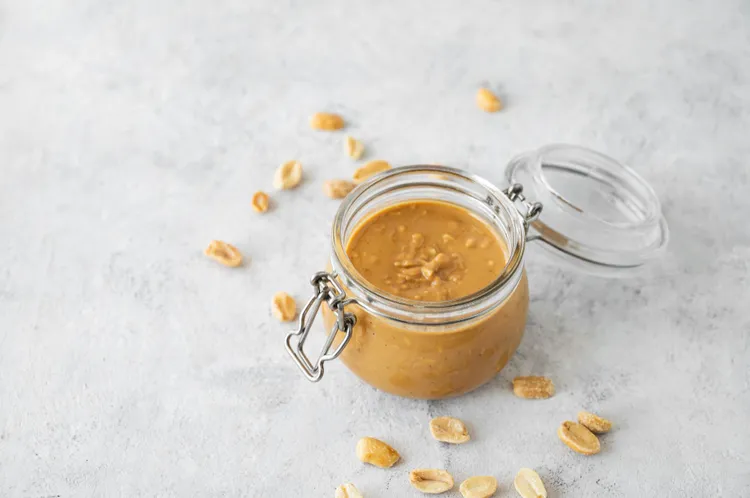
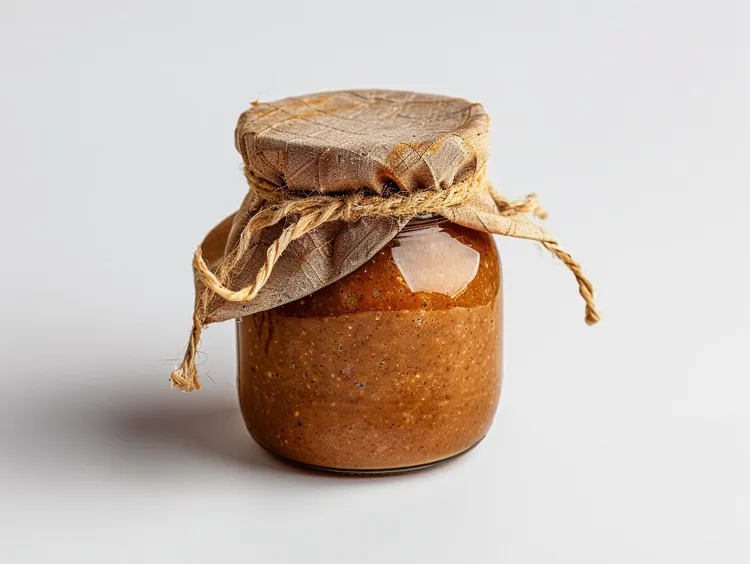
- Transfer to an airtight jar and refrigerate. Cashew butter rarely needs added oil - if it does, something likely went wrong with roasting time or freshness. See our troubleshooting guide if that happens.
Notes
Raw, unroasted cashews can be used directly if you prefer a milder, less toasted flavor - they'll blend even faster than roasted cashews, sometimes in as little as 3 minutes, though the flavor will taste noticeably softer and less complex.
Why Cashews Blend So Fast
Cashews are around 44 percent fat by weight and have a notably softer, less fibrous internal structure than almonds or peanuts, so their oil releases almost immediately under the pressure of a food processor blade. This is also why cashew butter rarely needs any added oil, unlike drier nuts like almonds or pistachios.
Raw vs Roasted
Roasted cashews produce a richer, more toasted flavor and a slightly darker color. Raw cashews produce a milder, sweeter, almost buttery flavor that some people prefer specifically for baking applications, where a stronger roasted-nut flavor can compete with other ingredients. Both work equally well from a technique standpoint - it's purely a flavor preference.
Why It's Prone to Over-Blending
Because cashew butter smooths out so quickly, it's easy to keep the processor running well past the point of doneness out of habit from slower nut butters like almond. Over-blended cashew butter can actually turn slightly runny and separate faster than a batch stopped right when it turns smooth. Check at the 3-minute mark and every minute after that, rather than assuming it needs the same 10-plus minutes almond butter does.
Common Mistakes
Burning the cashews during roasting is the most common issue, since cashews have a narrower window between "perfectly toasted" and "scorched" than most other nuts. Set a timer for 8 minutes and check every minute after that rather than walking away.
A second mistake is adding oil preemptively, assuming cashew butter will need help the way almond butter often does. Give the batch its full 4 to 6 minutes before deciding it needs anything added - most batches never do.
Choosing the Right Cashews
Whole cashew pieces (as opposed to broken cashew "bits," which are sold more cheaply but roast and blend less predictably) give the most consistent result. Whole cashews are worth the small price difference for this recipe, both for even roasting and for a more reliable, repeatable blend time batch to batch.
Making a Thinner, Pourable Cashew Cream
Blending in an extra 2 to 3 tablespoons of water once the cashew butter has reached full smoothness turns it into a thinner, pourable cashew cream, useful as a dairy-free base for sauces or a coffee creamer substitute. Add the water gradually with the processor running, since too much all at once can cause the mixture to separate rather than blend into a uniform, creamy liquid.
Cashew Butter for Dairy-Free Cooking
Cashew butter's mild flavor and naturally smooth, almost creamy consistency make it one of the most common bases for dairy-free sauces, soups, and even "cheese" substitutes in plant-based cooking, since blended cashews mimic the mouthfeel of cream or soft cheese more closely than most other nuts. This is worth knowing even outside of nut butter specifically - the same technique used here, minus the roasting step, is the starting point for a lot of dairy-free recipes elsewhere.
Why Salt Matters More Here Than With Other Nuts
Cashews have a naturally milder, less assertive flavor than peanuts or almonds, which means salt plays a bigger relative role in how "finished" the final butter tastes. Under-salting cashew butter more often results in a flat, one-note flavor compared to under-salting peanut or almond butter, where the nut's own flavor carries more of the load on its own.
Scaling the Recipe
This recipe scales up easily to 4 cups of cashews in a large-capacity processor, and given how quickly cashews blend even in the base recipe, a doubled batch still typically finishes within 8 to 10 minutes total, a shorter increase in blend time than almost any other nut in this guide when scaled up.
Why This Is a Good First Recipe for Kids to Help With
Given how quickly cashew butter comes together, it's one of the more satisfying nut butters to make with a child helping out, since the wait between starting the processor and seeing a smooth result is short enough to hold a young kid's attention. The roasting step is still adult-supervised, but the blending stage moves fast enough to stay engaging start to finish.
Cashew Butter Without Any Roasting At All
Unlike almonds, where skipping roasting meaningfully slows down blending, cashews blend nearly as fast raw as roasted, since their fat content is already high enough on its own. If a milder, sweeter flavor is the goal and speed matters more than a toasted flavor, skipping the roasting step entirely and going straight to the food processor is a genuinely reasonable shortcut unique to this particular nut.
Cashew Butter in Baking
Because of its mild flavor and smooth, easily-blended texture, cashew butter is a common substitute for some or all of the butter or oil in certain baked goods, particularly in recipes aiming for a dairy-free result. It behaves a bit differently than solid dairy butter in baking, contributing more moisture and less structure, so it works best in recipes specifically developed with a nut butter substitution in mind rather than a direct swap in any arbitrary recipe.
Cashew Sourcing
Cashews sold in the US are almost always already shelled and partially processed before sale, since raw cashew shells contain an irritant that requires industrial handling to remove safely - this isn't something to worry about as a home cook, since all commercially available raw cashews have already gone through that step, but it's part of why cashews cost more per pound than some other nuts despite not being particularly rare agriculturally.
Storage
Cashew butter keeps about 3 to 4 weeks refrigerated, similar to other nut butters, though its higher fat content means it can feel softer and more pourable straight out of the fridge than almond or peanut butter. See our storage guide for details by nut type.
What to Use It On
Cashew butter's mild, sweet flavor and naturally smooth texture make it an especially good base for dairy-free sauces and dressings, since it blends into liquid more easily than drier nut butters. It also works well swapped into any recipe calling for almond butter when a milder flavor is preferred. See our full uses guide for more application ideas.
Cashew Butter for Dips
Blended with a bit of lemon juice, garlic, and water, cashew butter turns into a quick base for a creamy, dairy-free dip in a matter of minutes, since it's already smooth enough not to need any further processing beyond stirring in the extra ingredients. This is a genuinely quick way to use a portion of a batch for something other than a sweet spread.
Cashew Butter and Portion Control
Because cashew butter blends so smoothly and pours so easily compared to a stiffer nut butter, it's worth being slightly more mindful of portion size when eating it directly by the spoonful, since its looser consistency can make it easy to serve a larger amount than intended compared to a thicker spread that naturally limits itself on a spoon or knife.
Why Cashew Butter Works So Well in No-Cook Recipes
Its naturally soft, spreadable texture straight out of the processor - without needing to warm it up the way a firmer almond or peanut butter sometimes does - makes cashew butter especially convenient for no-cook applications like energy bites, raw dessert bases, or a quick dip, where reaching for a firm jar and needing to soften it first would add an extra, unwanted step.
A Note on Buying Cashews for This Recipe Specifically
Whole raw cashews sold specifically for baking or bulk bins tend to have a more consistent size and roast more evenly than the mixed sizes sometimes found in cheaper snack packaging, which matters slightly more for cashews than for some sturdier nuts, since a wide range of piece sizes on one pan means some pieces roast faster than others by the time the batch comes out of the oven.
Cashew Butter as a Base for Other Recipes in This Guide
Given how quickly and reliably it blends, cashew butter is a good base to practice flavor variations on before trying them with a slower nut - since the base itself comes together fast, it's easier to isolate whether a flavoring technique is working well without the added variable of a long, unpredictable blend time complicating the process.
If almond butter is this guide's test of patience, cashew butter is closer to its reward for having made it through - fast, forgiving, and reliably smooth, it's a good recipe to return to whenever a quick batch is needed without much planning ahead, and a dependable base for testing new flavor ideas before committing to a slower-blending nut.
Mixing It In
Cashew's mild, adaptable flavor also makes it the most forgiving nut to mix into a combination batch, since it rarely clashes with other nuts' flavor profiles the way a stronger nut like walnut sometimes can, and it helps smooth out the overall texture of whatever it's paired with.
Cashews are also one of the best nuts to blend into a combination butter with pantry odds and ends - their mild flavor and fast-releasing oil help other nuts in the mix smooth out faster too. See our mixed nut butter guide for ratios that work well.
Serving Temperature
Cashew butter straight from the fridge is noticeably firmer than at room temperature, and letting a jar sit out for 10 minutes before serving restores much of its signature pourable texture without needing to microwave it, which can cause uneven warm spots in a full jar. This small habit matters more for cashew butter than for a naturally stiffer nut butter like peanut, since so much of its appeal comes from that signature silky pour, and a cold, stiff jar straight from the fridge doesn't showcase that texture nearly as well.
For the complete roadmap across every nut and seed butter in this guide, see the complete nut butter guide. Of everything covered there, this is the recipe most people end up making again first, and the one most worth keeping stocked for a quick, reliable batch whenever the mood strikes, since so little stands between deciding to make it and actually having a finished jar in hand, start to finish, in well under ten minutes of hands-on time.
Nuts are common allergens. Always check ingredient labels for potential allergens and cross-contamination. If you have a nut allergy, avoid handling or consuming nuts and nut-based products, including homemade nut butter.
Latest