Best Food Processor and Blender Setup for Nut Butter
What actually works for making nut butter at home - food processors, high-powered blenders with a tamper, and what to avoid.
The right equipment matters more for nut butter than most home cooking tasks, since a weak or small machine can genuinely fail to produce a smooth result no matter how long it runs or how well the technique is followed otherwise.
Food Processor: The Standard Choice
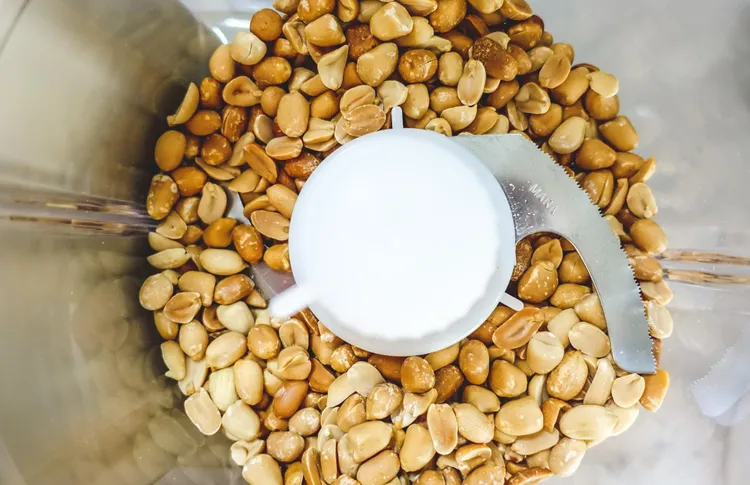
A food processor with at least a 7-cup bowl capacity and a motor rated 600 watts or higher is the reliable, general-purpose tool for every nut butter in this guide. The wide, flat blade and bowl shape are built specifically for the kind of continuous grinding nut butter requires, and most mid-range models on the market today handle it without issue. Bowl capacity matters more than people expect - a smaller processor struggles to properly circulate 2 cups of nuts, leaving some stuck against the sides no matter how often you scrape, which is part of why undersized processors are the most common equipment complaint among first-time nut butter makers.
High-Powered Blender: The Faster Alternative
A high-powered blender with a tamper (a plastic rod that pushes ingredients down into the blades while the lid stays on) can outperform a food processor for oilier nuts like cashews and macadamias, often producing a smoother result in less time. The tamper is essential here - without one, nuts settle below the blades and never fully circulate, leading to an uneven, partially-blended result no matter how long the blender runs. A standard blender without a tamper function is not a reliable substitute for this reason, regardless of how powerful its motor otherwise is.
What Doesn't Work Well
- Mini choppers: Too small a capacity and too weak a motor for the sustained grinding nut butter requires. Most will overheat or simply never break past the clump stage.
- Standard blenders without a tamper: Nuts get stuck below the blades and stop circulating, resulting in a mix of unprocessed chunks and over-processed paste rather than an even result.
- Immersion blenders: Not designed for dense, dry ingredients like whole nuts and generally can't generate enough force or heat to release the necessary oil.
- Mortar and pestle: Technically possible for a small amount, but not practical for anything beyond a tablespoon or two given the time and effort required.
Motor Strength and Continuous Run Time
Nut butter is one of the more demanding tasks a home food processor or blender will be asked to do, since it requires several continuous minutes of grinding against dense, resistant material. Machines rated for lighter tasks like chopping vegetables or making salsa may not have the sustained power needed, and pushing them past their intended run time risks overheating the motor. If a machine's manual specifically warns against continuous use beyond 1 to 2 minutes, plan on more frequent rest breaks between processing intervals than a stronger machine would need.
Blade Type
The standard S-shaped chopping blade included with most food processors is exactly what nut butter needs - no specialized attachment required. Dough blades or shredding discs are not suitable substitutes and won't produce a smooth result.
Bowl Material and Size Considerations
A wider, shallower bowl circulates nuts more effectively than a tall, narrow one, since it keeps more of the mixture within reach of the blade at any given time. If choosing between two processors with similar wattage, the one with a wider bowl base will generally perform noticeably better specifically for nut butter, even if their listed capacities are otherwise fairly similar on paper.
Signs a Machine Is Struggling
A processor or blender that's genuinely underpowered for nut butter tends to show a few consistent signs: the motor bogs down noticeably and slows in speed once the nuts reach the thick clump stage, the machine feels warm to the touch well before the expected processing time is up, or it shuts off automatically as a safety measure before the nuts have had a real chance to smooth out. Any of these point to an equipment limitation rather than a technique problem, and no amount of additional scraping or patience will fully resolve it.
Budget Options That Still Work
A mid-range food processor in the $60 to $100 range, as long as it meets the wattage and capacity guidelines above, handles every recipe in this guide without issue. There's no need for a premium, high-end model specifically for nut butter - the main differentiators at the premium end (extra attachments, larger capacity, quieter motors) matter more for other cooking tasks than for this one specific use.
Cleaning Considerations
Nut butter residue is oilier and stickier than most things a food processor typically handles, and a quick rinse alone often isn't enough to fully clean the bowl and blade between batches. A short soak in warm, soapy water, followed by a normal wash, removes residue far more reliably than trying to wipe it out dry. Some residual oil sheen on the bowl even after washing is normal and not a sign of an incomplete cleaning - a final rinse with hot water helps but won't necessarily leave the bowl looking brand new.
Attachments and Accessories Worth Having
A wide, flexible silicone spatula is worth keeping on hand specifically for scraping down the sides of the processor bowl during blending - a stiffer spatula doesn't conform to the curved bowl shape as well and leaves more residue stuck against the sides between scrapes. Beyond that, no specialized attachments are truly needed for anything covered in this guide.
Comparing Food Processors Across Price Tiers
At the lower end of the price range that still reliably handles nut butter, expect a 7 to 8 cup bowl and a motor in the 600 to 700 watt range - sufficient for every recipe in this guide, though blend times may run slightly longer than a more powerful machine. Mid-range processors, generally 700 to 1000 watts with a wider bowl, tend to shave a couple of minutes off blend time for slower nuts like almonds and handle doubled batches more comfortably. Premium models above that mostly add convenience features - additional attachments, quieter operation, more precise speed settings - rather than a meaningfully different nut butter result.
Considering a Dedicated Nut Butter Feature
Some higher-end blenders now market a specific "nut butter" preset program, which typically runs the motor at a set speed for a predetermined cycle with built-in pauses. These work fine and can be a genuine convenience, removing the need to manually track scraping intervals, though they're not required - the manual method described throughout this guide works equally well on any qualifying machine, preset or not.
Noise Considerations
A food processor running continuously for 10 to 15 minutes, even with breaks, is genuinely one of the louder, more sustained kitchen tasks a home cook is likely to do. If noise is a concern (an early morning batch before others are awake, for instance), checking a specific model's decibel rating before buying, or simply timing nut butter-making for a more flexible part of the day, are both reasonable approaches.
Do You Need a Dedicated Machine?
No - a food processor used for other kitchen tasks (chopping vegetables, making dough, shredding cheese) works perfectly well for nut butter too, as long as it meets the wattage and capacity guidelines above. There's no need for a separate, dedicated nut butter machine for home use.
Second-Hand and Hand-Me-Down Equipment
An older, hand-me-down food processor can work perfectly well for nut butter as long as the motor still runs at full strength and the bowl and blade are in good condition - age alone isn't disqualifying. A processor that's noticeably weaker than it used to be, or one whose blade has visibly dulled over years of use, is worth testing on a small batch before committing a full 2 cups of pricier nuts like pistachios to it.
Warranty and Motor Longevity Considerations
Nut butter is genuinely one of the more demanding regular uses a home food processor sees, and if it's going to become a routine task rather than an occasional project, checking a specific model's warranty length and reviews mentioning heavy or repeated use is well worth the extra few minutes before buying, more so than for a processor mainly used for lighter, occasional tasks like chopping vegetables or shredding cheese.
Testing a New Machine Before Committing to a Full Batch
When trying nut butter for the first time in a new or unfamiliar machine, running a small half-batch first is a reasonable way to confirm it handles the task well before committing a full 2 cups of a pricier nut like pistachio or cashew to an untested setup. A half batch that smooths out reasonably close to the expected timeline is a good sign the machine will handle a full batch without issue.
Most kitchens already have what's needed for every recipe in this guide, as long as the food processor on hand meets the basic wattage and capacity thresholds described above. Equipment upgrades are worth considering only after ruling out roasting and technique as the source of a persistent problem, not as the first assumption when a batch doesn't turn out as expected.
If Your Current Equipment Struggles
A reasonable first step is simply trying a faster-blending nut like cashew in the current machine before concluding it's underpowered, since that removes roasting and blend-time variables from the equation.
If nut butter consistently won't smooth out despite proper roasting and technique, the machine itself is often the limiting factor rather than anything being done wrong. See our troubleshooting guide for how to tell the difference between a technique issue and an equipment limitation.
A Simple Pre-Purchase Checklist
Before buying a new food processor specifically for nut butter, it's worth confirming a few things directly against the specific model under consideration: a bowl capacity of at least 7 cups, a motor rated 600 watts or higher, a wide rather than narrow bowl base, and reviews or product descriptions that don't specifically warn against extended continuous use. Meeting all four of these consistently predicts a machine that handles every recipe in this guide without a struggle.
What a Reasonable First Purchase Looks Like
For someone buying equipment specifically to start making nut butter regularly, a mid-range food processor in the 700 to 900 watt range, with an 8 to 10 cup bowl, covers every recipe in this guide comfortably, handles a doubled batch without much added strain, and remains genuinely useful for a wide range of other everyday cooking tasks well beyond nut butter specifically.
Getting Started With What You Have
Before assuming new equipment is necessary at all, it's worth trying a single batch with whatever food processor or blender is already in the kitchen. Plenty of households discover their existing machine handles this task perfectly well, and any equipment upgrade is far easier to justify after a real attempt shows exactly where a current setup falls short, rather than guessing in advance. Starting with a fast, forgiving nut like cashew is the best way to test an unfamiliar machine's capability without risking a pricier batch on an uncertain result.
Passing Equipment Down or Sharing It
A food processor used regularly for nut butter tends to get real, sustained use compared to one that mostly sits idle for occasional lighter tasks, which is worth keeping in mind if considering a shared or hand-me-down appliance situation - a machine that's already seen heavy nut butter use may be closer to the end of its practical lifespan than one used only lightly elsewhere, so it's worth asking directly about usage history before relying on a secondhand machine for a demanding batch.
Once equipment is sorted, the technique itself is identical across every nut and seed in this guide - see the complete nut butter guide for the full method, including the roasting and troubleshooting guidance that rounds out everything covered here, and specific recipes for every nut and seed this equipment guidance applies to equally, from the fastest-blending cashew through the most demanding almond and pistachio.
Nuts are common allergens. Always check ingredient labels for potential allergens and cross-contamination. If you have a nut allergy, avoid handling or consuming nuts and nut-based products, including homemade nut butter.
Latest