How to Choose a Good Jar of Tahini
What separates a smooth, good-tasting jar of tahini from a bitter or gritty one, including label cues and regional styles worth seeking out.
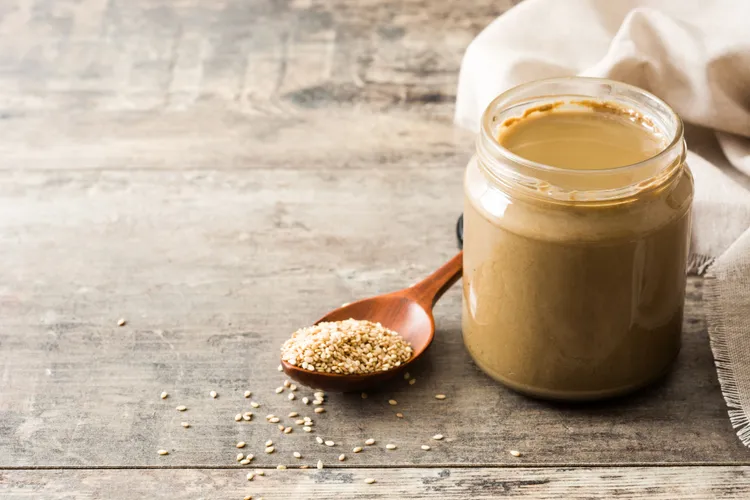
Tahini quality varies more than most pantry staples, and a bad jar - bitter, gritty, or so separated it's unusable - is often the reason someone decides they don't like tahini at all, when really they just bought the wrong one.
Check the Ingredient List First
The best tahini has one ingredient: sesame seeds. Some brands add a pinch of salt, which is fine. Anything beyond that - added oil, sugar, preservatives, stabilizers - is usually a sign of a lower-effort product, often made from lower-quality seeds that need help masking flavor or preventing separation. A short ingredient list is the fastest quality signal on the shelf.
Texture and Pourability
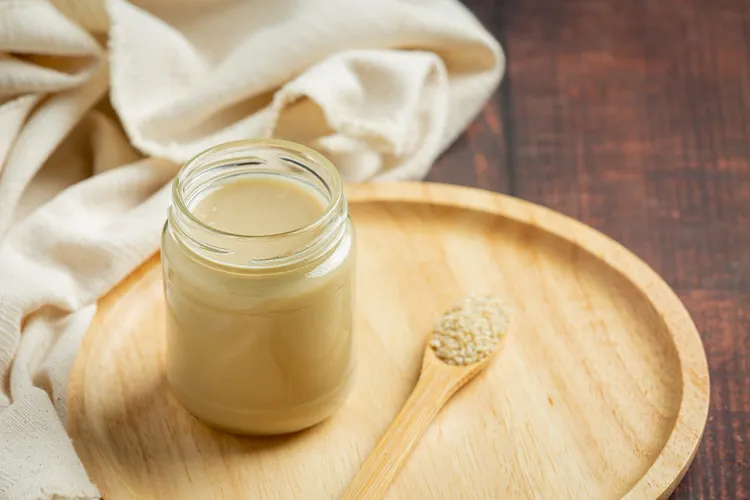
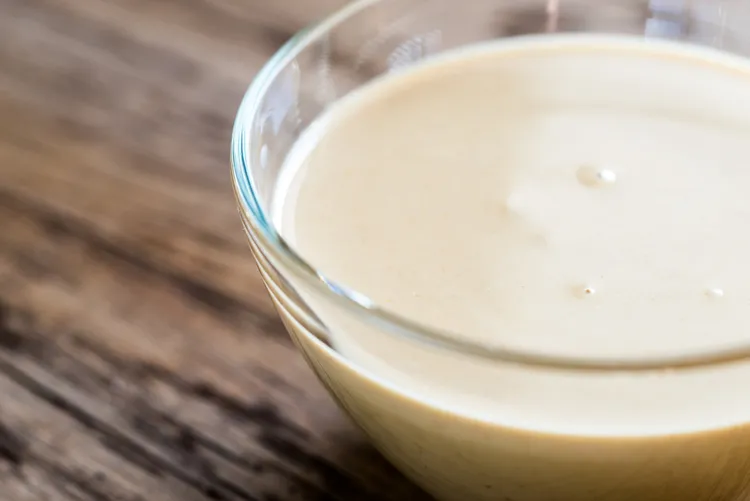
Good tahini should pour in a slow, steady stream when the jar is tilted, closer to warm honey or thin cake batter than to peanut butter. If it's so thick it barely moves, or so watery and separated that oil pools visibly on top with a hard paste underneath, that's a sign of either poor grinding technique during production or a jar that's been sitting unstirred for a long time. A quick stir before buying (if the store allows it) or checking reviews for texture complaints can save some trial and error.
Color and Flavor
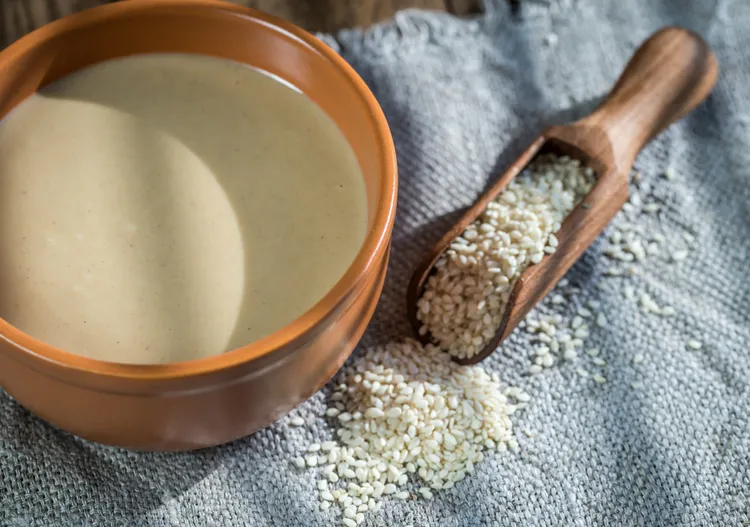
- Pale, ivory-colored tahini: Usually hulled and lightly roasted, milder and slightly sweet, the easiest entry point for most cooking.
- Darker, tan-to-brown tahini: Often unhulled or more heavily roasted, more bitter and assertive, sometimes preferred by people who grew up with a specific regional style.
- Bitter, harsh, or burnt-tasting tahini: A sign of over-roasted or lower-quality seeds, regardless of hulled status - this is the flavor that turns people off tahini entirely, and it's worth returning a jar that tastes actively unpleasant rather than assuming that's just what tahini tastes like.
Regional Styles Worth Knowing
Lebanese and Palestinian tahini are widely considered among the smoothest and most consistently high-quality, often made from Ethiopian Humera sesame seeds prized for their flavor. Israeli tahini brands have also built a strong reputation, particularly for hummus-focused recipes. Greek and Cypriot tahini tend to run slightly more bitter and are often used more in baking and sweets than in savory sauces. None of these are strict rules, but they're a reasonable starting point if a specific style isn't working for a particular use.
Jar Size and Turnover
Since tahini keeps well but isn't used in huge quantities in most households, a mid-size jar (roughly 16 oz) is usually the sweet spot - large enough to avoid constant repurchasing, small enough to get through before quality starts declining. Buying an oversized tub only makes sense for households baking or cooking with tahini frequently.
Where to Buy It
Middle Eastern grocery stores and specialty markets often carry a wider range of genuinely good tahini at a better price than the small jars found in the international aisle of a general grocery store. Online specialty retailers are also a reliable source if a good Middle Eastern market isn't nearby, and often carry specific regional brands worth seeking out.
A Quick Buying Checklist
- One or two ingredients only - sesame, maybe salt
- Pours smoothly when stirred, not chalky or seized
- No burnt or overly bitter smell straight from the jar
- From a Middle Eastern grocery or reputable specialty brand when possible
What to Do Once You've Got a Good Jar
Once you've found a tahini that pours and tastes right, keep it stored properly so it stays that way. Our storage guide covers pantry versus fridge storage and how to bring a separated jar back together. And if you're new to cooking with tahini, our classic tahini sauce recipe is the easiest place to see what a genuinely good jar can do.
For the full range of what tahini can be used for, see our complete Tahini: The Pantry Staple That's Not Just for Hummus.
Reading Between the Lines of Marketing Claims
Labels advertising "premium" or "gourmet" tahini don't always correlate with actual quality - the ingredient list and, where possible, the texture are far more reliable indicators than marketing language on the front of the jar. A short, single-ingredient list from a lesser-known regional brand often outperforms a heavily marketed but oil-cut jar from a larger, more recognizable company. Price is a loose guide at best; some of the best tahini available is also among the most affordable, particularly when bought at a Middle Eastern grocery store rather than a general supermarket's international aisle, where markup on specialty items tends to be higher.
How Tahini Quality Affects Each Type of Recipe
- Sauces and dressings: Quality matters most here, since tahini's flavor is front and center with minimal other ingredients to mask a bitter or gritty jar.
- Soups: A lower-quality jar is more forgivable here, since the tahini's flavor blends with broth, spices, and other ingredients rather than standing entirely on its own.
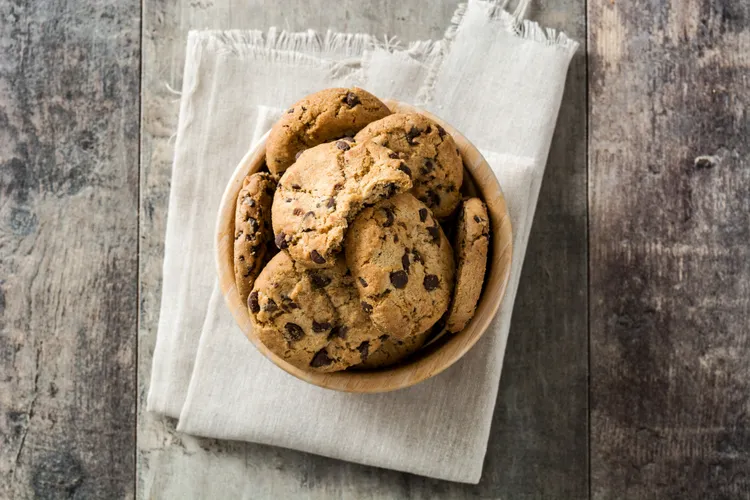
- Baking: Sugar and other ingredients help mask minor quality issues, though a genuinely bitter or rancid-tasting jar will still come through, particularly in a simpler recipe like tahini cookies where few other flavors compete.
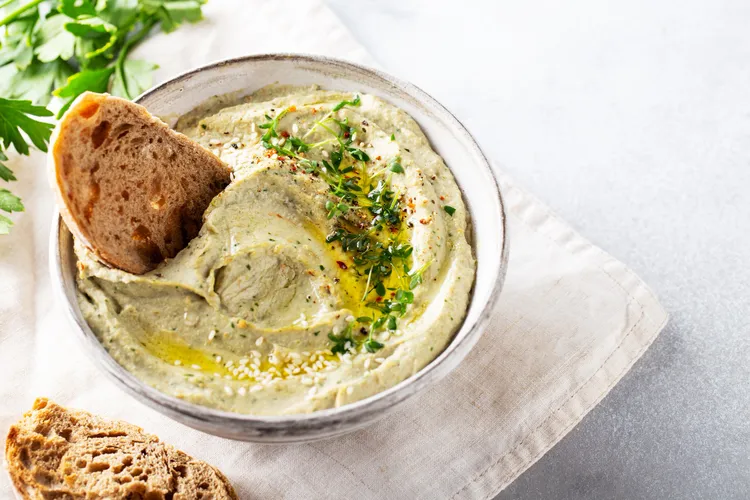
- Hummus and dips: Similar to sauces - tahini quality has an outsized impact since it's one of only a handful of ingredients in the final product.
Common Questions About Buying Tahini
- Is more expensive tahini always better? Not necessarily. Price often correlates more with brand recognition and where it's sold than with actual quality - a well-regarded jar from a Middle Eastern grocery store is often both better and cheaper than a small jar in a general supermarket's specialty aisle.
Does the country of origin matter? It can be a useful signal, particularly for sesame grown in regions with a long tradition of tahini production, but it's not an absolute rule - quality depends more on the specific producer's seed sourcing and grinding process than the country alone.
Can I taste-test tahini before committing to a full jar? Some specialty stores offer this, and it's worth taking advantage of if available. Otherwise, starting with a smaller jar from a new brand before committing to a large tub is a reasonable way to test it out.
What does "stone-ground" mean on a label? It refers to using traditional stone mills rather than steel grinders, which some producers and cooks feel produces a smoother, more consistent texture and flavor, though steel-ground tahini can be excellent as well - it's not a strict quality guarantee on its own.
Common Mistakes When Choosing Tahini
The most common mistake is buying based on the first jar seen in the grocery store without comparing ingredient lists, especially when a Middle Eastern grocery or specialty retailer with better options is available. A second mistake is assuming all tahini tastes the same and that any jar will work equally well for any recipe - a very bitter unhulled tahini used in a delicate dressing can throw off the whole result, just as a very mild hulled tahini might underwhelm in a recipe built around tahini's more assertive character. A third mistake is not checking the "best by" date or production date where listed, since tahini can develop a stale, less vibrant flavor if it's been sitting in a warehouse or on a shelf for a very long time before purchase.
Building a Relationship With a Brand You Trust
Once you find a tahini brand that consistently pours well and tastes right, it's worth sticking with it rather than experimenting every time you need a new jar - tahini quality can vary meaningfully between producers, and consistency matters more than novelty for an ingredient used as a foundational base in so many recipes. From there, our storage guide covers how to keep that good jar in top condition once it's open, and our classic tahini sauce recipe is the best way to put a good jar to immediate use.
What Experienced Cooks Look For
Cooks who use tahini regularly often develop a preference for a specific brand or two, largely through trial and error rather than following a fixed checklist every time. That said, a few habits are common: buying from a Middle Eastern grocery store whenever one is accessible, checking the ingredient list out of habit even for a familiar brand (formulations occasionally change), and giving a new jar a small taste test before committing it to a specific recipe, particularly one where tahini's flavor will be front and center.
Tahini Packaging and What It Signals
Glass jars are generally preferable to plastic tubs, both for storage quality and often as a loose signal of a more traditional or higher-quality product, though this isn't an absolute rule. A wide-mouth jar makes stirring and scooping considerably easier than a narrow-necked one, which is worth considering for anyone who cooks with tahini often enough that the daily friction of a hard-to-stir jar becomes genuinely annoying.
Trying Tahini From Different Producers Side by Side
For anyone serious about finding a favorite, buying two or three smaller jars from different producers and tasting them side by side, ideally both plain and in a simple tahini sauce, is a more reliable way to land on a preference than reading reviews alone. Flavor differences that seem subtle when tasted individually often become much clearer in direct comparison, particularly around bitterness level and overall smoothness.
When to Buy in Bulk
Bulk tahini makes sense for households that cook with it several times a week, or for anyone making larger batches of hummus or baba ganoush regularly. For occasional use, a smaller jar is the better choice, since tahini does eventually lose some vibrancy even within its technically safe shelf life, and there's little benefit to a large tub that sits mostly untouched.
None of this needs to be complicated - a short ingredient list, a smooth pour, and a source you trust cover most of what matters. Once a good jar is in hand, the rest of this guide, starting with our full Tahini: The Pantry Staple That's Not Just for Hummus, covers what to actually do with it.
Trusting Your Own Palate
Ultimately, the "best" tahini is the one that tastes good to you and works well in the dishes you actually make - expert opinions and regional reputations are a useful starting point, but personal preference around bitterness level and texture varies enough that trying a few options yourself is worth more than following any single recommendation blindly.
Comparing Tahini to Olive Oil Shopping
Choosing tahini shares some similarities with choosing a good olive oil - both are minimally processed products where quality varies significantly by producer, both benefit from checking origin and ingredient transparency rather than relying on brand recognition alone, and both reward a bit of trial and error to land on a personal favorite. Anyone comfortable navigating an olive oil aisle with a critical eye can apply similar instincts to tahini.
Questions Worth Asking a Specialty Shop
If buying from a Middle Eastern grocery or specialty shop with staff on hand, it's worth asking directly which tahini they'd recommend for a specific use - staff at these stores often have strong, specific opinions and can point toward a milder option for sauces versus a more traditional, assertive one for hummus, saving some of the trial and error a first-time buyer might otherwise go through alone.
What a Bad First Impression Usually Means
Someone who tries tahini for the first time from a poor-quality jar and decides they dislike it entirely is, more often than not, reacting to that specific jar rather than to tahini as an ingredient. Encouraging a second try with a genuinely good jar - smooth, from a reputable source, with a short ingredient list - resolves this more often than not, and it's worth keeping in mind before writing off tahini based on one disappointing experience.
A Realistic Buying Routine
For most home cooks, settling into a routine of buying the same trusted brand each time, rather than re-evaluating from scratch on every purchase, is the most practical long-term approach. Revisit that choice only if the brand's quality seems to have changed, or if a new option comes strongly recommended by someone whose palate you trust.
Latest