How to Freeze Dill: Whole Fronds, Chopped, and in Oil
Three ways to freeze dill compared for texture, flavor, and which recipes suit each method after thawing.
Dill freezes more gracefully than a delicate herb like basil, since its flavor compounds hold up reasonably well to cold, though the fronds still lose their crisp, fresh texture on thawing. Frozen dill is a cooking ingredient, not a garnish, regardless of method.
Method 1: Whole Flash-Frozen Fronds
Lay whole dill fronds in a single layer on a baking sheet and freeze until solid, about 1 to 2 hours, before transferring to a labeled freezer bag. This keeps fronds loose rather than frozen into a solid clump. Thawed fronds go limp and are best chopped and added directly to a cooked dish rather than used as a garnish.
Method 2: Chopped in Ice Cube Trays
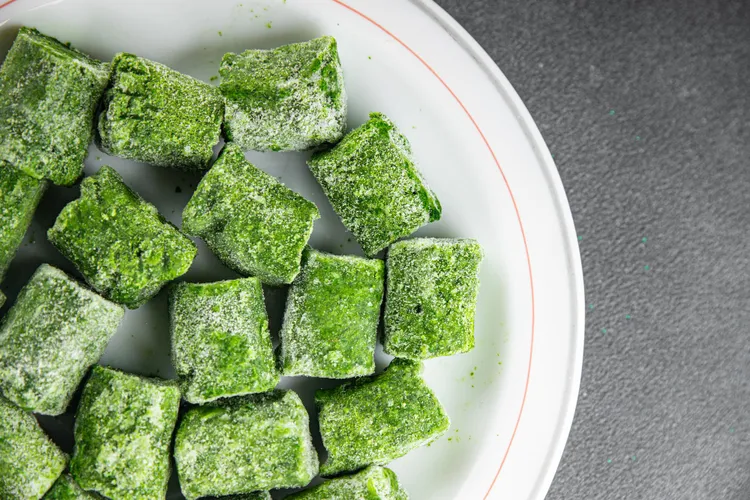
Finely chop dill and pack it into ice cube tray compartments, topping with a small amount of water or leaving it dry and simply pressing the chopped herb down firmly. Freeze solid, then transfer to a labeled bag. Each cube is a pre-portioned amount, convenient for dropping directly into a soup, sauce, or dressing base.
Method 3: Dill Oil Cubes
Blend dill with a neutral oil and freeze in ice cube trays, similar to the basil oil-cube method. The oil helps protect some of dill's more delicate aromatic compounds better than a plain water-based cube, and the cubes can go straight into a warm pan or be thawed for a quick dressing base.
Method Comparison
- Whole flash-frozen fronds: least prep, most flexible later, but requires chopping after a quick thaw
- Chopped ice cube trays: most convenient portioning for soups and sauces, no chopping needed later
- Oil cubes: best flavor retention, doubles as a quick dressing or finishing oil once thawed
How Long Frozen Dill Lasts
All three methods hold reasonable quality for 4 to 6 months in a standard freezer, slightly longer than more delicate herbs like basil, though flavor still gradually fades. Label bags with the date and use older batches first.
Common Mistakes
- Expecting frozen dill to work as a garnish. All methods here change dill's texture on thawing; reserve fresh dill for garnishing and use frozen dill exclusively in cooked or blended applications.
- Freezing a large clump instead of pre-portioning. A single frozen block is much harder to use in small amounts than pre-portioned cubes or a spread-out bag of loose fronds.
- Overpacking freezer bags before removing air. Excess air in the bag accelerates freezer burn; press bags flat and remove as much air as possible before sealing.
Frequently Asked Questions
Does dill freeze better than basil?
In terms of flavor retention, yes, somewhat. Dill's flavor compounds are a bit more freezer-stable than basil's, though texture loss is similar across both herbs.
Can I freeze dill along with other herbs in the same cube?
Yes, a mixed herb cube with dill, parsley, and chives, for example, works well for soups and sauces where a blended herb flavor is welcome rather than a single dominant note.
Should I wash dill before freezing?
Yes, but dry it thoroughly first. Excess surface water forms extra ice crystals that do more damage to the delicate fronds during freezing.
Thawing and Using Frozen Dill
Frozen dill, in any of the three forms above, generally goes straight into a hot dish without thawing first. Drop chopped cubes directly into a simmering soup, sauce, or dressing base during the last few minutes of cooking. For whole flash-frozen fronds, a quick 30-second thaw at room temperature is enough before chopping and adding to a cooked dish; don't expect to use thawed fronds raw or as a garnish, since the texture won't hold up.
Freezer Organization for a Larger Dill Surplus
If freezing is the main way a surplus is being handled, label bags clearly with the method and date frozen, and store different methods separately rather than mixing cube types together, since oil-based and water-based cubes look similar once frozen but behave differently once added to a dish. Flattening bags before freezing saves space and makes portions easier to break apart without needing to thaw the whole bag.
Common Mistakes
- Expecting frozen dill to work as a garnish. All methods here change dill's texture on thawing; reserve fresh dill for garnishing and use frozen dill exclusively in cooked or blended applications.
- Freezing a large clump instead of pre-portioning. A single frozen block is much harder to use in small amounts than pre-portioned cubes or a spread-out bag of loose fronds.
- Overpacking freezer bags before removing air. Excess air in the bag accelerates freezer burn; press bags flat and remove as much air as possible before sealing.
- Freezing dill that's already past its prime. Fronds that have started yellowing or gone slimy won't improve in the freezer; only freeze dill that's still green and in good condition.
Frequently Asked Questions
Does dill freeze better than basil?
In terms of flavor retention, yes, somewhat. Dill's flavor compounds are a bit more freezer-stable than basil's, though texture loss is similar across both herbs.
Can I freeze dill along with other herbs in the same cube?
Yes, a mixed herb cube with dill, parsley, and chives, for example, works well for soups and sauces where a blended herb flavor is welcome rather than a single dominant note.
Should I wash dill before freezing?
Yes, but dry it thoroughly first. Excess surface water forms extra ice crystals that do more damage to the delicate fronds during freezing.
Can I freeze the creamy dill sauce or yogurt dip instead of plain dill?
No, dairy-based preparations tend to separate and turn grainy once thawed. Freeze plain dill and make dairy-based recipes fresh from thawed portions instead.
Tips for Success
Pat dill completely dry after washing and before freezing by any method; the drier the fronds going in, the better the texture holds up relative to the alternative. Working a few frozen portions into an upcoming week's meal plan is a simple way to make sure the freezer stash actually gets used rather than sitting untouched for months.