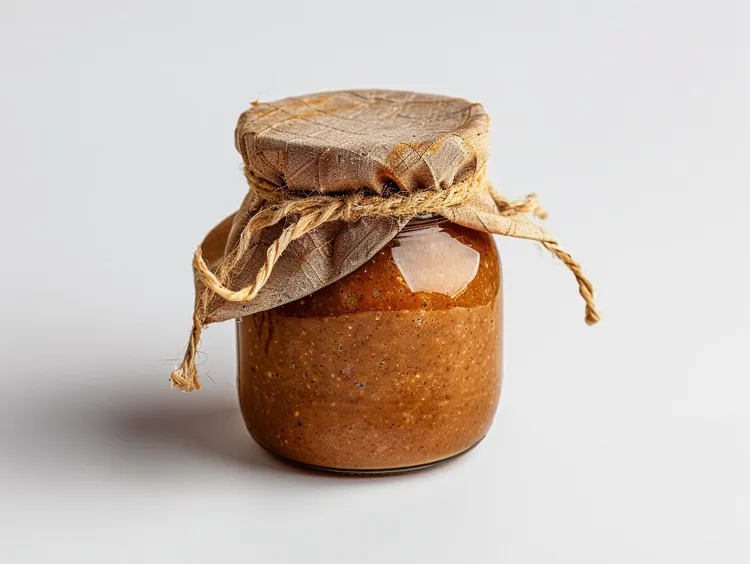
Beyond Toast: What to Actually Do With Nut Butter
Real ways to use homemade nut butter beyond toast - smoothies, sauces, marinades, baking, and no-bake snacks.
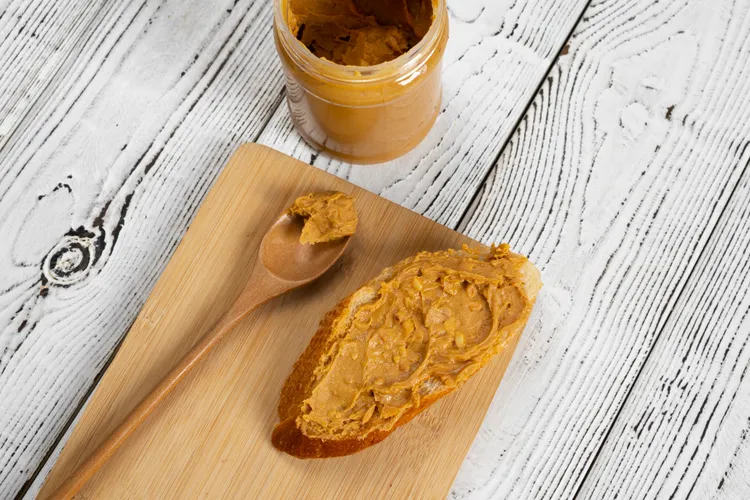
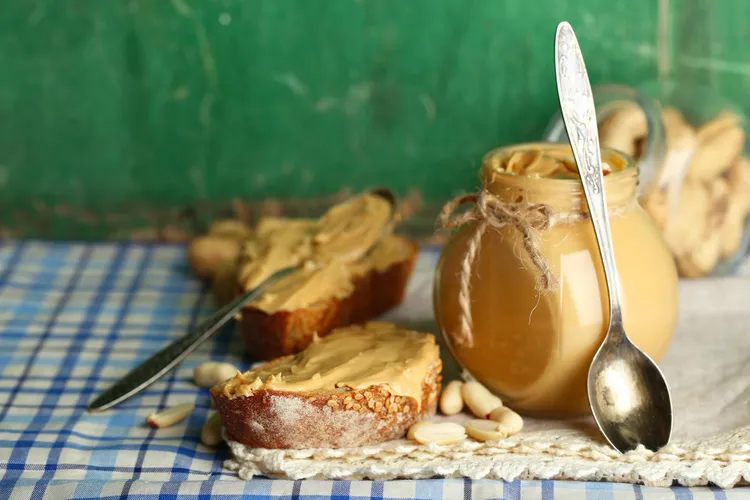
Toast is the obvious use for a fresh jar of nut butter, but it's genuinely one of the least interesting things it's good for. Once a batch is made, it has a real range of savory and sweet applications that go well beyond spreading it on bread.
Smoothies
A tablespoon or two of nut butter adds creaminess, healthy fat, and a real sense of staying power to a smoothie that fruit and liquid alone simply don't provide on their own. Peanut butter spinach smoothie uses it alongside greens for a savory-leaning breakfast option, while peanut butter pineapple smoothie takes it in a brighter, more tropical direction. Any of the nut butters in this guide can generally substitute for peanut butter in a smoothie recipe, adjusting sweetness slightly to account for flavor differences.
Sauces and Dressings
Thinned with warm water, soy sauce, rice vinegar, and a bit of fresh lime juice, peanut or almond butter becomes the base for a quick satay-style sauce in about five minutes total, no actual cooking required if using an already-smooth homemade batch. The same basic approach, adjusted in proportion, works equally well as a salad dressing base - nut butter, an acid (rice vinegar or lime), a salty element (soy sauce or a pinch of salt), and enough water to reach a pourable consistency.
Baking
Nut butter can replace some or all of the fat in certain baked goods, particularly cookies and quick breads, reducing the need for added oil or butter while contributing its own flavor. A 1:1 substitution for oil works in many recipes, though results vary by recipe - nut butter brings its own moisture and binding properties that don't behave identically to pure fat.
Homemade Energy Balls With a Savory Twist
Beyond the sweeter energy bite variations already covered, a savory version built from peanut or cashew butter, rolled oats, a bit of soy sauce, and finely chopped nuts offers a genuinely different snack option for anyone who finds the standard honey-and-chocolate version too sweet for regular eating. This variation holds together using the same basic binding principle, just with a different flavor direction layered on top.
Oatmeal and Overnight Oats
Stirred into hot oatmeal or blended into overnight oats, a spoonful of nut butter adds protein, healthy fat, and a noticeably richer mouthfeel than oats made with just milk or water alone. This is one of the simplest, most everyday uses and a good habit to build if a fresh batch tends to sit unused in the fridge otherwise.
Yogurt and Fruit
Swirled into plain yogurt, especially with a drizzle of honey, nut butter turns a plain snack into something considerably more satisfying. It also works well as a dip for sliced apples, celery, or banana - a straightforward, no-cook snack that takes seconds to put together.
Marinades
Peanut or almond butter thinned with a bit of coconut milk, soy sauce, garlic, and ginger makes a quick marinade base for chicken or tofu, echoing the same flavor profile as a satay sauce but used before cooking rather than as a finishing sauce.
Noodle Dishes
Tossed through warm noodles with a splash of soy sauce, sesame oil, and a bit of chili, nut butter (peanut and cashew work particularly well here) creates a quick, creamy noodle sauce without needing cream or cheese to get there.
Energy Bites and No-Bake Snacks
Combined with oats, a bit of honey, and mix-ins like chocolate chips or dried fruit, nut butter acts as the binding agent that holds no-bake energy bites together, no oven required. This is a particularly good use for a batch that's turned out slightly stiffer than expected, since the added oats and honey compensate for a thicker starting texture.
Ice Cream and Frozen Treats
A spoonful of nut butter swirled into softened ice cream before refreezing adds richness and a marbled look without any special equipment. It also works blended directly into a simple banana "nice cream" (frozen bananas blended smooth) for a quick, no-added-sugar dessert that leans on the nut butter for both flavor and creaminess.
Stir-Fries
A spoonful of peanut or cashew butter whisked into the sauce for a quick stir-fry, alongside soy sauce, garlic, and a splash of rice vinegar, adds body and a subtle richness that a thinner soy-based sauce alone simply doesn't have on its own. Add it toward the end of cooking, off direct high heat, so it melts into the sauce smoothly rather than clumping against a hot pan surface.
Soup Bases
Certain West African and Southeast Asian-inspired soups use peanut or almond butter as a thickening, flavoring base, whisked into broth alongside tomato, chili, and warming spices. This is a less obvious use for most home cooks, but it's a genuinely traditional application worth trying if a change from the usual toast-and-smoothie rotation sounds appealing.
Homemade Granola
Melted nut butter mixed with a bit of honey or maple syrup and stirred through rolled oats before baking helps granola clump into clusters rather than staying loose and crumbly, in addition to adding real flavor. This works with nearly any nut butter in this guide, though cashew and almond butter's milder flavor tend to let other granola mix-ins (dried fruit, seeds, spices) come through more clearly than a stronger peanut butter base ultimately would.
A Quick Reference by Nut Butter Type
- Peanut butter: satay sauce, stir-fry sauce, energy bites, smoothies
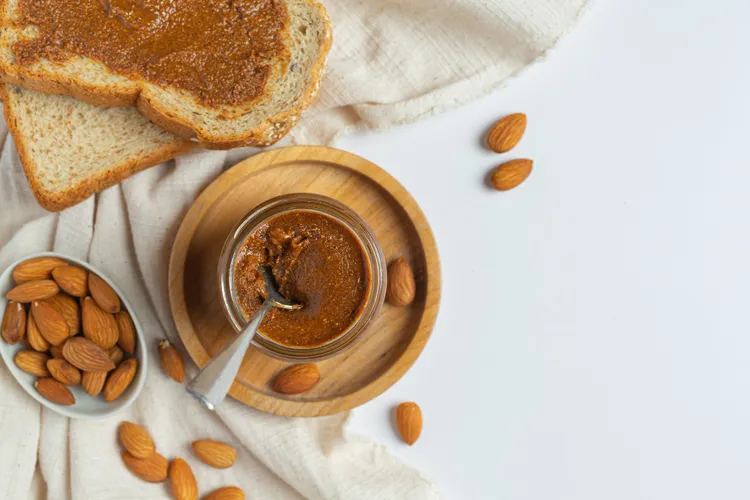
- Almond butter: baking substitute, oatmeal, lighter smoothies, granola
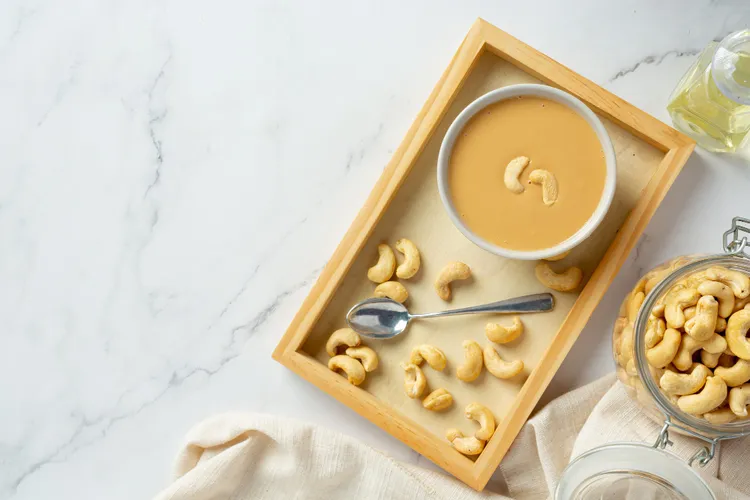
- Cashew butter: dairy-free sauces and dressings, noodle sauces, creamy soups
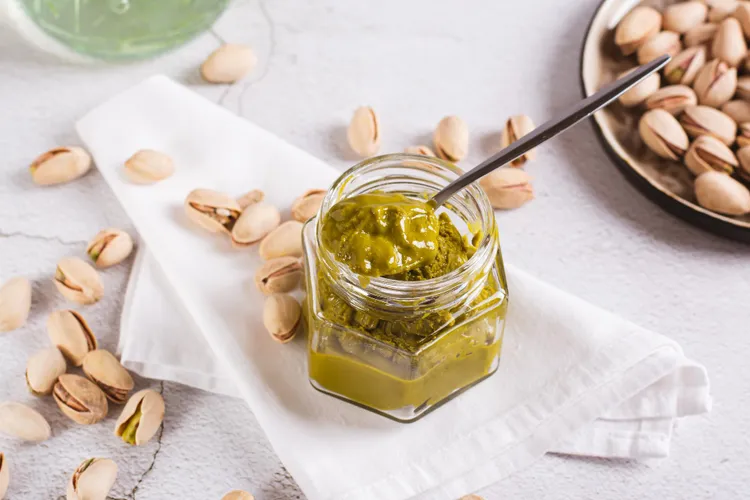
- Pistachio butter: yogurt swirls, fruit drizzles, dessert fillings
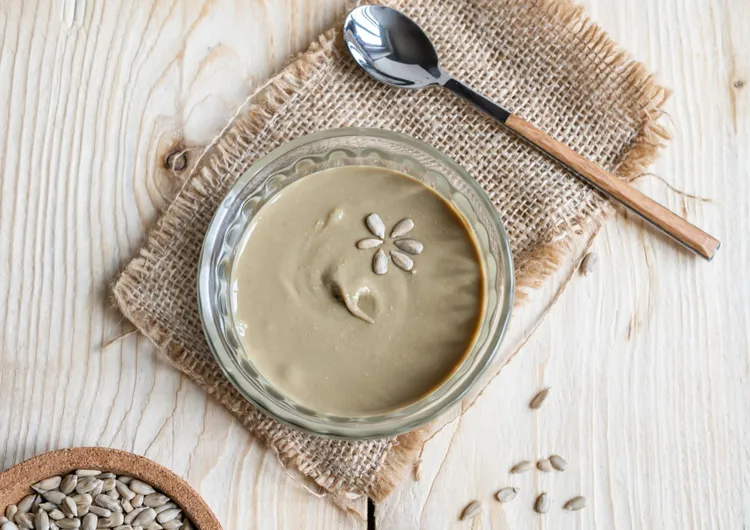
- Sunflower seed butter: a direct swap anywhere peanut or almond butter is used, especially for nut-free needs
- Chocolate hazelnut spread: toast, fruit dip, swirled into oatmeal, thinned into hot chocolate
Waffles and Pancakes
Nut butter thinned slightly with warm maple syrup makes a quick, richer alternative to plain syrup for topping waffles or pancakes, and it can also be blended directly into pancake batter in small amounts for added flavor and moisture without needing a separate topping at all.
Charcuterie and Snack Boards
A small bowl of nut butter, alongside apple slices, crackers, and dried fruit, works well as an addition to a broader snack or grazing board setup, offering a different texture and flavor than the cheeses and cured meats more commonly featured there. Pistachio or chocolate hazelnut spread in particular stand out visually on a board given their distinctive color.
Homemade Protein Balls Without Oats
For a lower-carbohydrate variation on the energy bites mentioned earlier, nut butter combined with a scoop of protein powder, a bit of water or milk to bind, and mix-ins like unsweetened coconut or cacao nibs skips the oats entirely while still holding together well enough to roll into bite-sized balls.
A Simple After-School or After-Work Snack
Beyond any specific recipe, one of the most genuinely useful everyday applications for a fresh batch of nut butter is simply having it on hand as a fast, satisfying snack - a spoonful straight from the jar, or spread on a rice cake or apple slice, delivers protein and healthy fat in under a minute with zero additional preparation.
Building a Weekly Habit Around It
Rather than treating a fresh batch as a special occasion, working a spoonful into a normal daily routine - oatmeal on weekday mornings, a smoothie a couple times a week, a snack in the afternoon - is the most reliable way to actually use up a full batch before it approaches the end of its storage window, and it turns a novelty first attempt into an ongoing, genuinely useful kitchen habit.
Sandwiches Beyond the Classic PB&J
A savory sandwich built around peanut or almond butter, cucumber, and a bit of chili crisp is a genuinely underrated combination that leans into nut butter's savory potential rather than its more familiar sweet pairing with jelly. Sliced apple or pear with a thin layer of nut butter and a light sprinkle of cinnamon on warm toasted bread is another simple, worthwhile variation to try beyond the standard peanut butter and jelly version most people default to.
Roasted Vegetables
A drizzle of thinned peanut or almond butter, mixed with a bit of soy sauce and fresh lime, over roasted broccoli, cauliflower, or sweet potato adds real richness and a savory dimension that plain roasted vegetables often lack on their own, turning a simple side dish into something closer to a full component of a complete meal.
Dips for Fresh Spring Rolls
A classic peanut dipping sauce, made from peanut butter thinned with warm water, hoisin sauce, a splash of rice vinegar, and a bit of chili garlic sauce, is one of the most traditional and reliable savory applications for homemade peanut butter, particularly alongside fresh spring rolls or as a dip for raw vegetables.
Overnight Chia Pudding
Stirred into a chia pudding base made with milk and a bit of sweetener, nut butter adds protein and a creamier finished texture once the chia seeds have had time to set overnight in the fridge, offering a genuinely different application from the more common oatmeal and smoothie uses already covered.
Frosting and Icing
Nut butter blended with a bit of powdered sugar and a splash of milk makes a simple, not-too-sweet frosting alternative for cakes or cupcakes, particularly well suited to pairing with chocolate or banana-based baked goods where a traditional buttercream might feel overly sweet by comparison.
Which Nut Butter for Which Use
Savory applications (satay sauce, marinades, noodle dishes) generally favor peanut butter's stronger, more distinct flavor. Sweeter and lighter applications (smoothies, yogurt, baking where a milder flavor is wanted) often favor almond or cashew butter instead. See our peanut butter vs almond butter comparison for more on choosing between the two for a specific use.
Rediscovering Nut Butter as a Versatile Pantry Staple
Most people's relationship with nut butter starts and stays firmly at toast, which is a genuinely fine place for it to live, but it undersells everything a fresh batch is actually capable of. Treating it as a flexible pantry staple, on par with something like olive oil or soy sauce in terms of range, rather than a single-purpose spread, opens up a noticeably wider set of everyday cooking possibilities.
Starting Small With New Applications
For anyone used to nut butter strictly on toast, trying just one or two of the applications covered in this guide - a quick sauce, a smoothie addition, a stir into oatmeal - is a low-risk way to start expanding how it's used, without needing to overhaul an entire cooking routine around it all at once.
A jar of homemade nut butter genuinely earns its keep well beyond a single breakfast use, and the applications throughout this guide are a starting point rather than a complete list - the same basic principles of thinning, sweetening, or folding it into other ingredients extend to plenty of ideas not covered here directly. Once the base technique feels familiar, experimenting with new applications becomes as natural as trying a new flavor variation, and just as low-risk given how forgiving nut butter is to work with once it's already smooth, whether that means a savory sauce, a sweet dessert filling, or something entirely improvised on the spot using whatever else happens to be in the kitchen that day.
For the full method behind making any of the nut butters referenced here, see the complete nut butter guide, which covers the full roasting and blending technique behind every application listed above.
Nuts are common allergens. Always check ingredient labels for potential allergens and cross-contamination. If you have a nut allergy, avoid handling or consuming nuts and nut-based products, including homemade nut butter.
Latest