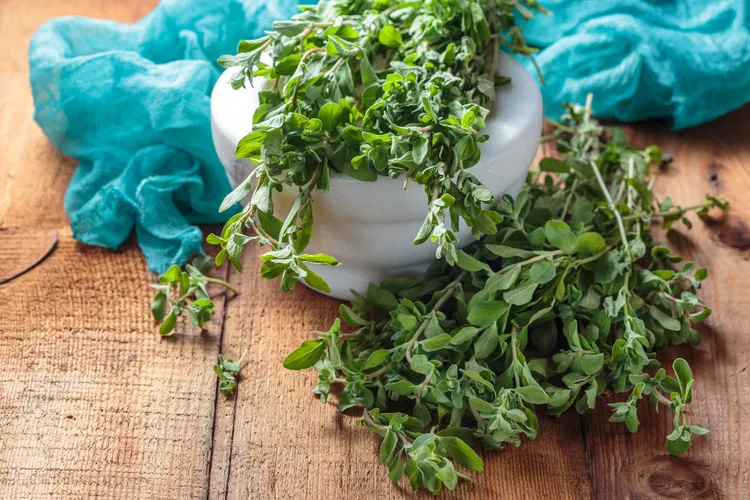
Roasted Vegetables With Oregano: A Base Method for Any Vegetable
One base method for oregano-roasted vegetables that adapts to whatever's in season.
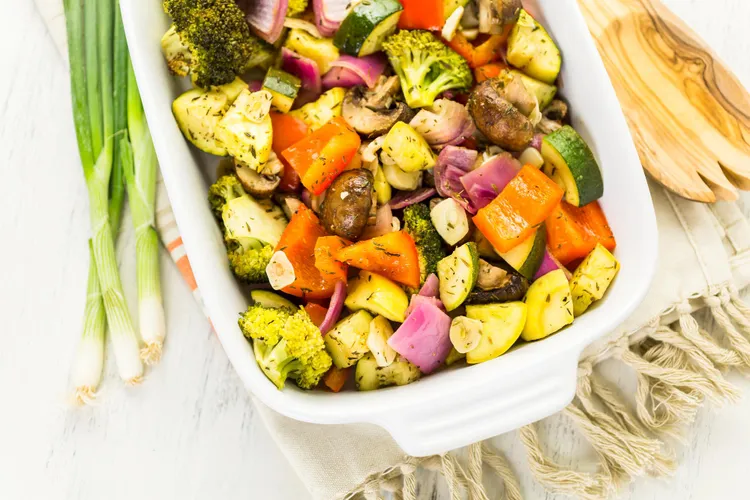
Oregano's boldness holds up well across an unusually wide range of roasted vegetables, which makes a single base method worth learning rather than a different recipe for every vegetable that comes through the kitchen.
The Base Method
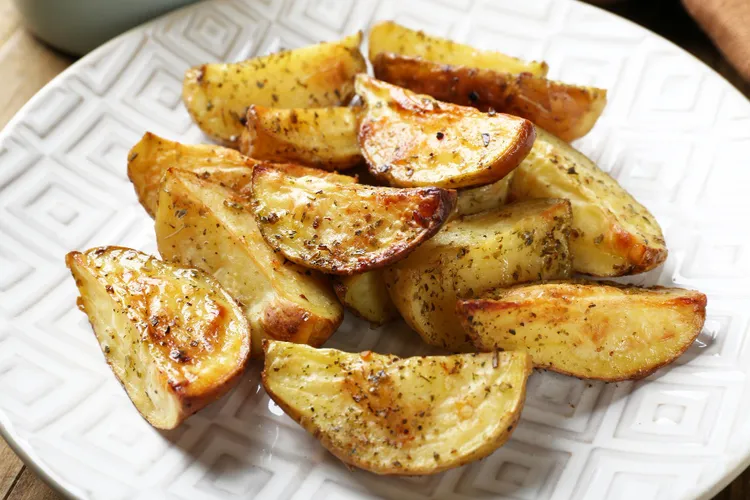
Toss cut vegetables with olive oil (about 2 tablespoons per pound), 1 to 2 teaspoons dried oregano, salt, and pepper. Spread in a single layer on a baking sheet, giving pieces enough room that they roast rather than steam, and roast at 425°F (220°C), tossing halfway through, until tender and caramelized at the edges.
Adjusting Time by Vegetable
- Zucchini, bell peppers, cherry tomatoes: 15 to 20 minutes, quick-cooking summer vegetables that can scorch if left too long
- Broccoli, cauliflower, Brussels sprouts: 20 to 25 minutes, benefiting from a bit more time to caramelize properly
- Carrots, potatoes, winter squash, other root vegetables: 30 to 40 minutes, denser vegetables that need the longest roasting time to become fully tender
Mixing vegetables with very different roasting times on the same tray leads to some pieces being overdone while others are underdone; either stick to vegetables with similar timing or add faster-cooking ones partway through a longer roast.
Seasonal Variations
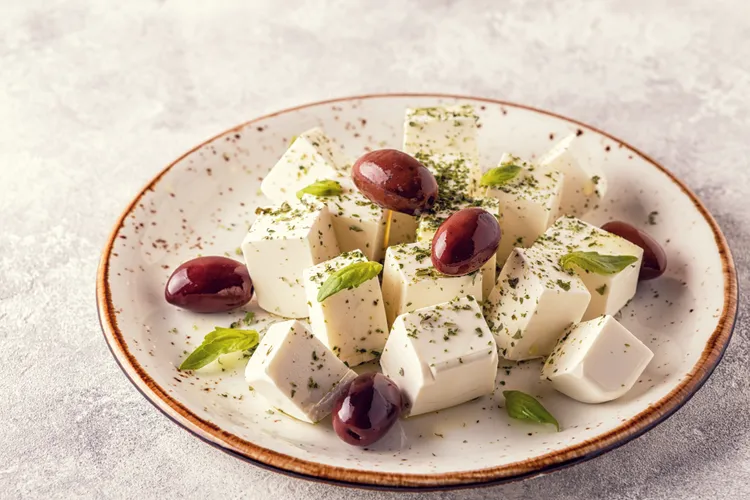
In summer, combine zucchini, bell peppers, and cherry tomatoes with the base oregano seasoning for a Mediterranean-leaning side dish. In fall and winter, root vegetables and winter squash take well to the same oregano base, though a bit of extra olive oil helps with caramelization on denser vegetables. Adding crumbled feta after roasting, regardless of season, ties the dish back to oregano's classic Greek pairing described in Oregano and Feta Recipes.
Fresh vs Dried for Roasting
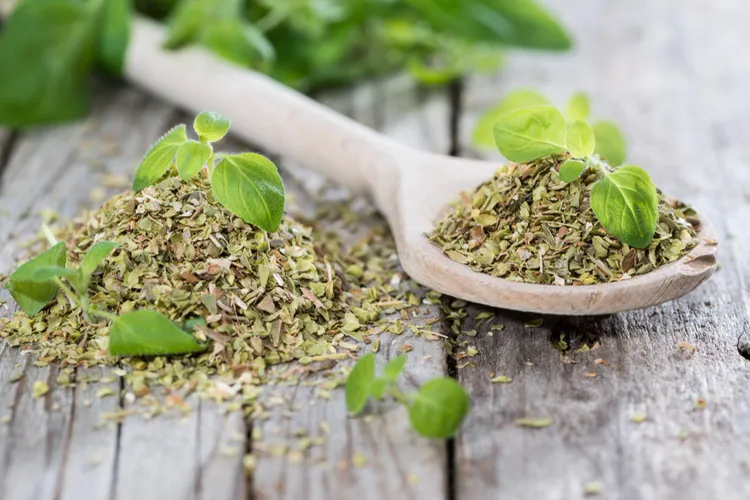
Dried oregano is generally the better choice for roasting, since it holds up to the oven's dry heat without scorching or losing flavor the way fresh oregano's more delicate leaves can over a 20-to-40-minute roast. If using fresh, add it during the last 5 to 10 minutes rather than at the start, or use it as a finishing garnish after the vegetables come out of the oven.
Pairing With Other Seasonings
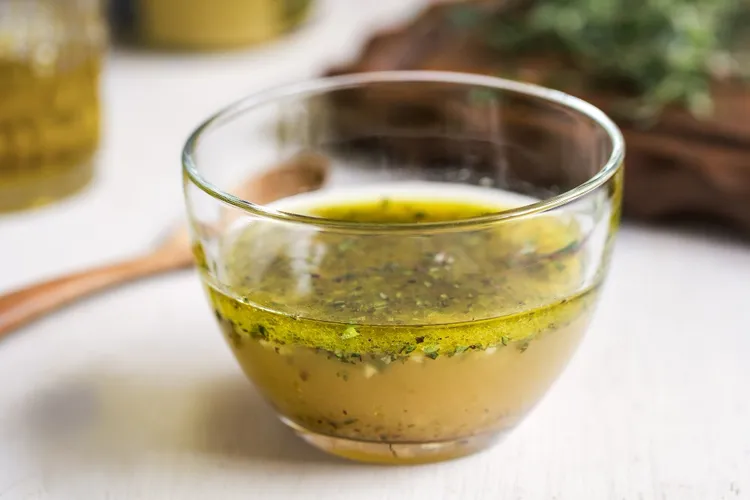
Oregano works well as the sole seasoning for a simple roasted vegetable side, but it also pairs easily with a few additions: a squeeze of lemon juice after roasting brightens the dish, grated Parmesan adds richness, and a drizzle of the oregano oil covered in Oregano Oil reinforces the flavor further without needing extra dried oregano directly on the vegetables.
Using Leftovers
Oregano-roasted vegetables hold up well as leftovers and work beyond their original role as a side dish, tossed into a grain bowl, folded into a frittata, or blended into a quick soup. Because the oregano flavor is already well developed from roasting, these leftovers often taste even better the next day as the flavors continue to settle.
Common Mistakes
- Overcrowding the baking sheet. Vegetables piled too closely steam rather than roast, missing the caramelization that gives roasted vegetables their best flavor; use two trays if needed rather than one crowded one.
- Using the same roasting time for all vegetables regardless of density. See the timing guidance above; a one-size-fits-all approach leads to uneven results.
- Adding oregano too late for a long roast. For denser, longer-roasting vegetables, oregano added at the start has time to properly infuse; save the "add near the end" approach specifically for fresh oregano or a quicker-cooking vegetable.
- Not tossing vegetables partway through roasting. A single flip or toss halfway through ensures more even browning across all sides rather than one flat, contact-browned side.
Frequently Asked Questions
Can I use this method for a sheet-pan dinner with protein included?
Yes, adding chicken thighs or sausage to the tray alongside vegetables with a similar roasting time turns this into a complete one-pan meal; just account for the protein reaching a safe internal temperature.
Does oregano work well with every vegetable, or are some pairings better than others?
It works broadly well across most vegetables, though it particularly shines with tomatoes, zucchini, peppers, and root vegetables; more delicate vegetables like asparagus sometimes suit a milder herb better.
Can I use the Italian seasoning blend instead of plain oregano for this method?
Yes, the blend from Homemade Italian Seasoning Blend works well here too and adds a bit more complexity than oregano alone.
Should I peel vegetables before roasting with this method?
It depends on the vegetable and personal preference; thinner-skinned vegetables like zucchini and bell peppers don't need peeling, while root vegetables like carrots or potatoes can go either way depending on desired texture.
This method is flexible enough to build directly around whatever vegetables are already on hand or in season, making it a reliable base to plug into a weekly meal plan without needing a new recipe every time the vegetable drawer's contents change.
Latest