Poached Quince in Spiced Syrup
Raw quince is inedible. Poached slowly in a spiced syrup, it turns from pale and astringent to rose-pink, tender, and extraordinary. This is the most transformative preserve in the series.
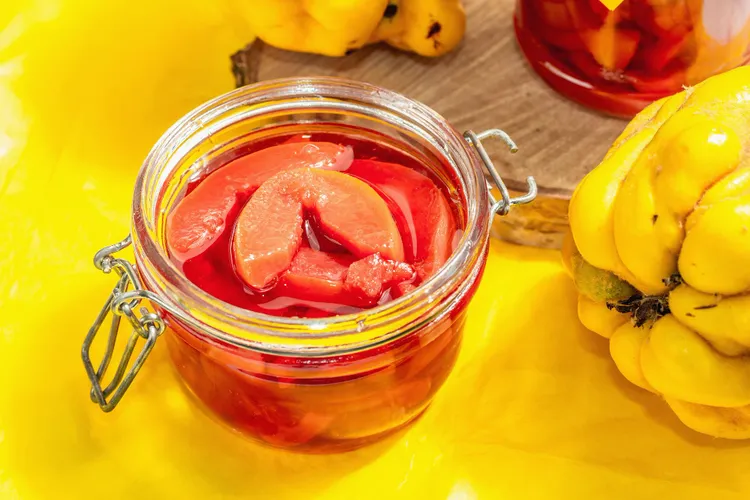
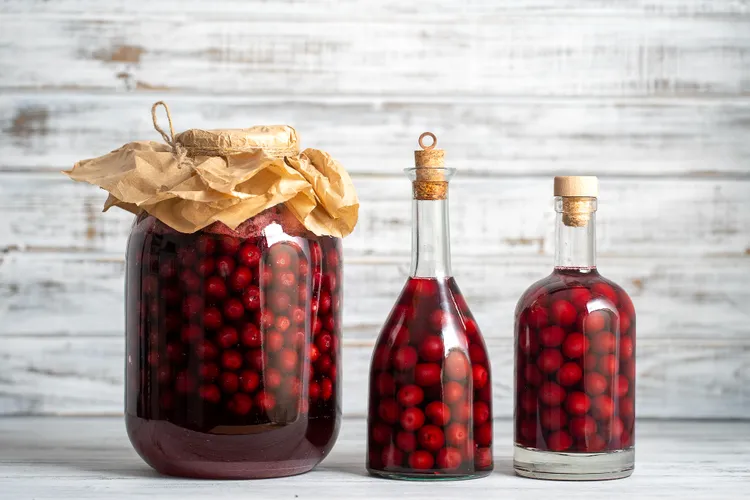
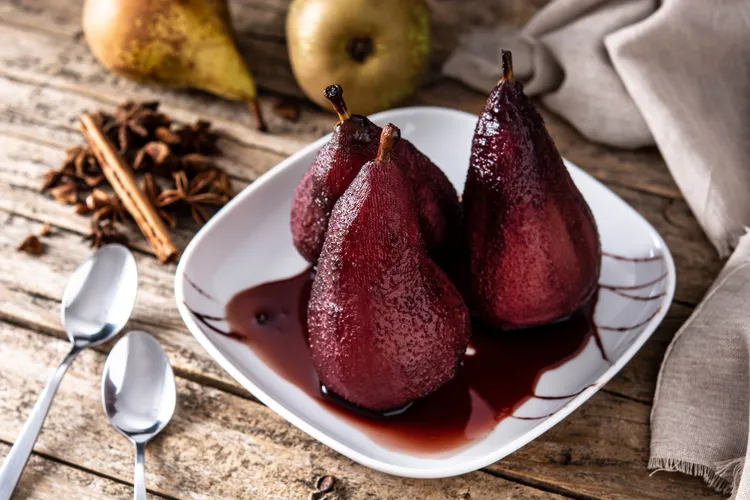
Quince is one of the very few fruits that cannot be eaten raw - it is hard, astringent, and has no pleasant flavour uncooked. What happens when you poach quince in a spiced sugar syrup for several hours is one of the most dramatic transformations in cooking: the fruit turns from pale cream to deep rose-pink or coral, softens to a yielding tenderness, and develops a fragrant, complex flavour unlike any other cooked fruit. The syrup takes on the colour and flavour of the quince and becomes a beautiful, lightly spiced cordial.
The Colour Change
The rose-pink colour that develops during long cooking is produced by the oxidation of tannins in the quince. This does not happen immediately - at 30 minutes the fruit is still pale. At 1 hour it begins to blush. At 2 to 3 hours it reaches a deep coral or rose pink depending on the variety and cooking temperature. The longer and slower the cook, the deeper the colour. Cooking at a very gentle simmer produces deeper colour than a faster boil. This is one of the reasons quince poaching is done in the oven rather than on the hob - the oven's enveloping heat maintains a gentle, even temperature without agitation.
Recipe: Quince in Spiced Syrup
Makes: 2 x 500ml jars | Prep: 20 minutes | Cook: 2 to 3 hours in the oven
Ingredients
- 1kg quince (approximately 3 large), peeled, quartered, cored
- 500g white granulated sugar
- 700ml water
- 1 cinnamon stick
- 3 cardamom pods, lightly crushed
- 1 vanilla pod, split
- Peel of 1 lemon
- 1 tablespoon lemon juice
- 2 star anise
Instructions
- Preheat oven to 140 degrees Celsius. Sterilise jars.
- Combine sugar, water, spices, vanilla, and lemon peel in a wide, heavy oven-proof casserole (a Le Creuset or similar). Heat on the hob until the sugar dissolves. Add lemon juice.
- Add quince pieces to the syrup. They will not be submerged initially - that is fine. Cover tightly with a lid or foil.
- Transfer to the oven. Cook for 2 to 3 hours, turning the quince once or twice during cooking. Check after 2 hours: the quince should be tender and the syrup a deep rose-pink colour. If still pale, continue for another 30 to 60 minutes.
- Transfer quince pieces to sterilised jars. Strain the syrup and pour over to cover. Seal immediately.
- Refrigerate. Best after 24 hours once the colour has deepened further in the jar. Keeps 4 weeks in the fridge, 12 months water bath processed.
Serving Poached Quince
Alongside a cheese course: quince pairs perfectly with manchego, aged cheddar, and hard goat cheeses. The sweetness and astringency cut through the fat of aged cheese in the same way quince paste (membrillo) does, but with a fresher, more delicate quality. As a dessert with cream or creme fraiche and a crumbled almond biscuit. With pork: sliced poached quince served alongside a pork chop or roast pork loin is a classic combination. As a component in a trifle or parfait. The poaching syrup diluted with sparkling water is a beautiful autumn cordial.
Variations
Quince in vanilla and honey: replace 100g of the sugar with honey. The result is more floral and less sharp. Quince in ginger syrup: add 30g of sliced fresh ginger to the poaching liquid. Quince in saffron syrup: a generous pinch of saffron changes the colour dramatically - the result is a vivid orange-gold that looks extraordinary in the jar.
Nutrition (per 100g quince plus 50ml syrup)
- Calories: approximately 110 kcal
- Carbs: 28g (of which sugars 27g)
- Protein: 0.3g
- Fat: 0g
For the complete guide to sugar preserving including candied fruit, fruit in syrup, and flavoured syrups, see the complete sugar preserving guide.
Quince Sourcing
Quince is a seasonal fruit with a short window: typically October to December in the UK, sometimes extending into January. It is not widely stocked by supermarkets but is reliably available from: farmers' markets in autumn, specialist fruit and vegetable shops, some Turkish and Middle Eastern grocery stores (where quince is central to the culinary tradition), and online fruit retailers during the season. Many garden centres and nurseries sell quince trees - a single mature tree produces more fruit than most households can use, and neighbours with quince trees in their gardens are often delighted to find someone who wants the surplus.
Outside the fresh season, quince can be frozen whole, unwashed, for use later in the year. Freeze in the autumn; thaw completely before peeling and poaching. The texture of thawed quince is slightly softer than fresh but entirely adequate for poaching, as the long gentle cook will soften the fruit anyway. Canned quince is available from Spanish and Middle Eastern grocers - it is pre-cooked and far softer than fresh, so it does not suit the poaching method but can be used for quince paste and quince jelly applications. For the complete guide to sugar preserving and all techniques in this series, see the complete sugar preserving guide. Use Consillar's meal prep planner to schedule quince preserving into your October cooking calendar.
Quince Peel and Core: What to Do with Them
Quince peel and core contain the highest concentration of pectin in the fruit. After peeling and coring the quince for poaching, do not discard the trimmings. Add them to the poaching syrup in a muslin bag or directly to the pot and remove with the rest of the solids when straining the finished syrup. They contribute additional pectin that thickens the syrup slightly and adds depth of flavour. Alternatively, simmer the peel and cores separately in water to make a quince pectin liquid - strain, and use this liquid in place of water in any jam or jelly recipe to improve the set of low-pectin fruit.
The leftover poaching syrup after the quince is eaten is exceptional. It is a deeply flavoured, rose-coloured cordial with the warming spice from the poaching aromatics. Diluted 1:3 or 1:4 with sparkling water, it makes one of the best seasonal drinks available in autumn. Reduced by half over gentle heat, it thickens into a syrup suitable for drizzling over ice cream or yoghurt. Added to a slow-cooked lamb dish in small quantities, it provides a subtle sweetness and complexity. The quince flavour in the syrup is unlike any other - floral, astringent, complex. Use every drop. For the complete sugar preserving guide and the full seasonal preserving framework, see the complete sugar preserving guide. Plan your quince preserving session for October with Consillar's meal prep planner.
Quince in Savoury Cooking
Poached quince is traditionally a sweet preserve, but its astringency and complex flavour make it genuinely useful in savoury contexts. A slice of poached quince alongside a roast pork loin provides the same function as apple sauce but with more complexity. Added to a Moroccan-style lamb tagine in the last 30 minutes of cooking, it provides sweetness and a fruity body to the sauce. Chopped and mixed into a stuffing for chicken or duck, it complements the richness of the bird. Served on a cheese board, it is the Iberian tradition of membrillo applied to a softer, more yielding product.
The poaching syrup has an even wider savoury range. A tablespoon stirred into a pan sauce for duck or pork adds a subtle sweetness and complexity. Used as part of a glaze for roasting meat (combined with a little soy sauce and ginger), it produces a beautifully coloured caramelised crust. Diluted and used as the braising liquid for pork cheeks or lamb shoulder, it contributes the same depth as quince jelly used in the same application. The rose-coloured syrup also makes a striking and unusual base for a vinaigrette - 1 tablespoon of quince poaching syrup, 1 tablespoon of sherry vinegar, 3 tablespoons of olive oil, salt. Use on a salad of bitter leaves with aged manchego and walnuts. For the complete sugar preserving guide, see the complete sugar preserving guide. Plan your quince session in October with Consillar's meal prep planner.
Quince in Context
Quince is one of the oldest cultivated fruits in the world, grown around the Mediterranean for at least 4,000 years. The ancient Greeks associated it with Aphrodite and used it in wedding ceremonies. Medieval European households kept quince in store rooms where its fragrance would perfume the room. The extraordinary colour transformation during cooking - from pale cream to deep rose - is a purely natural chemical reaction that occurs in no other common fruit. The colour, the fragrance, and the transformative cooking process make quince one of the most interesting seasonal ingredients a home cook can work with. Its brief October to December season, its unavailability in most supermarkets, and the patience its preparation requires make a jar of rose-coloured poached quince something genuinely special - worth making, worth serving, and worth giving. For the complete guide to all sugar preserving techniques, see the complete sugar preserving guide.
First Time Making Poached Quince
The most common first-time concern with poaching quince is the long oven time. Two to three hours at 140 degrees sounds excessive for a fruit preserve - it is not. Quince is unique among commonly available fruits in requiring extended, gentle heat to both soften and develop its colour. At 90 minutes it will be tender but still pale. At two hours the first blush of pink appears. At three hours the colour is deep and the flavour fully developed. Resist the urge to increase the oven temperature to speed the process - the gradual colour change requires the specific chemistry of slow, low-temperature cooking. A higher temperature produces a softer quince with a muddy brown colour rather than the vivid rose-pink of a properly slow-cooked batch.
After the first time, the process becomes intuitive. The colour change is an accurate indicator of doneness that is more reliable than timing: when the quince has turned the colour of a sunset and the syrup is a deep ruby, it is ready. This visual cue works across different varieties and sizes of quince where timing alone would require adjustment. For the complete guide to all sugar preserving techniques, see the complete sugar preserving guide. Use Consillar's meal prep planner to plan your October quince session.
The Best Occasion for Poached Quince
Poached quince is at its most effective when it appears as something unexpected. Most guests at a dinner party have never eaten poached quince in spiced syrup and have no reference point for it. The colour surprises them (that deep rose was not what they expected from a fruit). The flavour surprises them further (nothing quite like it in their experience). The context surprises them most of all - a home cook produced this from a jar they made themselves three weeks ago. This combination of novelty and quality, delivered from a shelf ingredient with minimal effort at serving time, is exactly what a well-stocked preserve larder enables. It requires no last-minute cooking, no special equipment, no time the evening of the dinner. Just a jar, a bowl, some cream, and the quince that spent three weeks developing in spiced syrup while sitting quietly in the fridge. For the complete guide to all sugar preserving techniques in this series, see the complete sugar preserving guide.
Final Notes on Quince
Quince is worth seeking out specifically for this recipe, even if you have never cooked with it before. The transformation it undergoes during the long, slow oven poach - from pale and astringent to rose-pink and fragrant - is one of the most dramatic and satisfying in all of home preserving. The season is short (October to December), the fruit is not widely stocked, but the effort of finding it is repaid immediately when the first jar comes out of the oven a vivid, jewel-like coral and fills the kitchen with a perfume that is unlike anything else. Use Consillar's meal prep planner to mark October in your cooking calendar specifically for quince. For the complete guide to all sugar preserving techniques, see the complete sugar preserving guide. Use Consillar's nutrition calculators to track poached quince in your daily intake.
Latest