Sugar Preserves as Gifts: Packaging, Labelling, and Ideas
Homemade sugar preserves make exceptional gifts. This guide covers presentation, labelling, shelf life communication, seasonal timing, and gift sets worth making.
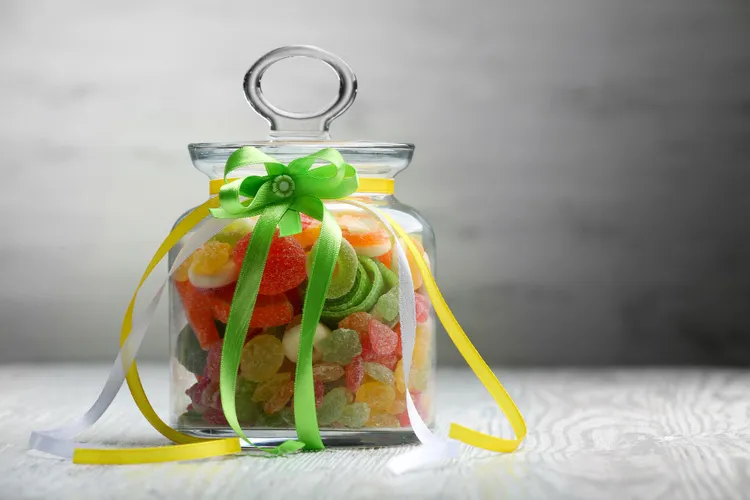
A well-presented jar of homemade crystallised ginger or a bottle of elderflower syrup is an exceptional gift. It is unusual enough to be interesting, practical enough to be used, personal in a way that purchased food gifts are not, and represents skill and time that commercial products cannot replicate. The challenge is not making the preserves - those techniques are covered throughout this series - but presenting them in a way that communicates their quality.
Containers That Work
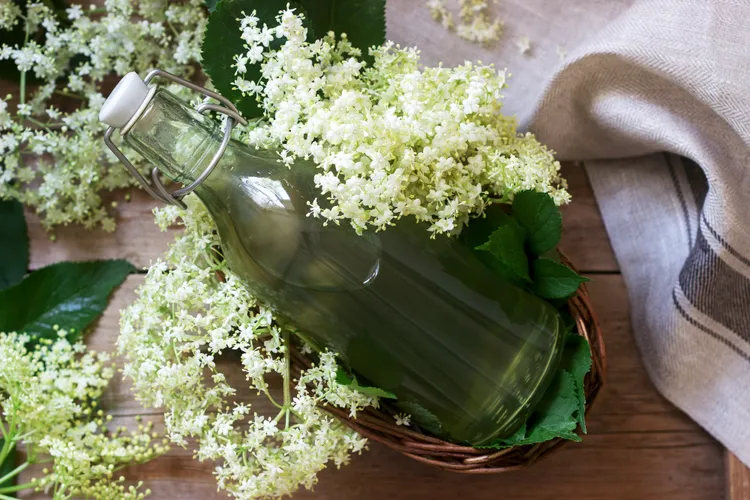
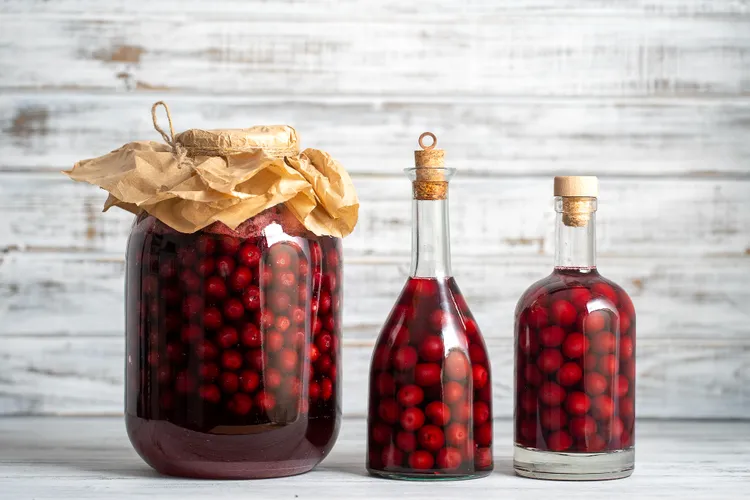
For syrups and liquid preserves: swing-top glass bottles (Kilner-style, 250ml to 500ml) are the most attractive option and available from kitchenware shops and online. Clean commercial bottles from premium drinks and sauces are good secondary options. Avoid plastic bottles - they make the contents look cheap regardless of quality.
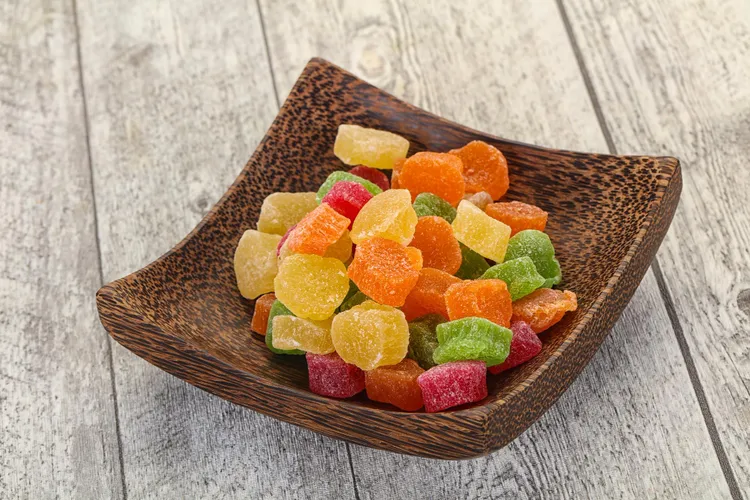
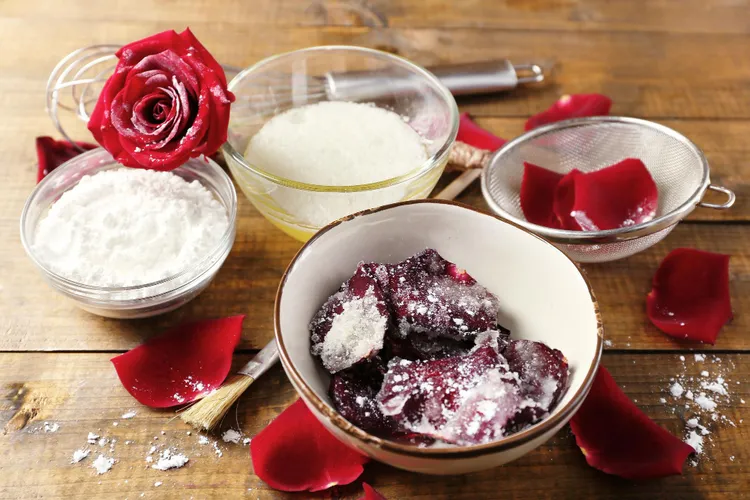
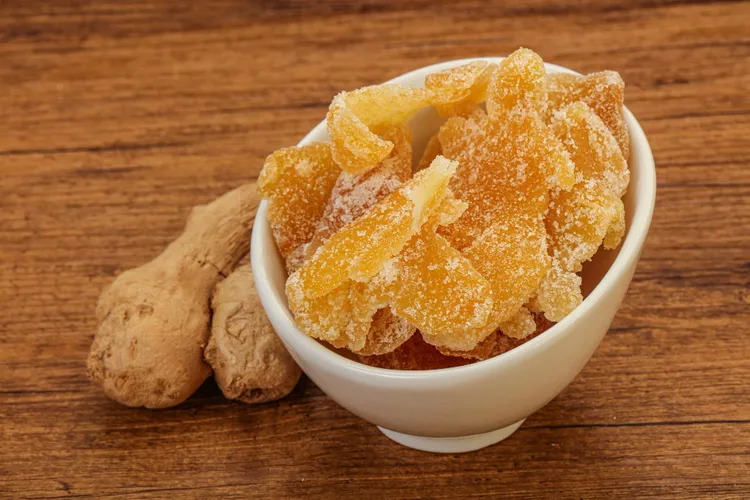
For candied fruit, crystallised ginger, and pate de fruit: small glass jars with lids (200ml to 300ml), small boxes with cellophane windows, or wide-mouthed clip-top jars that allow the contents to be visible. Arrange the contents in a single layer to show them off. For crystallised flowers: a flat, square tin with a clear lid is ideal - the flowers are fragile and look best displayed flat rather than piled.
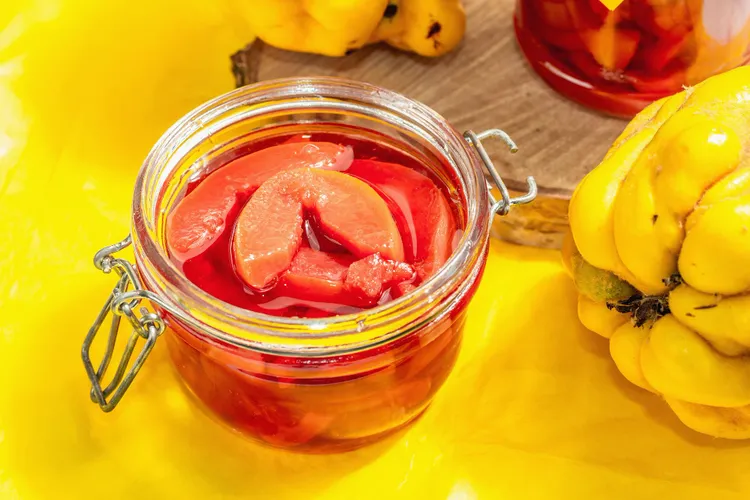
For fruit in syrup: standard preserving jars (250ml to 500ml) with two-piece lids are both functional and attractive. The contents are visible through the glass and good fruit in a clear or jewel-coloured syrup presents itself.
Labelling: What to Include
Every gift jar needs a label with four elements: the name of what is inside, the date made, the shelf life and storage instruction, and your name if appropriate. The fourth element is often forgotten and matters: a jar labelled "Pears in Spiced Syrup - October 2026 - refrigerate, use within 4 weeks once opened, 6 months sealed" is a complete, clear gift. A jar without a label is mysterious and often goes unused because the recipient does not know what it is or how long they have to use it.
For aesthetic labels: kraft paper labels with handwritten text in a fine black pen are the simplest and most effective. Printed labels on white or cream paper with a simple design work for larger batches. Wax seal stamps on the lid or a tag tied to the neck of a bottle add a finishing touch that costs almost nothing.
Shelf Life Communication
Be explicit and accurate about shelf life. The ranges across this series:
- Candied citrus peel: 3 months room temperature, 9 months frozen
- Crystallised ginger: 6 months room temperature
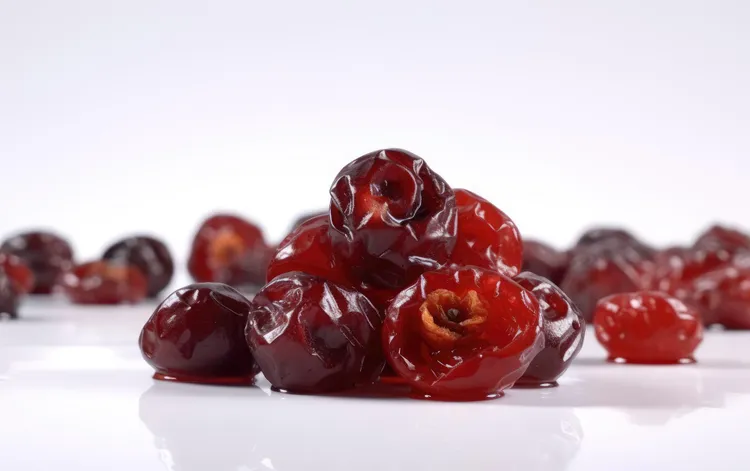
- Glacé cherries: 3 months room temperature, 6 months frozen
- Peaches in syrup: 3 weeks refrigerated, or 12 months if water bath processed
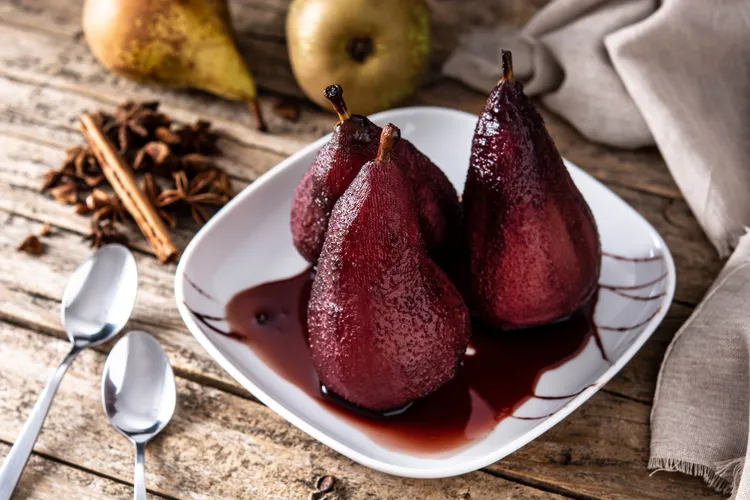
- Pears in spiced syrup: 4 to 6 weeks refrigerated, or 12 months if processed
- Cherries in brandy: 12 months sealed, 3 months after opening refrigerated
- Flavoured syrups: 3 to 4 weeks refrigerated
- Pate de fruit: 3 to 4 weeks room temperature
- Poached quince: 4 weeks refrigerated, or 12 months if processed
- Crystallised flowers: 3 to 4 weeks room temperature
Seasonal Gift Sets Worth Making
Christmas gift box: Crystallised ginger (made September), candied orange peel (made October), homemade mincemeat from the preserves guide, and a bottle of cherry or sloe gin-flavoured syrup. Pack in a box with tissue paper. The preparation spans two months with each item made in season.
Summer entertaining set: Cherries in brandy (made June), elderflower syrup (made late May to early June), peaches in vanilla syrup (made July to August). The cherries are at 3 months maturity by September and all three can be packed together for an early autumn gift.
Baker's pantry box: Candied orange peel, crystallised ginger, vanilla sugar, and a small jar of pate de fruit. Everything in this set has a long shelf life and direct baking applications. Suitable year-round.
Cocktail set: Lavender syrup, hibiscus syrup, ginger syrup, and a jar of cherries in brandy. Include a small card with one cocktail suggestion per syrup. A gift specifically for someone who entertains.
Making Gift Production Efficient
The seasonal nature of most sugar preserves means gift production is spread across the year rather than concentrated in December. A preserving calendar planned in January and executed month by month produces a stock of finished preserves by November without any single weekend becoming overwhelming. Use Consillar's meal prep planner to schedule each preserve into the appropriate season and track what is in storage. For the complete guide to every sugar preserving technique covered in this series, see the complete sugar preserving guide.
One Final Note on Generosity
The most important thing about giving food you have made is giving enough. A single jar of pears in spiced syrup that disappears in one dessert is generous but not memorable. Four jars that last through January, used a little at a time and thought about each time, create a different kind of impression. When you make a batch, make it large enough to give properly. The ingredients are inexpensive. The gesture is in the making and the abundance.
The Economics of Homemade Sugar Preserve Gifts
A commercial jar of crystallised ginger from a specialist food shop typically costs four to six pounds for 150g. A homemade batch of 250g made from fresh ginger costs approximately one to two pounds in ingredients. The gap between cost and perceived value is even larger for candied citrus peel, glacé cherries, and pate de fruit - all of which are sold at significant premium in specialist shops and patisseries. This economic reality makes homemade sugar preserves exceptionally good gifts: the perceived value is high, the actual cost is low, and the quality of the homemade version is genuinely equal to or better than the commercial equivalent.
For households that spend significantly on Christmas and birthday gifts, a policy of homemade food gifts for certain recipients - particularly those who cook, entertain, or appreciate food quality - produces gifts of comparable value and quality at a fraction of the commercial cost. The time investment is real but spread across the year in seasonal sessions rather than concentrated into a December shopping crisis. A December gift box assembled from preserves made through the year costs perhaps fifteen to twenty pounds in total ingredients and represents eight to ten months of occasional kitchen sessions. The commercial equivalent would cost sixty to one hundred pounds from a quality food hall. The savings are substantial; the gift is arguably better. For the complete sugar preserving guide covering all production techniques, see the complete sugar preserving guide. Use Consillar's meal prep planner to schedule preserving sessions throughout the year against seasonal availability.
Labelling and Presentation: The Details That Matter
The difference between a homemade food gift that looks considered and one that looks improvised is almost always in the labelling and finishing. A jar of perfectly made pears in spiced syrup with no label and a slightly sticky lid looks like an afterthought. The same jar with a clean kraft paper label, handwritten in a neat hand with the name of the preserve, the date, and a brief serving suggestion, tied with a piece of natural twine, looks like something from a food shop. The contents are identical. The experience of receiving them is not.
Practical finishing touches that are inexpensive and effective: cut labels from kraft paper card using a paper trimmer for clean edges. Use a fine-tip black marker pen for handwriting - felt tips bleed and look untidy. A gold or coloured wax seal stamped onto the lid is available for under five pounds from craft shops and adds a professional finish to any jar. For bottles of syrup, a small luggage tag tied to the neck with the name, date, and suggested use is often better than an adhesive label (it is easier to write on and looks intentional). For boxes of candied fruit or pate de fruit, a typed card inside the box listing the contents and the storage instructions is both practical and elegant. These details cost almost nothing and transform the perceived quality of a gift that was already excellent in substance. For the complete guide to sugar preserving techniques covering every product in this series, see the complete sugar preserving guide. Use Consillar's meal prep planner to build a preserving calendar that produces a full year's gift stock.
Building a Year-Round Preserving Practice
The gift production calendar above assumes you are making preserves specifically for gifting. The more sustainable approach is making preserves because you enjoy them and having enough surplus to give away. Once sugar preserving is a regular habit rather than a gift project, the quality improves (because you are making things repeatedly and developing technique), the stress disappears (because you are not racing a deadline), and the gifts become genuinely personal (because they reflect your actual cooking practice rather than a planned gift strategy).
The practical rhythm: start with one or two techniques that appeal most and make them well. The elderflower syrup in late May if you have access to elderflower. The cherries in brandy in June. The crystallised ginger whenever good fresh ginger is available. Expand gradually as technique and confidence develop. After two or three years of this practice, a December gift box assembles itself from the accumulated production of the year. The work was spread across the year in sessions that were intrinsically worthwhile, not concentrated into a December project that feels like obligation. Use Consillar's meal prep planner to build this preserving rhythm into your year, scheduling each technique against its seasonal window. For all the production techniques covered in this series, see the complete sugar preserving guide.
The January Start
January is the best time to start building a sugar preserve gift habit for the following Christmas. Not because there is much to make in January - Seville orange season for marmalade aside, fresh fruit is limited - but because January is when the planning happens. Review what ran out from last year's stock. Decide what to add. Write a preserving calendar against seasonal availability. Order specialist jars or packaging materials you need. This preparation takes one afternoon and ensures that when May arrives and the elderflower is blooming, you are ready with the equipment and the plan rather than scrambling to improvise. The most productive home preservers are not the most skilled - they are the most organised. Use Consillar's meal prep planner to build the full year's preserving calendar into your weekly planning. For all the production techniques covered in this series, see the complete sugar preserving guide.
Adapting the Gift to the Recipient
The most thoughtful food gifts are specific to the person. A baker gets the baker's pantry box: candied peel from the candied peel guide, glacé cherries from the glacé cherry guide, and crystallised ginger from the crystallised ginger guide. A cocktail enthusiast gets the drinks set: lavender syrup, hibiscus syrup, and ginger syrup from the flavoured syrups guide. Someone who cooks for entertaining gets the dessert set: pears in spiced syrup from the pears guide, peaches in vanilla syrup from the peaches guide, and cherries in brandy from the cherries guide.
The specificity is what makes the gift memorable. A generic food hamper communicates expense. A curated selection based on what you know about how the recipient cooks communicates attention and care. Both take roughly the same amount of time and money - the difference is thought, not resources. For the complete guide to all sugar preserving techniques and how to produce everything described above, see the complete sugar preserving guide. Use Consillar's meal prep planner to schedule the year's preserving sessions around each seasonal window.
Quantity and Practicality
The most practical gift quantities for sugar preserves: syrups in 250ml bottles (2 to 3 servings each - enough to try and appreciate without the pressure of finishing a large bottle before it expires). Fruit in syrup in 250ml jars (2 to 4 portions - appropriate for a couple to use over a few occasions). Candied fruit in 150 to 200g portions (enough for one baking project or several weeks of occasional eating). Cherries in brandy in 350ml jars (enough for 8 to 10 servings, appropriate for occasional dessert use over 2 to 3 months). Gifting in smaller, more generous quantities is better than one large jar - the recipient opens it, uses it before it expires, and has a positive experience rather than the mild anxiety of finishing a large jar of something before it goes off. For all production techniques and the complete sugar preserving framework, see the complete sugar preserving guide.
Latest