Simple Syrup and Flavoured Syrups: The Complete Guide
Simple syrup takes 5 minutes and has dozens of uses in drinks, baking, and desserts. Flavoured syrups extend that range considerably. This guide covers ratios, flavouring methods, and 8 tested recipes.
Simple syrup is the preserve that requires the least effort and gets used the most often. Five minutes of dissolving sugar in hot water produces a liquid that keeps in the fridge for a month, sweetens cold drinks without gritty undissolved sugar, soaks cake sponges to keep them moist, replaces refined sugar in cocktails, and forms the base for every flavoured syrup in this guide. Every serious home cook or baker should have a jar in the fridge at all times.
The Two Ratios
Simple syrup is made in two primary ratios. Equal parts (1:1) by weight - 200g sugar dissolved in 200ml water - produces a light syrup with a pourable consistency. This is the standard for cocktails, drinks, and light glazing. Rich simple syrup (2:1) - 400g sugar dissolved in 200ml water - is thicker, more viscous, and sweeter per volume. It is better for cake soaking (you use less to achieve the same effect), for drizzling over desserts, and for applications where you want a dense, sweet coating rather than a light sweetening.
Basic Method
Combine sugar and water in a saucepan. Heat over medium heat, stirring until the sugar is completely dissolved. Do not boil - boiling is not necessary and can cause the syrup to crystallise over time. Once dissolved, remove from heat and cool. Store in a sealed bottle or jar in the fridge. 1:1 syrup keeps for 3 to 4 weeks. Rich 2:1 syrup keeps for up to a month due to the higher sugar concentration.
8 Tested Flavoured Syrup Recipes
1. Elderflower Syrup
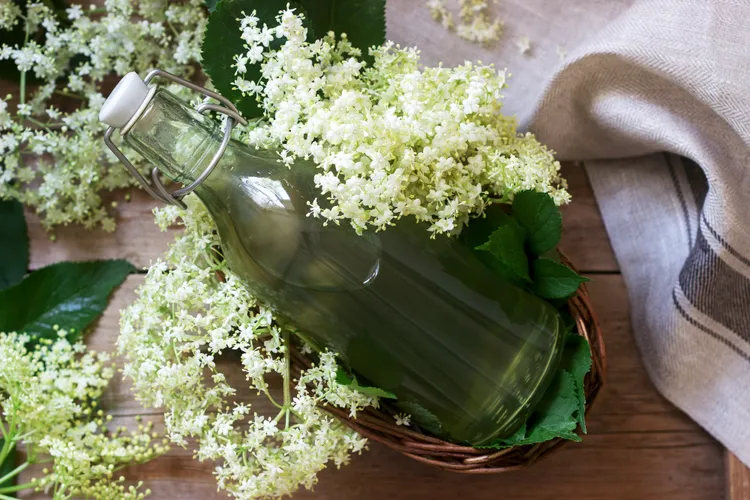
Makes: 500ml | Steep 15 elderflower heads in 500ml of 1:1 hot simple syrup for 24 hours. Add the juice of 2 lemons and a few strips of lemon zest to the steeped syrup. Strain through muslin. Bottle. Keeps 3 weeks refrigerated. Use: diluted 1:5 with sparkling water, drizzled over gooseberry fool, as a cordial base.
2. Rosemary and Lemon Syrup
Makes: 300ml | Add 4 rosemary sprigs and the peel of 1 lemon to 300ml of hot 1:1 simple syrup. Steep 30 minutes. Strain. Use: in gin cocktails, drizzled over cheesecake, as a glaze for roast vegetables (the syrup-savoury combination works particularly well).
3. Vanilla Syrup
Makes: 300ml | Split 2 vanilla pods and add to 300ml of hot 2:1 rich syrup. Steep 1 hour, or leave the pods in the bottle for ongoing infusion. Use: in coffee, over pancakes, as a cake soaking syrup, in cold brew.
4. Ginger Syrup
Makes: 300ml | Peel and roughly chop 80g fresh ginger. Simmer with 300ml of 1:1 simple syrup for 15 minutes. Cool and steep 1 hour. Strain. Use: in Moscow mules and ginger cocktails, in ginger cake batter, over ice cream, diluted in sparkling water for a homemade ginger beer.
5. Lavender Syrup
Makes: 300ml | Steep 3 tablespoons of dried culinary lavender in 300ml of hot 1:1 syrup for 30 minutes. Strain carefully - lavender can become soapy if over-steeped. Use: in French 75 cocktails, drizzled over shortbread, in lemonade, in Earl Grey iced tea.
6. Hibiscus Syrup
Makes: 300ml | Steep 4 tablespoons dried hibiscus flowers in 300ml of hot 1:1 syrup for 20 minutes. Strain. The result is vivid crimson. Use: in cocktails and mocktails, stirred into sparkling water, drizzled over yoghurt, as a grenadine substitute in tequila sunrise.
7. Cinnamon Syrup
Makes: 300ml | Simmer 3 cinnamon sticks in 300ml of 2:1 rich syrup for 20 minutes. Cool and steep until flavour is at the right intensity (taste from 30 minutes). Strain. Use: in autumnal cocktails, over oatmeal, in mulled wine, as a pancake syrup.
8. Mint Syrup
Makes: 300ml | Pour 300ml of hot 1:1 simple syrup over a large bunch of fresh mint (approximately 30g). Steep 20 minutes. Strain. Do not heat with the mint - heat destroys the volatile oils that give mint its freshness. Use: in mojitos, in lemonade, over fruit salad, in iced tea.
Storing and Using Syrups
All flavoured syrups keep for 2 to 4 weeks refrigerated in a sealed bottle. Add a tablespoon of vodka per 300ml to extend refrigerator life to 6 weeks - the alcohol inhibits mould growth without affecting flavour in the amounts used. Label every bottle with the flavour and date. Syrups can also be frozen in ice cube trays for use in cocktails - the syrup cube melts into the drink as it is consumed, adding flavour without diluting with water.
Nutrition (per tablespoon, 1:1 simple syrup, 15ml)
- Calories: approximately 50 kcal
- Carbs: 13g (of which sugars 13g)
- Protein: 0g
- Fat: 0g
For the complete guide to sugar preserving, see the complete sugar preserving guide. Track the sugar contribution of flavoured syrups in your daily intake with Consillar's nutrition calculators.
Syrup in Baking
Simple syrup is one of the most useful baking ingredients and one of the most underused by home bakers. Cake sponge soaking is its primary application: a sponge that has been brushed with simple syrup after baking and before filling or icing retains moisture for days rather than drying out within hours. This is the technique professional patisseries use to keep celebration cakes moist through multi-day assembly. The ratio is approximately 50ml of simple syrup brushed over each layer of a standard 20cm sponge cake. Use a pastry brush to apply evenly across the surface immediately after the cake comes from the oven while it is still hot and the sponge is porous.
Flavoured syrups upgrade this technique: a lemon and rosemary syrup brushed over a lemon sponge, a vanilla syrup on a Victoria sponge layer, an elderflower syrup on a strawberry and cream cake. The syrup adds flavour at the same time as moisture, turning a functional preservation step into a flavour development one. Any of the eight flavoured syrups in this guide can be used for cake soaking. For applications where the syrup is visible - drizzled over a dessert or incorporated into a drink - the flavour matters more; for invisible applications like soaking, almost any flavour combination works. For the complete sugar preserving guide, see the complete sugar preserving guide.
Syrups in Non-Alcoholic Drinks
The growing market for non-alcoholic drinks has created demand for complex, sophisticated flavours in drinks that do not use alcohol as a carrier. Homemade flavoured syrups provide exactly this: concentrated flavour in a sweet, stable liquid that can be combined with sparkling water, still water, tonic, or non-alcoholic spirits to produce drinks with real depth and interest. A hibiscus syrup with tonic water and fresh lime is more interesting than a standard fruit juice. An elderflower syrup with sparkling water and a few mint leaves is a classic that never gets old. A lavender and lemon syrup with sparkling water and a sprig of fresh lavender is impressive enough to serve at a dinner party as the non-alcoholic option without it feeling like an afterthought.
The proportions for a non-alcoholic drink: 15 to 30ml of flavoured syrup (1 to 2 tablespoons) per 200 to 250ml of sparkling water, adjusted to taste. This produces a lightly sweetened drink at approximately 50 to 100 kcal per serving - lower than most commercial soft drinks. Use Consillar's nutrition calculators to track the sugar contribution of homemade syrups in drinks. For the complete sugar preserving guide, see the complete sugar preserving guide.
Syrups for Cake Making
Professional patissiers use simple syrup to keep cake layers moist for multi-day assembly and storage. The technique is direct: brush or drizzle syrup over the exposed top surface of each sponge layer immediately after baking while still hot. The heat opens the pores of the sponge and the syrup is absorbed rather than sitting on the surface. Use approximately 50ml of syrup per layer of a standard 20cm round cake. The flavoured syrup should complement the cake: vanilla syrup on a classic sponge, lemon syrup on a lemon drizzle, elderflower syrup on a elderflower and cucumber summer cake, rose syrup on a pistachio and cardamom cake. The syrup adds flavour dimension that plain sponge does not have, which is partly why patisserie cakes taste more complex than home bakes made without this step.
For chocolate cake, a coffee syrup (dissolve 2 teaspoons of espresso powder in hot simple syrup) or an orange syrup reinforces the chocolate flavour and keeps the crumb moist for days. For a rich fruit cake that will be stored for weeks, a brandy-spiked syrup (2 tablespoons of brandy per 100ml of simple syrup) feeds the cake gradually and improves the shelf life. For the complete guide to sugar preserving techniques, see the complete sugar preserving guide.
A Practical Syrup Pantry
The most useful approach to flavoured syrups is maintaining a small rotating stock of two or three varieties at any time. A vanilla syrup for coffee and baking is worth having permanently. A seasonal syrup changes with what is available and appropriate: elderflower in May and June, lavender through summer, cinnamon from September onwards. One cocktail-specific syrup - hibiscus, ginger, or rosemary depending on preference - rounds out a home bar setup. Three bottles in the fridge, each clearly labelled with the flavour and date, is a practical and sustainable approach that provides constant utility without excessive production effort. Refresh each bottle as it empties. For the complete sugar preserving guide covering all techniques, see the complete sugar preserving guide. Track the sugar contribution of homemade syrups with Consillar's nutrition calculators.
Syrups for Cold Brew and Coffee
Flavoured syrups improve cold brew coffee and iced drinks in a way that dry sugar cannot. Dry sugar does not dissolve in cold liquid without vigorous stirring, and the undissolved granules settle to the bottom and create uneven sweetness. A simple syrup dissolves instantly and distributes evenly throughout a cold drink. The vanilla syrup in this guide is the classic coffee shop flavouring: 15ml (1 tablespoon) in a glass of cold brew over ice produces the equivalent of a vanilla latte without the milk. The cinnamon syrup in autumn coffee drinks creates a seasonal warmth. The lavender syrup in iced tea or sparkling water is the most unexpected and often the most appreciated.
For home coffee use, a 2:1 rich syrup is better than 1:1 because you use less volume per drink - 10ml of rich syrup provides the same sweetening as 20ml of standard simple syrup, which means the syrup bottle lasts twice as long. Make the base syrups in 300ml batches specifically for coffee use - this quantity lasts 2 to 3 weeks at normal usage rates. The ginger syrup from the crystallised ginger process in the crystallised ginger guide is one of the best homemade coffee syrups available - the natural ginger heat provides a warming background note that complements dark roast coffee particularly well. For the complete sugar preserving guide, see the complete sugar preserving guide.
Syrup Troubleshooting
Syrup that crystallises in the bottle: either the sugar was not fully dissolved before bottling, or the bottle was stored somewhere too cold. Crystallised syrup can be rescued by gently warming the sealed bottle in a bowl of hot water until the crystals dissolve. Adding a tablespoon of glucose syrup per 300ml of syrup when making it prevents crystallisation by disrupting the regular crystal structure that sucrose tends to form. Syrup that ferments (develops bubbles, smells faintly alcoholic, or tastes fizzy): the sugar concentration was too low or the syrup was stored too warm. A 2:1 rich syrup is much more resistant to fermentation than a 1:1 syrup because the higher sugar concentration inhibits yeast activity. Use Consillar's nutrition calculators to track simple syrup in drinks and baking. For the complete sugar preserving guide, see the complete sugar preserving guide.
Flavoured syrups are the most immediately useful products in the sugar preserving repertoire. They are made in 20 minutes, used constantly in daily cooking and drinks, and cost a fraction of their commercial equivalents. Start with vanilla and ginger - the two with the widest applications - and expand from there. For the complete guide to all sugar preserving techniques in this series, see the complete sugar preserving guide.
Latest