Home Preserving with Sugar: Candied Fruit, Crystallised Ginger, Fruit in Syrup
Sugar as a preservation medium: how it works, what it produces, and the techniques behind candied fruit, crystallised ginger, glacé cherries, fruit in syrup, sugar syrups, and more.
Sugar has been used as a preservation medium for centuries, long before refrigeration existed. At high enough concentrations it removes the available moisture that bacteria and mould need to survive, creating shelf-stable products that would otherwise spoil within days. The techniques that result from this principle are some of the most versatile and rewarding in home preserving: candied citrus peel that keeps for months and makes every baked good it touches better, crystallised ginger with genuine heat and complexity, poached fruit in light syrup that tastes of summer in January, and simple sugar syrups that have dozens of uses in drinks, desserts, and cooking.
How Sugar Preserves Food
Sugar preserves through a mechanism called water activity reduction. Every microorganism needs available water to grow. Sugar, at high concentrations, binds water molecules - making them unavailable to bacteria, yeast, and mould even though the food is technically still moist. Jam set at 65 percent sugar concentration is shelf-stable. Candied fruit saturated with 70 to 80 percent sugar syrup keeps at room temperature indefinitely. Fruit in a heavy syrup will not keep at room temperature in a sealed jar without water bath processing, but it can be kept for weeks in the fridge because the high sugar content slows bacterial growth dramatically.
The sugar does not kill microorganisms directly - it starves them of water. This is why a jar of jam that is properly made and sealed but then opened and left at room temperature eventually grows mould: the exposure to air allows the sugar to absorb ambient moisture and the surface concentration drops enough for mould to grow. Freshly made candied fruit left uncovered in a humid kitchen becomes sticky for the same reason. Controlling moisture during and after production is as important as the sugar concentration itself.
The Three Sugar Preserving Categories
Candying and Crystallising
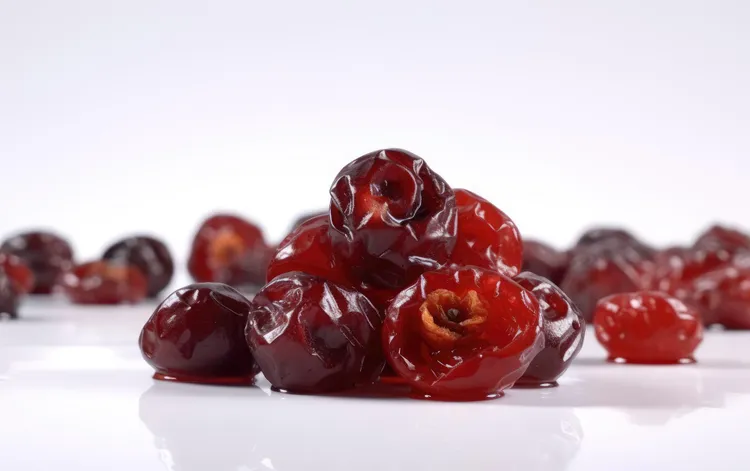
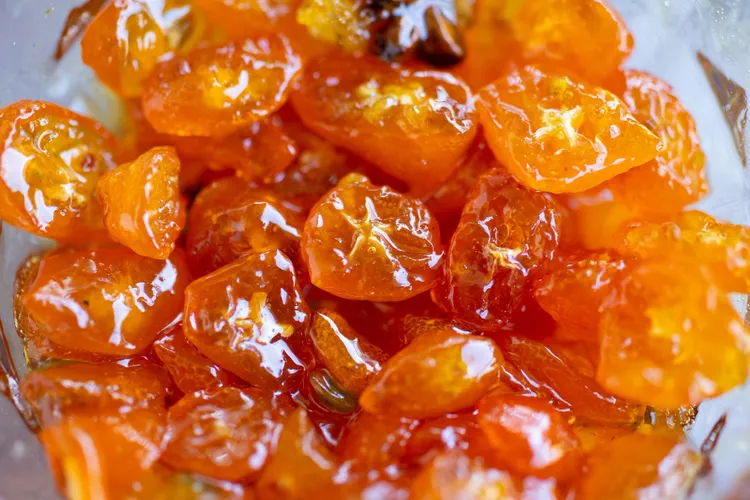
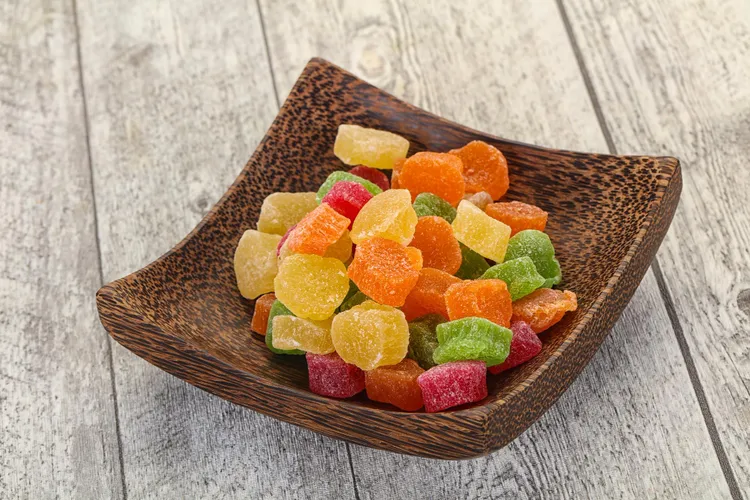
Candying replaces the moisture inside fruit with sugar syrup through a gradual osmotic exchange. The fruit is submerged in a series of increasingly concentrated syrups over days or weeks, allowing the water inside the fruit cells to migrate out while sugar migrates in. Done correctly, the fruit retains its shape and flavour while becoming preserved and transformed in texture. Crystallising is the additional step of coating the candied fruit in dry sugar to create a crunchy, dry exterior. The cluster articles on candied citrus peel, crystallised ginger, and glacé cherries cover each technique in full.
Fruit in Syrup
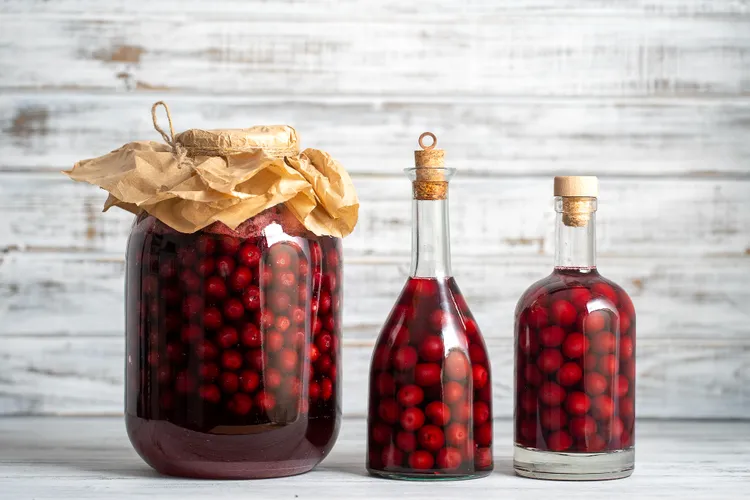
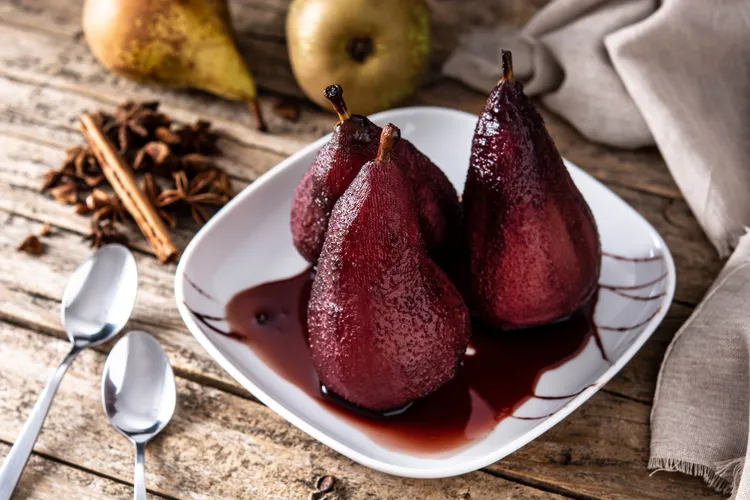
Fruit in syrup is a gentler, shorter process than candying. Fruit is poached briefly in a sugar syrup, then packed into sterilised jars with the syrup poured over. The sugar concentration is lower than in candied fruit - typically 25 to 40 percent - which means fruit in syrup is not shelf-stable without refrigeration or water bath canning. What it produces is something distinct from both jam and candied fruit: whole or halved fruit with a fresh quality, lightly sweetened, in a flavoured poaching syrup that is itself useful. Peaches in vanilla syrup, pears in spiced red wine syrup, cherries in kirsch-flavoured syrup. The individual guides cover peaches in syrup, pears in spiced syrup, and cherries in brandy.
Sugar Syrups
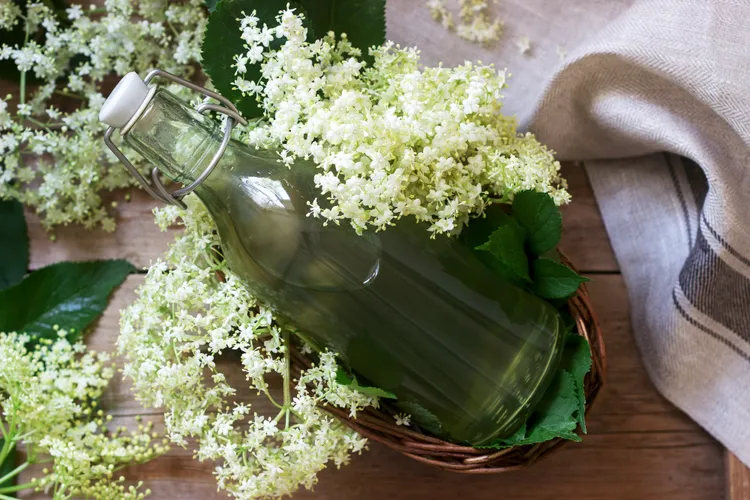
Sugar syrups - simple syrup, flavoured syrups, gomme syrup - are the most immediately useful products in this series. A bottle of homemade elderflower syrup, a jar of rosemary and lemon simple syrup, a batch of vanilla sugar syrup for coffee: all take under 20 minutes and have weeks of daily uses in drinks, baking, and cooking. The sugar syrups guide covers ratios, flavouring methods, and storage.
Sugar Stages and What They Mean
Understanding sugar cooking stages helps across all of these techniques. Sugar syrup changes character as water evaporates and concentration rises:
- Simple syrup (100g sugar : 100ml water): pourable, used for fruit in syrup and as a drink mixer
- Light syrup (60-70 percent sugar): early stages of candying, fruit poaching
- Heavy syrup (75-80 percent sugar): late-stage candying, glacé work
- Thread stage (107-113 degrees Celsius): syrup forms a thin thread between fingers - used for spun sugar and some candy work
- Soft ball stage (112-116 degrees): used for fudge, fondant, and some confections
- Hard ball stage (121-130 degrees): used for caramel and toffee work
For the techniques in this series, you will rarely need a thermometer - the gradual concentration method of candying and the simple syrup method for fruit in syrup are both managed by ratio and time rather than temperature. The sugar thermometer becomes relevant only in the confectionery guide.
Equipment
Sugar preserving requires less equipment than most preserving methods. A medium to large saucepan, sterilised glass jars with tight-fitting lids, and a digital scale for accurate sugar ratios are the essentials. A sugar thermometer is useful for confectionery work but not required for candying and fruit in syrup. A wire cooling rack over a baking tray is the standard setup for drying candied fruit. Silicone moulds are useful for fruit jellies and pate de fruit.
Sterilisation
Any jar used for fruit in syrup or sugar syrups intended for storage beyond immediate use should be sterilised: washed in hot soapy water, rinsed, then heated in a 120-degree oven for 15 minutes. Fill jars while hot and seal immediately. Candied fruit stored dry (not in syrup) does not need a sterilised jar - it needs a clean, airtight container. For fruit in syrup intended for long-term pantry storage, a 10-minute water bath process after filling creates the vacuum seal needed. For fridge storage and use within 3 to 4 weeks, sterilisation is sufficient without water bath processing.
Links to Every Guide in This Series
- Candied citrus peel: orange, lemon, grapefruit
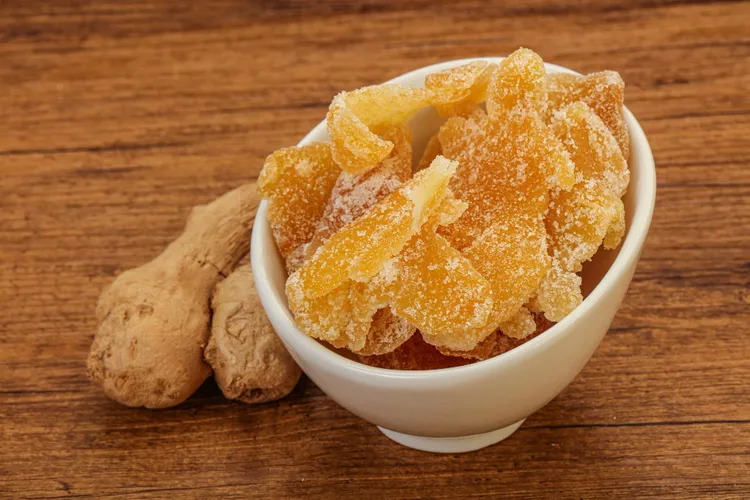
- Crystallised ginger: slow method and quick method
- Glacé cherries: the seven-day method
- Peaches in vanilla syrup
- Pears in spiced syrup
- Cherries in brandy
- Simple syrup and flavoured syrups
- Fruit jelly and pate de fruit
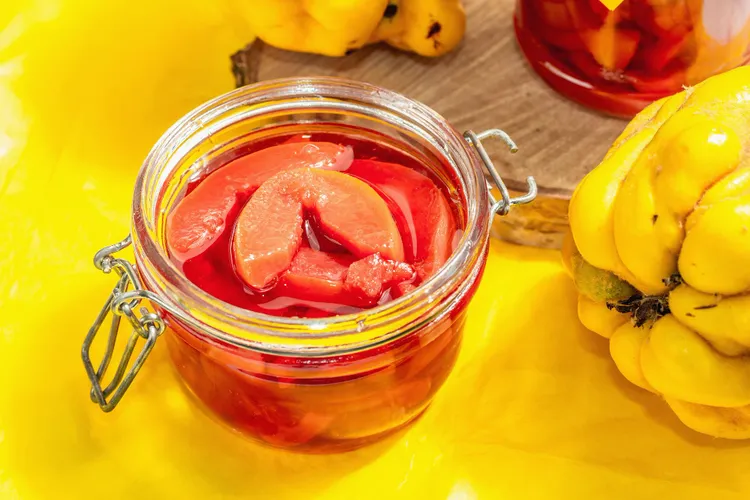
- Poached quince in spiced syrup
- Candied whole fruit: clementines and cumquats
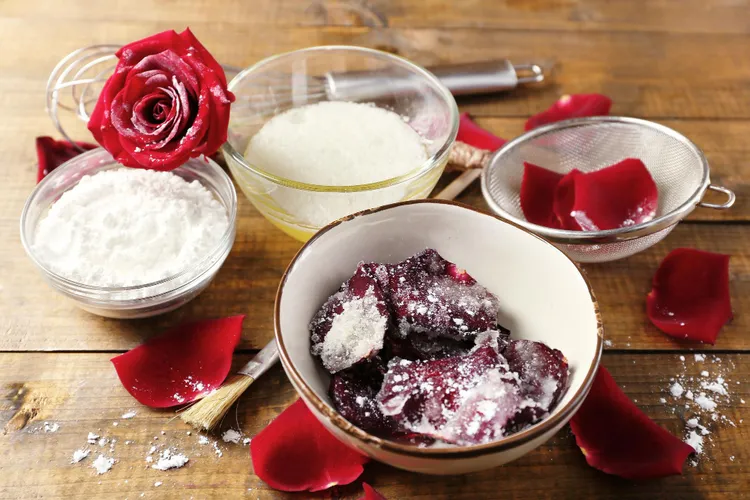
- Sugar-preserved flowers and rose petals
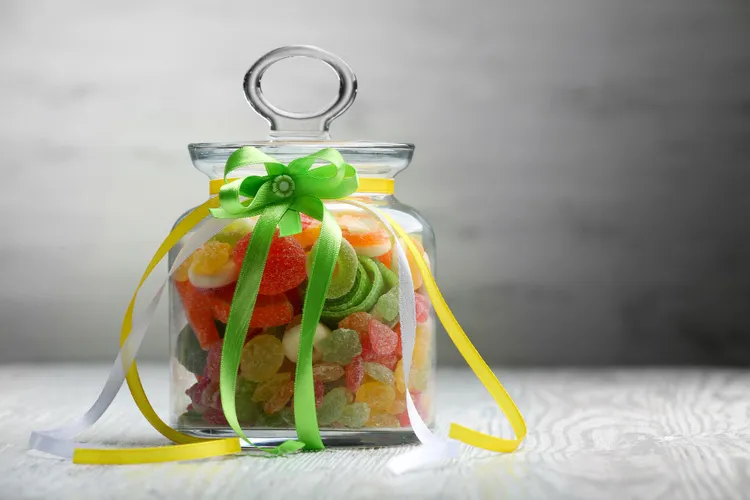
- Sugar preserves as gifts: packaging and labelling
This Series and the Broader Preserving World
Sugar preserving sits within a larger framework of home preserving techniques covered across the CookThisMuch preserving series. For vinegar-based preserves (pickles, chutneys), the homemade preserves guide covers the full range. For jam, jelly, and fruit curd, the homemade jam guide is the starting point. Sugar preserving specifically - the techniques in this series - is the category most associated with gift-making, seasonal celebration, and decorative baking. A jar of homemade candied orange peel, a box of crystallised ginger, or a bottle of elderflower syrup represents what home preserving does at its best: turning seasonal or inexpensive ingredients into something genuinely beautiful and genuinely useful. Use Consillar's weekly meal prep planner to incorporate sugar preserving sessions into your cooking calendar ahead of baking seasons and holidays.
The History of Sugar Preserving
Sugar arrived in Europe from South Asia via the Arab world from around the 12th century onwards. Initially a luxury spice, it quickly became valued for its preserving properties as well as its sweetness. Candied fruit appeared in medieval European courts as expensive gifts and table decorations. By the 16th and 17th centuries, as sugar became more widely available through the expansion of sugar cane cultivation in the Americas, domestic preserving with sugar became practical for a wider range of households. The techniques in this guide are essentially unchanged from those documented in English recipe manuscripts from the 1600s - the gradual syrup method for whole candied fruit, the quick peel method, the simple sugar syrup for drinks and preservation. What has changed is availability: sugar is now an inexpensive pantry staple rather than a rare luxury, which means these techniques are accessible to any home cook.
Sugar Preserving and Seasonality
Most sugar preserving is tied to seasonal availability. The logic: preserve the best of each season at its peak so it is available year-round. Cherries in June for cherries in brandy ready at Christmas. Elderflower in late May for elderflower syrup through summer. Quince in October for poached quince through winter. Clementines in December for whole candied fruit over the following months. This rhythm means that a household engaged in sugar preserving is never doing everything at once - each month has its one or two projects, and by December the larder is stocked with the entire year's seasonal abundance in preserved form.
Keeping a preserving calendar helps. January: Seville orange marmalade (covered in the jam guide) and any leftover citrus candied. February to April: quiet. May to June: elderflower syrup, cherries in brandy, strawberry jam. July to August: peaches in syrup, raspberry pate de fruit, crystallised ginger. September to October: poached quince, pears in spiced syrup. November: glacé cherries from the last of the season's fruit, candied citrus peel. December: mincemeat from the preserves guide, assembly of gift boxes from the year's production.
Sugar Quality and Type
White granulated sugar is the standard for all techniques in this series. Its neutral flavour allows the fruit to be the dominant taste. For a few specific applications, other sugars produce interesting results: light muscovado in cherries in brandy adds a slight molasses depth that pairs well with the spirit. Caster sugar (superfine) is used for crystallised flowers because smaller crystals adhere more evenly. Preserving sugar (large crystal, sold specifically for jam and marmalade) can be used in place of granulated for clearer syrups as it dissolves more cleanly, but it is more expensive and the difference is marginal in most applications.
Avoid icing sugar in any of these techniques - it contains cornstarch that clouds syrups and affects texture. Brown sugar introduces molasses flavours that are sometimes desirable (cherries in brandy) and sometimes not (candied citrus peel, where you want clean citrus flavour against neutral sweetness). When in doubt, white granulated is always the right choice. Use Consillar's nutrition calculators to track the sugar contribution of homemade preserves in your daily diet.
Understanding Osmosis in Sugar Preserving
The gradual syrup method for whole fruit candying works through osmosis - the movement of water across a semi-permeable membrane from a region of lower solute concentration to higher solute concentration. The fruit cell walls act as the semi-permeable membrane. When a whole clementine is placed in a dilute sugar syrup, the inside of the fruit has a higher concentration of dissolved solids (fruit sugars, acids, and other compounds) than the outside syrup. Water moves outward, concentrating the internal sugars. As the syrup is progressively concentrated over the following days, the direction reverses: the outside syrup becomes more concentrated than the inside, and sugar molecules begin moving into the fruit. By the end of the process, the inside of the fruit has been saturated with sugar syrup and the moisture content is low enough for preservation.
Understanding this mechanism explains why rushing the process fails. A very concentrated syrup on Day 1 creates a steep osmotic gradient - water rushes out of the fruit rapidly, the cells collapse before sugar can enter, and the fruit shrivels irreversibly. The gradual daily concentration increase keeps the osmotic gradient shallow enough that the exchange proceeds without cellular collapse. This is not a technique where patience is a virtue - it is a technique where patience is mechanically necessary.
Sugar Preserving and Modern Nutrition
Sugar preserves are by definition high in sugar. A piece of candied orange peel contains approximately 22g of sugar per 30g serving. A piece of pate de fruit contains about 9g per 10g square. Simple syrups add 13g of sugar per tablespoon. These are not low-sugar products and should not be consumed as if they were. What they are is high-quality, genuinely flavourful products used in small quantities as garnishes, flavourings, and occasional confectionery - the appropriate context for any sugar-rich food.
The advantage of homemade sugar preserves over commercial alternatives is not a nutritional one but a quality one: fewer additives, better flavour, and the knowledge of exactly what went into the product. A piece of crystallised ginger is sugar and ginger, nothing else. A commercial product may contain glucose syrup, citric acid, and various preservatives. Neither is a health food, but the homemade version is a simpler, cleaner product. Use Consillar's nutrition calculators to track the sugar contribution of homemade preserves accurately within your daily diet framework. For the complete list of techniques covered in this series, see the article index at the top of this guide.
Planning a Year of Sugar Preserving
A sustainable sugar preserving practice is built around seasonal windows rather than occasional projects. The calendar below outlines the natural timing for each technique in this series.
May to June: Elderflower syrup from the flavoured syrups guide is the first preserve of summer. Elderflower peaks for a short two-week window in late May and early June. Make it then and it carries summer flavour through the year. Cherries in brandy from the cherries in brandy guide starts in June when fresh dark sweet cherries arrive.
July to August: Peaches in vanilla syrup from the peaches in syrup guide at peak summer. Raspberry pate de fruit from the pate de fruit guide while raspberries are fresh and inexpensive. Crystallised ginger from the crystallised ginger guide when young ginger root is available.
September to October: Pears in spiced syrup from the pears in syrup guide through the Conference pear season. Poached quince from the quince guide as the season opens in October. Candied whole clementines from the whole fruit candying guide as they arrive.
November to December: Candied citrus peel from the candied peel guide for Christmas baking. Glacé cherries from the glacé cherry guide if not made in July. Assembly of gift boxes using the guidance in the sugar preserves gift guide. Crystallised flowers from the crystallised flowers guide for celebration cake decoration if needed. Use Consillar's meal prep planner to schedule each session against its seasonal window.
Latest