What Is Sofrito and How Is It Used Across South America?
Sofrito is the aromatic base of onion, garlic, tomato, and pepper that underpins most savory South American cooking. Every country makes it slightly differently - here's what changes between Brazil, Colombia, Venezuela, and beyond, and how to build a version that works across all of them.
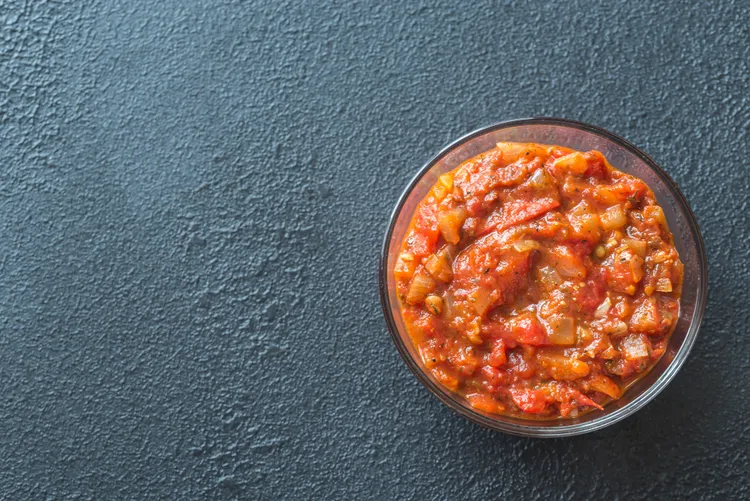
Sofrito is not a finished condiment - it's a building block. You cook it into the base of dishes, not over them. Understanding it explains why so much South American food has a similar underlying savory depth even across very different cuisines.
The Core Components
In its most basic form, sofrito is onion and garlic cooked down in oil until soft. Everything added beyond that is regional. The ingredients that commonly appear:
- Onion: Always present. White, yellow, or red depending on region.
- Garlic: Always present, minced fine.
- Tomato: Fresh in warmer regions, sometimes canned where fresh is less available year-round.
- Bell pepper: Green, red, or both. Common in Venezuelan sofrito and Cuban versions.
- Ají or chile: Varies by country and heat preference.
- Scallion/green onion: Dominant in Colombian hogao, used alongside white onion.
- Cumin: Used heavily in Colombian and Venezuelan cooking, less so in Brazil.
- Cilantro: Added at the end or cooked in - varies by preference.
Country Variations
Brazil (refogado): Onion, garlic, tomato, and sometimes green bell pepper, cooked in olive oil until soft. Tomatoes break down fully. Used as the base for beans, rice, stews, and fish dishes. Simpler and less spiced than the Colombian version.
Colombia (hogao): Scallions (not white onion) and tomato, cooked much longer than most sofrito until the tomato breaks down completely and the scallion sweetens. Full recipe in our Colombian hogao guide. The extended cooking time is key - 20-30 minutes minimum.
Venezuela (sofrito): Adds green bell pepper, red bell pepper, and ají dulce (a sweet, mild chile native to Venezuela) to the onion-garlic-tomato base. Often blended into a smooth paste before cooking rather than kept chunky.
Peru: Onion and garlic as the base, with ají amarillo or ají panca paste added early in the cooking. The paste colors the oil orange before the other ingredients go in. This is the start of ají de gallina, lomo saltado, and many stews.
How to Build a Base Sofrito
Ingredients (makes enough base for 4-6 servings of a dish)
- 1 large onion, finely diced
- 4 cloves garlic, minced
- 2 medium ripe tomatoes, diced (or 1/2 cup canned crushed tomato)
- 1/2 red or green bell pepper, finely diced (optional)
- 3 tbsp olive oil or vegetable oil
- Salt to taste
- 1/2 tsp cumin (for Colombian or Venezuelan style)
Instructions
- Heat oil in a heavy pan over medium heat. Don't rush this - medium heat, not high.
- Add onion with a pinch of salt. Cook, stirring occasionally, for 8-10 minutes until soft and translucent. Some light golden color is fine.
- Add garlic and bell pepper (if using). Cook another 3 minutes.
- Add tomato. Stir to combine. The liquid from the tomato will bubble and steam.
- Reduce heat slightly and cook until the tomato breaks down and the mixture looks like a coarse paste, about 10-15 more minutes. Stir regularly - the bottom will catch if you don't.
- Add cumin if using. Season with salt.
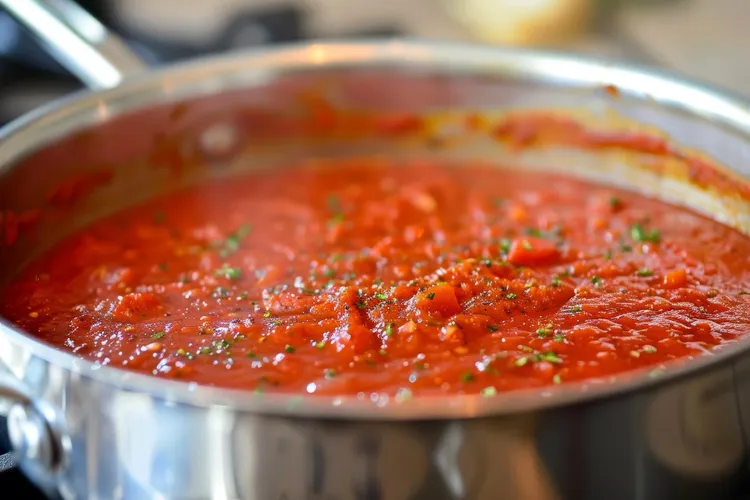
- The sofrito is ready when the oil appears to separate slightly at the edges and the whole mixture looks cohesive rather than wet.
Nutrition (per 2 tbsp serving, oil included)
- Calories: ~45 kcal
- Protein: 0g
- Carbs: 3g
- Fat: 4g
Batch Cooking and Storage
Make a large batch - 3-4 times the recipe above - and refrigerate in a sealed container. Keeps for one week. Freezes well in ice cube trays; transfer frozen cubes to a bag and use as needed. One cube is roughly one tablespoon, which is enough to start a sauce for two servings.
This is the highest-leverage meal prep step in South American cooking. A jar of sofrito in the fridge means rice, beans, eggs, and any protein are 10 minutes away from being a complete meal.
Where Sofrito Fits in the Bigger Picture
Sofrito is the foundation; the condiments are the finish. For the full picture - from this base sauce through to chimichurri, huancaína, and hogao - see our complete guide to South American condiments and cooking.
Latest