Colombian Hogao: The Tomato-Scallion Sauce Behind Half the Menu
Hogao is Colombia's essential cooked condiment - a slow-simmered sauce of tomato and scallion that goes on arepas, rice, beans, eggs, and grilled meat. It takes 25 minutes and improves almost any savory dish it touches.
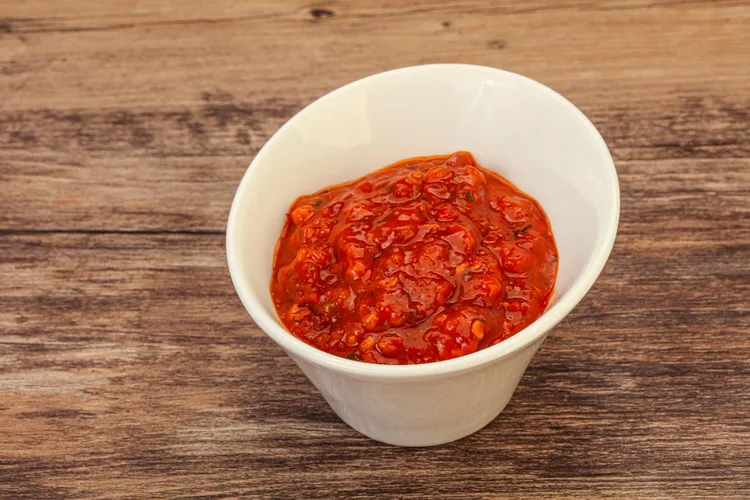
Hogao is different from sofrito in one key way: the cooking time. Where a standard sofrito is done in 15 minutes, hogao cooks for 25-35 minutes until the tomato completely breaks down and the scallion loses its pungency and turns sweet. That extra time transforms it from a fresh sauce into something deeper and more savory.
Ingredients (makes about 1 cup)
- 4 medium ripe tomatoes, seeded and roughly chopped (or 1 x 400g tin crushed tomatoes)
- 1 bunch scallions (about 6-8), white and light green parts, finely sliced
- 2 cloves garlic, minced
- 2 tbsp vegetable oil
- 1/2 tsp ground cumin
- Salt and black pepper
- Optional: 1 tbsp fresh cilantro, chopped, added at the end
Instructions
- Heat oil in a heavy-bottomed pan over medium-low heat. Add the scallions with a pinch of salt.
- Cook the scallions slowly, stirring occasionally, for 8-10 minutes. They should soften and start to turn translucent. Do not rush with high heat - they should sweat, not fry.
- Add garlic and cumin. Cook 2 more minutes.
- Add the tomatoes. Stir to combine. Increase heat slightly to medium.
- Cook, stirring regularly, for 15-20 minutes. The tomatoes will release their liquid and then slowly concentrate. Keep cooking until the mixture looks thick and cohesive, with the oil starting to appear around the edges.
- The hogao is done when there's almost no liquid remaining and the whole thing looks jammy. Taste and season with salt and pepper.
- Add cilantro off the heat if using.
How to Use Hogao
The standard Colombian uses are broad: spoon it over corn arepas (the classic), stir it into white rice during the last few minutes of cooking, use it as a base for beans, top fried or scrambled eggs, or serve alongside grilled meat. It also works as a topping for baked potatoes or as a sauce base for fish.
One combination worth trying: hogao over baked salmon, warm from the oven. The sweetness of the scallion-tomato sauce works well against the richness of the fish. For grilled chicken, spoon hogao over sautéed chicken thighs instead of the usual sauce.
Hogao vs. Sofrito: The Practical Difference
Sofrito uses white onion and is cooked shorter - it has more bite and a fresher flavor. Hogao uses scallion cooked long - sweeter, deeper, more savory. Use sofrito when you want brightness; use hogao when you want body and depth. Both are covered in detail in our guide to sofrito across South America.
Nutrition (per 2 tbsp serving)
- Calories: ~35 kcal
- Protein: 1g
- Carbs: 4g
- Fat: 2g
Hogao is effectively calorie-neutral as a condiment - the fat is minimal and it adds significant flavor for almost no calorie cost.
Storage and Batch Cooking
Hogao keeps in the fridge for up to a week in a sealed jar. It freezes well - freeze in ice cube trays and transfer to a bag. One cube is roughly 1 tablespoon, enough to sauce one serving of rice or top two arepas. A batch of hogao in the freezer is one of the most useful things a home cook can have.
Going Further
Hogao is one of dozens of South American condiments worth having in your repertoire. For the full picture - Argentine chimichurri, Peruvian ají amarillo sauces, Chilean pebre, and more - see our complete guide to South American condiments and cooking.
Latest