Cooking With Spring Greens: Lettuce, Spinach and Arugula Before They Bolt
How to use lettuce, spinach, and arugula fast once warm weather hits, since bolting turns tender spring greens bitter within days.
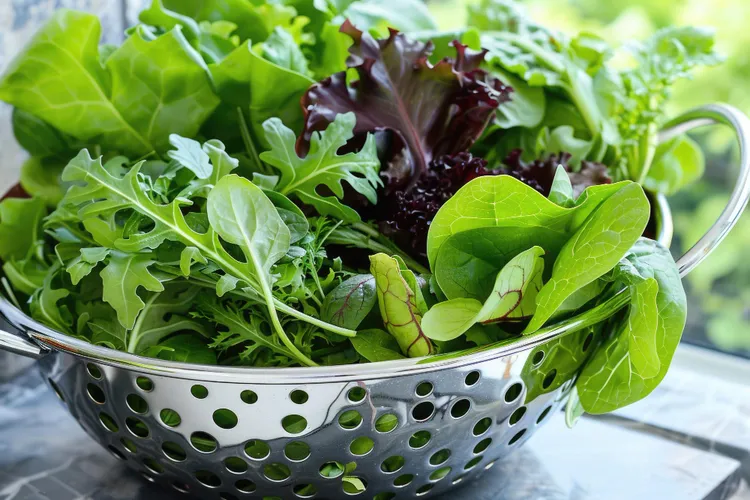
Spring greens are the fastest crop in the garden to go from perfect to past it. A cool, damp stretch of weather can keep lettuce and spinach tender for weeks; a few warm, dry days in a row can send the same plants into bolt, meaning they shift energy into producing a flower stalk and the leaves turn bitter and tough almost overnight.
What Bolting Actually Means
Bolting is a plant's response to heat and long daylight hours, both signals that it's time to reproduce. Once a lettuce or spinach plant sends up a central flower stalk, the leaves redirect their sugars into that stalk and turn noticeably more bitter within a day or two. There's no reversing it once it starts, which is why the better strategy is watching for the early signs, a stalk starting to elongate from the center of the plant, and harvesting everything at that point rather than waiting.
Lettuce: Cut and Come Again
Loose-leaf lettuce varieties can be harvested a few outer leaves at a time rather than pulling the whole head, which extends the usable window by weeks compared to harvesting all at once. Once a warm spell is forecast, though, it's worth cutting the whole plant rather than risking it bolting overnight. A big one-time lettuce harvest is best used in salads within two to three days; lettuce doesn't freeze or store well in any form, so unlike almost everything else in a spring garden, there's no real preservation option beyond eating it.
Spinach: Cook It Down Fast
Spinach bolts even faster than lettuce once temperatures climb, sometimes within a single hot week. Unlike lettuce, spinach holds up well cooked, which opens up more ways to use a large harvest quickly. A simple spinach and tomato salad, like this fresh spinach, tomato, and onion salad, uses raw spinach the day it's picked. For a bigger harvest, cooking it down concentrates the volume dramatically, a pound of raw spinach reduces to roughly a cup once wilted, which is why baked dishes like egg, spinach, and bacon muffins can absorb far more spinach than a raw salad ever could in one sitting.
Arugula: Use the Peppery Bite Before It Turns Sharp
Arugula's natural peppery flavor intensifies as it bolts, moving from a pleasant bite to something closer to mustard greens in sharpness. Young arugula works well raw, tossed simply with olive oil and lemon; once it's started to get sharper but hasn't fully bolted, wilting it briefly in a hot pan with garlic mellows the bitterness and makes it usable for another few days past the point where it's too strong for a raw salad.
Blanch and Freeze the Overflow
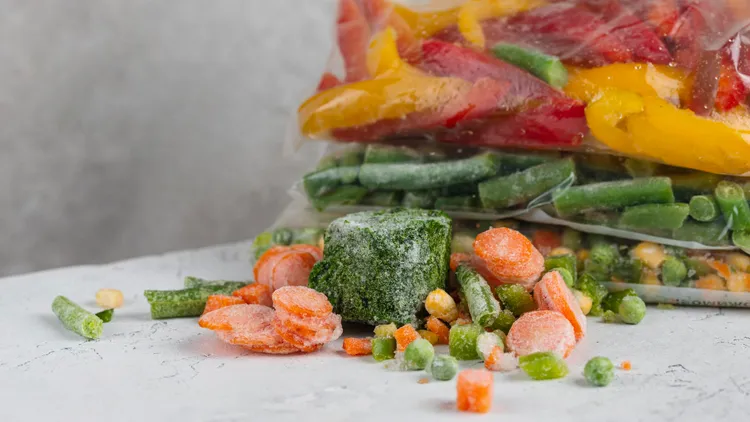
Spinach and other cooking greens freeze reasonably well after a quick blanch, thirty seconds to a minute in boiling water, then straight into an ice bath to stop the cooking. Squeezed dry and packed into small portions, frozen greens work fine in soups, egg dishes, or sautés through the following months, even though they won't have the texture for a raw salad after thawing. This is the most reliable way to bank a big spinach harvest rather than losing it to bolting before it can be eaten fresh.
Succession Planting Softens the Rush
A single planting of lettuce or spinach means the whole bed bolts around the same time. Sowing a new short row every two to three weeks through the cool part of the season spreads the harvest out, so there's a smaller, steadier supply instead of one overwhelming cutting followed by nothing. This is more of a next-season fix than a solution for greens already in the ground, but it's worth planning for once this year's rush has passed.
Storing What You Can't Use Same-Day
Fresh lettuce, spinach, and arugula all keep noticeably longer with a bit of care right after picking than if they're tossed straight into a crisper drawer loose. Washing the leaves, spinning or patting them dry thoroughly, and storing them in a container lined with a paper towel, which absorbs the extra moisture that would otherwise cause the leaves to turn slimy, can stretch usable life from two or three days to closer to five or six. This matters most for a harvest that's slightly bigger than what will be eaten that day but not so large it needs to be cooked down immediately.
Spinach and arugula both hold up to a brief ice-water soak before storing, which revives leaves that have started to wilt slightly in the heat between the garden and the kitchen. Ten minutes in a bowl of ice water crisps the leaves back up noticeably, a trick worth knowing during the hottest part of spring when even a short walk from garden bed to kitchen counter can leave greens looking tired.
Cooking Greens Beyond the Obvious Sauté
Wilted spinach and arugula work in more places than most cooks default to. Stirred into a pot of rice or grain in the last few minutes of cooking, a large handful of greens wilts down to almost nothing and adds color and nutrition without changing the character of the dish much. Blended into a pesto in place of some or all of the basil, spinach and arugula both hold up well and freeze the same way a traditional basil pesto does, which is a good option for a bolt-triggered harvest that's too large to eat fresh but doesn't need to be limited to sautéing or baking.
What to Do the Moment a Bed Bolts
Once a bed has clearly bolted, harvesting everything that's still edible in one pass, rather than picking through it leaf by leaf, is usually the fastest path forward. The outer, older leaves will be the most bitter; the newest inner leaves near the crown are often still usable even after the outer growth has turned. Anything genuinely too bitter to eat can go straight to the compost rather than the kitchen.
How This Fits Into the Rest of the Season
Spring greens are usually the first thing in the garden to demand fast action, and getting comfortable with that pace early in the season makes the rest of the year's gluts, zucchini, cucumbers, tomatoes, feel less overwhelming by comparison. How to Cook With What You Grow: A Season-by-Season Guide covers how this first wave connects to what follows through summer and fall.