What Is Tahini and How Is It Made?
A breakdown of what tahini actually is, how it's made, and the difference between hulled and unhulled sesame paste.
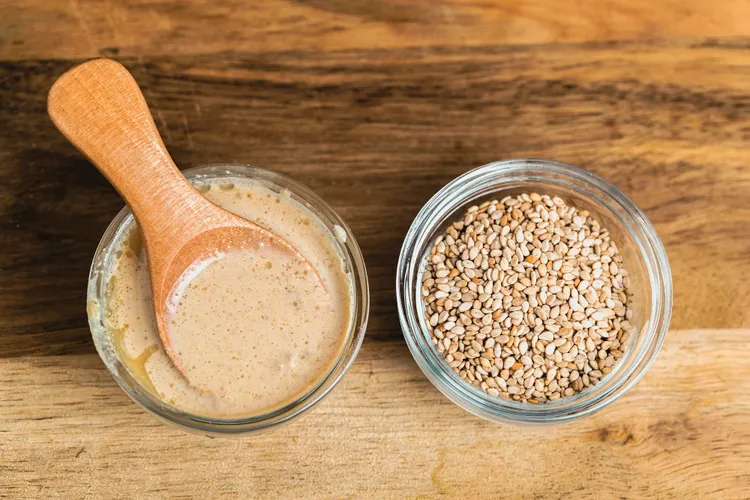
Tahini has a one-word definition - ground sesame paste - but that single word covers a surprising amount of variation, and understanding it makes every other tahini technique easier to get right.
What Tahini Is Made From
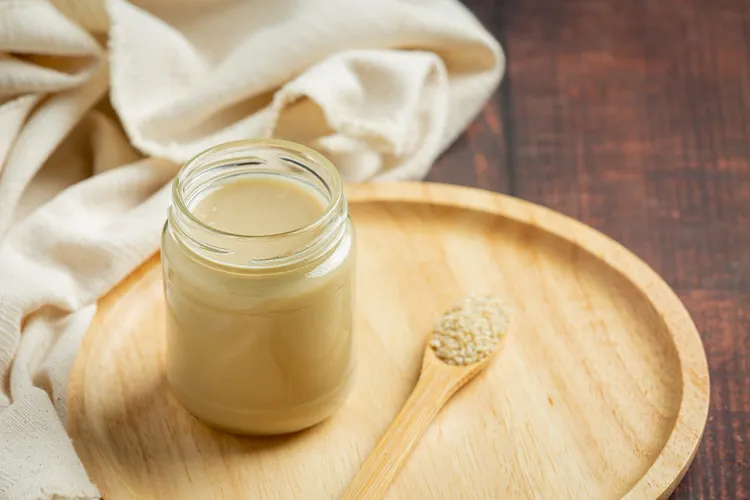
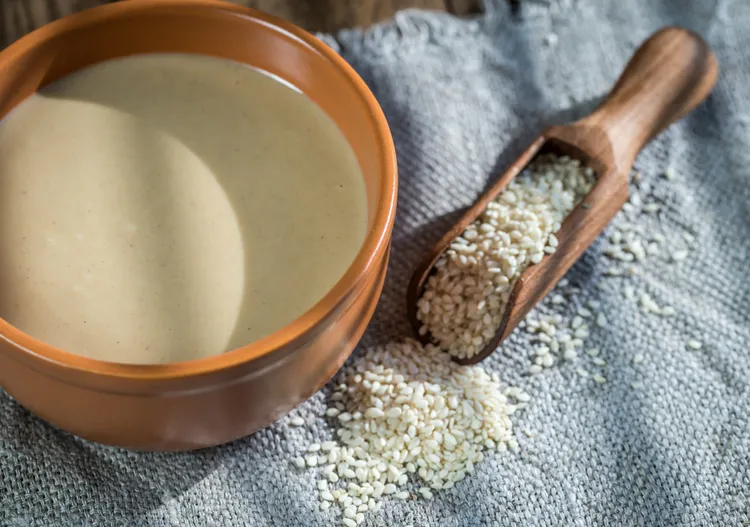
Tahini starts as sesame seeds, either hulled (with the outer seed coat removed) or unhulled (left whole). The seeds are typically toasted, then ground continuously until the friction and heat release their natural oils, turning what starts as a dry, sandy powder into a smooth, pourable paste. No added oil is needed in a well-made jar - the sesame seeds provide all of it, similar to how natural peanut butter is made from peanuts alone.
Hulled vs Unhulled Tahini
- Hulled tahini: Made from seeds with the outer coat removed. This is the more common style in most grocery stores, lighter in color, milder and slightly sweeter in flavor, and smoother in texture since the fibrous hull is gone.
- Unhulled tahini: Made from whole seeds, hull included. It's darker, more bitter, and higher in fiber and minerals like calcium, since much of that nutrition sits in the hull itself. It's also noticeably grittier.
For most savory sauces, dressings, and baking, hulled tahini is the easier starting point - it's what most published recipes assume unless they specify otherwise. Unhulled tahini has its place for people specifically after the added fiber and mineral content, or who prefer its more assertive, slightly bitter flavor.
Roasted vs Raw Sesame Seeds
Most tahini is made from lightly toasted sesame seeds, which develops a nuttier, more rounded flavor than raw seeds would give. Raw or lightly roasted tahini exists too, usually marketed toward raw-food diets, and tastes noticeably flatter and more vegetal by comparison. Unless a recipe specifically calls for raw tahini, the standard toasted version is the right default.
How Tahini Differs From Other Seed and Nut Butters
Tahini's flavor sits closer to bitter and nutty than sweet, which is the biggest functional difference from peanut butter or almond butter. It also has a thinner, more pourable consistency straight out of the jar, closer to a thick oil than a spread, which is part of why it works so well whisked into sauces and dressings rather than just spread on toast. See our full comparison guide for how this plays out across nutrition and specific recipes.
Where Tahini Comes From
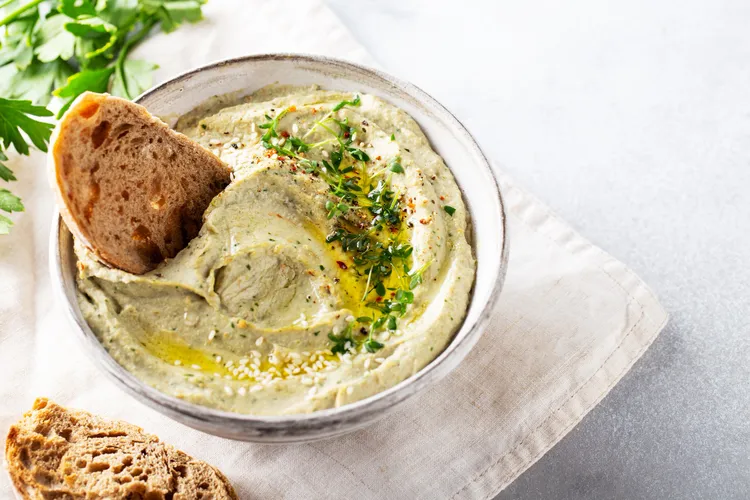
Tahini is foundational across Middle Eastern, Eastern Mediterranean, and parts of North African cooking, showing up in everything from hummus and baba ganoush to halva and tahini-thickened stews. Sesame itself has been cultivated for thousands of years, among the oldest oilseed crops in recorded agricultural history, which is part of why so many distinct culinary traditions independently built entire categories of dishes around it.
The Texture Tahini Should Have
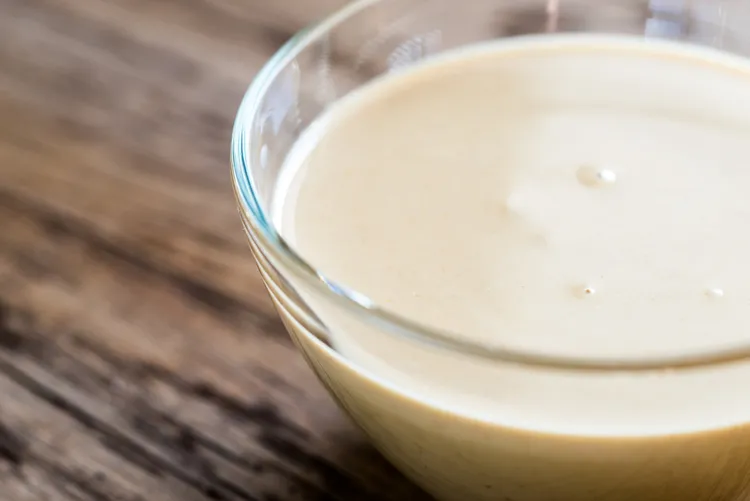
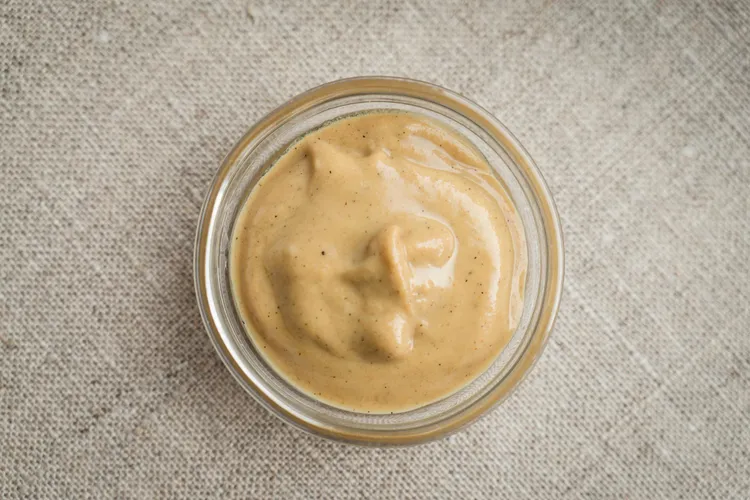
Good tahini pours in a slow, steady ribbon when stirred, closer to warm honey than to a thick nut butter. If a jar is so stiff it needs serious effort to stir, or if the oil has separated into a hard layer that won't reincorporate, that's usually a sign of either poor processing or storage issues rather than a normal quality variation - see our storage guide for fixing a separated jar.
Nutritional Basics
Tahini is calorie-dense, like any seed or nut butter, running roughly 90 calories per tablespoon, with a fat profile leaning mostly unsaturated. It's also a genuinely good source of copper, manganese, and calcium (more so in unhulled versions), along with a modest amount of plant protein. It isn't a low-calorie ingredient, but a little goes a long way in most recipes, since its flavor is concentrated.
Reading a Tahini Label
The shortest ingredient list is usually the best sign: sesame seeds, and maybe salt. Added oils, sugar, or stabilizers usually signal a lower-quality product cutting corners on the grinding process rather than letting the seeds' natural oil do the work. See our guide to choosing a good jar for more label and texture cues.
Why Understanding the Basics Matters
Knowing whether a recipe wants hulled or unhulled tahini, and what a properly emulsified jar should look and pour like, prevents a lot of frustration down the line - a gritty, separated, or overly bitter jar can make someone give up on tahini before they've tried it in a sauce that actually shows off what it can do. For the full range of what tahini can do once you've got a good jar, see our complete Tahini: The Pantry Staple That's Not Just for Hummus.
How Tahini Is Manufactured Commercially
At scale, sesame seeds are cleaned, sometimes hulled mechanically, then roasted in large rotating drums to develop flavor before being fed into stone or steel grinding mills. The grinding process itself generates enough friction heat to release the seeds' natural oil, which is what turns a dry, sandy mass of ground seeds into a smooth, pourable paste over several passes through the mill. Higher-quality producers grind longer and more slowly to achieve a finer, smoother texture, while lower-cost operations may grind faster and add stabilizing oils to compensate for a coarser result - part of why ingredient lists and texture vary so much between brands.
Sesame's Nutritional Profile in More Depth
Sesame seeds carry one of the higher calcium contents of any common seed, particularly in the unhulled version where much of that mineral content sits in the outer hull. They're also a solid source of copper, manganese, magnesium, iron, and zinc, along with a favorable ratio of unsaturated to saturated fat. Sesame contains lignans - specifically sesamin and sesamolin - plant compounds that have been studied for potential antioxidant properties, though tahini shouldn't be treated as a health supplement so much as a genuinely nutrient-dense, calorie-dense ingredient worth using in reasonable amounts.
How Tahini Is Used Around the World
- Levant and Eastern Mediterranean (Lebanon, Syria, Palestine, Jordan, Israel): The most tahini-centric regional cooking, where it forms the base of hummus, baba ganoush, tarator, and countless sauces served alongside grilled meats and vegetables.
- Greece and Cyprus: Tahini shows up in both savory dishes and sweets, including tahinopita, a tahini-based bread traditionally eaten during fasting periods when dairy and eggs are avoided.
- North Africa: Tahini appears in various regional dips and sauces, often alongside warm spices like cumin and paprika.
- East Asia: Sesame paste (a close relative of tahini, sometimes made from more heavily toasted seeds) is a defining ingredient in dishes like dan dan noodles and various cold sesame noodle preparations, though it's typically made with darker-roasted seeds and has a more intensely nutty, slightly different flavor than most Middle Eastern tahini.
Common Questions About What Tahini Is
- Is tahini the same as sesame oil? No. Sesame oil is a pressed oil, thin and intensely aromatic, used in small amounts as a flavoring. Tahini is a whole-seed paste, thicker and used in much larger quantities as a base ingredient rather than a seasoning.
- Is tahini vegan? Yes, tahini is made purely from ground sesame seeds and is naturally vegan, assuming no non-vegan additives are included, which is uncommon.
- Is tahini gluten-free? Yes, pure tahini made only from sesame seeds is naturally gluten-free, though it's worth checking labels on flavored or blended versions for any added ingredients.
- Does tahini taste like peanut butter? Not really. It's more bitter and savory-leaning, with a thinner, more pourable texture. See our full comparison guide for the specifics.
Common Mistakes When Buying or Using Tahini for the First Time
First-time buyers sometimes pick the cheapest available jar without checking the ingredient list, ending up with a product cut with added oils or stabilizers that doesn't represent what a good jar of tahini can taste like. Others assume tahini should taste sweet, similar to peanut butter, and are put off by its natural bitterness rather than understanding that bitterness is a normal and expected part of the flavor, meant to be balanced with lemon, salt, or sugar depending on the application rather than eaten plain off a spoon.
Where to Go From Here
Once the basics of what tahini is are clear, the most useful next step is learning how to spot a genuinely good jar - see our buying guide - and then trying the base savory sauce that most of tahini's uses build on in our classic tahini sauce recipe.
How Tahini's Flavor Changes With Roast Level
Sesame seeds destined for tahini are typically roasted before grinding, and the degree of roasting has a real effect on the final flavor. Lightly roasted seeds produce a milder, slightly sweeter tahini with a paler color, while a darker roast pushes the flavor toward more intensely nutty and bitter, with a noticeably deeper color. Neither is objectively better - the right roast level depends on the intended use, with lighter roasts generally better suited to delicate sauces and dressings, and darker roasts holding their own better in bolder, spice-forward applications.
How Tahini Is Traditionally Eaten in Its Countries of Origin
In much of the Levant, tahini isn't reserved for special dishes - it's an everyday staple, often served simply with a drizzle of honey or date syrup for breakfast, alongside bread for dipping, or as the base for whatever vegetable or protein happens to be on hand that day. This everyday, unfussy relationship with tahini is a useful mental model for anyone trying to incorporate it more regularly into their own cooking, rather than treating it as an occasional specialty ingredient reserved only for hummus.
Tahini's Relationship to Other Sesame Products
- Toasted sesame oil: A pressed, concentrated oil used in small amounts for flavoring, distinct from tahini's whole-seed paste texture and larger-quantity use.
- Black sesame paste: Made from black sesame seeds rather than the more common hulled white or tan seeds, with a more intense, slightly bitter flavor and a striking dark color, common in East Asian desserts.
- Sesame halva: A dense, sweet confection made by working hot sugar syrup into tahini, distinct from tahini itself but entirely dependent on it as a base ingredient.
What to Look for the First Time You Try Tahini
For anyone tasting tahini for the first time, expect a flavor that's more bitter and savory than sweet, with a texture closer to a thin, pourable oil than a thick spread. Tasting it plain off a spoon gives an accurate sense of its raw character, but it's genuinely not meant to be eaten that way in most applications - its role is almost always as a base that gets balanced with lemon, salt, garlic, or sweetness, similar to how straight flour or straight butter wouldn't represent what either tastes like in a finished dish.
Where This Guide Goes From Here
Understanding these basics sets up everything else in this guide - from choosing a good jar to using it across sauces, soups, dips, and baking. See our full Tahini: The Pantry Staple That's Not Just for Hummus for the complete range.
A Quick Glossary of Related Terms
- Tahina: An alternate spelling and pronunciation used in some regions, referring to the same product.
- Simsim: The word for sesame in several languages spoken across sesame-growing regions, sometimes seen on packaging or in recipe names.
- Ardeh: A term used in some Persian and Central Asian contexts for sesame paste, similar in concept to tahini though sometimes made slightly differently.
These terms occasionally show up on packaging or in recipes sourced from different regional traditions, and recognizing them helps avoid confusion when a recipe or product doesn't use the more familiar English spelling.
Sesame Farming Basics
Sesame is grown widely across parts of Africa, India, and the Middle East, favored in many regions for its drought tolerance compared to other oilseed crops. The plant produces seed pods that split open when fully dry, historically giving rise to the phrase "open sesame" from the seeds' tendency to pop open readily at harvest. Major producing countries include Sudan, India, Myanmar, and Nigeria, among others, with quality and flavor varying by growing region much like coffee or olive oil.
Tahini as Part of a Balanced Pantry
Alongside olive oil, canned chickpeas, and a good vinegar, tahini rounds out a small set of ingredients that unlock a disproportionate amount of Middle Eastern-inspired cooking without requiring frequent shopping trips. Once these basics are stocked, most of the recipes throughout this guide come together from what's already on hand plus fresh produce or protein.
Latest