What to Cook With Fresh Tomatoes When You Have Too Many
A triage guide for a late-summer tomato flood: what to eat fresh today, what to freeze, and what to turn into sauce before any of it goes to waste.
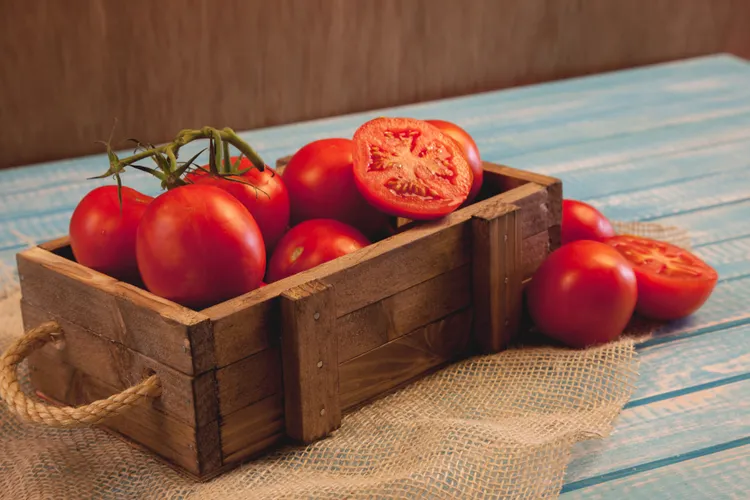
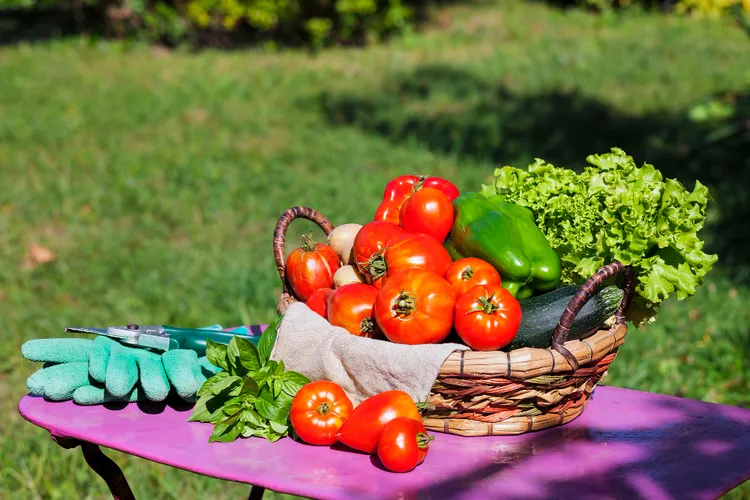
A handful of productive tomato plants can hand over several pounds a week for a month straight once they hit their stride, usually starting sometime in late July or August. Ripe tomatoes don't hold well once picked, so the real skill isn't growing them, it's deciding fast what to do with each day's haul before it turns.
Sort Before You Cook
Not every tomato in a day's basket needs the same treatment. Firm, unblemished ones are worth saving for fresh eating or salads. Slightly overripe or split ones are better used in cooked dishes, where texture matters less. Anything with soft spots or splitting skin should go toward sauce or freezing that same day, since those are the ones that will spoil first. Sorting for two minutes before deciding what to cook saves a lot of wasted tomatoes later in the week.
Eat the Best Ones Fresh
A ripe, in-season tomato is genuinely one of the better arguments for growing a garden at all, and it's worth prioritizing the best fruit for simple preparations that let the flavor lead. Garlic and basil sautéed cherry tomatoes takes about ten minutes and works well for the smaller, sweeter varieties that don't hold up as well in sauce. A simple sliced tomato with salt and olive oil, or folded into a spinach, tomato, and onion salad, uses the best fruit with almost no cooking at all.
Concentrate the Small Daily Surplus
For the in-between amount, more than a household can eat fresh in a day or two but not a full flood, drying is a good middle option. Semi-dried tomatoes take a few hours in a low oven and concentrate the sweetness while extending shelf life to a week or more in the fridge, longer if covered in oil. This is a good habit to build into a daily routine during peak season rather than saving it for a special processing day.
Freeze Whole for Later Sauce
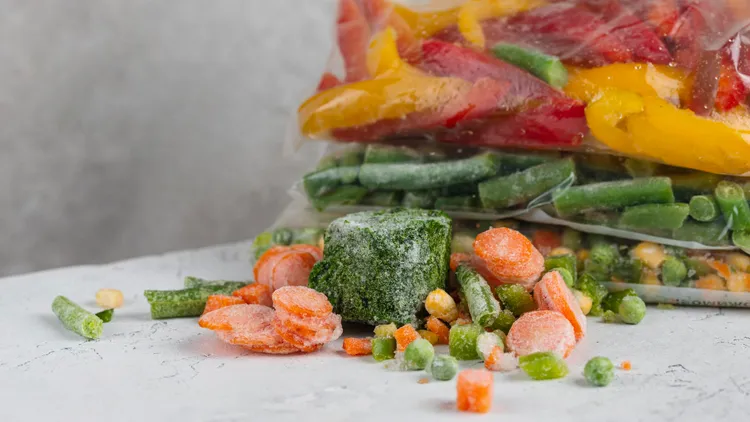
When there's more than a household can process in a single evening, freezing whole tomatoes is the lowest-effort option. Just wash them, core out the stem, and freeze on a tray before transferring to bags; no blanching or peeling required at this stage. The skins slip off easily once thawed, which makes this a good "deal with it later" option for a night when there's no time for a real cooking session. Frozen tomatoes lose their raw texture completely, so they're only useful for cooked dishes afterward, not salads.
Make Sauce When the Flood Is Real
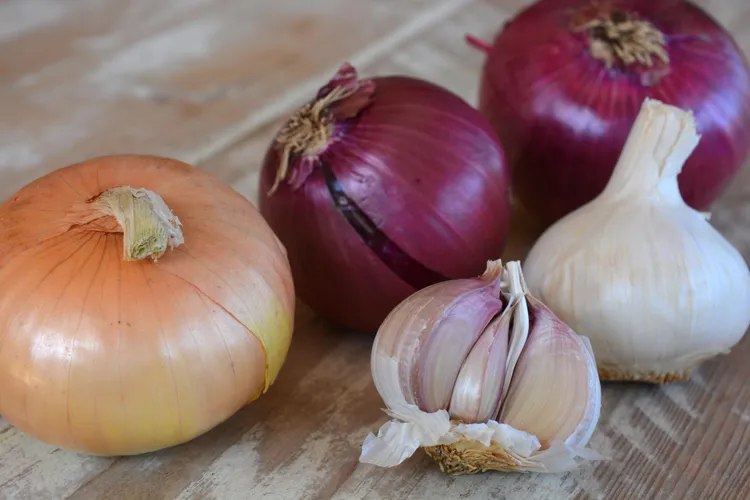
Once the harvest is consistently outpacing what can be eaten fresh or dried, sauce is usually the most efficient use of a large volume at once. A simple approach: roughly chop tomatoes, simmer with garlic and onion until they break down, then pass through a food mill or blend to remove skins and seeds. A single batch can use ten pounds of tomatoes or more, reducing down to a fraction of that volume, and the finished sauce freezes well in flat bags for months. This is the single best way to preserve a big harvest without canning equipment.
Skins, Cores, and What to Do With Them
Tomato skins and cores don't need to be wasted even when they're not going into the final sauce. Added to a stockpot with vegetable scraps, they add a mild sweetness to homemade broth, and composting is always an option for anything not worth saving. Straining sauce through a food mill, rather than peeling tomatoes by hand first, saves a substantial amount of time on a big batch.
Roasting: An Underused Middle Option
Between eating tomatoes raw and cooking them into a full sauce, roasting is a middle-ground option that's worth using more often than most home cooks default to. Halved tomatoes, cut-side up on a sheet pan with olive oil, salt, and whatever herbs are on hand, roasted at 400°F for 30 to 40 minutes, concentrate their flavor dramatically and can be frozen afterward in a way raw tomatoes can't, since the roasting process removes much of the water that would otherwise turn to ice crystals and damage the texture. A batch of roasted tomatoes blended with a bit of the pan juices makes a fast, deeply flavored sauce without the longer simmer a traditional sauce needs.
Roasting also forgives a wider range of tomato conditions than raw eating does; slightly overripe, cracked, or oddly shaped tomatoes that wouldn't look appealing sliced on a plate roast just as well as picture-perfect ones, since the cut side and roasting process disguise cosmetic issues that don't affect flavor or safety.
Canning as a Longer-Term Option
For gardeners set up for it, canning tomatoes, either whole, crushed, or as sauce, in a boiling water bath extends storage well beyond what a freezer offers and doesn't take up freezer space. Canning requires attention to acidity and processing time to be done safely, and going through a tested, reliable canning resource rather than improvising is worth the extra research for anyone trying it for the first time. For most home gardeners without existing canning equipment, though, freezing remains the more accessible option and produces a very similar result once the tomatoes are cooked down into a dish later anyway.
A Rough Rule for Daily Decisions
On a day with a small harvest, eat fresh. On a day with a moderate surplus, dry a batch or make a quick sautéed side. On a day the counter is genuinely covered, set aside an hour for sauce or freeze everything whole and deal with it on the weekend. Having that rough decision tree in mind removes the daily question of what to do and replaces it with a quick sort based on volume.
Where Tomatoes Fit Into the Bigger Picture
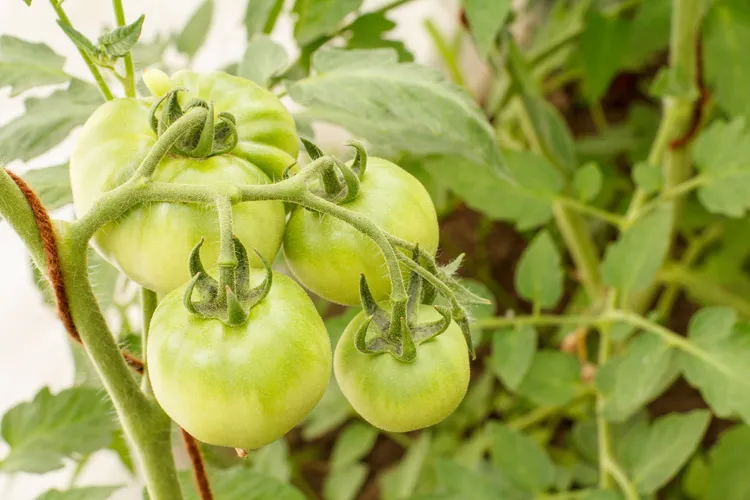
Tomatoes tend to peak at the same time as peppers and right before the season's first green tomatoes at frost, which makes late summer the busiest stretch of the whole garden calendar. How to Cook With What You Grow: A Season-by-Season Guide lays out how this period connects to what comes before and after it.