What Are Fennel Fronds and How to Store Them
A basic guide to fennel fronds - what they are, how they differ from the bulb and stalks, and how to store them so they don't wilt before you use them.
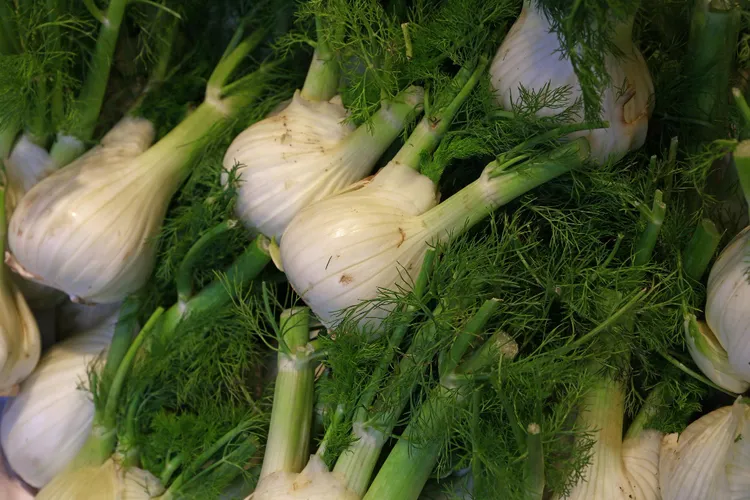
Before getting into recipes, it helps to know exactly what part of the fennel plant you're working with - fronds, stalks, and bulb all have different textures and slightly different flavors, and knowing the difference changes how you use each part.
Fronds vs. Stalks vs. Bulb
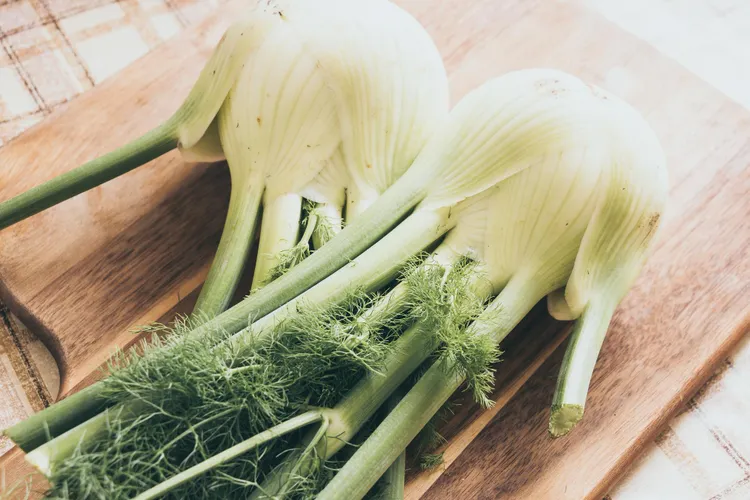
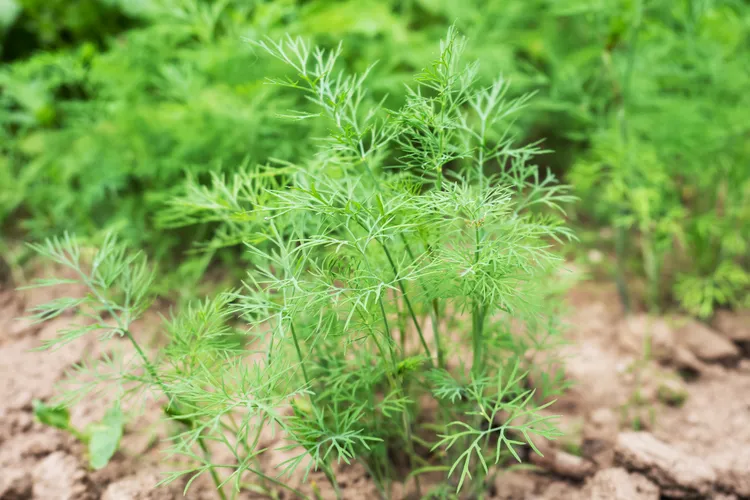
A fennel plant has three distinct edible parts. The bulb at the base is what most grocery store recipes are built around - dense, crunchy, and the most concentrated source of fennel's anise flavor. Rising up from the bulb are pale green stalks, similar in structure to celery, tougher and more fibrous than the bulb. At the very top of those stalks are the fronds - feathery, delicate, dill-like leaves that are the mildest and most tender part of the whole plant.
Fronds are closer in texture and use to a fresh herb than to a vegetable, which is part of why they get overlooked - most cooks are thinking about the bulb as "the vegetable" and don't mentally categorize the fronds as a separate, usable ingredient in their own right.
What Fronds Taste Like
Fennel fronds carry a milder version of the bulb's anise-sweet flavor, closer in intensity to fresh dill than to the more concentrated taste of the bulb itself. That mildness makes them considerably more forgiving to use in larger quantities than the bulb, which can turn overpowering if overused. Fronds also have a slight grassy freshness that dill doesn't quite have, which is part of what makes them a genuinely distinct ingredient rather than just a dill substitute.
How to Trim Them From a Bulb
When you get a fennel bulb home, separate the parts right away rather than leaving everything attached in the fridge. Cut the stalks away from the top of the bulb, then trim the fronds away from the stalks, snipping close to where the feathery leaves branch out. This takes less than a minute and immediately turns the fronds into something you'll treat as a usable ingredient rather than packaging still attached to the vegetable you actually meant to buy.
How to Store Fennel Fronds
Fronds wilt faster than sturdier herbs like rosemary or thyme, closer to the shelf life of fresh dill or cilantro. Once trimmed, wrap them loosely in a slightly damp paper towel and store them in a partially sealed bag in the crisper drawer - stored this way, they typically hold up for about 4 to 5 days.
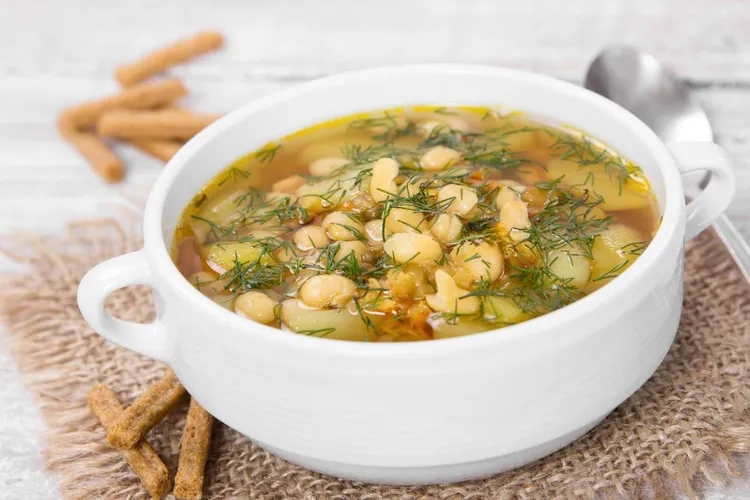
For longer storage, fronds freeze reasonably well, particularly chopped and frozen in oil in an ice cube tray, similar to how a fragile herb like tarragon is best preserved. They lose some of their fresh, bright character when frozen, but retain enough flavor to be useful in cooked dishes like soup even after freezing.
How Much You'll Typically Get
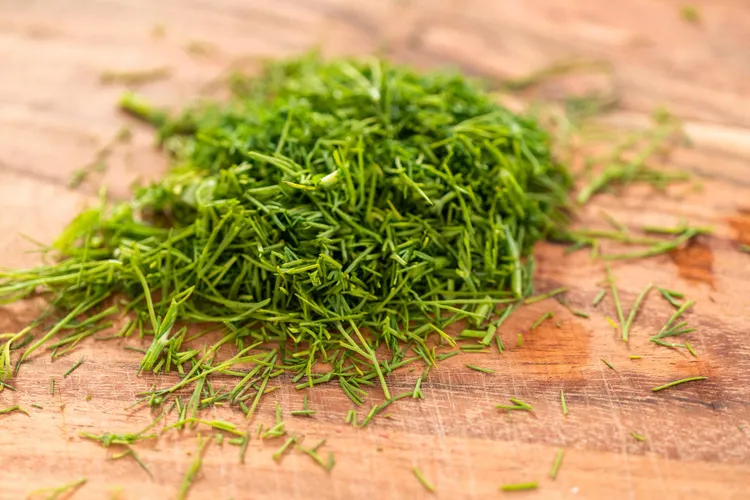
A single grocery store fennel bulb usually yields somewhere between a quarter cup and a half cup of loosely packed chopped fronds, depending on the size of the bulb and how generously the stalks were trimmed by the store. That's enough for a light garnish on a couple of dishes, but usually not quite enough for a full recipe like pesto on its own - worth keeping in mind if you're planning a specific frond-forward recipe and want to buy a couple of bulbs, or supplement with a bunch of fresh dill.
A Quick Freshness Check
Good fennel fronds should look bright green and feel slightly springy, similar to fresh dill. If they look yellowed, slimy, or have gone noticeably limp and flat, they've passed the point of being worth saving - use them quickly or skip using them for a dish where they're the main flavor.
Once you know what you're working with, the next step is putting them to use - see the complete fennel fronds guide for the full range of recipes.
Latest