What to Do With a Zucchini Glut: 10 Ways to Use Up Summer Squash
Ten practical ways to use an overproducing zucchini plant, from quick weeknight dishes to freezer-ready prep, before the squash outgrows the crisper drawer.
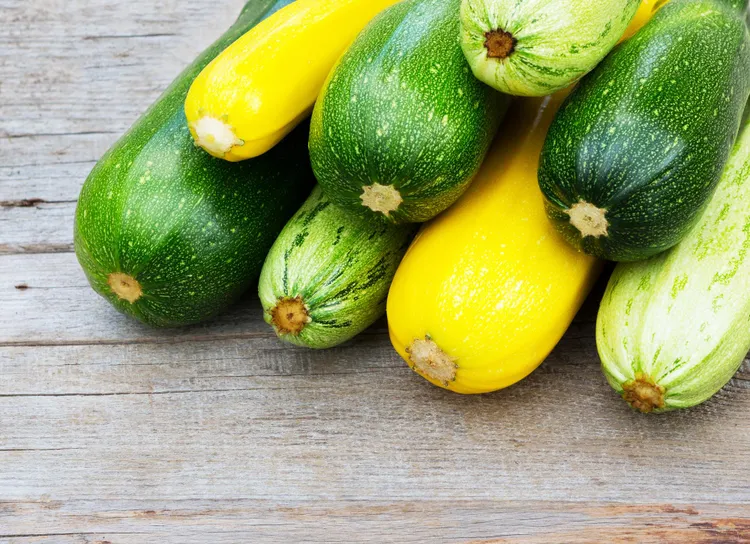
One healthy zucchini plant can produce two to four squash a week for six weeks straight, which adds up to more zucchini than most households can eat fresh. The good news is that zucchini's mild flavor and high water content make it one of the most flexible vegetables to cook with, as long as there's a plan for using it faster than it grows.
Pick Small and Often
The single biggest lever for managing a zucchini glut is picking it early. A zucchini at 6 to 8 inches long is tender, has small seeds, and cooks quickly. Left to grow past a foot, the skin toughens, the seeds get large and need scooping out, and the flesh turns watery. Checking the plant every day or two during peak season, rather than every few days, keeps the harvest in that smaller, more useful range and also keeps the plant producing, since a squash left to mature signals the plant to slow down.
Shred It Into Noodles
A spiralizer or a simple julienne peeler turns zucchini into long, thin strands that cook in two to three minutes, tossed raw with a warm sauce or given a very quick sauté. This zucchini pasta with basil, lemon zest, and cherry tomatoes is a fifteen-minute lunch that uses a whole medium zucchini per serving, which matters when there's more than one to get through in a day. Salting the shredded noodles for ten minutes and blotting them dry first keeps the dish from turning watery once it's tossed.
Bake It Into a Savory Pie
Grated zucchini holds together well in a custard-style filling, and the moisture that makes raw zucchini tricky actually works in its favor here, since a puff pastry base soaks it up as it bakes. Zucchini and feta pie with dill uses two medium zucchini per pie and keeps well enough to reheat for lunch the next day, which stretches one cooking session across two meals.
Layer It Like a Casserole
Sliced zucchini stands in well for eggplant or lasagna noodles in a layered bake. This zucchini bake with tomato sauce and parmesan layers thin zucchini rounds with a simple sauce and cheese, and because the zucchini cooks down as it bakes, it's a good way to use a larger quantity, closer to three or four squash, in a single dish without the meal feeling repetitive.
Fry It Into Fritters
Shredded and squeezed dry, zucchini makes a fritter batter that crisps up in the oven without deep frying. Baked zucchini fritters with goat cheese freeze well after cooking, so a double batch made on a Sunday covers snacks or sides for most of the following week. The squeezing step matters more than any other part of the recipe; skipping it is the most common reason fritters turn out soggy instead of crisp.
Grate It Straight Into the Freezer
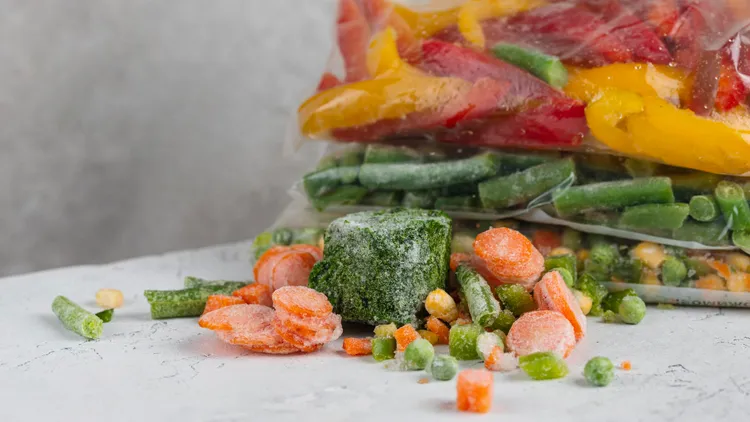
Not every zucchini needs to be cooked the day it's picked. Shredded raw zucchini freezes reasonably well in 1 or 2 cup portions, squeezed of excess water first and packed flat in freezer bags so portions break apart easily later. It won't hold its texture for a raw salad after thawing, but it works fine stirred into soups, sauces, or baked goods over the following months, which turns a same-day cooking problem into a future ingredient instead.
Grill It in Planks
Sliced lengthwise into quarter-inch planks, brushed with oil, and grilled for two to three minutes a side, zucchini takes on a smoky char that plain sautéing doesn't produce. This is a good option for the larger end of the "still tender" range, since the planks cook fast enough that a slightly bigger squash doesn't have time to turn mushy on the grill the way it might in a pan.
Turn It Into Soup
Zucchini's high water content and mild flavor make it a natural thickener for a blended soup, similar to how potato works but lighter. Sautéed with onion and garlic, simmered in broth for fifteen minutes, and blended smooth, it takes on whatever flavor is added, curry powder, dill, or a swirl of pesto, without needing much zucchini-specific seasoning of its own. This is one of the higher-volume uses on this list; a single pot can absorb three or four squash at once.
Bread and Muffin Batter
Grated zucchini adds moisture to quick breads and muffins without adding much flavor, which is part of why it works in both savory and lightly sweet baked goods. A standard loaf recipe can usually absorb one to one and a half cups of grated, squeezed zucchini without needing other changes, and the loaves freeze well whole or sliced.
Give the Overflow Away
At a certain point in peak season, no amount of recipe rotation keeps up with a productive plant, and giving away the extra is a legitimate strategy rather than a failure of planning. Neighbors, coworkers, and local food pantries are often glad to take zucchini off a gardener's hands in July and August, when everyone else's plants are producing too but not always at the same rate.
Managing the Whole Plant, Not Just the Fruit
Zucchini plants get large fast, and the leaves themselves can make picking difficult by midsummer, hiding fruit under a dense canopy until it's grown well past the tender stage. Reaching under the leaves to check for hidden squash every time you harvest, rather than only picking what's immediately visible, catches fruit before it overgrows and also reduces the risk of squash vine borers, a common pest that targets the base of the stem. Removing a few of the oldest, largest leaves partway through the season, the ones closest to the ground that tend to yellow first, improves airflow and makes the next harvest easier to see.
A single plant, if it's healthy, will keep producing until the first real cold snap in fall, which means the glut isn't a one-time event so much as a sustained six- to eight-week stretch. Planning for that duration, rather than treating each week's harvest as a surprise, is what actually prevents the sense of being overwhelmed that a lot of new gardeners describe when they talk about zucchini.
Stuffing Larger Zucchini Instead of Wasting Them
Not every oversized zucchini needs to go to waste just because it's too big for noodles or thin planks. A zucchini that's grown past the ideal size, closer to 10 or 12 inches, can still work well halved lengthwise, hollowed out, and stuffed with a mixture of cooked grain, ground meat or beans, and cheese, then baked until tender. The larger seed cavity that makes an oversized zucchini unpleasant raw or sautéed is actually useful here, since it creates more room for filling. This is a good option specifically for the squash that got missed during a busy week and grew larger than planned, rather than a reason to let it go to waste.
A Rough Week of Zucchini
Spreading the harvest across a week's meals, rather than tackling it all in one cooking session, keeps any single dish from feeling repetitive. A workable pattern: zucchini noodles for a weeknight lunch, the layered bake for one dinner, fritters made in a double batch for snacking and freezing, and whatever's left shredded raw into the freezer for future soups or baked goods. Four zucchini a week, roughly what one productive plant produces at peak, fits into that rotation without anyone in the house getting tired of it.
Common Mistakes That Waste a Good Harvest
The most common misstep is letting zucchini sit on the counter "to deal with later," which is exactly when it turns from firm to soft and starts developing soft spots. Refrigerated in a loosely closed bag, zucchini holds for about a week; at room temperature, closer to two or three days. The second common mistake is skipping the salt-and-drain step before cooking, which leaves dishes watery no matter how good the recipe is otherwise. A ten-minute salt and squeeze, whether for noodles, fritters, or bread batter, solves most texture complaints about zucchini dishes.
Plan Around the Season, Not Just the Squash
Zucchini rarely shows up alone. It tends to overlap with cucumbers, the first tomatoes, and fast-growing herbs, all needing attention in the same few weeks. How to Cook With What You Grow: A Season-by-Season Guide lays out how these midsummer crops line up against the rest of the growing season, which makes it easier to see a zucchini glut as one predictable stretch rather than a surprise every July.