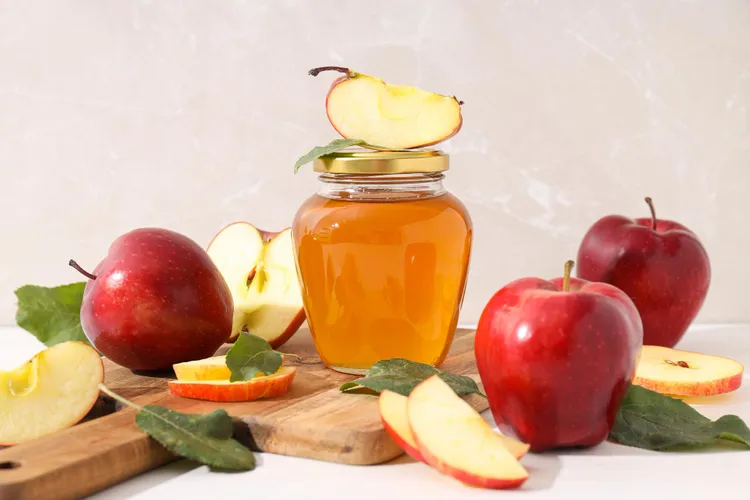
How to Make Apple and Pear Butter at Home
Fruit butter is slow-cooked, smooth, and spreadable - lower in sugar than jam and far more intensely flavoured. This guide covers the method and tested recipes for apple butter and spiced pear butter.
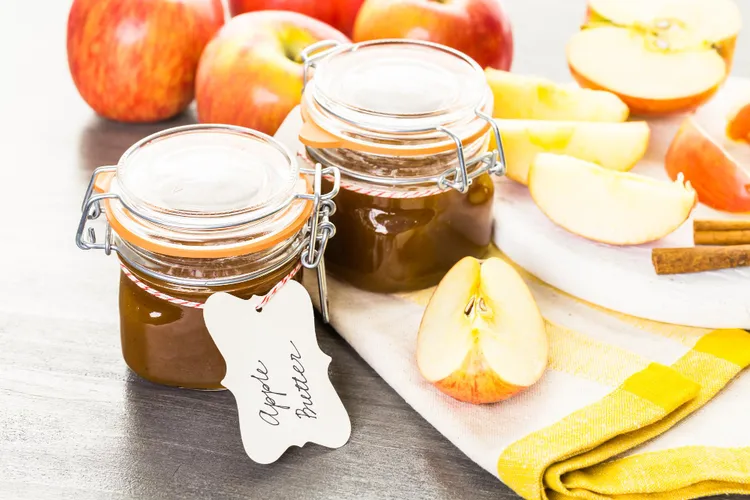
Fruit butter is what happens when you cook puréed fruit slowly with sugar until it reduces to a thick, silky, spreadable consistency. It has less sugar than jam (typically 40 to 50 percent compared to 60 to 65 percent), more intense fruit flavour, and a completely different texture - smooth, dense, and almost creamy. The name refers to the texture, not any actual dairy ingredient.
Fruit Butter vs Jam: The Key Differences
Jam uses whole or roughly chopped fruit cooked with sugar to a set based on pectin. Fruit butter uses puréed fruit, removing any need for pectin to create structure - the structure comes from reduction and concentration. Because it is lower in sugar and has no gelled structure, fruit butter has a shorter shelf life than jam: 3 to 4 months sealed (or 12 months water bath processed), 3 to 4 weeks once opened in the fridge.
Fruit butter does not set to a spreadable gel the way jam does. It is spread-able because it is thick from reduction, not because it has gelled. This means the consistency test is different: a dollop on a cold plate should hold its shape without spreading too much, but it will not wrinkle when pushed the way jam does.
Cooking Method: Oven vs Stovetop
Fruit butter can be cooked in two ways. The stovetop method (the one used in the recipes below) is faster but needs more attention - the thick purée burns easily and must be stirred frequently on low heat. The oven method (spreading the purée in a wide baking dish at 150 degrees Celsius) is completely hands-off and harder to burn, but takes 2 to 3 hours. Both produce excellent results.
Recipe 1: Spiced Apple Butter
Makes: 3 to 4 x 250ml jars | Prep: 20 minutes | Cook: 60 to 90 minutes
Ingredients
- 1.5kg cooking apples, peeled, cored, and roughly chopped
- 150ml apple juice or water
- 300g soft brown sugar
- 1 teaspoon ground cinnamon
- Half teaspoon ground cloves
- Half teaspoon ground allspice
- Juice of 1 lemon
Instructions
- Sterilise jars.
- Cook apple pieces with the apple juice or water in a large heavy pan over medium heat for 20 minutes, until completely soft and collapsed.
- Blend or pass through a food mill to a smooth puree. Return to the pan.
- Add sugar, spices, and lemon juice. Stir over low heat until sugar dissolves.
- Cook over low heat, stirring frequently, for 40 to 60 minutes until the mixture has reduced by about a third and is thick enough to hold a brief mound on a cold plate. It should look dark, glossy, and almost paste-like.
- Ladle into warm sterilised jars. Seal immediately. Process in a water bath for 10 minutes if you want 12-month shelf stability, or refrigerate without processing and use within 4 months.
Recipe 2: Pear Butter with Vanilla
Makes: 3 x 250ml jars | Prep: 20 minutes | Cook: 60 to 75 minutes
Ingredients
- 1.5kg ripe pears, peeled, cored, and chopped
- 100ml water
- 250g white granulated sugar
- 1 vanilla pod, split lengthways
- Juice of half a lemon
- Half teaspoon ground cardamom
Instructions
- Cook pears with water and vanilla pod over medium heat for 20 minutes until completely soft. Remove vanilla pod. Scrape the seeds back into the pan.
- Blend to a smooth puree. Return to pan.
- Add sugar, lemon juice, and cardamom. Stir to dissolve over low heat.
- Cook over low heat, stirring frequently, for 40 to 55 minutes until thick and reduced. Pears have more water than apples and take slightly longer to concentrate.
- Ladle into warm sterilised jars. Seal.
Uses for Fruit Butter
On toast or crumpets instead of jam. As a sauce for pork or chicken (thinned slightly with apple juice). Swirled into oatmeal. As a filling for pastries alongside cream cheese. Spread in a sandwich with sharp cheddar. As a condiment alongside pan-roasted chicken thighs. The lower sugar and smooth texture make it more versatile than jam in savoury applications.
Nutrition (per tablespoon, apple butter, approx. 20g)
- Calories: approximately 35 kcal
- Carbs: 9g (of which sugars 8g)
- Protein: 0g
- Fat: 0g
For the full preserving framework including chutney, pickles, and fruit jelly, see the complete homemade preserves guide. Track how apple butter fits your daily nutrition targets with Consillar's nutrition calculators.
Oven Method for Apple Butter
The oven method is completely hands-off and harder to burn than the stovetop approach. Once the apple puree and sugar are combined, transfer to a wide, shallow baking dish or roasting tray. Cook uncovered at 150 degrees Celsius, stirring every 30 minutes, for 2 to 3 hours until the butter is very thick, dark, and fragrant. The wide surface area allows moisture to evaporate without any risk of the bottom burning. This is the better method if you have other things to cook in the oven at the same time or cannot commit to regular stirring on the stovetop.
Pear Butter Variations
The pear butter recipe above uses cardamom and vanilla for a gently spiced result. Variations: pear and ginger (20g fresh grated ginger cooked with the pears from the start). Pear and rosemary (2 sprigs cooked with the pears and removed before blending). Pear and Gorgonzola - not a variation of the butter itself, but pairing the finished pear butter with a strong blue cheese is one of the best uses of the recipe. The sweetness of the butter against the sharpness of a good blue cheese is excellent on any bread or cracker.
Using Fruit Butter in Baking and Cooking
Fruit butter is a versatile baking ingredient beyond its use as a spread. As a filling in a Swiss roll instead of jam. Swirled through a Victoria sponge batter to create a marbled effect. As a component in a crumble alongside the fruit layer. Used as a glaze on a tarte tatin in the last 5 minutes of baking. Thinned slightly and used as a dipping sauce for pan-roasted chicken thighs. The lower sugar content compared to jam means it works better in savoury applications without being too sweet. For the full guide to home preserving beyond jam, see the complete homemade preserves guide.
Apple Butter vs Applesauce
The distinction is important and often confused. Applesauce is cooked, pureed apple with little or no added sugar - essentially a smooth, unsweetened or lightly sweetened puree. Apple butter starts the same way but is then cooked for a significantly longer time until it reduces to a much thicker, darker, more concentrated paste. The colour change during this extended cooking - from pale yellow-green to a deep amber - is partly caramelisation of the natural fruit sugars and partly the Maillard reaction. The flavour deepens and intensifies in ways that applesauce cannot achieve. Apple butter also has a significantly longer shelf life because the higher sugar concentration and lower moisture content create a more stable product.
The extended cooking time (60 to 90 minutes beyond the initial puree stage) is what separates the two. Taste the puree after adding sugar and at 20-minute intervals during reduction. The flavour improvement is noticeable at each stage. For pairing ideas, apple butter works well alongside balsamic chicken and mushrooms as a condiment, or stirred into yoghurt for a high-protein breakfast. For the complete home preserving guide including chutneys, pickles, and fruit cheeses, see the complete homemade preserves guide.
Apple Butter as a Zero-Waste Project
Apple butter is one of the best uses for imperfect or abundant apples that cannot be eaten fresh. Windfalls, slightly battered cooking apples from a farm shop, the last of a garden apple tree that are too soft for eating - all of these produce excellent apple butter because the quality of the individual fruit matters very little once it is all cooked, pureed, and reduced. The only exception is genuinely rotten or mouldy fruit - cut out any bad sections before cooking.
A productive apple tree in autumn can easily produce 20kg of apples. Eating 20kg of raw apples is not realistic. Jam from 20kg of apples produces 80 to 100 jars, which is too many. Apple butter uses the same apples but gives a more versatile product in smaller quantities - 20kg of apples produces approximately 15 to 20 x 250ml jars of apple butter, a manageable amount for household use and gifting. The process can be done in batches over several weekends rather than all at once. For the complete home preserving guide covering every preserve type from chutneys and pickles to fruit curds and potted foods, see the complete homemade preserves guide.
Apple Varieties for Fruit Butter
Cooking apples (Bramley in the UK, Granny Smith as a widely available alternative) are the standard choice for apple butter because their high acid content balances the added sugar and their fluffy texture when cooked produces a smooth puree without extensive blending. Eating apples work but give a sweeter, less complex result - reduce the sugar by 20 percent if using eating apples to avoid an overly sweet butter.
A blend of varieties is often better than a single type. Mixing cooking apples with a proportion of russet or cox apples adds a nutty, honeyed complexity that pure Bramley butter lacks. Crab apples mixed with cooking apples in a 30:70 ratio produce a darker, more tart butter with an interesting astringent quality from the crab apple tannins. Wild-harvested crab apples gathered from hedgerows in September cost nothing and make the best apple butter of all, though the quantity of peel, core, and seeds relative to usable flesh makes them inefficient to process in large quantities. The flavour payoff is worth it for a small batch.
For spice variations beyond the cinnamon and clove combination in the recipe above: star anise and vanilla in a pear butter. Cardamom and ginger in apple butter for an Indian-inspired flavour. Smoked paprika in small quantity (half a teaspoon per batch) in apple butter to use as a savoury condiment alongside pan-roasted chicken thighs. For the full home preserving guide covering every technique, see the complete homemade preserves guide.
Oven Method: Step by Step
The oven method for apple butter deserves its own detailed walkthrough because it is so much easier than the stovetop version for beginners and produces consistently excellent results with less risk of burning.
Once you have a smooth apple puree (cooked apples blended with their cooking liquid), transfer it to the largest, widest oven-safe dish you have - a large roasting tin, a wide casserole, or a large gratin dish. Add the sugar and spices, stir to combine, and place uncovered in the oven at 150 degrees Celsius. Come back every 30 minutes to stir and scrape down the sides. The butter reduces steadily over 2 to 3 hours. When it reaches the right consistency (a dollop on a cold plate holds its shape without spreading, the colour has deepened to rich amber), remove from the oven and jar immediately.
The oven method produces slightly less caramelised flavour than the stovetop because the temperature is more controlled, but it gives a cleaner fruit flavour and is virtually impossible to burn. For a first batch of apple butter, the oven method reduces the risk and produces results reliable enough to build confidence before attempting the stovetop version. Both produce excellent, shelf-stable fruit butter suitable for gifting, spreading, and cooking. For the complete guide to home preserving, see the complete homemade preserves guide.
Apple Butter vs Jam: When to Use Each
Apple butter and apple jam (or apple jelly) are different products that serve different purposes in a kitchen. Apple jelly is sweet, clear, and spreadable - best on toast, scones, or as a pastry glaze. Apple butter is denser, darker, more concentrated, and more savoury-adjacent - better for cooking applications and for pairing with savoury foods as well as sweet.
The practical distinction: use apple jelly where you want a bright, sweet, transparent fruit flavour. Use apple butter where you want intensity, depth, and something that will hold its own against strong flavours. Apple butter stirred into a slow-cooked pork casserole in the last hour of cooking adds sweetness and body without the cloying quality that jam would bring. Apple butter spread on a piece of toasted sourdough under a strong cheddar balances the cheese's sharpness with the butter's depth. Apple butter as a component in a spiced sweet potato side dish gives it a seasonal complexity.
Both preserve well by the same methods - hot-jar sealing for 3 to 4 months of pantry storage, water bath processing for 12 months. Apple butter requires slightly longer water bath processing than jam (20 minutes for 250ml jars at sea level) due to its denser consistency, which requires more time for heat to penetrate to the centre of the jar. For the complete guide to home preserving covering all techniques, see the complete homemade preserves guide.
Latest