How to Cook Asado: South American Grilling Techniques for Home Cooks
Asado is Argentine and Uruguayan fire-cooked meat - slower, lower, and more deliberate than a standard backyard grill. The seasoning is minimal (just salt), the heat management is everything, and the condiments you serve alongside do most of the flavor work.
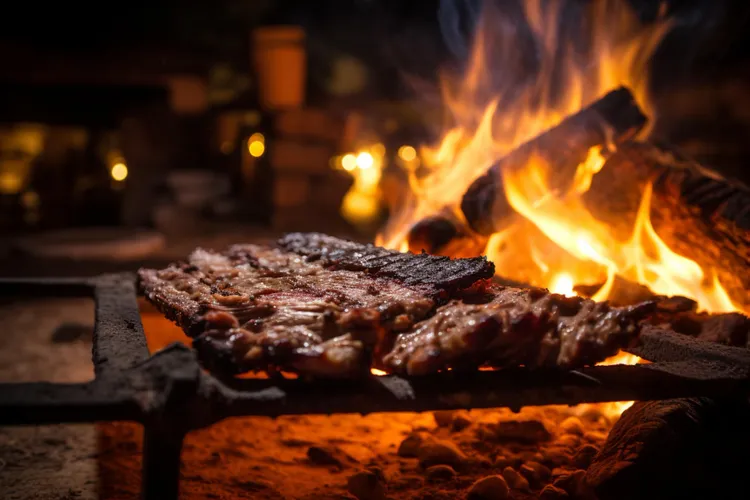
The core principle of asado is restraint. You don't marinate, you don't add spice rubs, you don't baste. You salt the meat generously before it goes on, you manage the fire carefully, and you trust the process. The result tastes like nothing else.
The Fire
Traditional asado uses wood, not charcoal briquettes. Hardwoods like quebracho (if you can find it), oak, or fruit woods burn hot and clean. The fire is built beside or below the grill - you add burning embers under the grill grate rather than cooking directly over flames. This gives controlled, even, medium heat rather than the intense direct heat of a North American backyard grill.
If you're using a kettle grill at home: light one full chimney of hardwood lump charcoal. When lit, arrange coals in a single even layer across one side of the grill. Position meat on the other side for indirect heat, then move over the coals in the final stage. Aim for a cooking temperature of 250-300°F (120-150°C) for the slow phase.
The Cuts
Classic asado cuts, in order of appearance on the grill:
- Chorizo: Grilled first while the coals settle. Served as starters with bread.
- Morcilla (blood sausage): Alongside the chorizo.
- Short ribs (asado de tira): Cut thin (about 1cm) across the ribs. Cooked low and slow, bone side down first, for 30-40 minutes per side.
- Flank steak (vacío): The fat cap stays on. Cooked fat-side down first until the fat renders and crisps, then flipped.
- Skirt steak (entraña): Faster-cooking, more intensely flavored. Goes on in the final hour.
- Sweetbreads (mollejas): Grilled over medium heat until caramelized on the outside, still yielding inside.
Seasoning
Coarse sea salt, applied generously to both sides of the meat about 30-60 minutes before it goes on the grill. That's it. The salt draws moisture to the surface, which then dries slightly before cooking - this helps create a crust. Do not add pepper or other spices before cooking in the Argentine tradition. Season with pepper at the table if you want.
Temperature and Timing
Asado is slow. Short ribs take 60-90 minutes. A large vacío can take two hours. You are not rushing to an internal temperature - you're developing crust, rendering fat, and letting the smoke and fire do their work. Use a meat thermometer for food safety (145°F/63°C for whole cuts), but the real signal is visual: the fat should be rendered and slightly charred, the crust should be deep brown, and the meat should feel firm-but-yielding when pressed.
The Condiment Spread
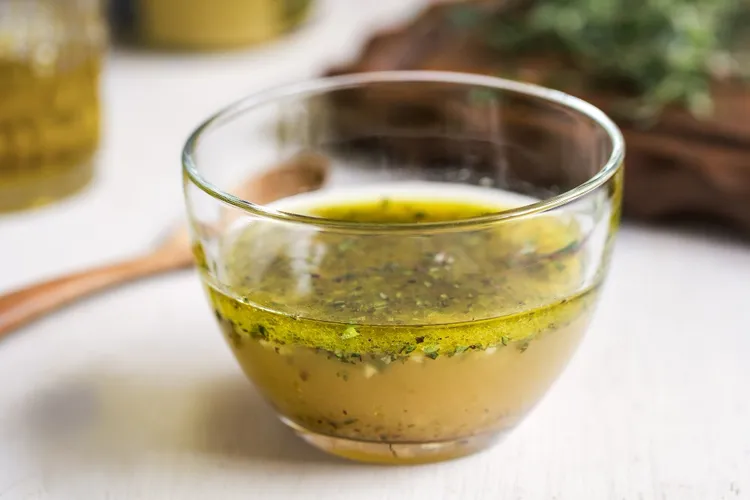
At a proper asado, the table holds at minimum three condiments. Chimichurri (green, and often red) is mandatory - made a day ahead for best flavor. Pebre for anyone who wants something lighter. Salsa criolla for freshness. Bread is served alongside the starters, and sometimes a simple green salad appears mid-meal to reset the palate.
Nutrition Estimates for Common Asado Cuts (per 150g cooked)
- Skirt steak: ~280 kcal, 28g protein, 0g carbs, 18g fat
- Short ribs: ~380 kcal, 26g protein, 0g carbs, 31g fat
- Beef chorizo: ~320 kcal, 17g protein, 2g carbs, 27g fat
All estimates for grilled, no added fat.
Home Cook Adaptation
No outdoor grill? A cast-iron skillet over very high heat replicates the crust development reasonably well. Salt the meat an hour ahead, pat dry before cooking, and use a screaming-hot pan. The smoke flavor won't be there, but the technique is sound. Serve with pan-roasted chicken thighs alongside if feeding a crowd - it keeps things affordable without losing the spirit of the meal.
Going Further
Asado is one technique within a much broader South American approach to cooking with fire and condiments. For a complete picture including Peruvian and Brazilian traditions, see our guide to South American condiments and cooking.
Latest