Why Your Nut Butter Won't Get Smooth (Troubleshooting)
Why nut butter gets stuck in a dry clump, when that's normal versus a real problem, and how to fix a batch that genuinely won't smooth out.

Almost every first-time nut butter batch hits a moment where it looks like a dry, dense clump instead of a smooth spread, and almost everyone assumes at that exact moment that something has gone wrong. In the large majority of cases, nothing has - the batch just needs more time.
The Clump Stage Is Normal, Not a Failure
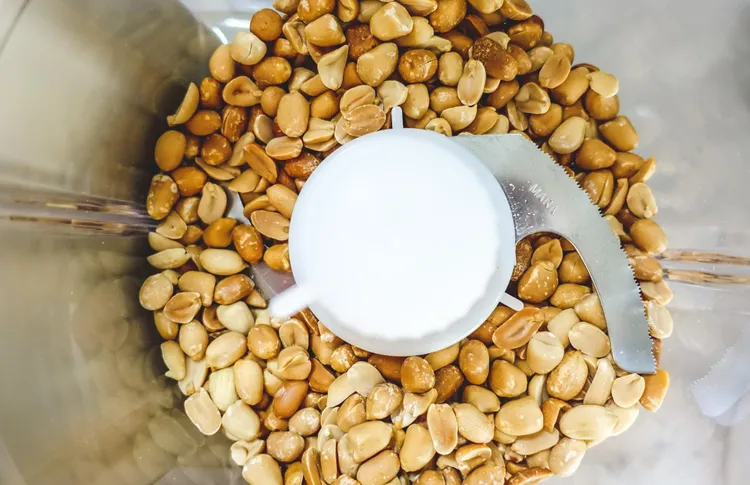
Every nut butter passes through a stage where the ground nuts ball up into a thick, dough-like clump that rides around the processor blade rather than moving freely. This typically happens somewhere between minute 3 and 7, depending on the nut, and it's the point where most people panic and either give up or add oil. Given another 3 to 5 minutes of continuous processing, the clump almost always breaks back down into a smooth, pourable butter on its own, as more of the nut's natural oil releases under continued pressure and heat from the blade, a process that simply takes real time to happen.
When It's Genuinely Not Smoothing Out
If a batch has been processing continuously for well past its expected time (15 minutes for almonds or pistachios, 10 minutes for peanuts, 8 minutes for cashews) and still looks dry or grainy rather than glossy, a few things are worth checking before adding oil as a fix, since oil isn't always the right or necessary solution.
- Under-roasted nuts: Nuts that weren't roasted long enough, or raw nuts in a recipe that assumes roasted ones, release oil more slowly and take noticeably longer to smooth out.
- A weak or small processor: A mini chopper or an underpowered processor may not generate enough friction and heat to fully release the oil, no matter how long it runs.
- Not scraping down often enough: Nuts stuck to the sides of the bowl never get processed. Scrape down every 2 to 3 minutes without exception.
- Old or dry nuts: Nuts that have been stored for a long time can lose some of their natural oil content, making them noticeably harder to blend smooth than fresh ones.
When to Actually Add Oil
If a batch has had a genuinely full processing time (accounting for the nut type), regular scraping, and still isn't smoothing out, adding a neutral oil one tablespoon at a time is a reasonable fix. Blend for a full minute after each addition before deciding whether more is needed - oil takes a moment to fully incorporate, and adding too much at once can make the final texture thinner than intended.
Why the Batch Turned Grainy Instead of Smooth
Graininess, as opposed to dry clumping, usually points to under-processing rather than an ingredient issue - the nuts have been broken down into a fine meal but haven't been run long enough to release oil and bind into a true, cohesive butter. The fix here is almost always more time rather than more oil.
Why the Batch Turned Out Too Runny
A batch that's noticeably thinner than expected, especially with naturally oily nuts like cashews, usually means it was over-processed past the point of doneness. There's no real fix for a batch that's already too thin other than blending in a small amount of the same nut, freshly roasted and ground into a dry meal, to thicken it back up slightly.
Why the Motor Overheated or Stopped
Most food processors aren't designed to run continuously for more than 2 to 3 minutes at a time without a break. Running one nonstop for 10 or 15 minutes straight, especially with a dense, resistant clump of nuts, can cause the motor to overheat and shut off as a safety measure. Pausing for 30 seconds to a minute every 2 to 3 minutes, whether or not the recipe calls for scraping at that exact moment, gives the motor a real chance to cool down and prevents this from happening.
Why a Batch Separated Right Away
Some oil separation immediately after blending is completely normal and not a sign of a problem - it settles back in with a stir. If separation happens dramatically and immediately, with a thick layer of oil visibly pooling on top within minutes, that usually points to over-processing (the oil released faster than the solid nut matrix could reincorporate it) rather than anything wrong with the ingredients.
Why a Batch Tastes Bitter
Bitterness that wasn't present in the raw nuts almost always traces back to over-roasting - a nut pushed several minutes past its ideal roasting window develops genuinely bitter compounds, not just a "toastier" flavor. This is most noticeable with almonds and pistachios, which have a narrower window between properly roasted and bitter than more forgiving nuts like peanuts. If a batch tastes bitter, there's no fix after the fact beyond starting a new batch with a shorter roast time - blending in extra sweetener can mask it somewhat but won't fully resolve the underlying flavor.
Why a Batch Won't Hold Its Shape (Crunchy Style)
When making a crunchy nut butter by folding reserved chopped nuts into a smooth base, a batch that turns out looking more like smooth butter with a few floating pieces, rather than an even crunchy texture throughout, usually means the base butter was too warm or too thin when the chopped nuts were folded in. Letting the smooth base cool for a few minutes before folding in the reserved pieces helps them stay more evenly distributed rather than sinking or blending in further.
Why the Flavor Seems Flat
A batch that blended perfectly smooth but tastes underwhelming almost always needs more salt, not more of anything else. Salt is what makes a nut's natural flavor register as "seasoned" rather than just "nutty," and even a well-roasted batch can taste surprisingly flat without enough of it. Add in small increments, 1/8 teaspoon at a time, tasting between additions, rather than guessing at a larger amount all at once.
Testing a Batch Mid-Process
It's worth tasting a small amount partway through blending, both to track progress and to catch roasting issues early on. A batch that tastes distinctly bitter even at the meal stage, well before it's smooth, is a sign the nuts were over-roasted and continuing to blend won't fix that underlying flavor issue - better to know at minute 3 than after 15 minutes of processing time.
When to Just Start Over
If a batch is genuinely bitter from over-roasting, or if the wrong ratio of ingredients was added early on and the flavor is unsalvageable, it's often faster and more satisfying to start a fresh batch than to keep trying to rescue one that's fundamentally off. A batch that's simply dry or grainy, on the other hand, is almost always salvageable with more time or a bit of oil - that distinction is worth making before deciding to toss anything.
Why a Batch Looks Different From a Photo or Video
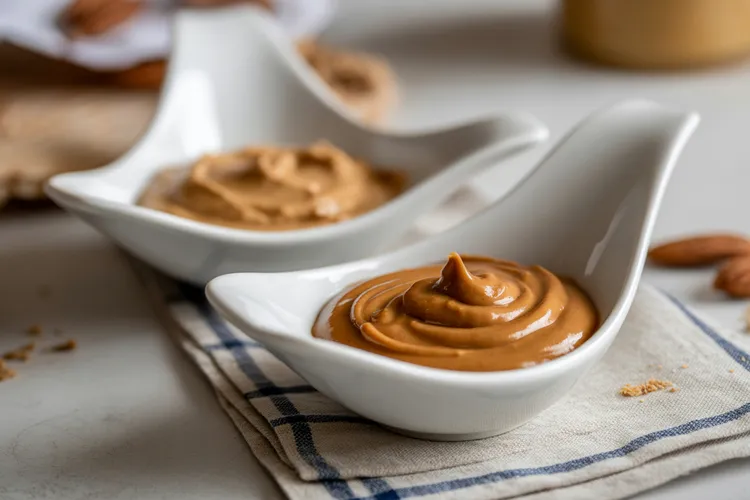
Nut butter tutorials and recipe photos often show a batch at its absolute freshest, warmest, and most pourable moment, right after blending finishes. A batch that's cooled and sat in the fridge for a few hours will look noticeably thicker and less glossy than that exact moment, which can make a perfectly successful batch feel like it fell short of expectations by comparison. Judging a batch by how it looks freshly blended and warm, not after it's cooled and set, gives a more accurate read on whether it actually turned out well.
What to Do If the Processor Bowl Cracks or the Blade Dulls
Extended nut butter blending is genuinely demanding on equipment, and it's not unheard of for a processor's blade to dull faster than it would from lighter tasks, or for a lower-quality plastic bowl to develop hairline stress cracks over repeated long blends. A dulling blade shows up as noticeably slower progress than a previous batch of the same nut and recipe, even with correct technique - if blend times start creeping up significantly batch over batch with no other explanation, blade wear is worth considering.
Why Two People Following the Same Recipe Get Different Results
Beyond equipment differences, natural variation in nut freshness, oven calibration, and even altitude and humidity can all shift blend times and final texture slightly from one kitchen to another, even with the exact same recipe and nominally the same equipment. This is worth keeping in mind before assuming a recipe itself is flawed just because a specific batch didn't match the stated timing exactly - some adjustment batch to batch, kitchen to kitchen, is normal.
Keeping a Simple Log
For anyone making nut butter regularly enough to want more consistent results, jotting down the nut type, roast time, and total blend time for each batch, along with a quick note on how it turned out, builds a useful personal reference over time that accounts for a specific kitchen's equipment and conditions more precisely than any general guide can.
Why Patience Solves Most Problems in This Guide
Looking back across nearly every issue covered here, a genuinely large share trace back to the same root cause: stopping earlier than the nut actually needs, whether from assuming the clump stage means something's wrong, expecting cashew-speed results from a slower nut like almond, or adding oil before giving the processor its full expected run time. Building in the expectation that nut butter takes real, sustained processing time, rather than the near-instant results a blender delivers for something like a smoothie, resolves more issues before they happen than any specific fix listed above.
Troubleshooting as a Skill That Improves With Practice
The first batch of any new nut butter is almost always where the most troubleshooting happens, simply because there's no personal reference point yet for what "normal" looks and sounds like at each stage for that specific nut and that specific machine. By the second or third batch of the same nut, most people stop needing this guide at all for that particular recipe, since they've built an intuitive sense of the right timing and texture cues through direct experience.
Bringing It All Together
Every issue covered in this guide, from a stubborn clump that won't break down to a batch that separated too dramatically, has a specific, identifiable cause rather than being random bad luck. Working through this list methodically - roasting, scraping frequency, processor strength, total time - resolves the overwhelming majority of nut butter problems without needing to start over from scratch.
A Quick Reference
Keep this table handy for a fast gut-check the next time a batch seems stuck at any stage of the process.
- Thick clump, hasn't hit full processing time yet: Keep blending, it's normal
- Dry or grainy past full processing time: Check roasting, scraping frequency, and processor strength before adding oil
- Too runny: Likely over-processed; blend in a bit of fresh ground nut meal to thicken
- Motor stalling or overheating: Give it more rest breaks between processing intervals
When a Second Opinion Helps
If a batch still seems stuck after working through every check in this guide, describing the exact stage, timing, and texture to someone who's made nut butter before, or comparing notes against an online forum thread on the exact same nut and machine combination, can sometimes surface a specific quirk of a particular processor model that a general guide like this one can't anticipate for every possible setup. Most of the time, though, simply giving a stuck batch a few more uninterrupted minutes resolves it before any outside input is needed at all, so it's worth exhausting the patience option fully first.
For roasting guidance by nut type, see our roasting guide, and for equipment recommendations, see our equipment guide. For the complete method, head back to the complete nut butter guide, which covers every stage this troubleshooting guide references in full detail, from the initial roast through the final jar, plus every individual nut and seed recipe this guidance applies to, each with its own specific timing and texture cues worth knowing before starting a first batch.
Nuts are common allergens. Always check ingredient labels for potential allergens and cross-contamination. If you have a nut allergy, avoid handling or consuming nuts and nut-based products, including homemade nut butter.
Latest