Black Garlic vs Regular Garlic: Flavor, Nutrition, and When to Use Each
Black garlic and regular garlic are not interchangeable. One is sharp and punchy; the other is sweet, soft, and deeply savory. Here's how to choose between them - and why keeping both in your kitchen makes sense.
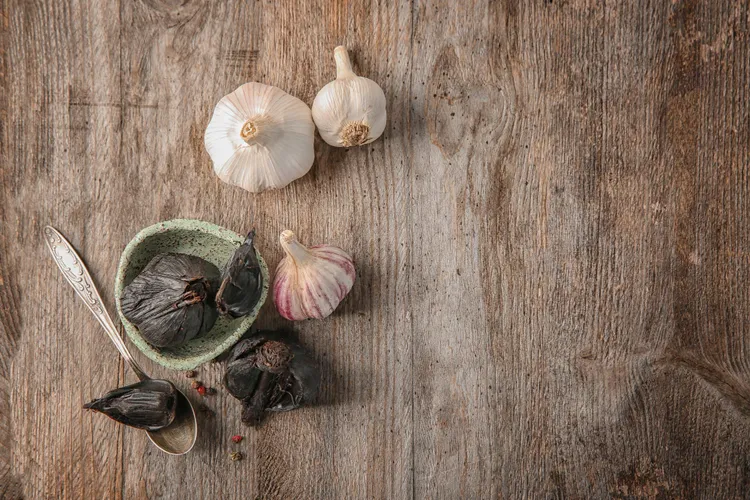
The confusion is understandable. They start as the same ingredient. But by the time black garlic is ready to use, it's a fundamentally different product - different flavor, different texture, different cooking applications, different nutritional profile.
Flavor Comparison
Raw garlic is dominated by allicin, the sulfur compound released when a clove is cut or crushed. It's sharp, pungent, and can easily overwhelm a dish. Cooked raw garlic mellows considerably but retains bite and a recognizable garlic character.
Black garlic has almost none of that. The fermentation process converts most of the allicin into S-allylcysteine (SAC) and other compounds. What's left is sweet - like aged balsamic - tangy, earthy, and umami-rich. People often compare it to tamarind, molasses, or even a mild soy paste. The garlic identity is present but background, not foreground.
Texture Comparison
- Raw garlic: Firm, crisp when fresh. Becomes soft and spreadable when roasted.
- Black garlic: Already soft and sticky at room temperature. Mashes with minimal pressure. Blends completely smooth.
The texture difference matters practically: black garlic paste or puree disperses invisibly into sauces and dressings. Raw garlic, even finely minced, tends to stay present as texture.
Nutritional Comparison (per 3g clove, approximate)
- Raw garlic calories: ~4 kcal | Black garlic: ~5 kcal
- Raw garlic allicin: High | Black garlic allicin: Low (mostly converted)
- SAC (S-allylcysteine): Low in raw | High in black garlic
- Antioxidant activity: Black garlic tests significantly higher in most studies
- Sugar content: Low in raw | Higher in black garlic (natural concentration from water loss)
The nutritional differences are real but both come in small quantities. A 3-clove serving of either is not a meaningful macro source - the interest is in the bioactive compounds. For more on what the research actually shows, see our article on black garlic health benefits.
When to Use Raw Garlic
- Any dish that needs garlic to be the primary flavor note
- Quick-cooked dishes where the sharpness is intentional (aglio e olio pasta, garlic bread)
- Raw applications where bite is desirable (tzatziki, chimichurri)
- Dishes with long cooking times where raw garlic will mellow naturally (slow braises)
- Budget cooking - raw garlic is dramatically cheaper
When to Use Black Garlic
- Sauces and dressings where you want depth without sharpness - like a black garlic vinaigrette
- Compound butters and spreads - black garlic compound butter on steak or roasted vegetables
- Aioli and mayonnaise-based sauces - black garlic aioli is ready in minutes
- Umami-boosting in ramen, soups, and braises
- When cooking for people who dislike the sharpness of raw garlic
- Pizza as a smear base - see black garlic pizza
Can You Substitute One for the Other?
Technically yes, but the result will taste different. Substituting black garlic for raw in a stir-fry will produce a sweeter, less punchy dish. Substituting raw garlic for black in a vinaigrette will make it sharper and more aggressive. Neither is wrong, but they're not the same dish.
A rough substitution ratio if you're improvising: 1 clove black garlic for every 2-3 cloves raw garlic (black garlic is milder). Taste as you go.
Price Difference
Raw garlic costs pennies per clove. Black garlic typically runs $1-3 per bulb depending on source and whether you're buying whole bulbs or peeled cloves. Making your own dramatically changes the math - see our guide to making black garlic at home for cost breakdown. For a complete picture of how to use black garlic across all its applications, the complete black garlic guide is the place to start.
Latest