Homemade Candied and Crystallised Fruit
Candying replaces moisture inside fruit with sugar syrup, preserving it indefinitely and transforming its texture. This guide covers the slow method and a quick alternative for candied citrus peel and glacé cherries.
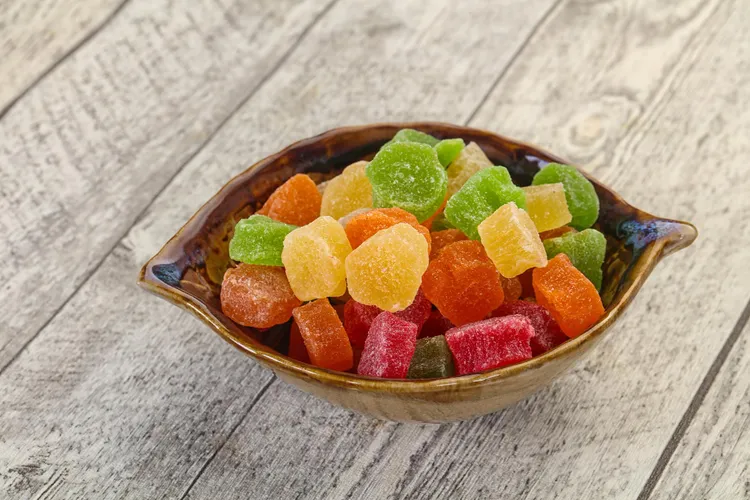
Candied fruit takes patience but almost no skill. The process is gradual concentration of sugar syrup over several days, allowing the fruit's moisture to be replaced with sugar solution without collapsing the structure. The result keeps indefinitely, looks beautiful, and tastes completely different from the fluorescent commercial versions that appear in supermarket Christmas baking aisles.
How Candying Works
Fresh fruit contains mostly water inside its cells. Sugar syrup, when concentrated enough, creates an osmotic pressure difference - the syrup draws moisture out of the fruit and replaces it with dissolved sugar. Do this too fast (too concentrated a syrup from the start) and the fruit shrivels and collapses as moisture is pulled out faster than syrup can move in. The slow method starts with a dilute syrup and increases concentration in stages over several days, giving the fruit time to exchange moisture for sugar gradually while retaining its shape.
What Candies Well
Citrus peel is the easiest starting point. It is robust, holds its shape perfectly, and the result is one of the most useful ingredients in a baking larder. Glacé cherries require stoning fresh cherries and a full week of slow candying but are worlds better than commercial ones. Crystallised ginger is made by the same method applied to fresh ginger slices. Whole glacé clementines, candied angelica, and candied violets are more advanced but follow the same principles. Soft berries (strawberries, raspberries) do not candy well as whole fruit because the structure collapses - use them in shrubs or jam instead.
Candied vs Crystallised: The Difference
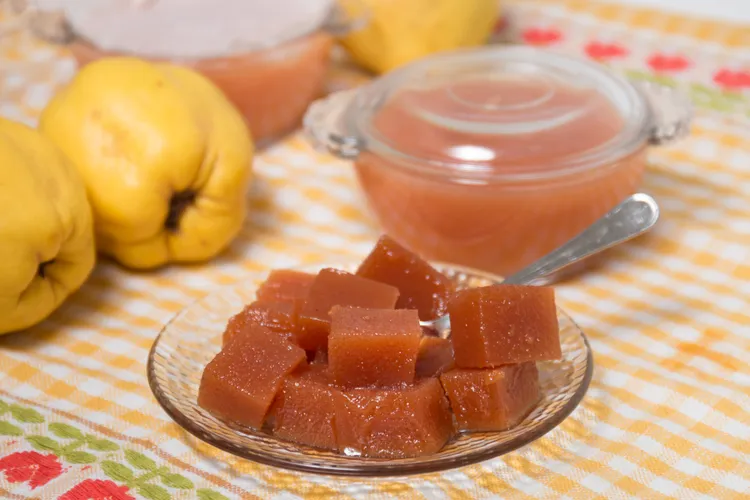
Candied fruit is preserved in sugar syrup and has a soft, sticky, semi-transparent appearance. Crystallised fruit is candied fruit that has been rolled in granulated sugar after the final syrup stage, giving it a dry, crunchy, sparkly exterior. Both start with the same candying process; the crystallising is an additional final step. Crystallised ginger is rolled in sugar. Candied peel can go either way depending on the final use.
Recipe 1: Candied Citrus Peel
Use any citrus: orange, lemon, grapefruit, or a mix. This is the quick-candy method - faster than the traditional multi-day approach but produces excellent results for peel.
Makes: approximately 300g | Prep: 20 minutes | Cook: 45 minutes | Dry: 24 hours
Ingredients
- 4 oranges (or 6 lemons, or 2 grapefruits), scrubbed
- 500g white granulated sugar
- 300ml water
- Extra sugar for rolling (approximately 100g)
Instructions
- Cut peel from the fruit in wide strips, including some pith. Slice into strips about 5mm wide.
- Blanch in boiling water for 5 minutes. Drain, rinse. Repeat the blanching twice more with fresh water each time. This removes most of the bitterness from the pith.
- Combine sugar and 300ml water in a pan. Heat until sugar dissolves. Add the blanched peel strips. Simmer gently over low heat for 45 minutes until the peel is translucent and the syrup is thick.
- Lift peel from the syrup using a fork. Lay on a wire rack over a baking tray. Leave to dry at room temperature for 24 hours - the surface should feel dry and slightly tacky but not sticky.
- Roll each piece in granulated sugar if you want crystallised peel. Store in an airtight container with greaseproof paper between layers. Keeps for 3 months at room temperature.
Recipe 2: Glacé Cherries (Slow Method)
The proper slow method produces a firm, flavourful glacé cherry that holds its shape in cakes and biscuits. This takes 6 to 7 days of syrup changes, but only 10 minutes of active work each day.
Makes: approximately 400g | Active time: 10 minutes per day for 6 to 7 days
Ingredients
- 500g fresh cherries, stoned
- 600g white granulated sugar
- 500ml water
Instructions
- Day 1: Combine 200g of the sugar with the water. Heat to dissolve. Pour over cherries in a bowl. Cover and leave 24 hours.
- Day 2: Drain off the syrup into a pan. Add 50g more sugar. Heat to dissolve. Pour back over cherries. Cover. Leave 24 hours.
- Days 3 to 6: Repeat the drain, add 50g sugar, dissolve, return process each day. The syrup becomes progressively thicker and the cherries more translucent.
- Day 7: Drain cherries. Spread on a wire rack. Dry in an oven at 60 degrees Celsius for 1 to 2 hours until the surface is no longer sticky. Cool completely. Store in an airtight container. Keeps 6 months.
Recipe 3: Crystallised Ginger
Makes: approximately 200g | Prep: 15 minutes | Cook: 40 minutes | Dry: 24 hours
Ingredients
- 300g fresh ginger root, peeled and sliced 3 to 4mm thick
- 400g white granulated sugar
- 300ml water
- Extra sugar for rolling
Instructions
- Simmer ginger slices in water for 20 minutes until just tender. Drain.
- Combine sugar with 300ml fresh water. Dissolve over heat. Add ginger. Simmer for 20 minutes until ginger is translucent and syrup very thick.
- Lift ginger from syrup. Toss immediately in granulated sugar to coat. Spread on a rack. Dry for 24 hours.
- Store in a jar at room temperature. Keeps 6 months. The syrup left behind is excellent ginger syrup for cocktails or baking.
Uses for Candied Fruit
Candied peel chopped and folded into Christmas cake, panettone, or biscotti. Glacé cherries in fruit cake, bakewell tart, or florentines. Crystallised ginger chopped into flapjacks, stirred into cream, or served with dark chocolate. Candied fruit as a garnish for desserts, cocktails, or cheese boards. Given as a gift in a small box lined with greaseproof paper, a selection of homemade candied peel and crystallised ginger is a genuinely impressive Christmas gift.
Nutrition (per 30g, candied orange peel)
- Calories: approximately 90 kcal
- Carbs: 23g (of which sugars 22g)
- Protein: 0g
- Fat: 0g
For the complete guide to home preserving including chutney, pickles, fruit curds, and jellies, see the complete homemade preserves guide.
The Traditional Slow Method for All Fruit
The recipes above use a quick-candy method for citrus peel and a moderate approach for cherries. The traditional slow method, used for more delicate whole fruits and anything you want to candy to its centre, follows the same daily syrup concentration increase but over 10 to 14 days rather than 6 to 7. Each day the syrup is drained, concentrated with more sugar, and returned. The fruit gradually equilibrates with the increasingly concentrated syrup. At the end of the process, the syrup is at a very high concentration (close to saturation) and the fruit is fully candied throughout. This method is used for whole clementines, large pieces of ginger, and anything where the centre matters as much as the surface.
Candied Fruit in Baking
Homemade candied peel in a Christmas cake or panettone is so much better than commercial that it makes a noticeable difference to the finished result. The flavour is more intensely citrusy and less synthetic. Homemade glacé cherries in a Bakewell tart or cherry cake hold their shape better and taste of actual cherries. Crystallised ginger chopped into a ginger cake adds heat and texture that dried ground ginger alone cannot. The improvement over commercial alternatives is one of the strongest cases for making candied fruit at home. For the complete guide to home preserving including chutney, pickles, and fruit cheeses, see the complete homemade preserves guide.
Quick-Candy vs Slow Method: When to Use Each
The quick-candy method (single concentrated syrup, one session) works well for citrus peel, thick slices of ginger, and robust fruit that will hold its structure through a more aggressive syrup. The slow method (daily syrup concentration increases over 6 to 14 days) is necessary for whole fruit, cherries, and anything more delicate where a too-concentrated initial syrup would collapse the structure before the sugar could penetrate. The slow method produces better-quality candied fruit overall - the gradual increase in syrup concentration gives the fruit time to equilibrate at each stage and emerge fully candied throughout without any shrivelling or collapsing.
If you are making candied fruit for the first time, start with the quick citrus peel method. It produces an excellent result with minimal time and no multi-day commitment. Once you have made that successfully, the principle for the slow method is the same - just extended over more sessions. A batch of properly slow-candied glacé cherries in October, used in Christmas baking in December, is a reward that justifies the patience required. For the complete home preserving guide covering chutneys, pickles, fruit curds, and jellies, see the complete homemade preserves guide.
Packaging and Gifting Candied Fruit
Candied fruit presents well and keeps well, which makes it ideal for gift-giving. A small box lined with greaseproof paper and filled with a mix of candied orange peel, crystallised ginger, and glacé cherries looks genuinely impressive and costs considerably less than an equivalent product purchased from a confectioner. The homemade versions also taste better - the flavour of the fruit is more present and the texture more interesting than mass-produced candied fruit.
For packaging: small gift boxes (available from craft shops), cellophane bags tied with ribbon, or glass jars with swing-top lids all work well. Keep layers of candied fruit separated with small sheets of greaseproof paper so they do not stick together. Label with the variety and date made. The shelf life (3 to 6 months at room temperature for properly dried candied fruit) means these can be made in October and given through November and December without any quality concerns. For the full home preserving guide covering every category from pickles and chutneys to potted foods and flavoured salts, see the complete homemade preserves guide.
Why Commercial Candied Fruit Is Poor Quality
Commercial glacé cherries and candied peel are typically made using an accelerated process - very high sugar concentration from the start, short processing time, then dyeing to achieve the artificial brightness that the fast process does not produce naturally. The result is fruit that is uniformly sweet, waxy, and lacking in any flavour of the original fruit. The red of commercial glacé cherries comes from dye; properly slow-candied cherries are a natural deep burgundy-brown.
Homemade candied fruit uses the gradual concentration method because it is practical for small batches and because the result is genuinely better. The flavour of the original fruit is still present underneath the sugar. Orange peel candied slowly at home tastes of orange; commercial mixed peel tastes of sugar and artificial citrus. Crystallised ginger made at home from fresh ginger root has genuine ginger heat and complexity; commercial crystallised ginger from a jar has been processed to the point where the heat is barely perceptible. The difference is substantial enough that experienced bakers notice it in finished cakes, tarts, and confectionery. For the full guide to seasonal home preserving including chutneys, pickles, fruit curds, and mincemeat, see the complete homemade preserves guide.
Storing and Using Homemade Candied Fruit
Properly dried candied fruit stored in an airtight container with greaseproof paper between layers keeps for 3 to 6 months at room temperature. Glacé cherries keep longest because the sugar saturation is highest after the slow process. Candied citrus peel keeps well for 3 months; beyond that the texture becomes slightly tough and the flavour fades. Crystallised ginger keeps for 6 months without quality loss if properly dried before storage.
If the candied fruit becomes sticky during storage, it was not dried sufficiently before jarring. Spread it on a rack and dry in an oven at 60 degrees Celsius for an hour, then re-roll in granulated sugar (for crystallised versions) and return to a clean container. This rescue works for most candied fruit that has become tacky rather than fully wet.
For using in baking, toss candied peel and glacé cherries in a tablespoon of flour before folding into cake batter. This prevents them from sinking to the bottom during baking by giving the batter something to grip. For the complete seasonal preserving guide including chutneys, pickles, fruit jellies, and mincemeat, see the complete homemade preserves guide.
Troubleshooting Candied Fruit Problems
Fruit that collapses or shrivels during candying was subjected to too concentrated a syrup too quickly. The high osmotic pressure pulled moisture out of the fruit faster than the syrup could replace it, causing the cells to collapse. Prevention: start with a dilute syrup (the 30 to 40 percent sugar range) and increase concentration gradually over several days. If this has already happened, the fruit is still edible (the texture is soft rather than firm, but the flavour is good) and works well chopped and folded into cakes or biscuits where a firm texture is not required.
Fruit that remains chewy or slightly translucent after the full candying process has not absorbed enough sugar. Either the syrup concentration was not increased far enough during the process, or the fruit variety had a higher-than-expected moisture content. Return the fruit to the pan with the remaining syrup, bring back to a simmer, and continue the process for 2 more days with daily syrup changes. The fruit should become fully translucent and the syrup should be very thick by the end.
Candied peel that tastes unpleasantly bitter after the full process was not blanched enough at the start. The triple blanching in the recipe above removes most of the bitterness from the pith. If you are using thick-skinned citrus (grapefruit, thick-rinded oranges), increase to four or five blanching rounds. The bitterness that remains after proper blanching is a pleasant, complex background note in the finished peel. The unpleasant bitterness that remains from insufficient blanching is sharp and distracting in baked goods. For the full home preserving guide, see the complete homemade preserves guide.
Latest