Dill Oil: A Bright Infused Oil for Finishing Dishes
A blanched dill oil recipe that stays bright green, plus food-safety guidance for homemade infused oils.
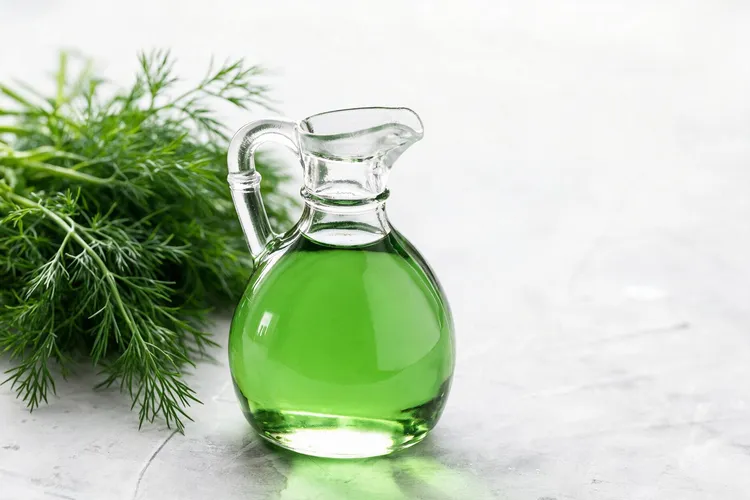
Dill oil made without blanching first tends to dull in color and flavor within a day, similar to what happens with unblanched basil oil. The same short blanching step fixes it here too.
Why Blanching Matters
Blanching briefly deactivates the enzyme responsible for chlorophyll breakdown in cut herbs, keeping the finished oil a vivid green rather than a muddy olive color. An immediate ice bath afterward stops any actual cooking of the delicate fronds.
How to Make Dill Oil
- Bring a pot of water to a rolling boil and prepare a bowl of ice water alongside it
- Drop dill fronds into the boiling water for 5 to 10 seconds, dill is more delicate than basil and needs less time
- Immediately transfer to the ice water using a slotted spoon
- Once cooled, drain and squeeze out excess water in a clean kitchen towel
- Blend with a neutral oil at a ratio of about 1 cup packed fronds to 1 cup oil, blending on high for 1 to 2 minutes until smooth
Strain through a fine mesh sieve lined with cheesecloth for a clear finishing oil, or skip straining for a more intensely flavored, slightly cloudier version.
Food Safety With Infused Oils
The same safety considerations that apply to any homemade herb-infused oil apply here. Oil creates a low-oxygen environment that can support the growth of Clostridium botulinum if not handled correctly.
- Refrigerate homemade infused oil at all times; never store it at room temperature
- Use within 1 to 2 weeks if refrigerated, or freeze for longer storage
- Discard any oil that smells off or has been left unrefrigerated for more than a couple of hours
- Blanching preserves color and flavor, not safety; refrigeration is still required regardless
Freezing for Longer Storage
Portion into ice cube trays and freeze solid, then transfer to a labeled bag, the same method described in How to Freeze Dill: Whole Fronds, Chopped, and in Oil. Frozen dill oil holds good flavor for 3 to 6 months.
How to Use It
Drizzle over grilled or poached fish, swirl into a bowl of potato or cucumber soup, or use as a base for a quick vinaigrette with a splash of vinegar or lemon juice. It also makes an appealing finishing drizzle over deviled eggs or a platter of smoked salmon.
Common Mistakes
- Blanching too long. Dill's fine fronds cook faster than basil's broader leaves; keep the blanch to 5 to 10 seconds to avoid dulling both color and flavor.
- Not squeezing out enough water before blending. Leftover water dilutes the oil and can shorten its refrigerated shelf life.
- Storing at room temperature. This is a genuine food-safety issue, not just a quality one; refrigerate or freeze without exception.
Frequently Asked Questions
Can I combine dill and another herb in the same infused oil?
Yes, a dill and parsley or dill and chive combination both work well and can stretch a smaller amount of each herb further.
Does dill oil work in baking?
It's mostly suited to savory applications; its flavor doesn't translate well into sweet baked goods.
How do I know if the oil has gone bad?
An off smell, unusual cloudiness beyond the norm for an unstrained batch, or any sign it's been left unrefrigerated for an extended period are all reasons to discard it rather than risk it.
Choosing the Right Oil
A neutral oil like grapeseed or a light, mild olive oil lets dill's own flavor lead without competing. A robust, peppery extra virgin olive oil can work too, but its own strong flavor will blend with rather than showcase the dill, similar to the same tradeoff that applies when choosing an oil for basil.
Scaling Up for a Larger Harvest
The blanching step works the same whether processing a cup of fronds or several; just blanch in smaller batches rather than overcrowding the pot, since too much dill at once cools the water and extends the blanch time unevenly across the batch. Keep the water at a strong boil and work in manageable batches for consistent results.
Common Mistakes
- Blanching too long. Dill's fine fronds cook faster than basil's broader leaves; keep the blanch to 5 to 10 seconds to avoid dulling both color and flavor.
- Not squeezing out enough water before blending. Leftover water dilutes the oil and can shorten its refrigerated shelf life.
- Storing at room temperature. This is a genuine food-safety issue, not just a quality one; refrigerate or freeze without exception.
- Over-blending at high speed for too long. This can heat the mixture slightly and push the flavor toward grassy rather than bright; blend just until smooth.
Frequently Asked Questions
Can I combine dill and another herb in the same infused oil?
Yes, a dill and parsley or dill and chive combination both work well and can stretch a smaller amount of each herb further.
Does dill oil work in baking?
It's mostly suited to savory applications; its flavor doesn't translate well into sweet baked goods.
How do I know if the oil has gone bad?
An off smell, unusual cloudiness beyond the norm for an unstrained batch, or any sign it's been left unrefrigerated for an extended period are all reasons to discard it rather than risk it.
Is it safe to can dill oil for shelf storage?
No. Standard home canning methods aren't designed to make infused oils shelf-stable, and doing so risks botulism regardless of processing time. Refrigeration or freezing are the only safe storage methods for homemade infused oil.
Tips for Success
Work quickly during blanching since the window is short by design. Because a batch typically lasts one to two weeks refrigerated, mapping out a few meals that would benefit from a dill oil drizzle over that window is a practical way to make sure the full jar gets used before it's time to make more.