Dill Seed vs Dill Weed: What's the Difference in Cooking
The flavor and use differences between fresh dill (dill weed) and dried dill seed, and when to reach for each.
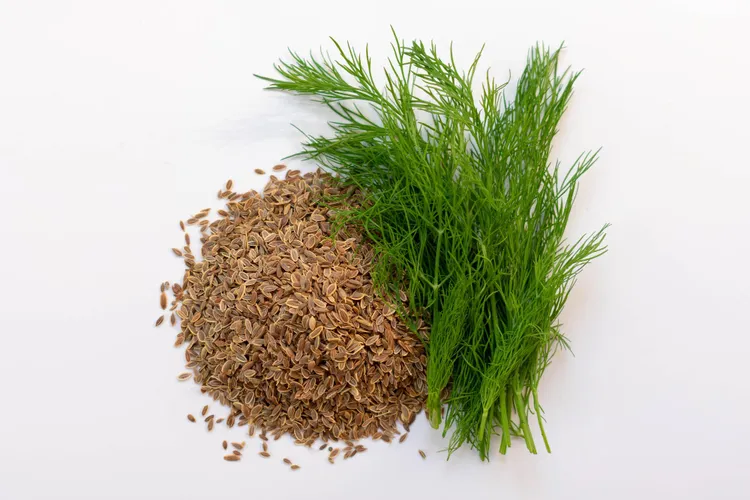
Dill seed and dill weed both come from the same plant, but recipes rarely explain which one they mean, and using the wrong one can throw off a dish more than people expect.
What Each One Is
Dill weed refers to the feathery green fronds, the fresh (or dried) herb most people picture when they think of dill. It has a bright, slightly grassy, faintly citrusy flavor that fades quickly once cut or dried. Dill seed is the plant's mature seed, harvested once the flower heads have dried on the plant. It has a much stronger, warmer, slightly bitter and caraway-like flavor, more akin to a spice than a fresh herb.
Flavor Differences
Dill weed is delicate and best added at the end of cooking or used fresh, since heat and time both dull its character quickly. Dill seed is robust and holds up well to long cooking, pickling brine, or baking, since its flavor compounds are more heat-stable and concentrated than the fresh frond's.
When to Use Dill Weed
- Fresh salads, dips, and sauces where a bright, herbaceous note is wanted
- Finishing a dish just before serving, since its flavor fades with heat
- Egg dishes, potato salads, and creamy sauces where fresh dill's lighter character suits the dish
When to Use Dill Seed
- Pickling brines, where its stronger flavor holds up over weeks of storage
- Bread, particularly rye bread, where its warm, slightly bitter note complements the other flavors
- Long-simmered soups and stews, where its flavor can stand up to extended cooking time
- Spice blends where a caraway-like warmth is wanted rather than a fresh, grassy note
Can They Be Substituted for Each Other?
Not directly, and not in equal amounts. If a recipe calls for dill seed and only fresh dill weed is on hand, the dish will lack the warm, slightly bitter backbone dill seed provides, though a large amount of fresh dill can approximate some of the bright, herbaceous character. If a recipe calls for fresh dill and only dill seed is available, a small pinch, ground or lightly crushed, can stand in for a portion of the flavor, but expect a warmer, spicier result than fresh dill would give, and the amount needed is much smaller due to dill seed's concentration.
Common Mistakes
- Using dill seed in place of dried dill weed at the same quantity. Dill seed is significantly more potent; using the same amount as you would dill weed can overwhelm a dish.
- Adding fresh dill weed at the start of a long-cooked dish. Its delicate flavor mostly cooks off; save it for the end unless a subtler background note is intended.
- Assuming a recipe that says "dill" without specifying always means the fresh herb. Pickling and baking recipes in particular often mean dill seed; when in doubt, check the recipe's other context clues, like whether it involves long cooking or brining.
Frequently Asked Questions
Can I grow and harvest my own dill seed?
Yes, letting a dill plant fully flower and the seed heads dry on the plant before harvesting produces homegrown dill seed; see What to Do With Dill Stems and Flower Heads for handling flower heads at earlier stages.
Is dill seed the same as caraway seed?
No, though they look similar and share a somewhat related flavor profile. They come from different plants and aren't a perfect substitute for each other, though they can stand in for one another in a pinch in some recipes.
Which one is used in classic dill pickles?
Traditional dill pickles typically use both: fresh dill weed or dried dill weed for aromatic brightness, and sometimes dill seed alongside it for a deeper, more complex brine flavor.
How Dill Seed Is Harvested and Processed
Dill seed comes from letting a plant flower fully and mature its seed heads on the stalk, usually turning from green to a light brown as they dry. Once the seed heads are mostly dry but before they shatter and scatter seed on their own, they're cut and hung upside down over a container or cloth to finish drying and release the seed. This is a slower, more deliberate process than harvesting fronds, since it requires sacrificing a plant's fresh-frond potential in favor of letting it complete its full lifecycle.
Buying Dill Seed vs Growing Your Own
Store-bought dill seed, sold as a whole spice, is widely available and consistent in quality, making it a practical choice for most cooking needs without requiring a dedicated seed-harvesting effort at home. Growing your own is worthwhile mainly for gardeners who already have a dill plant bolting anyway and would rather harvest seed from it than let the plant go to waste, or for those interested in seed-saving for future plantings.
Common Mistakes
- Using dill seed in place of dried dill weed at the same quantity. Dill seed is significantly more potent; using the same amount as you would dill weed can overwhelm a dish.
- Adding fresh dill weed at the start of a long-cooked dish. Its delicate flavor mostly cooks off; save it for the end unless a subtler background note is intended.
- Assuming a recipe that says "dill" without specifying always means the fresh herb. Pickling and baking recipes in particular often mean dill seed; when in doubt, check the recipe's other context clues, like whether it involves long cooking or brining.
- Buying pre-ground dill seed and expecting long shelf life. Like most ground spices, pre-ground dill seed loses potency faster than the whole seed; buy whole and grind as needed if flavor intensity matters.
Frequently Asked Questions
Can I grow and harvest my own dill seed?
Yes, letting a dill plant fully flower and the seed heads dry on the plant before harvesting produces homegrown dill seed; see What to Do With Dill Stems and Flower Heads for handling flower heads at earlier stages.
Is dill seed the same as caraway seed?
No, though they look similar and share a somewhat related flavor profile. They come from different plants and aren't a perfect substitute for each other, though they can stand in for one another in a pinch in some recipes.
Which one is used in classic dill pickles?
Traditional dill pickles typically use both: fresh dill weed or dried dill weed for aromatic brightness, and sometimes dill seed alongside it for a deeper, more complex brine flavor.
Does toasting dill seed change its flavor?
Yes, briefly toasting whole dill seed in a dry pan before using it, similar to toasting cumin or coriander seed, brings out a warmer, more rounded flavor than using it straight from the jar untoasted.
Tips for Success
Keep both dill weed and dill seed on hand if you cook with dill regularly; they serve different enough purposes that neither fully substitutes for the other. If growing dill at home, letting even a portion of a bolting planting go to seed is a practical way to get both products from the same crop, and noting which plants are earmarked for seed versus fresh fronds in a garden plan avoids confusion at harvest time.