What to Do With Dill Stems and Flower Heads
Dill stems and flower heads carry real flavor. Here's how to use them in stock and pickling instead of composting.
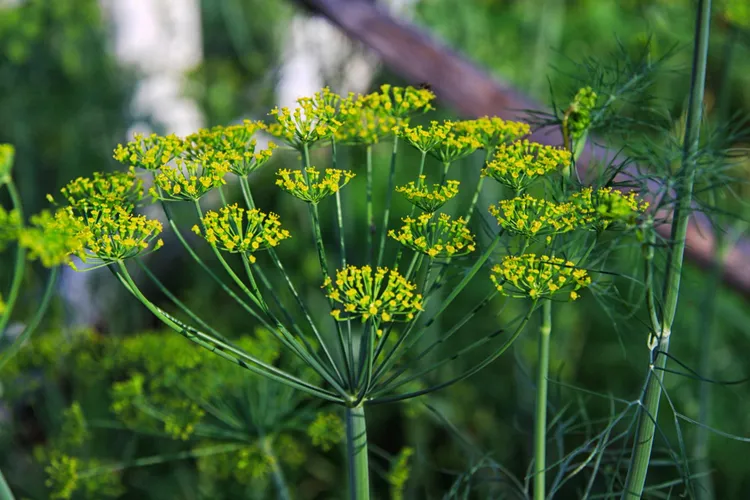
Most of the flavor discussion around dill focuses on the feathery fronds, but the stems and flower heads, often removed and discarded before a recipe even starts, carry real flavor of their own and are worth using rather than composting by default.
Why These Parts Are Worth Keeping
Dill stems are more fibrous than the fronds but hold a concentrated version of the plant's aromatic character, similar to how the tougher parts of many herbs still carry flavor even if they're not pleasant to eat directly. Flower heads, meanwhile, are arguably the most flavorful part of the entire plant and are a traditional ingredient in classic dill pickle recipes, often more central to the flavor than the fronds themselves.
Use 1: Stock and Broth Infusions
Add a handful of dill stems to a simmering vegetable or fish stock during the last 15 to 20 minutes of cooking, then strain as usual. This is a particularly good pairing for fish-based stock, since dill's flavor profile complements seafood so naturally. It's a free way to add depth to a stock using material that would otherwise be discarded.
Use 2: Flower Heads in Pickling Brine
Dill flower heads are a traditional addition to classic dill pickle brines, often more prized than the fresh fronds for this specific use. Add one or two flower heads per jar to any of the quick-pickle recipes in Dill Pickles That Aren't Just for Cucumbers, alongside or instead of fresh dill sprigs, for a more traditional, slightly more complex pickle flavor.
Use 3: Infused Vinegar or Oil
Stems and flower heads both work well steeped in vinegar or blended into oil, since both methods strain out the solid plant matter at the end and texture isn't a concern. Add stems and flower heads alongside fronds when making Dill Oil, using a similar volume ratio as fronds alone.
What Not to Bother Saving
Very woody, thick lower stems from an older, already-bolted plant have often lost much of their aromatic character by that stage and are better composted than processed. The stems and flower heads worth saving are still green or just beginning to brown, a sign there's still moisture and flavor present.
Common Mistakes
- Discarding flower heads without a second thought. These are genuinely one of the most useful parts of a bolting dill plant, especially for pickling, and are worth collecting deliberately rather than treating as automatic waste.
- Using overly woody stems in a stock without straining well. Tough fibers can make their way into a finished stock if not strained thoroughly; a fine mesh sieve catches what a colander might miss.
- Storing flower heads wet. Like fronds, flower heads with residual moisture from washing spoil faster than ones patted dry first.
Frequently Asked Questions
Can I use flower heads if I want fresh fronds and seed both from the same plant?
Yes, harvesting flower heads a bit before they fully mature into seed, while they're still green or just starting to dry, still gives good pickling flavor while leaving some flowers to mature further for seed if wanted.
Are dill flower heads the same as dill seed?
Not quite. Flower heads are the whole flowering structure, including immature seed, while dill seed refers specifically to the fully mature, dried seed. See Dill Seed vs Dill Weed for more on the seed itself.
How long can I store dill stems before using them?
A few weeks if frozen in a bag, similar to basil stems, since they'll be strained out after infusing regardless of how long they've been frozen.
The Cost-Per-Meal Argument for Using These Parts
Dill, whether grown at home or bought fresh at a store, isn't a cheap herb by weight compared to something like parsley, and flower heads in particular are often unavailable for purchase separately, meaning a home garden is the only real source. Treating stems and flower heads as a usable byproduct rather than an automatic discard changes the value gained from a single planting meaningfully, especially given how short a productive window any one dill plant has.
Timing the Harvest of Flower Heads Specifically
Flower heads are most useful for pickling while they're still fresh and green to just barely starting to dry, before they've fully matured into seed. Waiting too long shifts them from a flower-head use case into a seed use case, which isn't a problem exactly, but it does mean deciding in advance which purpose a given bolting plant is being harvested for, since the ideal timing differs slightly between the two.
Common Mistakes
- Discarding flower heads without a second thought. These are genuinely one of the most useful parts of a bolting dill plant, especially for pickling, and are worth collecting deliberately rather than treating as automatic waste.
- Using overly woody stems in a stock without straining well. Tough fibers can make their way into a finished stock if not strained thoroughly; a fine mesh sieve catches what a colander might miss.
- Storing flower heads wet. Like fronds, flower heads with residual moisture from washing spoil faster than ones patted dry first.
- Waiting too long to decide between flower-head use and seed use. Once a flower head has moved well into drying and seed formation, it's less ideal for the fresh-pickling use case described above; decide earlier if a fresher use is the goal.
Frequently Asked Questions
Can I use flower heads if I want fresh fronds and seed both from the same plant?
Yes, harvesting flower heads a bit before they fully mature into seed, while they're still green or just starting to dry, still gives good pickling flavor while leaving some flowers to mature further for seed if wanted.
Are dill flower heads the same as dill seed?
Not quite. Flower heads are the whole flowering structure, including immature seed, while dill seed refers specifically to the fully mature, dried seed. See Dill Seed vs Dill Weed for more on the seed itself.
How long can I store dill stems before using them?
A few weeks if frozen in a bag, similar to basil stems, since they'll be strained out after infusing regardless of how long they've been frozen.
Can I use dill stems in the creamy dill sauce or yogurt dip?
Not directly, since those recipes rely on finely chopped fronds for texture. Stems are better suited to strained applications like stock, oil, or pickling brine where the solid plant material is removed at the end.
Tips for Success
Collect stems and flower heads over several harvest sessions in a freezer bag rather than trying to use each small amount individually, then use the full collection for a stock session or a bigger pickling batch once there's enough volume to make it worthwhile, ideally timed to a night already on the meal plan rather than left open-ended.