Flavoured Vinegars and Shrubs: Preserving with Acid
Infused vinegars and shrubs (drinking vinegars) are among the easiest preserves to make and among the most useful. No cooking required for most, and they keep for months.
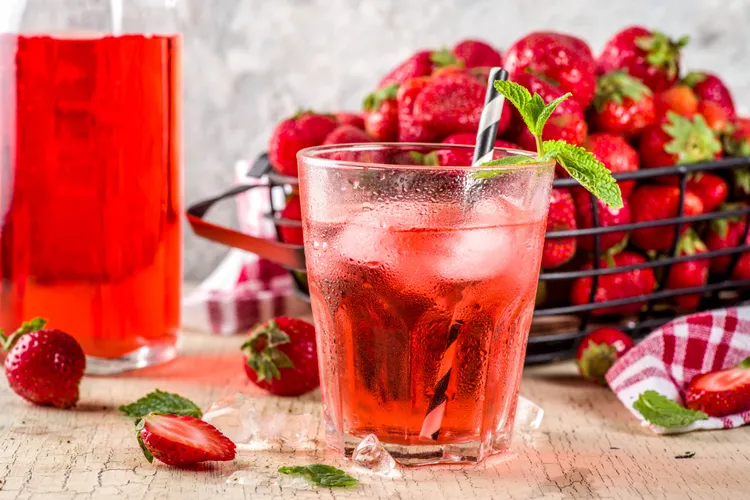
Flavoured vinegar sits at an interesting intersection between a preserve and a seasoning. Steep herbs, fruit, or chilli in good-quality vinegar and you produce an ingredient that keeps for months, costs almost nothing to make, and has a range of uses that plain vinegar does not. Shrubs - fruit and vinegar syrups designed to drink - take the same principle in a different direction and make excellent non-alcoholic mixers and cordials.
What Infused Vinegar Is and How It Works
Vinegar's acidity (typically 5 to 8 percent acetic acid) acts as both a solvent and a preservative. Placed in contact with herbs, spices, fruit, or aromatics, it extracts flavour compounds over time while simultaneously preserving the infusion against microbial growth. The result is a stable, flavoured acid that keeps at room temperature for 6 to 12 months.
There are two infusion methods: cold infusion (ingredients steeped in vinegar at room temperature for 2 to 4 weeks) and warm infusion (vinegar gently heated with ingredients, then strained once cool). Cold infusion preserves more delicate volatile aromatics - better for fresh herbs, flowers, and soft fruit. Warm infusion extracts more robustly and is better for woody spices, hard herbs, and ingredients that need heat to release their compounds.
Recipe 1: Tarragon White Wine Vinegar
The classic French infused vinegar. Use it anywhere you want clean anise-herb flavour: in a béarnaise, in vinaigrette, with chicken, with eggs.
Makes: 1 x 500ml bottle | Prep: 5 minutes | Infuse: 2 to 3 weeks
Ingredients
- 500ml good quality white wine vinegar
- 4 to 5 large sprigs fresh tarragon, washed and completely dried
Instructions
- Pack tarragon into a sterilised 500ml bottle or jar. Pour over vinegar, ensuring all herbs are submerged.
- Seal and leave at room temperature out of direct light for 2 to 3 weeks, tasting from 10 days. The flavour builds progressively.
- When the flavour is right, strain out the herbs. Pour the vinegar into a clean sterilised bottle. Seal. Keeps at room temperature for 12 months.
Recipe 2: Chilli and Garlic Vinegar
Used as a condiment in South Asian cooking and as a sauce for noodles, rice, and eggs. Add a teaspoon to any stir fry in the last 30 seconds.
Makes: 1 x 500ml bottle | Prep: 10 minutes | Infuse: 2 weeks
Ingredients
- 500ml rice vinegar or cider vinegar
- 6 to 8 dried red chillies, roughly crumbled
- 4 garlic cloves, lightly crushed
Instructions
- Pack chillies and garlic into a sterilised jar. Cover with vinegar.
- Steep for 2 weeks, tasting regularly. The heat builds quickly - taste daily after week 1 and strain when the heat level suits you.
- Strain and bottle. Keeps for 12 months at room temperature.
Shrubs: Drinking Vinegars
A shrub is a syrup made from fruit, sugar, and vinegar - designed to be diluted with still or sparkling water and drunk. They were a staple of American drinking culture before refrigeration and have come back into fashion as non-alcoholic drinks with genuine complexity. The acid from the vinegar creates a tartness and shelf stability that fruit-and-sugar syrups alone lack.
Recipe 3: Strawberry Balsamic Shrub
Makes: approximately 400ml | Prep: 10 minutes | Macerate: 24 to 48 hours
Ingredients
- 300g strawberries, hulled and halved
- 200g white granulated sugar
- 150ml balsamic vinegar
- 100ml red wine vinegar
Instructions
- Combine strawberries and sugar in a bowl. Stir well. Cover and leave at room temperature for 24 to 48 hours. The sugar will draw out the juice and largely dissolve.
- Strain through a fine sieve, pressing the fruit firmly to extract all juice. Discard the solids.
- Add the vinegars to the strawberry syrup. Stir to combine. Bottle in a sterilised jar or bottle.
- Refrigerate. Keeps for 3 months. To serve: 2 tablespoons of shrub over ice, topped with sparkling water.
Uses for Flavoured Vinegar in Cooking
Tarragon vinegar in a béarnaise or any cream sauce for fish. Raspberry vinegar in a vinaigrette for duck or beetroot salad. Chilli vinegar as a condiment on fried rice or noodles. Herb vinegar deglazed in a pan after cooking balsamic chicken for an extra layer of flavour. Fruit vinegar stirred into sparkling water with a little honey as a spritz.
Nutrition (shrub, per 2 tablespoon serving before dilution)
- Calories: approximately 60 kcal
- Carbs: 15g (of which sugars 15g)
- Protein: 0g
- Fat: 0g
For the complete guide to home preserving, see the homemade preserves guide.
Shrub Ratios and Variations
The standard shrub ratio is 1 part fruit, 1 part sugar, 1 part vinegar by weight. This produces a balanced, versatile base. Sweeter palates can increase sugar to 1.5 parts. For a sharper drinking shrub, reduce sugar to 0.75 parts. The fruit is always steeped with sugar first (cold process) to create a syrup before the vinegar is added - this preserves more volatile fruit aromatics than cooking the fruit. Vinegar is added to the finished syrup cold.
Variations beyond the strawberry balsamic: raspberry and red wine vinegar (classic combination). Cucumber and white wine vinegar (clean, refreshing). Ginger and cider vinegar (warming and digestive). Blueberry and balsamic (intense and complex). Peach and champagne vinegar (delicate and summer-appropriate). In each case, 2 tablespoons of shrub over ice topped with sparkling water makes a drink with more complexity and less sweetness than commercial cordials.
Infused Vinegar Beyond the Recipes Above
Fruit vinegars are made by infusing fresh or frozen fruit in vinegar rather than herbs. Raspberry vinegar (one of the most useful) is made by steeping 200g of raspberries in 500ml of white wine vinegar for 2 weeks, then straining and sweetening with 50g of sugar. It is excellent in vinaigrette for duck salad, drizzled over roast beetroot, or used in the deglazing liquid for pan sauces. Elderflower vinegar is made by steeping a handful of elderflower heads in white wine vinegar for 1 week - use in vinaigrette for summer salads or drizzled over strawberries. For the complete guide to home preserving methods and recipes, see the complete homemade preserves guide. Use Consillar's nutrition calculators to track the sugar contribution of shrubs in your daily diet.
Shrubs as Non-Alcoholic Drinks
Drinking shrubs fill a gap that most non-alcoholic options leave empty: they have genuine complexity, tartness, and depth without the sweetness of cordials or the flatness of sparkling water alone. A well-made strawberry balsamic shrub over ice with sparkling water is as satisfying to drink at a dinner party as a glass of wine - it has layers of flavour that unfold as you drink it rather than simply delivering sweetness and carbonation. The vinegar provides the complexity; the sugar provides the body; the fruit provides the aroma and colour.
Other serving ideas: 2 tablespoons of ginger shrub in a glass of sparkling water with ice and a mint sprig makes an excellent mocktail for people who do not drink. A blueberry and balsamic shrub with tonic water and a twist of lemon peel is sophisticated enough for a cocktail setting. A tablespoon of any fruit shrub in a sparkling water bottle for a flavoured water to drink through the day. Use Consillar's nutrition calculators to track the sugar contribution per serving and adjust the ratio to suit your targets. For the complete guide to home preserving, see the complete homemade preserves guide.
Infused Vinegar in Everyday Cooking
A well-stocked collection of infused vinegars changes how sauces and dressings taste in the same way that a collection of flavoured oils does, but with less caloric impact. A tablespoon of tarragon vinegar in a pan sauce for chicken requires no additional seasoning beyond salt - the herb flavour is already distributed through the acid. Raspberry vinegar in a vinaigrette with walnut oil for a salad with duck or game needs no other seasoning to work. Chilli vinegar splashed into a stir fry in the last 30 seconds adds acid and heat simultaneously.
The investment to build a small collection of infused vinegars is low. Start with tarragon white wine vinegar (the most versatile), chilli cider vinegar (for heat), and raspberry white wine vinegar (for dressings and sauces). Each takes 5 minutes to set up and 2 to 4 weeks to infuse. Combined, they cover most savoury cooking situations where acidity and flavour complexity are both needed. The cost per bottle is a fraction of the equivalent quality shop-bought versions. For the full framework on home preserving including chutneys, pickles, and fruit curds, see the complete homemade preserves guide.
Cold Process vs Hot Process Shrubs
The strawberry balsamic recipe above uses the cold process method, where fruit macerates with sugar at room temperature to produce a syrup before the vinegar is added cold. This is the preferred method for delicate fruit (strawberries, raspberries, peaches) because it preserves the volatile aromatic compounds that give the fruit its characteristic smell and flavour. Heat drives off these compounds quickly, which is why heated fruit syrups often taste cooked and less fresh than cold-processed ones.
The hot process is used for harder or more robust ingredients: ginger, citrus zest, dried spices, and herbs. Combine the main flavouring with the sugar and a small amount of water, heat gently until the sugar dissolves and the flavouring infuses (5 to 10 minutes at 70 to 80 degrees Celsius, not a full boil), then cool completely before adding the vinegar. Never add vinegar to hot liquid - the heat drives off some of the acetic acid and the aroma simultaneously, reducing both the preservation quality and the flavour.
A combined approach works well for complex shrubs: cold-process the delicate fruit component first to extract its fresh flavour, then separately hot-process any warming spices (ginger, cinnamon, cardamom), cool both, and combine with the vinegar. A peach and ginger shrub made this way - cold-processed fresh peach plus hot-processed ginger syrup, combined with cider vinegar - is more complex and interesting than either element alone. For the full guide to home preserving beyond shrubs, including pickles, chutneys, fruit curds, and candied fruit, see the complete homemade preserves guide.
Shrubs in Non-Alcoholic Entertaining
Shrubs solve a specific problem in home entertaining: providing a non-alcoholic drink option that is genuinely interesting rather than a concession. Most soft drinks and cordials are very sweet. Sparkling water is fine but uninteresting as a social drink. A well-made shrub over ice with sparkling water looks like a cocktail, has layers of flavour, and can be varied by the addition of fresh herbs, citrus, or additional spices at serving time.
For a dinner party: prepare two or three shrubs in advance (the strawberry balsamic from the recipe above, a ginger and honey version, and a raspberry mint version). Set up a small drinks station with a bottle of sparkling water, the shrub bottles, ice, glasses, and a few garnishes (mint sprigs, cucumber slices, citrus wheels). Guests pour their own, combining shrub and water to their preferred strength. The presentation is impressive, the effort is done in advance, and the result is a genuinely enjoyable drink rather than a glass of water dressed up as a social gesture. The sugar content per serving is roughly 15g (one tablespoon of shrub in 250ml of sparkling water), which is lower than most commercial cordials and soft drinks. For the complete home preserving guide including pickles, chutneys, and fruit curds, see the complete homemade preserves guide.
Vinegar Selection for Shrubs
The vinegar you choose for a shrub determines its background flavour more than any other ingredient. Red wine vinegar (5 to 7 percent acidity) gives a rich, rounded sharpness that works well with berry and stone fruit shrubs - the wine base complements the fruit. White wine vinegar is lighter and cleaner - better for delicate shrubs where the fruit flavour should be dominant. Cider vinegar adds a mild apple-y quality that works particularly well with ginger, stone fruit, and autumnal flavours. Balsamic vinegar, used in the strawberry shrub above, provides sweetness and complexity alongside its acidity - best in small proportions combined with a more neutral vinegar rather than as the sole acidifier.
For drinking shrubs, the balance between sharp and mellow matters more than for cooking vinegars. Aged red wine vinegar (sold in Spanish and Italian grocery shops) has a smoother, more complex flavour than standard red wine vinegar and makes noticeably better shrubs. It costs more per bottle but a 500ml bottle makes two or three batches of shrub concentrate. Rice vinegar, the mildest commercially available option, produces the most delicate shrubs with the least vinegar background flavour - worth trying for shrubs where a very delicate fruit needs to be the dominant note. The acidity of rice vinegar (4 to 5 percent) is sufficient for a refrigerator product but lower than other options, so rice vinegar shrubs should be used within 2 months. For the complete home preserving guide, see the complete homemade preserves guide.
Latest