Homemade Fruit Curd: Lemon, Passion Fruit, Raspberry
Fruit curd is quick to make, intensely flavoured, and unlike anything from a shop. This guide covers the egg-yolk-and-butter method, temperature control, and three tested recipes.
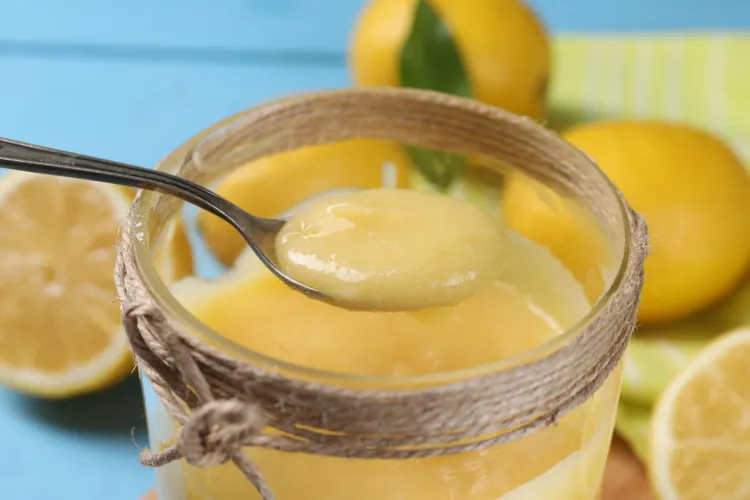
Lemon curd takes 20 minutes and requires nothing more than lemon, sugar, butter, and eggs. It also keeps for 3 to 4 weeks in the fridge and tastes so much better than the commercial version that it renders the shop jar irrelevant. The same technique works for any sharp fruit: passion fruit, raspberry, lime, blood orange. Once you understand the method, the fruit is interchangeable.
Why Curd Is Different from Jam
Jam is preserved by high sugar concentration. Curd is not a long-life preserve - the eggs and butter mean it keeps for 2 to 4 weeks refrigerated but is not shelf-stable at room temperature in the way jam is. What you get in exchange for the shorter shelf life is remarkable flavour intensity and a texture that is somewhere between a thick sauce and a spreadable cream. It is used differently from jam too: as a tart filling, folded into whipped cream, layered in a meringue, or spread on a crumpet with no butter needed because the butter is already in the curd.
The Method: Temperature Is Everything
Curd is made by heating egg yolks, sugar, fruit juice or puree, and butter together over gentle heat until the mixture thickens. The risk is scrambled eggs. Eggs begin to cook and scramble above about 70 degrees Celsius, which creates lumps. Curd should be cooked to between 75 and 82 degrees for a thick, smooth result - hot enough to thicken and to pasteurise the eggs, not hot enough to scramble them.
A double boiler (heatproof bowl over a pan of barely simmering water) is the safest method. The water never touches the bowl, so the heat is gentle and indirect. If you use a saucepan directly on the hob, use the lowest possible heat and stir constantly. Never walk away from curd.
Testing for Doneness
The curd is ready when it coats the back of a spoon and a line drawn through it with your finger holds clearly. On a thermometer, this is 77 to 82 degrees Celsius. The curd will look thinner than the finished result while hot - it sets more firmly as it cools. A slightly thin-looking curd that passes the spoon test will be perfect once cold.
Recipe 1: Classic Lemon Curd
Makes: 2 x 200ml jars | Prep: 10 minutes | Cook: 15 to 20 minutes
Ingredients
- 4 unwaxed lemons, zested and juiced (approximately 120ml juice)
- 200g white granulated sugar
- 4 large eggs plus 2 extra yolks
- 100g unsalted butter, cut into cubes
Instructions
- Sterilise two 200ml jars. Set aside.
- Whisk eggs, yolks, sugar, lemon juice, and zest together in a heatproof bowl.
- Set the bowl over a pan of barely simmering water. The bowl should not touch the water. Add butter cubes.
- Stir constantly with a wooden spoon or silicone spatula. The mixture will look thin at first. After 10 to 15 minutes it will begin to thicken noticeably. Keep stirring.
- When the curd coats the back of the spoon and a finger-drawn line holds, remove from heat. Pour through a fine-mesh sieve into a clean jug to remove the zest and any cooked egg bits.
- Pour into warm sterilised jars. Seal immediately. Cool, then refrigerate. Keeps 3 to 4 weeks.
Recipe 2: Passion Fruit Curd
Makes: 2 x 200ml jars | Prep: 15 minutes | Cook: 15 to 20 minutes
Ingredients
- 8 ripe passion fruits, halved and pulp scooped out
- 2 tablespoons lemon juice
- 150g white granulated sugar
- 3 large eggs plus 1 extra yolk
- 80g unsalted butter, cut into cubes
Instructions
- Press the passion fruit pulp through a sieve to extract the juice, discarding seeds (or reserve a few teaspoons of seeds to stir back in for texture at the end).
- Combine passion fruit juice, lemon juice, eggs, yolk, and sugar in a heatproof bowl. Whisk together.
- Set over barely simmering water. Add butter. Stir constantly until thickened, 15 to 20 minutes.
- Remove from heat. Stir in reserved seeds if using. Pour into sterilised jars. Seal. Refrigerate.
Recipe 3: Raspberry Curd
Makes: 2 x 200ml jars | Prep: 20 minutes | Cook: 20 to 25 minutes
Ingredients
- 300g fresh or frozen raspberries
- 180g white granulated sugar
- 4 large eggs
- 100g unsalted butter, cut into cubes
- 1 tablespoon lemon juice
Instructions
- Cook raspberries over medium heat until completely soft, about 5 minutes. Press through a fine sieve to remove all seeds. You need approximately 150ml of seedless puree.
- Combine puree, lemon juice, sugar, and eggs in a heatproof bowl. Whisk together.
- Set over simmering water. Add butter. Stir constantly until thick, 15 to 20 minutes. The raspberry curd tends to thicken slightly faster than lemon - watch it from 10 minutes.
- Pour through a sieve into jars. Seal. Refrigerate. Use within 3 weeks.
Uses for Fruit Curd
As a tart filling (pour into pre-baked pastry cases and chill). Folded into equal parts whipped double cream for a fool. Layered in a pavlova between the meringue and the cream. Swirled into cheesecake batter. As a filling for sponge cake instead of jam. Spread on crumpets or brioche toast. Stirred into plain yoghurt. As a sauce for vanilla ice cream. Whipped with equal parts softened cream cheese for a quick mousse.
Nutrition (per tablespoon, lemon curd, approx. 20g)
- Calories: approximately 65 kcal
- Carbs: 8g
- Protein: 1g
- Fat: 3.5g
For the full preserving framework including chutney, pickles, jellies, and more, see the complete homemade preserves guide. Use Consillar's nutrition calculators to see how a serving of fruit curd fits into your daily macros.
Scaling Curd Recipes
Curd scales easily. Halve any recipe for a single jar. Double it for four jars. The cooking time scales with the volume - a double batch in the same bowl takes roughly 25 to 30 minutes rather than 15 to 20. The risk of scrambling increases slightly with volume because it takes longer to stir the mass evenly. For large batches, consider a stand mixer with a heat-proof bowl over simmering water - the continuous motion of the whisk keeps the curd moving constantly.
What to Do When Curd Scrambles
If the curd develops lumps (scrambled egg bits) at the edges or bottom, you overheated it. If you catch it early, pour immediately through a fine sieve - the sieve removes the lumps and you often have a rescue. If the whole batch has scrambled throughout, it cannot be saved. Start again on lower heat. Using a thermometer prevents this entirely - once you have made curd a few times you will recognise the texture change as it approaches 75 degrees and can adjust heat instinctively.
Curd vs Custard vs Posset
All three are egg-and-dairy-set sauces but they work differently. Curd uses both egg yolks and whole eggs plus butter, set by heat. Custard (creme anglaise) uses egg yolks and cream or milk, set by heat but thinner. Posset uses cream and citrus acid, set without any eggs at all - the acid denatures the proteins in the cream directly. Each has different uses: curd for tarts and spreading, custard for pouring, posset for setting in individual glasses. All three benefit from the same skill - patience with heat and constant stirring. For the complete guide to home preserving beyond these spreads, see the complete homemade preserves guide.
Curd Storage and Shelf Life
Refrigerated curd in a sterilised jar keeps for 3 to 4 weeks. The egg and butter content means it cannot be stored at room temperature the way jam or chutney can. For longer storage, curd freezes well - pour into a freezer-safe container leaving a little headspace, freeze for up to 3 months, and thaw overnight in the fridge. The texture after freezing is slightly looser but the flavour is unchanged. If you make a large batch and want some for immediate use and some for later, jar half and freeze half in individual 100ml portions that thaw quickly for a tart filling or breakfast spread.
Curd made with extra-fresh, high-quality eggs keeps better and has better colour. Eggs from backyard chickens or from markets where provenance is known give noticeably more vivid yellow curds than older supermarket eggs. The egg yolks contribute most of the colour and richness - more yolks relative to whites gives a richer, more flavourful result, which is why most curd recipes call for extra yolks beyond the whole eggs. For the full home preserving guide covering every technique from chutney to potted foods, see the complete homemade preserves guide.
Summary Reference for Fruit Curd
All three curds in this guide follow the same technique: combine acid fruit, sugar, eggs (and extra yolks for richness), and butter in a heatproof bowl. Cook over simmering water, stirring constantly, to 77 to 82 degrees Celsius. Strain through a fine sieve. Pour into sterilised jars. Refrigerate. Use within 3 to 4 weeks. The variables across fruit types are the quantity of juice (passion fruit gives less liquid per fruit than lemon, so more fruit is needed) and the added lemon juice (all curds benefit from some lemon acid to brighten flavour, even if the base is already an acidic fruit).
The skill in curd-making is heat control and patience. The curd looks thin for the first 10 minutes, then thickens relatively quickly once the right temperature range is reached. Beginners frequently over-cook because they stop stirring to check the texture, allowing the edges to overheat. Keep stirring throughout. Use a silicone spatula that reaches the edges and base of the bowl on every stroke. Never increase the heat to speed things up. For the complete home preserving guide covering all preserve categories from jam and jelly to potted foods and candied fruit, see the complete homemade preserves guide.
Curd Variations Beyond the Three Recipes
The three curds in this guide cover the most common and reliable combinations, but the technique extends further. Lime curd follows the same method as lemon curd, using lime juice and zest - the flavour is sharper and more aromatic, very good with coconut-based desserts. Blood orange curd is made identically to lemon curd but with blood orange juice - the colour is extraordinary, a deep salmon-pink, and the flavour is less sharp than lemon with a subtle berry note. Grapefruit curd uses the same ratio but benefits from a little extra sugar to balance the bitterness.
Yuzu curd, where yuzu juice is available, is worth the cost. Yuzu is a Japanese citrus fruit with a complex, floral, intensely aromatic juice that produces the most interesting curd of any citrus. A 100ml bottle of yuzu juice from a Japanese grocery is enough for two jars of curd. Combined with half the quantity of lemon juice, the ratio works exactly as the lemon curd recipe above. The result is unlike any other curd - aromatic, complex, and genuinely worth seeking out the ingredient for. For the complete guide to home preserving including pickles, chutneys, fruit jellies, and potted foods, see the complete homemade preserves guide.
Curd as a Dessert Component
Lemon curd tart is the most famous application but the possibilities extend well beyond it. Lemon curd folded into equal parts softly whipped double cream produces a fool that sets slightly in the fridge and can be served in glasses as a fast but impressive dessert. Passion fruit curd layered with crushed meringue and cream in a glass is an Eton mess variant that is arguably better than the original. Raspberry curd spread on a sponge layer, covered with a second sponge and dusted with icing sugar, is a more interesting alternative to a Victoria sponge filled with jam.
Lemon curd also freezes in ice cube trays for individual portions that can be stirred into yoghurt, drizzled over pancakes, or used to fill a single tart case without thawing an entire jar. Once the cubes are frozen solid, transfer to a labelled bag and use within 3 months. Thaw individual cubes in the fridge for 20 minutes or in a small bowl at room temperature for 5 minutes. This approach is particularly useful if you make large batches - freeze the surplus immediately after making rather than waiting for a jar to go off in the fridge.
Latest