Growing Dill in Containers for a Continuous Supply
Pot size, succession sowing schedule, and why dill doesn't transplant well, for a steady container-grown supply.
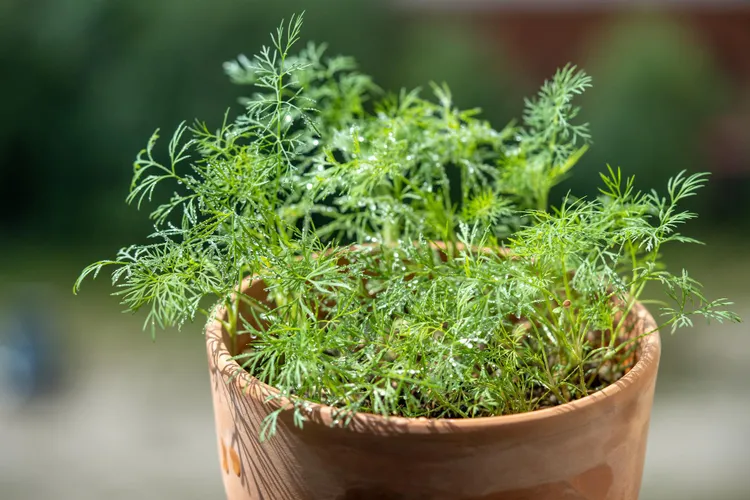
Dill's biggest quirk as a container plant is its taproot, which resents disturbance far more than the fibrous, easily transplanted roots of an herb like basil or mint. Growing it successfully in a pot starts with sowing it directly where it will live, not starting it elsewhere and moving it later.
Why Dill Doesn't Transplant Well
Dill develops a taproot early, a single, deep central root rather than a spreading fibrous network, and this taproot is easily damaged during transplanting. A disturbed taproot often causes a plant to bolt prematurely or stall out entirely, both of which shorten an already short productive window. This is the main reason direct sowing, seeding straight into the final container, produces much better results than starting seeds in small trays and transplanting seedlings later.
Pot Size and Setup
Use a pot at least 8 to 10 inches deep to accommodate dill's taproot, deeper than what's needed for most other kitchen herbs. Width matters less than depth for a single dill sowing, though a wider pot allows for multiple plants spaced a few inches apart if a fuller container is wanted. Good drainage is essential; dill doesn't tolerate consistently soggy soil.
Use a well-draining potting mix rather than garden soil, which compacts and drains poorly in containers.
Sowing Directly
Sow seeds directly into the final container, about a quarter-inch deep, and keep the soil consistently moist until germination, typically 10 to 14 days. Thin seedlings to about 4 to 6 inches apart once they have their first true leaves, since dill doesn't like overcrowding any more than it likes root disturbance.
Light and Placement
Dill wants at least 6 hours of direct sun daily for the best growth, though it tolerates slightly less light than a plant like basil without failing entirely, just producing more slowly. A south or east-facing spot with good airflow suits it well. Avoid placing pots in a spot that gets intensely hot afternoon sun in summer, since container soil heats up faster than garden soil and can accelerate bolting.
A Succession Sowing Schedule
Because a single dill sowing bolts within 8 to 10 weeks regardless of care, sow a new pot every 3 to 4 weeks throughout the growing season rather than relying on one container to produce all season. Staggering sowings this way means there's always a pot in its productive early-to-mid stage even as an older one bolts and finishes; see Why Dill Bolts So Fast (and How to Slow It Down) for the reasoning behind this approach.
Watering Consistency
Containers dry out faster than garden soil, and inconsistent watering is one of the more controllable triggers for premature bolting. Check soil moisture daily during hot weather and water whenever the top inch feels dry, rather than following a fixed schedule that might not match actual conditions.
Common Mistakes
- Starting seeds in trays and transplanting. This is the single most common cause of stunted or prematurely bolting container dill; direct sowing avoids the problem entirely.
- Using a shallow pot. A pot under 8 inches deep restricts the taproot and can stunt the plant even without any transplant shock involved.
- Relying on a single sowing for the whole season. One pot of dill has a short lifespan; succession sowing is what actually maintains a continuous supply.
Frequently Asked Questions
Can I grow dill indoors year-round like basil?
It's possible with a grow light and consistent care, though dill's fast bolting cycle makes it more work to maintain indoors than basil; frequent succession sowing indoors follows the same logic as outdoor container growing.
How many pots do I need for a steady supply?
Two to three pots at staggered sowing stages is a reasonable setup for most households, ensuring at least one pot is in active production while others are just starting or finishing.
Can I grow dill in the same pot as other herbs?
It's possible, but dill's deep taproot and preference for being left undisturbed make it a better candidate for its own dedicated pot rather than a mixed herb container where other plants' roots might interfere.
Choosing a Container Material
Terracotta pots dry out faster than plastic or glazed ceramic, which can be a downside for a plant that dislikes drought stress, but they also help prevent waterlogging in climates with heavy rain. Plastic or glazed containers retain moisture longer and may suit hot, dry climates better, as long as drainage holes are adequate. Whatever material is chosen, drainage matters more than the material itself for dill's specific needs.
Companion Planting Considerations
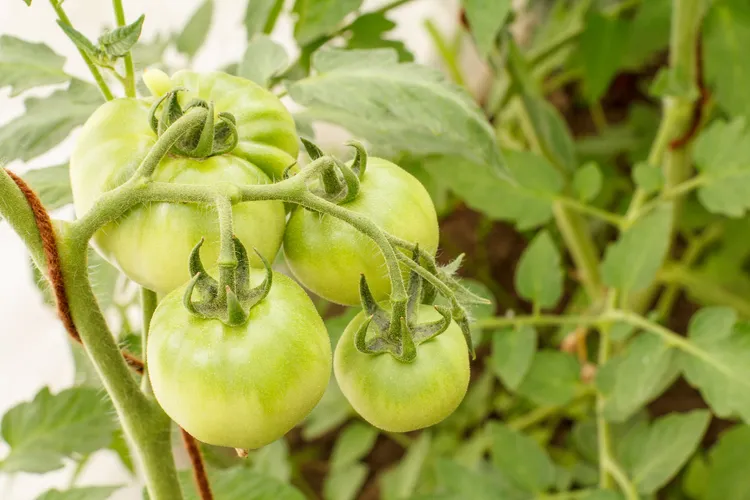
If growing dill alongside other plants in a larger container garden rather than a dedicated pot, keep in mind that dill's flowers attract beneficial pollinators and predatory insects, which can benefit nearby vegetable plants. However, dill is known to inhibit the growth of some nearby plants, tomatoes in particular, when planted very close together, so some distance between dill containers and tomato plants is worth maintaining if both are part of the same container garden setup.
Common Mistakes
- Starting seeds in trays and transplanting. This is the single most common cause of stunted or prematurely bolting container dill; direct sowing avoids the problem entirely.
- Using a shallow pot. A pot under 8 inches deep restricts the taproot and can stunt the plant even without any transplant shock involved.
- Relying on a single sowing for the whole season. One pot of dill has a short lifespan; succession sowing is what actually maintains a continuous supply.
- Placing pots too close to reflective heat sources. A container placed against a hot wall or on dark pavement in full sun can run significantly hotter than the surrounding air, accelerating both water loss and bolting.
Frequently Asked Questions
Can I grow dill indoors year-round like basil?
It's possible with a grow light and consistent care, though dill's fast bolting cycle makes it more work to maintain indoors than basil; frequent succession sowing indoors follows the same logic as outdoor container growing.
How many pots do I need for a steady supply?
Two to three pots at staggered sowing stages is a reasonable setup for most households, ensuring at least one pot is in active production while others are just starting or finishing.
Can I grow dill in the same pot as other herbs?
It's possible, but dill's deep taproot and preference for being left undisturbed make it a better candidate for its own dedicated pot rather than a mixed herb container where other plants' roots might interfere.
What's the earliest I can start sowing dill outdoors in spring?
Dill tolerates cool weather reasonably well and can be sown a couple of weeks before the last expected frost in most climates, though germination will be slower in cold soil than during the warmer parts of the growing season.
Tips for Success
Label pots with sowing dates so it's easy to track which pot is due for its next sowing in a succession schedule. Building this into a broader garden and meal-planning routine makes it far easier to stay ahead of dill's fast timeline than trying to track it from memory alone, and it helps make sure each planting's harvest actually lines up with a meal rather than going to waste.