Why Dill Bolts So Fast (and How to Slow It Down)
The heat and day-length triggers behind dill's fast bolting, and why succession sowing solves it better than pinching.
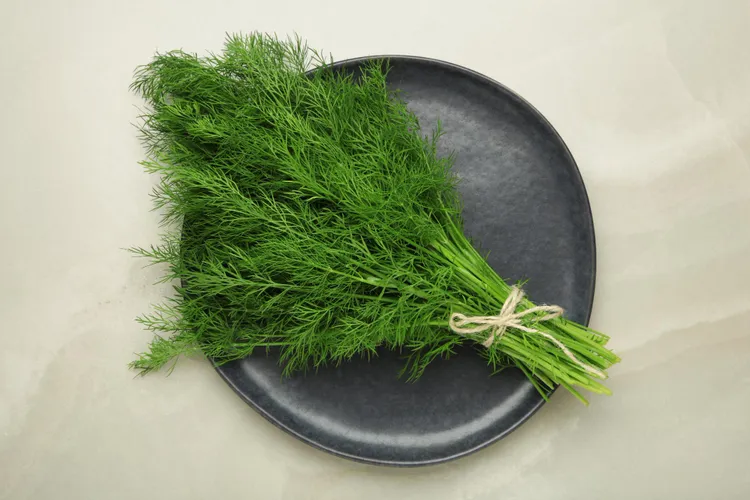
Dill has a reputation for bolting almost overnight, and that reputation is largely deserved. Compared to basil or parsley, dill has a shorter natural lifespan before flowering and fewer options for delaying it through pruning alone.
What's Actually Driving It
Dill is highly sensitive to day length and heat, more so than many common kitchen herbs. Long summer days and rising temperatures both push a dill plant toward flowering, and because dill's whole growth cycle from seed to flower is naturally short, there's a much smaller window to intervene compared to a plant like basil that can be kept vegetative for months with the right pruning.
Plant stress accelerates the process further. Inconsistent watering, root disturbance from transplanting, and crowding all tend to push dill toward premature bolting on top of its already fast natural timeline.
Pinching Flower Heads: A Limited Fix
Removing an early flower head, the same way you'd pinch a bolting basil plant, can buy a small amount of time, typically a few extra days of usable fronds, but it doesn't reset the plant's internal clock the way it does with basil. Dill is more determinate in its growth habit; once it's committed to flowering, pinching slows the visible progress but rarely reverses it.
If pinching, remove the entire elongating central stalk down to where healthy fronds remain, similar to the basil technique, but treat this as a stopgap rather than a long-term management strategy.
Succession Sowing: The Real Solution
Because a single dill planting has a naturally short productive window, the most reliable way to maintain a continuous supply is to sow new seed every 3 to 4 weeks throughout the growing season rather than relying on one planting to last. This staggers bolting across multiple plantings instead of experiencing it as one large event.
A small, dedicated row or container sown every few weeks means there's always a planting in its productive early-to-mid stage even as an older planting bolts and finishes. This approach mirrors the logic used for indoor basil succession planting, just compressed into a shorter cycle given dill's faster timeline.
Choosing Slower-Bolting Varieties
Some dill varieties, often marketed as "slow bolt" or "long standing," are bred specifically to extend the productive window before flowering compared to standard dill. These varieties won't eliminate bolting but can meaningfully extend the harvest period, especially useful for gardeners in hot climates where standard dill bolts within just a few weeks of sowing.
Common Mistakes
- Relying on pinching alone. Expecting the same results as basil pinching leads to disappointment; dill needs a sowing strategy, not just a pruning strategy.
- Sowing only once at the start of the season. This guarantees a single bolting event rather than a staggered, continuous supply.
- Ignoring water consistency. Drought stress accelerates bolting in dill just as it does in basil; consistent watering, especially during hot stretches, helps delay the inevitable a little longer.
Frequently Asked Questions
How often should I sow dill for a continuous supply?
Every 3 to 4 weeks during the growing season is a reasonable interval for most home gardens, adjusted based on how much dill a household actually uses.
Is bolted dill wasted?
Not entirely. Flower heads are excellent in pickling brine, and the plant can be left to mature further for dill seed; see What to Do With Dill Stems and Flower Heads for specifics.
Do container-grown dill plants bolt faster than garden-grown ones?
Containers can heat up faster than garden soil and dry out more quickly, both of which accelerate bolting, so consistent watering matters even more in pots; see Growing Dill in Containers for a Continuous Supply for container-specific guidance.
How Temperature Swings Make It Worse
A sudden hot stretch after a cooler period tends to trigger bolting faster than a gradual seasonal warm-up. Dill plants that experience a sharp temperature spike, a heat wave arriving after a mild spring, for instance, often bolt within days of that shift even if they were otherwise growing steadily. This is one reason bolting can feel sudden and unpredictable even when day length alone would suggest a more gradual timeline; heat spikes compress the process.
Regional and Climate Considerations
Gardeners in consistently hot climates should expect a shorter dill season overall and plan succession sowing on a tighter interval, closer to every 2 to 3 weeks rather than 3 to 4, to keep a continuous supply going. In cooler climates or during spring and fall shoulder seasons, dill often has a longer productive window before bolting, and sowing intervals can stretch out somewhat without leaving a gap in supply.
Common Mistakes
- Relying on pinching alone. Expecting the same results as basil pinching leads to disappointment; dill needs a sowing strategy, not just a pruning strategy.
- Sowing only once at the start of the season. This guarantees a single bolting event rather than a staggered, continuous supply.
- Ignoring water consistency. Drought stress accelerates bolting in dill just as it does in basil; consistent watering, especially during hot stretches, helps delay the inevitable a little longer.
- Not adjusting sowing frequency for climate. A sowing schedule that works in a cool, mild climate may leave gaps in a hot one; adjust the interval based on how quickly plantings actually bolt in your specific conditions.
Frequently Asked Questions
How often should I sow dill for a continuous supply?
Every 3 to 4 weeks during the growing season is a reasonable interval for most home gardens, adjusted based on how much dill a household actually uses and how hot the local climate runs.
Is bolted dill wasted?
Not entirely. Flower heads are excellent in pickling brine, and the plant can be left to mature further for dill seed; see What to Do With Dill Stems and Flower Heads for specifics.
Do container-grown dill plants bolt faster than garden-grown ones?
Containers can heat up faster than garden soil and dry out more quickly, both of which accelerate bolting, so consistent watering matters even more in pots; see Growing Dill in Containers for a Continuous Supply for container-specific guidance.
Does mulching help slow bolting the way it does for basil?
Yes, to a modest degree. Mulch helps regulate soil temperature and retain moisture, both of which reduce the stress that accelerates bolting, though it won't meaningfully extend dill's naturally short lifespan the way it can help stretch out a basil plant's season.
Tips for Success
Keep dill consistently watered, especially in containers, since drought stress is one of the more controllable bolting triggers. Building a simple sowing schedule into a broader garden and meal plan makes succession sowing much easier to stay on top of than trying to remember it on an ad hoc basis, and it also helps line up expected harvests with actual cooking days.