7 High-Fiber Breakfasts That Keep You Full Until Lunch
Seven specific breakfast ideas - with fiber counts and approximate calories - that actually deliver on satiety. No powders, no complicated prep, just foods that work.
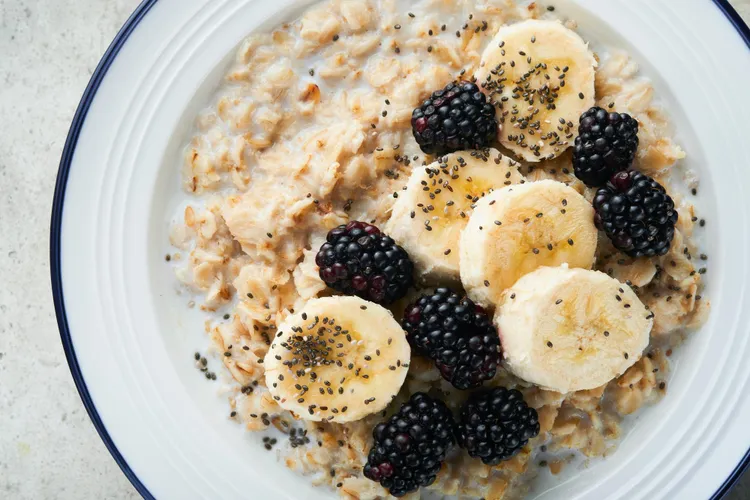
Breakfast fiber matters more than most people realize. A low-fiber breakfast - white toast, juice, a plain yogurt - gives you 2-3g of fiber and a blood sugar curve that peaks and crashes by 10am. A high-fiber breakfast built around oats, chia, or legumes can deliver 10-14g and keep hunger at bay for 4-5 hours. Here are seven options that do the job.
1. Overnight Oats with Chia and Banana
The simplest high-fiber breakfast there is. Combine half a cup of rolled oats with a cup of milk or plant milk and a tablespoon of chia seeds in a jar. Add half a mashed banana for natural sweetness. Refrigerate overnight. In the morning, top with a handful of berries and another teaspoon of chia or flaxseed.
- Fiber: ~12g
- Calories: ~380 kcal
- Protein: ~12g
Prep time: 5 minutes the night before. Make four jars at once on Sunday and breakfast is handled for most of the week.
2. Savory Oats with Egg and Spinach
If sweet breakfasts do not work for you, savory oats are worth trying. Cook steel-cut oats in vegetable broth instead of water, stir through a large handful of spinach until wilted, and top with a poached or fried egg and a few chili flakes. The oats absorb the broth flavor and the result is more risotto-adjacent than porridge.
- Fiber: ~8g
- Calories: ~420 kcal
- Protein: ~20g
3. Chia Pudding with Mango and Hemp Seeds
Mix 3 tablespoons of chia seeds with a cup of coconut milk or almond milk and a teaspoon of vanilla. Refrigerate for at least 4 hours (overnight is easier). In the morning, layer with diced mango and a tablespoon of hemp seeds. The chia gels into a thick pudding texture and the mango offsets the mild flavor.
- Fiber: ~14g
- Calories: ~340 kcal
- Protein: ~9g
Chia seeds are one of the most concentrated fiber sources available - 3 tablespoons alone provides around 15g of fiber, primarily soluble, which makes this one of the most effective breakfast options if your goal is blood sugar control.
4. Whole-Grain Toast with White Bean Spread and Avocado
Mash half a can of cannellini beans with a tablespoon of olive oil, a squeeze of lemon, salt, and garlic. Spread on two slices of whole-grain sourdough and top with half a sliced avocado. A two-minute breakfast that layers legume fiber, oat-grain fiber, and avocado fiber in a single plate.
- Fiber: ~14g
- Calories: ~480 kcal
- Protein: ~14g
5. Berry Smoothie with Oats and Flaxseed
Blend 1 cup frozen mixed berries, half a cup of rolled oats, a tablespoon of ground flaxseed, a cup of unsweetened almond milk, and half a banana. The oats thicken the smoothie and add beta-glucan; the flaxseed adds lignans and omega-3s alongside its fiber contribution. For more formulas, see the dedicated high-fiber smoothie guide.
- Fiber: ~9g
- Calories: ~340 kcal
- Protein: ~7g
6. Grain Porridge with Seeds and Poached Pear
Cook a mix of rolled oats and pearled barley in a 50:50 ratio - about a third of a cup each - in 2 cups of water or milk. Barley adds beta-glucan to the oats and makes the porridge noticeably more filling. Top with a poached or fresh pear (skin on) and a tablespoon each of sunflower and pumpkin seeds.
- Fiber: ~11g
- Calories: ~410 kcal
- Protein: ~10g
The almond milk quinoa porridge is a good weekday option in the same vein - use the same toppings formula and it works just as well.
7. Egg and Vegetable Muffins with Whole-Grain Base
These are essentially crustless quiches in a muffin tin. Mix 6 eggs with a cup of diced vegetables (peppers, spinach, mushrooms, onion), half a cup of cooked quinoa or oats, salt, and pepper. Pour into a greased muffin tin and bake at 180C/350F for 20-22 minutes. Makes 12 muffins - eat two for breakfast, refrigerate the rest.
- Fiber (2 muffins): ~6g
- Calories: ~280 kcal
- Protein: ~18g
Meal Prep Tips
Three of these - overnight oats, chia pudding, and egg muffins - can be made in batches on Sunday. If you prep all three, you have covered breakfast for the full week without any morning cooking. Store overnight oats and chia pudding in the fridge for up to 4 days; egg muffins keep for 5 days refrigerated or can be frozen individually.
For the full context on daily fiber targets and how breakfast fits into a complete high-fiber eating plan, see our complete guide to high-fiber meal planning.
Building Your Own High-Fiber Breakfast Formula
You do not need to follow a recipe exactly. The formula for a high-fiber breakfast is: a whole-grain base (oats, oat-based granola, or whole-grain bread) + a fiber-dense topping or add-in (chia, flaxseed, berries, or avocado) + protein (eggs, Greek yogurt, nut butter, or cottage cheese). Hit two of those three categories and you are generally in the 8-12g fiber range with adequate protein to sustain energy until lunch.
The most common mistake: fruit juice instead of whole fruit. A glass of orange juice provides almost zero fiber; an orange provides 3.1g. Always choose the whole fruit over the juice if fiber is a priority.
For the full daily picture including lunches, dinners, and snacks, see the complete guide to high-fiber meal planning.
Disclaimer: This article is for informational purposes only and does not constitute medical or nutritional advice. It is not intended to diagnose, treat, cure, or prevent any condition. Always consult a qualified healthcare professional or registered dietitian before making changes to your diet, especially if you have a medical condition or are managing a mental health concern.
Latest