How to Make Chutney at Home: Beginner's Guide
Chutney is one of the most forgiving preserves to make. This guide covers the sweet-sour-spice balance, vinegar types, cooking to consistency, and two tested recipes for beginners.
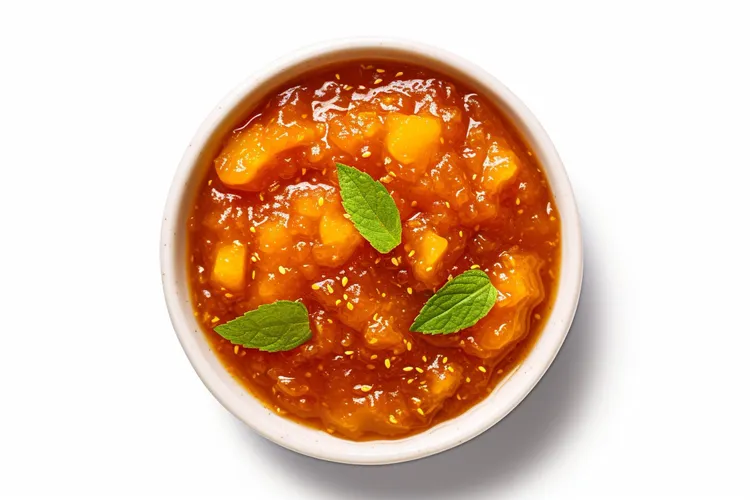
Chutney is arguably the most beginner-friendly preserve after jam. There is no setting point to chase, no jelly bag to drip overnight, and no temperature to hit precisely. The test for doneness is visual: draw a wooden spoon across the surface of the pan and the channel should hold for several seconds without flooding back. Once you have that, you are done.
What Makes Chutney a Preserve
Chutney is preserved by the combination of vinegar and sugar. Vinegar drops the pH to a level hostile to most harmful bacteria, and sugar creates an osmotic environment that inhibits growth. Together they produce a product that keeps at room temperature for 12 months or more when sealed into a properly sterilised jar. This is different from a fresh relish or a sauce - a chutney that has enough vinegar and sugar and has been cooked down sufficiently is genuinely shelf-stable.
The minimum vinegar level for a shelf-stable chutney is approximately 5 percent acetic acid in the finished product. Most home chutney recipes using 300 to 500ml of standard malt or cider vinegar per kilogram of main ingredient achieve this comfortably.
The Sweet-Sour-Spice Balance
Good chutney has three elements in tension: sweetness from sugar (and naturally sweet fruit or vegetables), acidity from vinegar, and warmth from spice. Too much sugar and it tastes like jam with added vinegar. Too much vinegar and it is sharp and one-dimensional. Too little spice and it tastes flat. The balance adjusts based on the main ingredient - a sharp green tomato chutney needs more sugar to balance the tomato's acidity; a very sweet mango chutney needs more vinegar and a sharper spice hit.
Taste at the end of cooking with the vinegar level in mind: the flavour will mellow over 4 to 6 weeks in the jar as the vinegar softens and the spices integrate. A chutney that tastes slightly too sharp fresh will usually be excellent after a month. A chutney that already tastes sweet and rounded fresh will be cloying after maturing.
Vinegar Selection
Malt vinegar (5 to 8 percent acidity) is traditional for British-style chutneys. It has a strong, assertive flavour that works well with tomatoes, onions, and root vegetables. Cider vinegar is milder and fruitier - better for fruit-based chutneys like mango, apple, or plum. White wine vinegar is clean and neutral, good when you want the fruit or vegetable to be the dominant flavour. Never use balsamic vinegar in preserving quantities - the high sugar content throws off the ratio, and the price per litre makes it impractical.
Recipe 1: Green Tomato and Apple Chutney
Green tomatoes are underused outside of chutney. They are sharp, firm, and hold their texture during the long cooking time better than ripe tomatoes. This chutney matures particularly well - make it in September when green tomatoes are abundant and open the first jar at Christmas.
Makes: 5 to 6 x 300ml jars | Prep: 30 minutes | Cook: 60 to 75 minutes
Ingredients
- 1kg green tomatoes, roughly chopped
- 500g cooking apples, peeled, cored, and diced
- 300g onions, finely chopped
- 300g soft brown sugar
- 400ml malt vinegar
- 150g raisins
- 2 teaspoons ground ginger
- 1 teaspoon ground allspice
- 1 teaspoon salt
- Half teaspoon dried chilli flakes (optional)
Instructions
- Sterilise jars. Place upright in a 120-degree-Celsius oven for 15 minutes.
- Combine all ingredients in a large heavy-based pan. Stir over low heat until the sugar dissolves, about 10 minutes.
- Increase to a medium simmer. Cook uncovered, stirring regularly, for 60 to 75 minutes. As the chutney thickens, stir more frequently to prevent sticking on the bottom.
- Test for doneness: draw a wooden spoon across the base of the pan. The channel should hold clearly for at least 5 seconds without the liquid flooding back in. The chutney will look thick and glossy.
- Ladle into hot sterilised jars immediately. Fill to within 5mm of the rim. Wipe rims clean. Seal with lids while hot.
- Label with date. Leave to mature for at least 4 weeks before opening.
Recipe 2: Mango Chutney
Mango chutney is the gateway chutney for most people. This version is less sweet than commercial mango chutney and has more heat - closer to what you get in an Indian restaurant than what comes out of a jar.
Makes: 3 to 4 x 300ml jars | Prep: 25 minutes | Cook: 40 to 50 minutes
Ingredients
- 1kg ripe mangoes, peeled, stoned, and diced (approximately 2 large mangoes)
- 200g white granulated sugar
- 250ml cider vinegar
- 1 red onion, finely chopped
- 3 garlic cloves, finely chopped
- 20g fresh ginger, peeled and grated
- 2 red chillies, finely chopped (seeds in for medium heat)
- 1 teaspoon ground cumin
- 1 teaspoon ground coriander
- Half teaspoon turmeric
- 1 teaspoon salt
Instructions
- Sterilise jars.
- Combine all ingredients in a heavy pan. Stir over low heat until sugar dissolves.
- Bring to a steady simmer and cook uncovered for 40 to 50 minutes, stirring regularly, until thick and jam-like. Mango releases a lot of liquid at first - it concentrates significantly during cooking.
- Test with the wooden spoon channel test. The channel should hold for 5 seconds.
- Ladle into hot sterilised jars. Seal immediately.
- Ready to eat immediately but better after 2 weeks of maturing.
Chutney Storage and Maturing
Sealed chutney jars keep at room temperature in a cool, dark cupboard for 12 months. The flavour develops and improves during storage - vinegar sharpness mellows, spices integrate, and the overall taste becomes rounder and more complex. Opening a jar too early (within the first 2 weeks) gives you a raw, vinegary result that misrepresents what the chutney will become. Once opened, refrigerate and use within 6 to 8 weeks.
Uses Beyond the Cheese Board
Chutney is most obviously a cheese board accompaniment, but its range is much wider. Mango chutney as a marinade for chicken (mixed with a little yoghurt and garlic it becomes an excellent quick curry sauce). Green tomato chutney inside a grilled cheese sandwich. Any fruit chutney as a glaze for pork or lamb in the last 10 minutes of roasting. Chutney stirred into mayonnaise for a sandwich spread. Chutney thinned with a little vinegar as a dipping sauce. A jar of homemade chutney in the fridge changes what weeknight cooking looks like.
Nutrition (per tablespoon, approx. 20g)
- Calories: approximately 35 to 45 kcal depending on recipe
- Carbs: 8 to 10g (of which sugars 7 to 9g)
- Protein: 0g
- Fat: 0g
For the full overview of home preserving techniques beyond chutney, see the complete homemade preserves guide.
Texture and Consistency: Getting It Right
The most common chutney problem is finishing with the wrong consistency. Too thin means the chutney has not cooked long enough and has too much residual moisture - it will pool on a plate rather than hold its shape, and may not keep as long. Too thick means it has cooked too far and will be stiff and difficult to spread from a cold jar. The wooden spoon channel test is reliable if you test on the base of the pan rather than the side, and if you test while the chutney is off the heat (it thickens as it cools).
Chutney thickens further as it cools and even more as it matures in the jar. A chutney that looks barely set at 95 degrees Celsius in the pan is often perfect once cold. Err slightly on the side of underdone rather than overdone - you can always return a slightly runny chutney to the pan for another 10 minutes, but you cannot easily rescue an over-cooked, too-thick batch.
Chutney Maturation and Flavour Development
The maturation period is not optional. Fresh chutney tastes sharp, vinegary, and raw-spiced. After 4 weeks in a sealed jar the vinegar softens significantly, the fruit flavour deepens, and the spices integrate into the background rather than sitting on top. After 8 weeks, a good chutney has developed the rounded, complex flavour that makes it worth eating. The best chutneys - green tomato, plum, apple - are made in autumn and eaten at Christmas. The waiting is part of the technique.
Customising Chutney Spice Profiles
The two recipes above use classic British-Indian inspired spice profiles. Other approaches: a Moroccan-influenced chutney using ras el hanout, preserved lemon, and dried apricots with malt vinegar. A Caribbean-style mango chutney with scotch bonnet, ginger, and lime. An Italian-influenced mostarda with mustard seed, white wine vinegar, and mixed fruits cooked very lightly so they stay almost whole. Any of these follow the same technique - the vinegar and sugar quantities stay roughly constant, the spice profile is what changes.
Chutney as a Kitchen Ingredient
Beyond the cheese board and the curry accompaniment, chutney is useful as a cooking ingredient. A tablespoon of mango chutney dissolved into a cream sauce for chicken changes it significantly. Green tomato chutney as a base for a quick braised lamb. Any fruit chutney as a glaze for roasting meat in the last 15 minutes of cooking. A teaspoon of chutney in a sandwich dressing in place of mustard. The savoury-sweet-sour balance that makes a good chutney useful as a condiment is the same quality that makes it useful as an ingredient. For the full guide to home preserving techniques, see the complete homemade preserves guide.
The Role of Onions in Chutney
Onions are present in almost every chutney recipe and they serve two purposes beyond flavour. They provide pectin and natural sugars that contribute to the final consistency and body, and they mellow during the long cooking time to provide a sweet, savoury background that holds the other ingredients together. Finely diced onion will dissolve almost entirely into the chutney during cooking. Coarsely chopped onion retains some texture. Both approaches are correct - it depends whether you want a smooth, jam-like chutney or one with more texture and visible pieces.
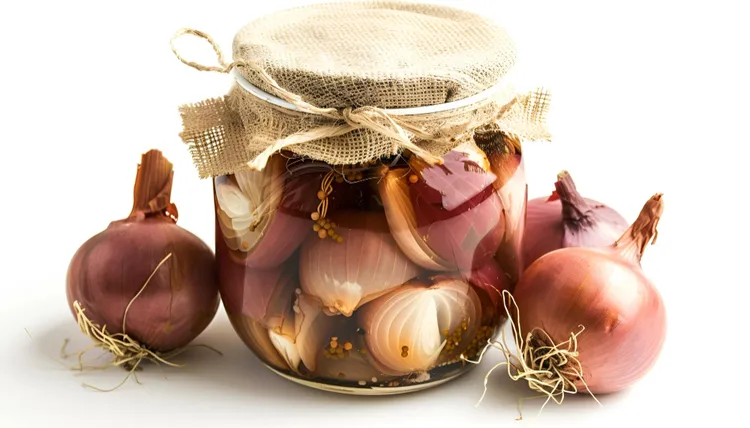
Red onions give a slightly sweeter result and a darker colour than white or brown onions. Shallots, finely sliced, give a more refined flavour that suits fruit-based chutneys like the mango version above. Spring onions work in small quantities for a quick-cook relish but do not stand up to the long cooking time required for a shelf-stable chutney.
Scaling Chutney Recipes
Chutney scales very well. Double or triple the recipe using the same pan (or use two pans in parallel). The cooking time increases proportionally - a double batch that would normally take 60 minutes may take 80 to 90 minutes. The channel test remains the same regardless of batch size. One advantage of making large batches: the labour per jar is significantly reduced, and chutney made in September lasts easily through to the following spring. A productive autumn afternoon making 20 jars of green tomato chutney and 15 jars of mango chutney sets up the household's cheese board and gift supply for 12 months.
Chutney Shelf Life and When to Open
A sealed jar of properly made chutney - with sufficient vinegar and sugar, in a sterilised jar - keeps at room temperature for 12 months. The first 4 to 8 weeks are the maturation period when the flavour is still developing. Between 2 and 6 months the chutney is at its best. Beyond 9 months it begins to fade in flavour and the vegetables start to soften past the point of interest. Make notes of when each batch was made and rotate stock so the oldest jars get used first. Once opened, refrigerate and use within 6 to 8 weeks. A jar that was forgotten at the back of a cupboard for 18 months is not dangerous but the flavour will be flat and the texture soft.
If you are making chutney to give as gifts, the 4 to 6 week maturation period means you need to plan ahead. A batch made in September is at its best from October onwards - ideal for Christmas gifts. A batch made in November is fine for eating in December but may still taste slightly raw-vinegary on the day of giving. For the complete home preserving guide covering all preserve categories, see the complete homemade preserves guide.
Latest