How to Make Fruit Jelly (No Pulp Jam) at Home
Fruit jelly is jam without the pulp - clear, glossy, and intensely flavoured. This guide covers the jelly bag method, pectin extraction, setting point, and tested recipes for apple jelly and blackberry jelly.
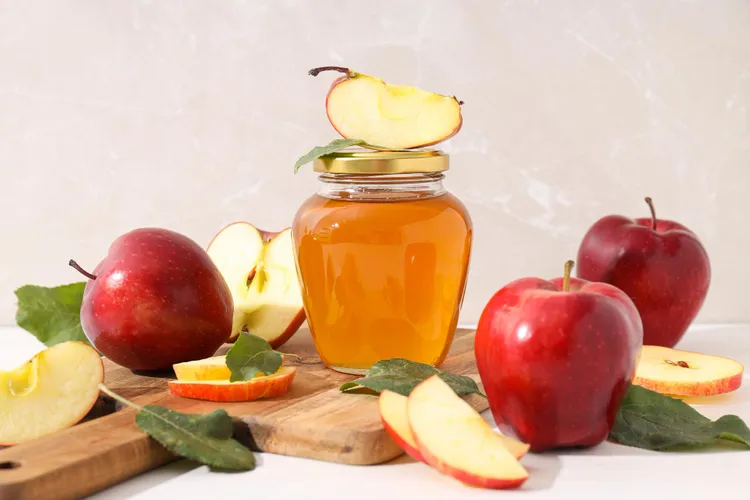
Fruit jelly is one of those preserves that looks like it requires specialist knowledge, but the technique is simply jam with an extra straining step. The fruit is cooked soft, strained through a cloth overnight (without pressing - pressing clouds the jelly), and the clear juice is cooked with sugar to setting point. The result is something jewel-like, intensely flavoured, and nothing like commercial jelly.
The Jelly Bag: What It Is and What to Use
A jelly bag is a fine-mesh cloth bag suspended over a bowl to strain cooked fruit, allowing juice to drip through slowly and leaving all pulp, seeds, and skin behind. Purpose-made jelly bags are available from kitchen shops, but a square of clean muslin (or an old clean pillowcase) tied over a large bowl does the same job. The key rule: never press or squeeze the bag. Pressing forces pulp through the cloth, which makes the jelly cloudy. Patience is the technique - leave it overnight and you will have perfectly clear juice in the morning.
Pectin and Fruit Choice
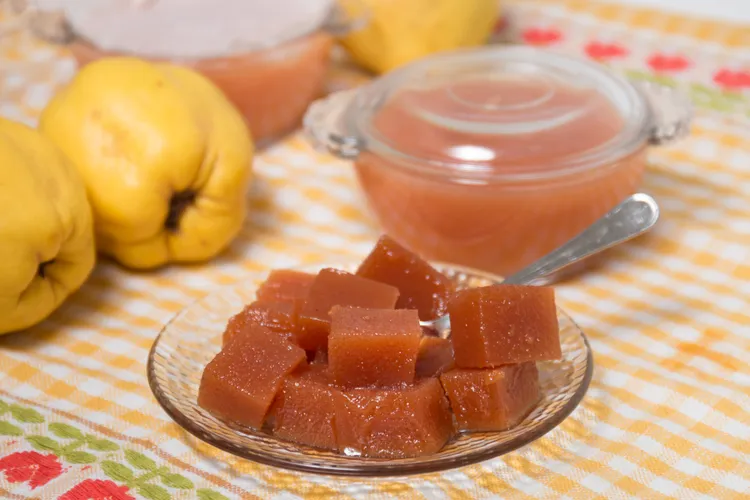
Jelly works best with high-pectin fruit because you need a clear set without any solid structure to support it. Cooking apples, crab apples, quince, gooseberries, and blackcurrants are ideal. Mixing high-pectin fruit into lower-pectin fruit is the standard approach: blackberry and apple jelly is the classic example, where cooking apple provides the pectin that blackberry alone lacks. Pure strawberry or cherry jelly is difficult without added commercial pectin.
The Juice-to-Sugar Ratio
Once strained, measure the juice. Use 450g of sugar per 600ml of juice as a starting point for medium-pectin juice. For very high-pectin juice (pure quince or crab apple), you can use up to 600g per 600ml. For juice from a mixed batch with some low-pectin fruit, add commercial liquid pectin rather than increasing sugar beyond 450g per 600ml.
Recipe 1: Clear Apple Jelly
Makes: 4 to 5 x 250ml jars | Prep: 20 minutes | Cook: 1 hour + overnight straining
Ingredients
- 1.5kg cooking apples, roughly chopped (no need to peel or core)
- Water to cover (approximately 750ml)
- Juice of 1 lemon
- Sugar (measured after straining - approximately 450g per 600ml juice)
Instructions
- Place apples (including skin, core, and pips - these contain the most pectin) in a large pan. Cover with water. Add lemon juice. Bring to a boil, then simmer for 30 to 40 minutes until completely soft and collapsing.
- Pour the cooked fruit and liquid into a jelly bag or muslin-lined colander set over a large bowl. Leave to drip overnight. Do not press or squeeze.
- Next day: measure the juice. For every 600ml, weigh out 450g of sugar. Sterilise jars. Put saucers in the freezer.
- Combine juice and sugar in a clean heavy pan. Stir over low heat until sugar dissolves. Bring to a rolling boil.
- Boil hard for 8 to 12 minutes, testing from 8 minutes with the wrinkle test on a cold saucer. Apple jelly sets fairly quickly due to the high pectin in the pips and core.
- Skim off any foam. Pour immediately into warm sterilised jars through a funnel. Seal. The jelly will be liquid in the jar and set as it cools.
Recipe 2: Blackberry and Apple Jelly
Makes: 5 to 6 x 250ml jars | Prep: 20 minutes | Cook: 1 hour + overnight straining
Ingredients
- 800g blackberries
- 700g cooking apples, roughly chopped
- 600ml water
- Juice of 1 lemon
- Sugar (450g per 600ml strained juice)
Instructions
- Combine blackberries, apples, and water in a large pan. Bring to a boil and simmer for 30 minutes until all fruit is completely soft and the liquid is deeply coloured.
- Strain overnight through a jelly bag without pressing. The liquid will be a deep purple-red.
- Measure the juice, calculate and weigh the sugar. Sterilise jars.
- Dissolve sugar in juice over low heat. Bring to a rolling boil. Test from 8 minutes - the high apple pectin means this sets reliably and quickly.
- Pour into warm jars immediately. Seal. The jelly is liquid hot and sets as it cools to a clear, jewel-toned result.
Adding Flavourings to Jelly
Apple jelly is an excellent base for flavoured jellies. A few sprigs of rosemary or thyme added to the apple during cooking (removed during straining) infuse the jelly with herbal flavour - rosemary apple jelly is a classic pairing with lamb. Elderflower cordial added at the end of cooking (2 tablespoons per 500ml of finished jelly, added off the heat) makes an extraordinarily good jelly for summer. Chilli flakes added with the sugar make a pepper jelly that pairs with cream cheese and crackers.
Why Jelly Clouds (and How to Prevent It)
Cloudy jelly is almost always caused by pressing the jelly bag, stirring the jelly during cooling, or undissolved sugar. Resist the urge to speed up straining. A jelly that has clouded after jarring cannot be rescued, but it still tastes the same - use it as a sauce rather than presenting it as a preserve.
Nutrition (per tablespoon, apple jelly, approx. 20g)
- Calories: approximately 50 kcal
- Carbs: 13g (of which sugars 13g)
- Protein: 0g
- Fat: 0g
For the full overview of home preserving methods, see the complete homemade preserves guide. For jam-making fundamentals including setting point tests, see the homemade jam guide.
Straining Troubleshooting
Very slow dripping (only a few drops per hour) means the jelly bag is blocked with fine pulp. This usually happens when fruit was very ripe and broke down to an almost puree consistency. If the dripping has essentially stopped after 6 hours and very little juice is in the bowl, carefully tip the bag into a fine-mesh sieve and let it drain further. Accept that you may not get completely clear jelly - a slightly hazy jelly that tastes excellent is better than waiting for a crystal-clear result that never comes. Alternatively, add 200ml of water to the cooked fruit and re-heat for 10 minutes to release more juice before straining again.
Herb and Spice Jellies
Apple jelly makes an excellent base for flavoured jellies because its flavour is neutral enough to carry the addition without competing with it. Mint jelly (classic British accompaniment to lamb) is made by steeping a large bunch of fresh mint in the apple jelly as it comes off the heat, then straining. Rosemary jelly follows the same method - 4 to 5 sprigs steeped for 15 minutes in the hot finished jelly before straining and jarring. Elderflower jelly: add 3 tablespoons of elderflower cordial per 500ml of finished apple jelly, off the heat, just before jarring. Chilli jelly: add 2 finely chopped red chillies per 500ml of juice at the sugar stage.
Yield from Jelly vs Jam
Jelly gives lower yield than jam from the same weight of fruit because you discard all the pulp. From 1.5kg of cooking apples you get approximately 800ml to 1 litre of strained juice, which produces 3 to 4 x 250ml jars. The same weight of apples made into jam would produce 5 to 6 jars. The trade-off is the clarity and texture of the finished product - a good jelly is genuinely beautiful in a way that jam is not. For home preserving fundamentals including sterilisation and setting point tests, the complete homemade preserves guide covers the essential background knowledge.
Using Windfalls and Crab Apples for Jelly
Crab apples and windfalls (fallen, often bruised apples) are the ideal raw material for fruit jelly because the quality of the individual fruit matters less when it is all going to be cooked, strained, and the pulp discarded. A bucket of crab apples from a garden tree or windfall cooking apples gathered from an orchard costs nothing and produces several jars of excellent jelly. Remove any genuinely rotten sections but do not worry about bruising, skin blemishes, or irregular shapes. The quality of the juice depends on the ripeness and flavour of the fruit, not its appearance.
Crab apples make a particularly good jelly base because they are very high in pectin and set firmly and reliably. Their sharp, astringent flavour is balanced by the sugar and emerges in the finished jelly as an interesting, tart background. Mixed with foraged blackberries or elderberries for colour and additional flavour complexity, crab apple jelly is one of the most satisfying jars to produce from materials that would otherwise go to waste. For the complete home preserving guide covering all techniques from chutney to candied fruit, see the complete homemade preserves guide.
Jelly Yield Calculator
Predicting jelly yield requires knowing the approximate pectin content of your fruit and the juice extraction rate. As a rough guide: from 1kg of cooking apples or crab apples, expect 600 to 800ml of strained juice, producing 2 to 3 x 250ml jars of jelly. From 1kg of blackberries (without apple), expect 400 to 600ml of juice, producing 1 to 2 x 250ml jars - and the set will be soft without added pectin. From a 50:50 mix of blackberries and cooking apple, expect 500 to 700ml of deep-coloured juice producing 2 to 3 firm-set jars.
Always sterilise one more jar than you expect to need. Running out of jars with finished jelly in the pan is a common and frustrating problem. An extra sterilised jar that goes unused costs nothing. A half-jar of jelly that goes into the fridge because there was no sterilised jar available is still good jelly but is a short-life refrigerator product rather than a 12-month pantry one. For the complete home preserving framework covering every technique from chutney to candied fruit, see the complete homemade preserves guide.
Practical Notes on the Jelly Bag
Setting up a jelly bag is less complicated than most recipes make it sound. The traditional method uses a purpose-made jelly bag suspended on a stand over a bowl. In practice, a large square of muslin (or several layers of cheesecloth, or a very clean pillowcase) tied over the top of a large bowl with kitchen string works identically. The key measurements: the bag must be large enough to hold all the cooked fruit without overflowing. A 30cm square of muslin handles up to 1kg of cooked fruit comfortably. For larger batches, use a 50cm square or two bags dripping into the same bowl.
The bowl must be large enough to hold the full volume of expected juice without the bag touching the liquid. If the bag sits in the juice, it stops dripping. Suspend the bag from a kitchen cupboard handle above a large bowl if you do not have a suitable stand. The setup looks improvised but works perfectly. Leave it in a cool place (a larder, utility room, or even the fridge if you have space) overnight. Dripping in a cool environment also reduces the risk of the juice fermenting slightly before you can cook it - this is a minor risk but worth considering in a warm kitchen. For the full guide to home preserving methods including chutneys, pickles, fruit curds, and candied fruit, see the complete homemade preserves guide.
Fruit Jelly as a Cooking Ingredient
Beyond a spread for toast or a filling for pastries, fruit jelly has genuine utility as a cooking ingredient. A tablespoon of apple jelly dissolved in a pan sauce for pork or chicken adds sweetness, body, and acidity simultaneously. Rosemary apple jelly used as a glaze for a leg of lamb in the last 20 minutes of roasting is a classic preparation that restaurant kitchens use with commercial redcurrant jelly - the homemade version is meaningfully better. Blackberry and apple jelly warmed and thinned slightly with port makes an excellent sauce for venison or game.
Mint jelly, made from the apple jelly base with fresh mint steeped in as described earlier in this guide, is the traditional accompaniment to roast lamb in British cooking. Commercial mint jelly is sweet, artificially coloured, and barely tastes of mint. Homemade mint jelly made with a good quantity of fresh mint has a genuine herbal quality that changes the pairing from a condiment obligation to a genuinely complementary flavour. The colour from fresh mint is a pale khaki-green, not the vivid artificial green of the commercial version. It looks more natural and tastes considerably better.
Latest