Growing Fennel at Home for Both Bulb and Fronds
A light growing guide for home cooks who want a steady supply of fresh fennel fronds, not just the bulb that comes from the grocery store.
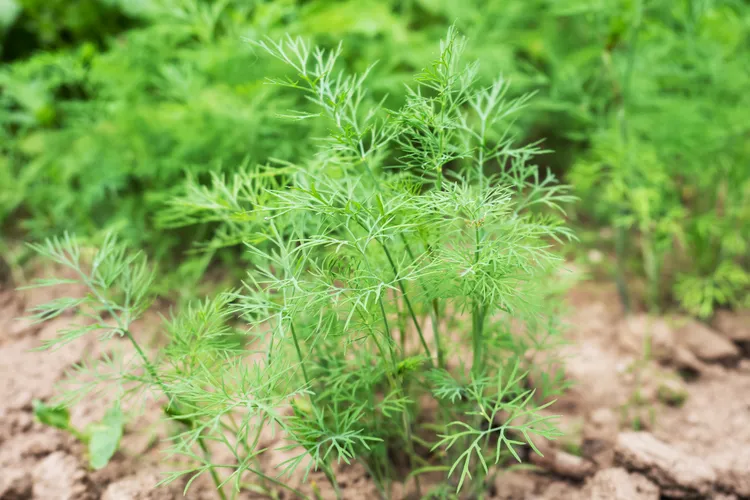
If you find yourself wanting more fennel fronds than a store-bought bulb ever seems to provide, growing your own solves the problem directly - a home-grown plant produces a much larger, fresher supply of fronds than what comes attached to a supermarket bulb.
Bulb Fennel vs. Herb Fennel
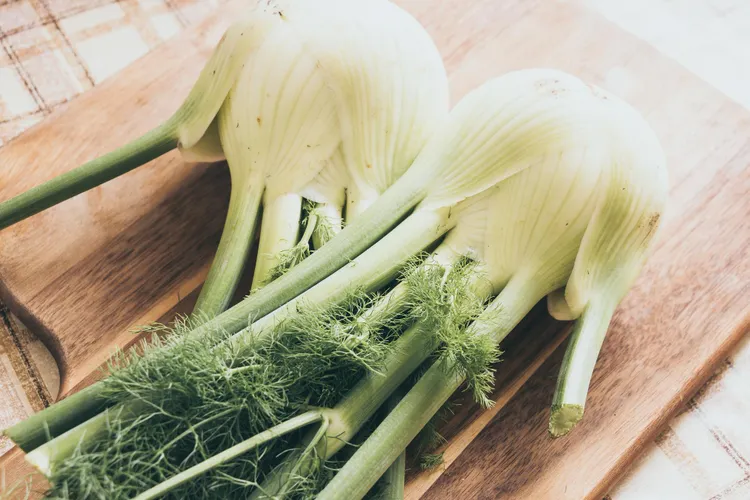
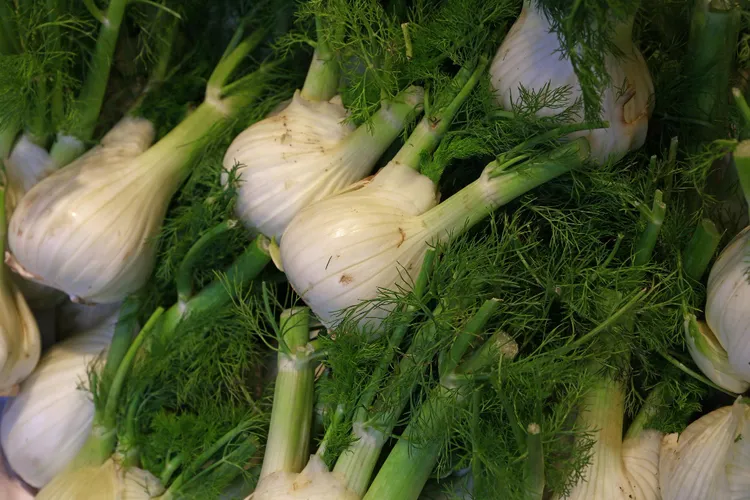
There are two general types of fennel sold as seed or starts: bulb fennel (sometimes labeled Florence fennel), which is bred to form the dense, swollen base most recipes call for, and herb fennel, a leafier variety grown mainly for its fronds and seeds rather than a substantial bulb. If your main goal is a steady supply of fronds, either type works, though bulb fennel gives you the fronds plus a usable bulb as a bonus, while herb fennel tends to produce more feathery growth overall relative to its size.
Growing Conditions
Fennel wants full sun and rich, well-draining soil - unlike the Mediterranean herbs in our other guides, fennel actually appreciates more fertile soil and consistent moisture, closer to the needs of a vegetable than a drought-tolerant herb. Water regularly, aiming for evenly moist (not soggy) soil, especially as the bulb begins to form on bulb varieties.
Starting From Seed
Fennel grows reliably from seed, sown directly in the garden after the last frost, about 1/4 inch deep. Thin seedlings to about 12 inches apart once they're a few inches tall, giving bulb varieties enough room to swell properly. Fennel doesn't transplant well due to its taproot, so direct sowing is generally more reliable than starting seedlings indoors and moving them later.
A Note on Bolting
Fennel is sensitive to stress from heat, drought, or being planted too early in cool weather, all of which can cause it to bolt - sending up a flower stalk prematurely rather than forming a good bulb. Bolted fennel still produces usable fronds, so even a plant that's bolted isn't a total loss if fronds are your main interest, though the bulb itself will likely be tough and less useful by that point.
Harvesting Fronds Without Harvesting the Whole Plant
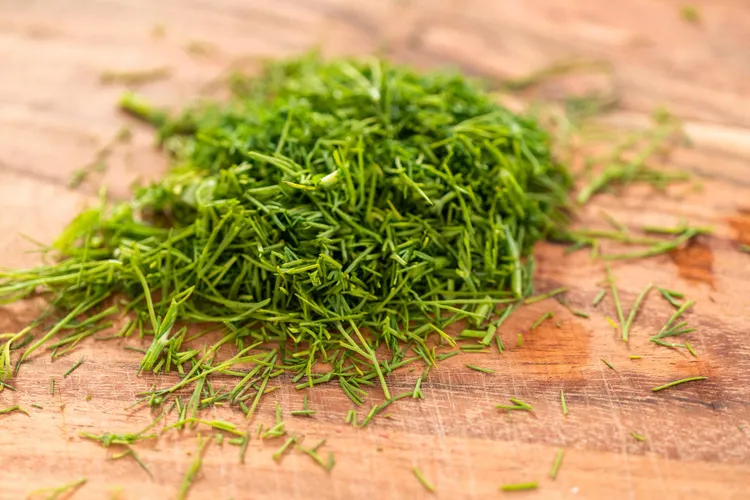
If you want a running supply of fronds without pulling the entire plant, you can snip fronds from the top of the stalks periodically as the plant grows, similar to how you'd harvest a leafy herb. This works well earlier in the season while the plant is still developing; once you're ready to harvest the bulb itself, you'll get a final, larger batch of fronds all at once as part of that harvest.
Companion Planting Considerations
Fennel has a reputation for inhibiting the growth of several common garden vegetables, including tomatoes, beans, and peppers, and it's generally recommended to grow it somewhat separately from the rest of a vegetable garden rather than interplanted throughout. A dedicated bed or a large container works well if space allows.
Container Growing
Bulb fennel can be grown in a container at least 12 inches deep and wide to accommodate its taproot and developing bulb. Herb fennel, which doesn't need to form a substantial bulb, is somewhat more flexible about container size if fronds are the main goal.
Once you've got a plant established, see the storage guide for how to keep a larger frond harvest fresh, or head back to the complete fennel fronds guide for how to use them.
Latest