How to Pickle Vegetables at Home (Quick and Fermented)
Two methods, two very different results. Quick vinegar pickles are ready in 24 hours. Fermented pickles take weeks but develop far more complexity. Here is how both work.
Pickling and fermenting are often lumped together but they produce fundamentally different products using different preservation mechanisms. Quick vinegar pickles use acid added from outside to preserve. Fermented pickles create their own acid through bacterial activity. The first takes 24 hours. The second takes weeks. Both are worth knowing.
Quick Vinegar Pickling
In quick pickling, you pour a hot or cold brine of vinegar, water, salt, and sometimes sugar over prepared vegetables. The acid penetrates the vegetable and lowers the pH to levels that prevent harmful bacterial growth. The vegetables keep their crunch, absorb the brine flavour, and are ready to eat within 24 to 48 hours. Sealed properly, they keep in the fridge for 2 to 3 months.
Quick pickles are refrigerator products unless water bath processed. The acidity makes them safe, but without a vacuum seal they are not shelf-stable at room temperature. Water bath canning adds another 10 minutes and gives 12 months of pantry storage - see the complete preserves guide for canning details.
The Brine Ratio
A standard pickling brine is 1 part vinegar to 1 part water with 1 tablespoon of salt and (optionally) 1 tablespoon of sugar per 500ml total liquid. This gives approximately 2.5 percent final acidity in the jar - safe for refrigerator storage. For shelf-stable water bath canning, the ratio should be at least 1:1 vinegar to water. Never dilute below 1:1 if you plan to can for shelf storage.
Vinegar Choice for Pickling
White wine vinegar is the most neutral and produces the cleanest, brightest pickles - good for cucumbers, radishes, and anything where colour matters. Cider vinegar adds mild fruitiness - good for red onions, beetroot, and root vegetables. Malt vinegar is the traditional British choice for onions, cauliflower, and mixed pickles - strong and assertive. Rice vinegar is the mildest and lowest in acid - excellent for quick Asian-style pickled vegetables but not suitable for shelf-stable canning (too low acidity).
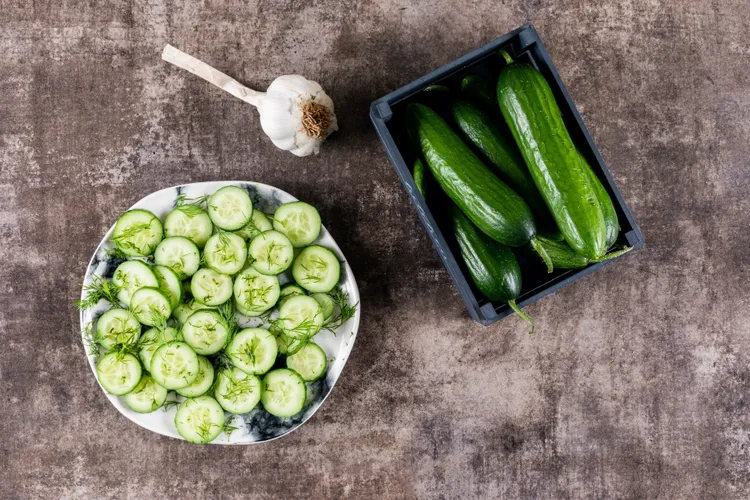
Recipe 1: Quick Pickled Cucumbers (Fridge Pickles)
Makes: 1 x 500ml jar | Prep: 10 minutes | Ready in: 24 hours
Ingredients
- 2 medium cucumbers (approximately 400g), thinly sliced
- 2 garlic cloves, thinly sliced
- 1 teaspoon dill seeds or a few fronds of fresh dill
- Half teaspoon black peppercorns
- 200ml white wine vinegar
- 200ml water
- 1 tablespoon salt
- 1 tablespoon white sugar
Instructions
- Pack cucumber slices, garlic, dill, and peppercorns into a clean 500ml jar.
- Combine vinegar, water, salt, and sugar in a small pan. Heat until salt and sugar dissolve. Do not boil.
- Pour hot brine over cucumbers, ensuring all are submerged. Leave a 1cm gap at the top.
- Seal and leave to cool at room temperature, then refrigerate. Ready after 24 hours. Best within 2 months.
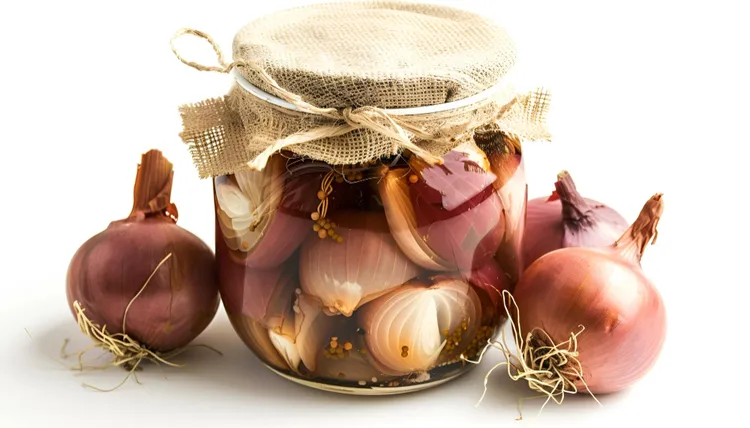
Recipe 2: Quick Pickled Red Onions
Makes: 1 x 300ml jar | Prep: 5 minutes | Ready in: 1 hour
Ingredients
- 2 red onions, very thinly sliced
- 150ml red wine vinegar
- 100ml water
- 1 tablespoon sugar
- 1 teaspoon salt
Instructions
- Pack onion slices into a jar.
- Combine vinegar, water, sugar, and salt. Stir until dissolved (no heat needed).
- Pour over onions. Press down so all are submerged. Seal and refrigerate. Ready in 1 hour; best within 3 weeks.
Lacto-Fermented Pickles: The Slower Method
Lacto-fermentation uses salt to create an environment where beneficial Lactobacillus bacteria thrive and harmful bacteria cannot survive. The bacteria convert sugars in the vegetables into lactic acid, which preserves the food and creates the characteristic sour, complex flavour. Real dill pickles, traditional Korean kimchi, and classic dill gherkins are all lacto-fermented.
The basic method: vegetables submerged in a 2 to 3 percent salt brine (20 to 30g salt per litre of water), kept at room temperature, weighted to stay submerged, for 1 to 4 weeks. The brine becomes cloudy as fermentation proceeds - this is normal and desirable. Taste from day 3 or 4 and stop when the flavour suits you.
Recipe 3: Lacto-Fermented Dill Gherkins
Makes: 1 x 1 litre jar | Prep: 15 minutes | Fermentation: 5 to 10 days
Ingredients
- 600g small pickling cucumbers (gherkins), ends trimmed
- 4 garlic cloves, lightly crushed
- A large bunch of fresh dill, including stalks
- 1 teaspoon black peppercorns
- 1 tablespoon mustard seeds
- 1 litre cold water (filtered or left to stand for an hour to off-gas chlorine)
- 25g fine sea salt (not iodised - iodine inhibits fermentation)
Instructions
- Dissolve salt in the water. Set aside.
- Pack gherkins tightly into a sterilised 1-litre jar, layering with garlic, dill, pepper, and mustard seeds.
- Pour the brine over, ensuring the gherkins are completely submerged. Weigh them down with a small zip-lock bag filled with brine, or a clean stone.
- Cover loosely (not sealed - gas needs to escape) and leave at room temperature (18 to 22 degrees) for 5 to 10 days. Taste from day 5. The brine will cloud and bubble.
- When they taste sour and complex enough for you, seal the jar and move to the fridge. The fermentation continues slowly in cold storage but essentially stops. Keeps refrigerated for 2 months.
Which Method for What
Quick vinegar pickles: red onions, cucumbers for salads, radishes, jalapeños, fennel, anything you want in a day. Lacto-fermented pickles: gherkins, green beans, whole garlic cloves, cauliflower - anything where you want the deeper flavour and live cultures from fermentation. For more on lacto-fermentation in a broader context, the sauerkraut guide covers the same principle applied to cabbage.
Nutrition (quick pickled cucumbers, per serving approx. 30g)
- Calories: approximately 8 kcal
- Carbs: 1.5g
- Protein: 0g
- Fat: 0g
For the complete guide to home preserving including chutney, fruit curd, and more, see the homemade preserves guide.
Salt Type for Lacto-Fermentation
Not all salt is equivalent for lacto-fermentation. Iodised salt inhibits the Lactobacillus bacteria you are trying to encourage - the iodine is an antimicrobial agent that does not distinguish between good and bad bacteria. Use non-iodised sea salt or kosher salt. Table salt often contains anti-caking agents that can cloud the brine and may affect fermentation. Fine sea salt dissolves most easily and is the most reliable choice.
Temperature and Fermentation Rate
Lacto-fermentation proceeds faster at warmer temperatures and slower at cooler ones. At 18 to 22 degrees Celsius (a warm kitchen), most vegetable ferments are ready in 5 to 10 days. At 15 degrees (a cool room or larder), the same ferment takes 2 to 3 weeks but develops more complex flavour with slower acid production. At 10 degrees or below, fermentation barely proceeds. This means you have control over the process: start at room temperature to initiate fermentation, then move to a cool spot to slow it down once it is established and tasting right.
Troubleshooting Fermented Pickles
White film on the surface of the brine: this is kahm yeast, not mould. It is harmless but indicates the ferment is slowing or the salt concentration is slightly low. Skim it off and move to the fridge. Green, blue, or black mould with fuzzy texture: discard and start again. The smell of a successful ferment is pleasantly sour and tangy, like good sourdough. An ammonia or foul smell means something went wrong - discard.
Vegetables That Pickle Well
Quick vinegar pickle: red onions, cucumbers, radishes, fennel, jalapeños, red cabbage, green beans. Lacto-ferment: cucumbers (for proper dill pickles), whole garlic cloves, green beans, cauliflower, turnips. Both methods: carrots, courgette, beetroot (vinegar gives vivid colour, ferment produces earthier flavour). Neither method works well for: leafy greens (they go slimy), very ripe tomatoes (collapse), and most cooked vegetables. Use Consillar's daily meal planner to work pickled vegetables into your regular eating as a condiment rather than an afterthought. For the complete preserving framework, see the complete homemade preserves guide.
Pickling as a Way to Reduce Food Waste
Quick pickling is one of the most effective ways to use vegetables that are slightly past their best for eating raw. A cucumber that is too soft for a salad still pickles well. Radishes that have lost their crunch become something different and good in a 24-hour brine. Half a red onion left over from a recipe, sliced thinly and covered in the quick pickle brine, is ready the next day and will keep for three weeks. This is one of the most practical preserving techniques in a home kitchen because it requires almost no advance planning and turns a potential waste item into an ingredient.
The same principle applies to the ends and offcuts of vegetables: fennel fronds, the outer leaves of cabbage, extra jalapeños from a bag that would otherwise go soft. None of these require a full batch of pickles - a small jam jar with a few tablespoons of brine is enough. Vary the vinegar and spice to match the vegetable. Track how pickled vegetables work as a low-calorie condiment with Consillar's nutrition calculators - most quick pickles add negligible calories while contributing significant flavour.
Quick Reference: Brine Ratios and Timing
Quick vinegar pickle brine: 1 part white wine or cider vinegar, 1 part water, 1 tablespoon salt, 1 tablespoon sugar per 500ml total liquid. Heat until dissolved, pour hot over vegetables. Ready in 24 to 48 hours. Fridge life: 2 to 3 months.
Lacto-ferment brine: 20 to 25g non-iodised salt per 1 litre of cold water. Pour cold over vegetables. Ferment at room temperature for 5 to 14 days. Taste from day 4. Move to fridge when flavour is right. Fridge life: 2 to 3 months.
Both methods require vegetables to be completely submerged in brine throughout the process. For quick pickles, the hot brine and a small jar (filled to the top with brine before sealing) ensures submersion. For ferments, a weight inside the jar (a small zip-lock bag of brine, a clean stone) keeps vegetables below the brine surface. Exposure to air in a ferment causes surface mould rather than lactic acid fermentation. For the complete preserving guide covering every method from jam and chutney to potted foods, see the complete homemade preserves guide.
Equipment for Pickling and Fermenting
Quick pickling requires nothing beyond a clean jar with a tight-fitting lid, a small saucepan, and a measuring jug. Mason jars, recycled commercial jars, or purpose-made Kilner jars with rubber seals all work equally well. Wide-mouthed jars are easier to pack with vegetables.
Lacto-fermentation needs one additional item: a weight to keep the vegetables submerged below the brine. Purpose-made fermentation weights are available online but are not necessary. A small zip-lock bag filled with brine (use brine rather than water so a leak does not dilute your ferment) works perfectly and can be removed before sealing the jar for storage. A small, clean, non-reactive stone or a folded piece of food-safe plastic also work. The key requirement is that the weight is heavy enough to keep the vegetables fully submerged even when the fermentation produces gas and the contents bubble slightly.
For larger-volume ferments, wide-mouthed mason jars (1 litre) or purpose-made fermentation crocks (ceramic, usually 2 to 5 litres) are easier to work with than narrow-mouthed jars. A fermentation crock with a water seal (the lid sits in a moat of water that allows gas to escape without letting air in) is the most traditional and reliable vessel, but a simple mason jar with a loose lid does the same job adequately for home use. If using a mason jar for lacto-fermentation, screw the lid on loosely during active fermentation to allow gas to escape, then tighten for fridge storage. A lid screwed too tight on an actively fermenting jar can cause pressure to build. For the complete guide to home preserving including chutneys, fruit curds, jellies, and potted foods, see the complete homemade preserves guide.
Storage and Labelling
All quick vinegar pickles and lacto-fermented pickles should be labelled with the date made and the expected best-before date. Quick pickles: best within 2 to 3 months of making, refrigerated from day one. Lacto-fermented pickles: move to the fridge once the desired sourness is reached, best within 2 to 3 months of refrigerating. Both types will still be safe to eat beyond these windows if they smell and look right, but texture and flavour begin to deteriorate. Label also with the contents - a jar of pickled cucumbers and a jar of pickled green beans look identical after 6 weeks. A simple masking tape label with a permanent marker takes 10 seconds and avoids confusion.
For quick pickles intended as gifts, use attractive jars and consider adding a few whole spice items visibly - a dried chilli, a bay leaf, a few peppercorns - so the contents look intentional rather than improvised. A set of three different quick pickles (red onion, cucumber, and jalapeño) in matching jars makes an excellent gift for someone who cooks, particularly if paired with a note on suggested uses (tacos, sandwiches, cheese boards). Quick pickles are immediately usable unlike most preserves that need maturing, which makes them a practical gift that will be used within a week of receiving.
Latest