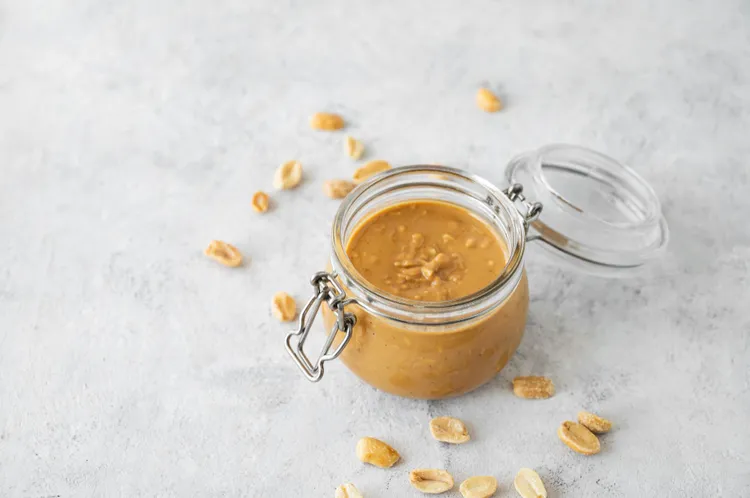
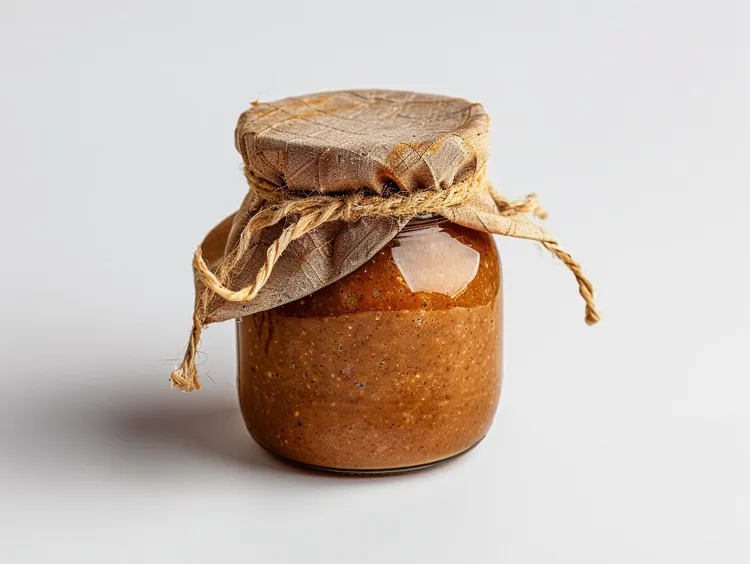
Mixed Nut Butter (Using Up Odds and Ends)
A mixed nut butter recipe built for using up half-finished bags of nuts, with ratio guidance for a balanced, complex flavor.
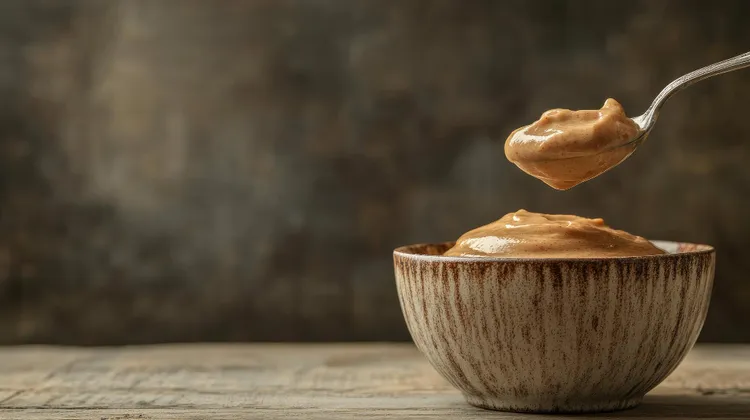
Mixed nut butter is the practical answer to the half-used bags of almonds, cashews, and walnuts that tend to accumulate in a kitchen pantry over time. Rather than letting small amounts of several nuts go stale waiting to be used up individually, combining them into a single batch of nut butter uses them all at once and often produces a more complex flavor than any single nut alone.
Mixed Nut Butter
Prep time: 5 minutes | Blend time: 8 to 15 minutes | Makes: about 1.5 cups
Ingredients
- 2 cups mixed raw or roasted nuts (see ratio guidance below)
- 1/2 tsp salt, or to taste
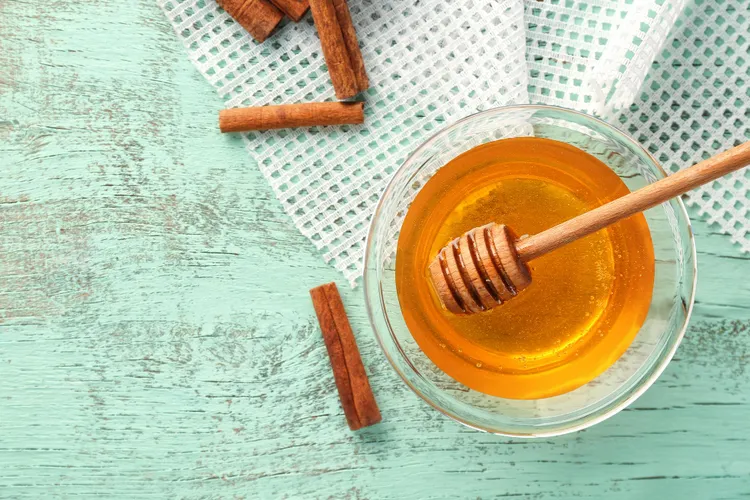
- 1 tbsp honey or maple syrup (optional)
- 1 to 2 tbsp neutral oil (optional, only if needed)
Instructions
- If using raw nuts, roast them together on one sheet pan at 325F, checking at 10 minutes. Nuts that roast faster than others (cashews, pistachios) can be added to the pan a few minutes after slower ones (almonds, hazelnuts) if roasting from raw in one batch, or roast in separate batches and combine afterward for more precise control.
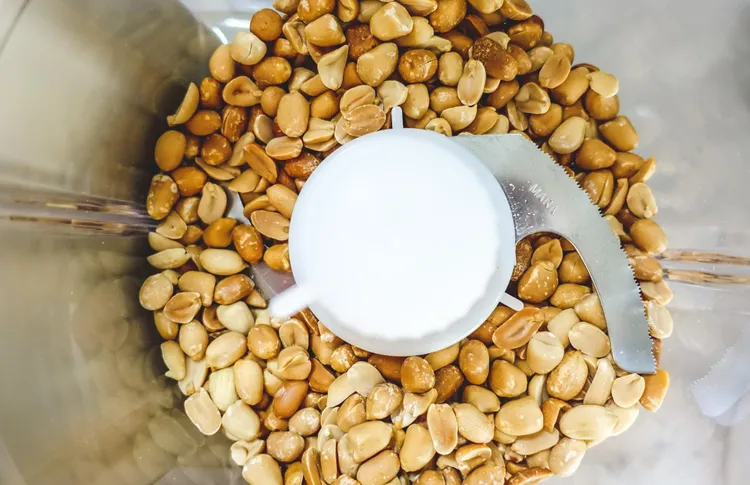
- Let the roasted nuts cool for 10 minutes, then combine in a food processor.
- Process continuously, scraping down the sides every 2 to 3 minutes. Blend time depends on the mix - a batch weighted toward cashews or peanuts will smooth out faster than one weighted toward almonds or pistachios.
- Add salt and any optional sweetener once smooth, blending another 30 seconds to combine.
- If still grainy past 15 minutes, add oil a tablespoon at a time. See our troubleshooting guide for more.
- Transfer to an airtight jar and refrigerate.
Notes
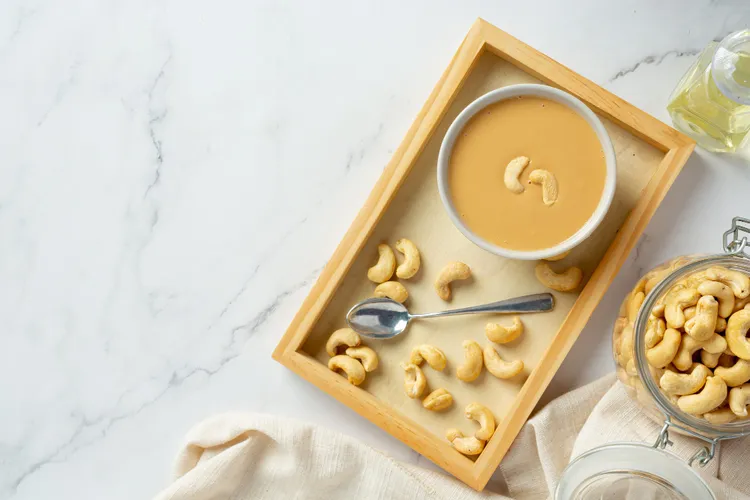
Cashews are a particularly useful nut to include in any mix, since their fast-releasing oil helps the whole batch smooth out faster than it would with only lower-fat nuts like almonds.
Ratio Guidance
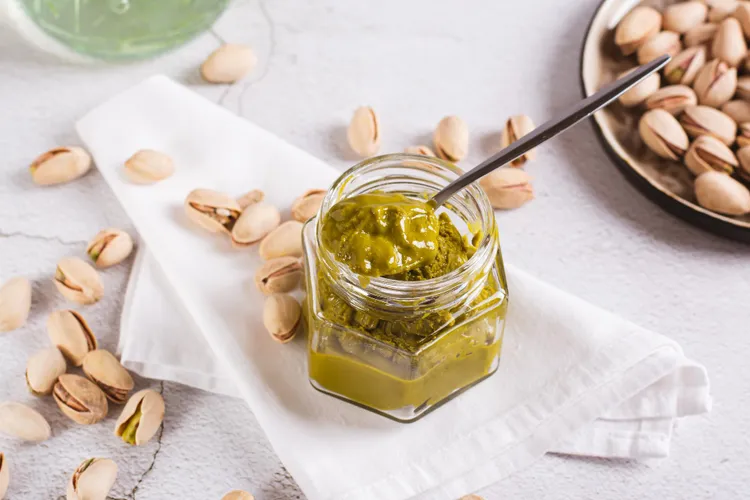
There's no single correct ratio, but a few general patterns work reliably well across most kitchens. A roughly equal three-way split of almonds, cashews, and walnuts gives a balanced, mild flavor and a manageable blend time, since the cashews help offset the slower-blending almonds. Leading with peanuts (about half the total) and filling in the rest with almonds or cashews gives a result closer to peanut butter with more complexity and a bit more nuance overall. For a sweeter, dessert-leaning mix, pairing pistachios with cashews keeps cost down slightly compared to an all-pistachio batch while still delivering distinct pistachio flavor and some green color throughout the finished jar.
Why Combining Nuts Changes Blend Time
Different nuts release oil at noticeably different rates - cashews and peanuts fastest, almonds and pistachios slowest of the bunch. In a mixed batch, the faster-releasing nuts help lubricate and smooth the whole mixture somewhat, but the slowest nut in the mix still sets the overall pace for the entire batch regardless. A batch that's mostly almonds with a small amount of cashew added won't necessarily blend dramatically faster than pure almond butter would entirely on its own.
Using Up Small Amounts
This recipe is genuinely flexible on total nut count as long as the overall quantity stays around 2 cups for the food processor to properly circulate it. Half a bag of almonds plus a handful of leftover pecans plus whatever cashews are left in a jar all work together fine, as long as they're weighed or measured to add up to roughly the right total volume needed.
Flavor Considerations When Mixing
Some nuts have distinct, dominant flavors that can overwhelm a mix if used in too high a proportion - walnuts in particular have a noticeably more bitter, tannic edge than milder nuts like cashews or macadamias, and work best kept to a smaller proportion of the overall mix rather than making up the majority of any given batch.
Common Mistakes
Combining nuts with very different roasting times into a single batch without adjusting for it is a common issue - almonds and hazelnuts genuinely need more roasting time than cashews and pistachios do, and roasting everything for the same duration on one pan risks under-roasting some while over-roasting others. Roasting in two separate batches by speed, then combining before blending, solves this with only a small amount of extra time invested.
Specific Combinations Worth Trying
A few tested pairings consistently work quite well beyond the general ratio guidance above. Peanut and cashew (roughly 2:1) gives a result close to peanut butter but noticeably smoother and slightly sweeter overall. Almond and hazelnut (roughly 1:1, with hazelnuts skinned first) leans into a more European, dessert-adjacent flavor profile reminiscent of a plain, unsweetened version of a chocolate hazelnut spread base. Pecan and walnut together (roughly 2:1 favoring pecan, since pecans are noticeably milder) makes a rich, slightly sweet mix well suited to most baking applications specifically.
Adjusting Blend Time for Uneven Mixes
When one nut in the mix significantly outweighs the others by volume, blend time tracks closer to that dominant nut's typical timeline than a true average of everything included. A mix that's 80 percent almonds and 20 percent cashews, for instance, will still take close to full almond-butter blend time, since the smaller amount of cashew doesn't meaningfully speed up the much larger volume of slower-blending almonds.
Weighing vs Measuring by Volume
For the most consistent results from batch to batch, weighing nuts on a kitchen scale rather than measuring by cup volume is more accurate, since different nuts pack quite differently into a measuring cup - a cup of whole cashews weighs meaningfully more than a cup of almonds, for instance, given their different shapes and densities. This matters more for a mixed batch than a single-nut one, where getting the ratio right depends heavily on accurate proportions between multiple different ingredients.
Using Nut Scraps and Small Amounts
This recipe is also a genuinely reasonable home for very small odds and ends - a quarter cup of walnuts left over from baking, a handful of stray pecans, whatever's rattling around in the bottom of a nearly empty nut jar - as long as the total still adds up to roughly 2 cups once combined together with a larger amount of a primary nut. This is arguably the most practical, waste-reducing recipe in the entire guide for exactly that specific reason alone.
Mixing In Seeds Too
Sunflower seeds, pumpkin seeds, and sesame seeds in smaller proportions (generally no more than a quarter of the overall total mix) can be blended alongside nuts for added texture and nutritional variety without dramatically changing the overall flavor, as long as the dominant ingredient remains a nut with enough natural oil to carry the whole blend toward smoothness within a reasonable amount of time.
Why Mixed Batches Are Harder to Repeat Exactly
Because this recipe is built around using up whatever's on hand, exact repeatability batch to batch is naturally lower than with a single-nut recipe. This is a feature rather than a limitation for most people making this specific recipe - the goal is using up what's available, not producing an identical jar every time. If a specific mixed combination turns out particularly well, jotting down the rough ratio used is the only reliable way to recreate it later.
Cost Efficiency of Mixed Batches
Beyond reducing food waste, leaning a mixed batch toward whichever nut is currently cheapest or most abundant (often peanuts or cashews, depending on region and season) while using smaller amounts of pricier nuts like pistachios or macadamias for flavor accents is a practical way to get some of a pricier nut's flavor into a batch without the full cost of an all-pistachio or all-macadamia version.
A Mixed Batch as a Way to Discover New Favorites
Beyond the practical waste-reduction angle, a mixed batch is also a genuinely good way to stumble onto a favorite combination that wouldn't have come from deliberately setting out to make it - many of the specific pairings suggested earlier in this guide were discovered exactly that way, from combining whatever happened to be on hand rather than planning a specific ratio in advance.
A Practical Starting Point If You're Not Sure What to Combine
If genuinely unsure where to start, a simple two-nut combination - one higher-fat nut like cashew or peanut paired with one lower-fat nut like almond, in roughly a 60/40 split favoring the higher-fat option overall - is a reliable, forgiving starting point that blends in a reasonable amount of time while still delivering a noticeably more complex, layered flavor than any single-nut batch made entirely on its own would ever achieve.
Keeping a Running Pantry Inventory
For anyone who bakes or cooks with nuts regularly enough to accumulate small leftover amounts often, keeping a small designated container in the freezer specifically for nut odds and ends, added to over time, means there's usually enough built up for a full mixed batch every few weeks without needing to buy anything new specifically for this recipe.
This recipe rewards flexibility over precision - the goal is using up what's on hand and discovering good combinations along the way, not hitting an exact, repeatable ratio every time. That relaxed approach is what makes it one of the more forgiving, low-stakes recipes in this entire guide to experiment with.
What to Use It On
Its more complex, layered flavor makes mixed nut butter a satisfying choice for simple applications where the nut butter itself is the star of the plate.
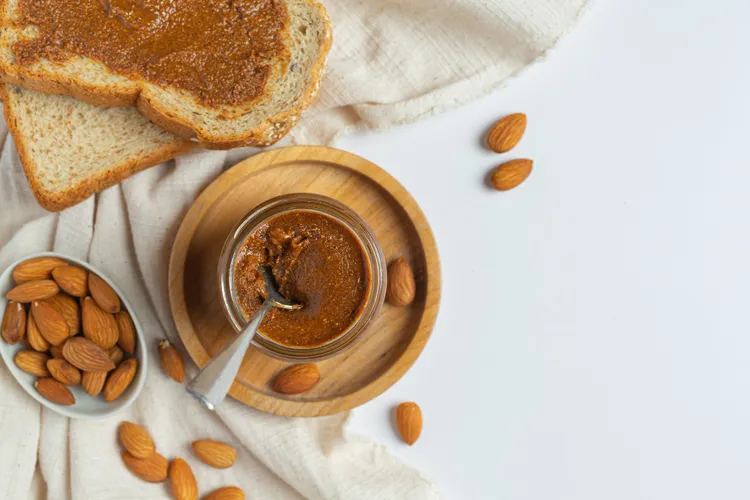
Mixed nut butter works well anywhere a single-nut butter would, and its more complex flavor makes it a particularly good match for simple applications like toast or a spoon straight from the jar, where the flavor itself is the main event. See our full uses guide for more ideas.
A Reasonable Default If You're Not Sure Where to Start
Absent a specific set of leftover nuts to use up, a simple default of equal parts peanuts, almonds, and cashews gives a genuinely well-rounded introduction to this recipe - familiar enough in flavor to feel approachable, varied enough to taste noticeably different from any single-nut butter, and forgiving enough in blend time given the fast-blending cashews balancing out the slower-blending almonds.
Revisiting the Batch Over Time
Because this recipe is inherently variable batch to batch, it's worth treating each attempt as its own small experiment rather than expecting to replicate a previous batch exactly. Keeping loose notes on what worked, as suggested earlier, turns this naturally into a recipe that improves with repetition even without a fixed formula to follow.
A Genuinely Practical Recipe to Keep in Rotation
Of every recipe in this guide, this is the one most directly tied to reducing food waste in an ordinary home kitchen, turning what would otherwise be several small, half-forgotten bags of nuts into one genuinely useful, cohesive batch. It's worth returning to any time the pantry starts accumulating odds and ends, rather than saving it for a special occasion, and it's a good habit to build into a regular kitchen routine rather than treating it as an occasional, one-off project undertaken only when things have already piled up considerably.
Flexibility
This recipe exists specifically because rigid rules simply don't serve its actual purpose - using up what's on hand, whatever that happens to be, in whatever proportion makes sense that particular week. Approaching it with that flexibility in mind, rather than searching for one perfect fixed formula, is what makes it genuinely sustainable to come back to again and again, week after week, without ever feeling like a repeat of the exact same recipe. It's arguably the most quietly useful recipe in this entire guide precisely because it asks so little of the person making it, and rewards exactly the kind of improvisation most other recipes in this collection actively discourage.
For the complete roadmap across every nut and seed butter in this guide, see the complete nut butter guide, which covers each individual nut this recipe might draw from in far greater depth.
Nuts are common allergens. Always check ingredient labels for potential allergens and cross-contamination. If you have a nut allergy, avoid handling or consuming nuts and nut-based products, including homemade nut butter.
Latest