Homemade Pickled Onions: The Traditional Method
Proper pickled onions need brining, the right vinegar, and at least 4 weeks to mature. This is the traditional method that produces the real thing.
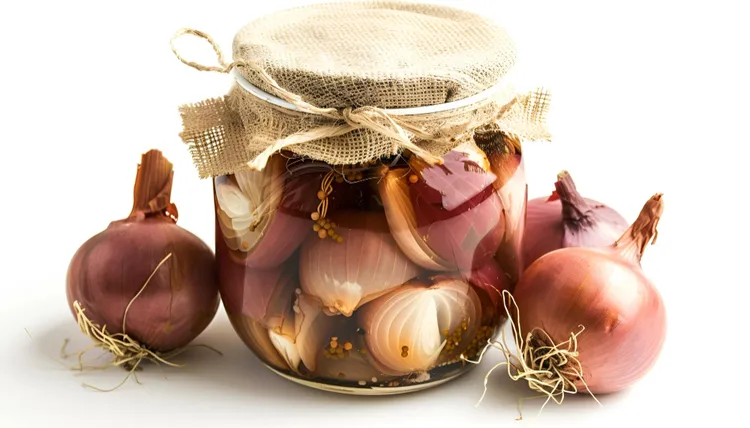
Shop-bought pickled onions and properly made homemade ones are barely the same product. The difference is brining time, vinegar quality, and maturation. The homemade version is crunchy where the shop version is soft, complex where the shop version is one-dimensional. The process takes about 30 minutes of active work spread across two days, plus 4 to 6 weeks of waiting.
Which Onions to Use
Small pickling onions (shallot-sized, around 2 to 3cm diameter) are traditional and best. They fit whole into jars, have a sweeter flavour than large onions, and maintain their texture better through brining and maturation. Pearl onions work well. Standard large onions can be used but should be cut into wedges rather than used whole - they lose their texture more quickly and become soft within a month.
The season for fresh pickling onions is late summer into autumn. Outside this window, frozen pearl onions (thawed) work adequately for a vinegar pickle, though they are softer than fresh.
Why Brining Matters
Brining in strong salt solution before pickling draws excess moisture out of the onion cells. This serves two purposes: it seasons the onion throughout rather than just on the surface, and it draws out the moisture that would otherwise dilute the vinegar and soften the finished pickle. Unbribed pickled onions go soft within weeks. Properly brined ones stay crunchy for months.
The brine is not the vinegar - it is a separate salting step done before the onions go into the jar. The onions sit in a strong salt solution for 12 to 24 hours, then are rinsed and dried before being packed into jars and covered with pickling vinegar.
Vinegar Selection
Malt vinegar is the traditional choice for British-style pickled onions and the flavour is distinctive and correct. Use dark malt vinegar for a richer, deeper flavour; light malt vinegar for a sharper, cleaner result. Spiced pickling vinegar (malt vinegar with whole spices steeped in it for 2 to 4 weeks) is the classic upgrade - the spices add warmth and complexity without sweetness. Ready-made pickling vinegar from the shops is spiced malt vinegar and is a convenient shortcut. Cider vinegar produces a mellower result and is a good option for anyone who finds malt vinegar too aggressive.
Recipe: Traditional Pickled Onions
Makes: 2 to 3 x 500ml jars | Day 1: 20 minutes | Day 2: 15 minutes | Mature: 4 to 6 weeks
Ingredients
- 1kg small pickling onions, peeled
- For the brine: 100g salt dissolved in 1 litre cold water
- For the vinegar: 750ml malt or spiced pickling vinegar
- 1 teaspoon black peppercorns (optional, if using plain malt vinegar)
- 1 teaspoon mustard seeds (optional)
- 1 bay leaf per jar
Instructions - Day 1: Brining
- To peel pickling onions efficiently: blanch in boiling water for 30 seconds, then transfer to cold water. The skins slip off easily.
- Place peeled onions in a large bowl. Pour the salt brine over them. They should be fully submerged - weigh them down with a plate if needed.
- Leave for 12 to 24 hours at room temperature.
Instructions - Day 2: Packing
- Sterilise jars. Drain the onions thoroughly. Rinse under cold water. Pat completely dry with a clean cloth - any remaining moisture dilutes the vinegar.
- If making your own spiced vinegar: combine vinegar with peppercorns and mustard seeds in a pan. Heat to just below boiling. Do not boil (it drives off volatile aromatics). Leave to cool completely before using.
- Pack onions tightly into jars, adding a bay leaf to each. Pour over cooled vinegar to completely cover. Leave a 1cm gap at the top.
- Seal tightly. Label with the date. Store in a cool, dark place. Ready in 4 weeks, better at 8 weeks.
Sweet Pickled Onions
For a sweeter version, dissolve 2 tablespoons of white sugar in the vinegar before using. This makes a more rounded, less sharp pickle that some people prefer and that pairs particularly well with cold meats and cheese rather than with a ploughman's lunch. The same brine recipe applies; simply add sugar to the vinegar.
How Long They Keep
Sealed pickled onions keep at room temperature for 12 months. After 6 months they begin to soften slightly, so use them within that window for the best crunch. Once opened, keep in the fridge and use within 6 weeks.
Nutrition (per tablespoon, approx. 20g)
- Calories: approximately 8 kcal
- Carbs: 1.5g
- Protein: 0g
- Fat: 0g
For the complete guide to home preserving including pickling, chutney, and fruit curds, see the complete homemade preserves guide.
Troubleshooting Pickled Onions
Soft pickled onions are almost always caused by skipping or abbreviating the brining step. The brine draws out moisture that would otherwise dilute the vinegar and soften the onion. A second cause is using very ripe or over-stored onions that were already beginning to soften before pickling. Start with firm, fresh pickling onions. Brine for the full 12 to 24 hours. Do not rush.
Cloudy vinegar in the jar is normal with malt vinegar and does not indicate spoilage. Clear pickling vinegars (white wine, cider) will remain clear if the onions were properly dried before jarring - any water carried in on the onions will cloud a clear vinegar. Pat dry thoroughly.
Variations Worth Trying
Spiced pickled onions: simmer your chosen vinegar with whole spices (cloves, allspice, peppercorns, bay, dried chilli, mustard seed) for 10 minutes, cool completely, then use. This is what commercial pickled onions use and the flavour difference from plain vinegar is significant. Sweet pickled onions: add 2 to 3 tablespoons of sugar per 500ml of vinegar. These are milder and rounder, better as a condiment with cold meat than the sharp traditional version. Pink pickled onions: use red onions instead of white. The colour leaches into the cider vinegar and the result is vivid pink throughout the jar.
Pickled Onions as a Kitchen Ingredient
Pickled onions have obvious uses on a ploughman's plate, alongside cheese, or in a sandwich. They are also useful in cooking: chopped finely and added to a vinaigrette. Sliced thinly and added to tacos or flatbreads. Used whole alongside a pate or terrine. Chopped and folded into egg salad instead of fresh raw onion. Any application where you want onion flavour with acidity rather than pungency. For the complete guide to home preserving including chutney, fruit curd, and more, see the complete homemade preserves guide.
Pickled Onions as Part of a Preserve Larder
Pickled onions fit naturally into a seasonal preserving calendar. Make them in August or September when fresh pickling onions are available at their best. A batch of 1kg onions produces 2 to 3 jars that will last through to the following summer. During the maturing period (4 to 8 weeks), the onions are genuinely improving - the vinegar softens, the spices integrate, and the sharpness of the raw brine rounds out into something complex and interesting. This makes them a good project for the same preserving session as a green tomato chutney or an apple jelly - both of which also benefit from the same maturing time.
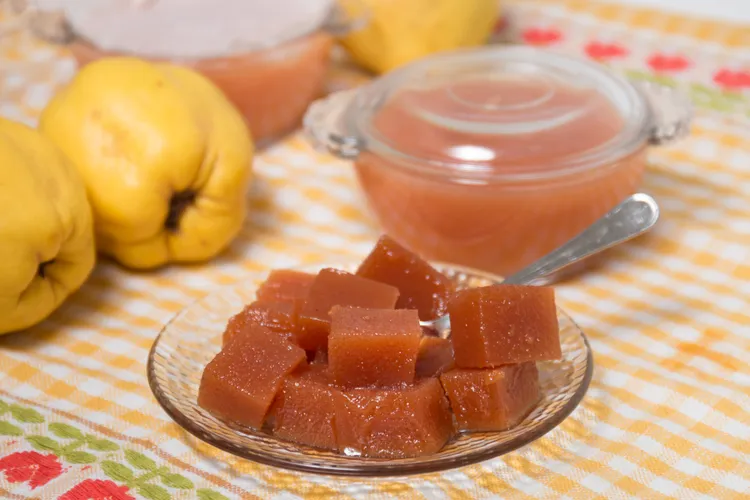
A cheese board with homemade pickled onions, homemade chutney, and homemade quince paste alongside a selection of cheeses is something genuinely impressive that has cost a few hours of kitchen time spread across autumn. Each individual preserve is straightforward; the combination is greater than the sum of its parts. For the full guide to seasonal home preserving, see the complete homemade preserves guide. Use Consillar's weekly meal prep planner to build meals around your preserve larder throughout the year.
Vinegar Ratios and Acidity
Standard malt vinegar is 4 to 8 percent acetic acid. White wine vinegar is typically 5 to 6 percent. Cider vinegar is 4 to 6 percent. For pickled onions stored at room temperature, any of these is sufficient when used undiluted. Never dilute the pickling vinegar with water for onions intended for pantry storage - dilution drops the acidity below the level needed to suppress harmful bacterial growth. For refrigerator pickles that will be eaten within 3 weeks, a 50:50 vinegar to water brine is fine and produces a milder result.
Homemade spiced pickling vinegar (made by steeping whole spices in malt vinegar for 4 to 6 weeks) is significantly better than the ready-made version from a bottle. The spice flavour is more complex, the aromatics more present, and the result in the finished jar noticeably different. Make a 1 litre batch at the start of the season by combining 1 litre of malt vinegar with a tablespoon each of whole black peppercorns, allspice berries, and mustard seed, plus a cinnamon stick, a dried chilli, and 3 bay leaves. Leave in a sealed jar for 4 to 6 weeks, strain, and use. It keeps indefinitely at room temperature.
The Economics of Homemade Pickled Onions
A kilogram of fresh pickling onions in season costs approximately one to two pounds in the UK. Combined with a litre of malt vinegar (around one pound per litre for standard quality, three to four pounds for good quality) and minimal spices, the total ingredient cost for 2 to 3 jars of pickled onions is three to five pounds. Equivalent quality commercial pickled onions in that quantity cost significantly more and contain softening agents and preservatives that homemade versions avoid.
The more meaningful calculation is the labour cost. Active work time is approximately 30 minutes spread across two days (peeling and brining one day, packing and sealing the next). The waiting time of 4 to 8 weeks is entirely passive. This is one of the best returns on kitchen time in the entire preserve category - low effort, high quality, long shelf life, good value. Making a larger batch of 3kg of onions rather than 1kg uses roughly the same labour and produces 6 to 9 jars, which reduces the per-jar time investment further. For anyone who eats pickled onions regularly, a large seasonal batch in September is one of the best preserving investments of the year. For the complete guide to home preserving including chutneys, fruit jellies, fruit curds, and potted foods, see the complete homemade preserves guide.
Pickled Onions Across Cultures
Pickled onions appear in cuisines worldwide, each with a distinct preparation and purpose. The British version (whole small onions in malt vinegar, eaten with cheese or cold meats) is the most traditional in a UK context. Mexican cebollas encurtidas (quick-pickled red onions in lime juice and cider vinegar with oregano) are a condiment for tacos, tortas, and grilled meats - ready in an hour rather than weeks. Middle Eastern pickled turnips (shredded turnip with a beetroot slice for colour in a simple salt brine) are served alongside shawarma and falafel throughout the Levant. Indian pickled onions (in vinegar with whole spices) appear alongside curries and thalis as a sharp, crunchy contrast to rich, spiced dishes.
Each version follows the same underlying logic - acid preservation of a pungent allium - but with different vinegar strength, spice profile, cut, and timing suited to its culinary context. The quick Mexican red onion version is the most immediately useful to add to the home cook's repertoire alongside the traditional British method. It requires nothing beyond red onions, lime juice, a pinch of salt, and a jar. Mix these together, press the onions down until submerged, and the pickle is ready in 1 hour. It keeps in the fridge for 2 weeks and transforms any taco, grain bowl, or cheese plate it touches.
Malt Vinegar vs Cider Vinegar: A Side-by-Side
The choice of vinegar for pickled onions is personal but consequential. Malt vinegar (the traditional British choice) is made from malted barley and has a strong, assertive flavour with yeasty undertones. It produces the classic, sharp pickled onion associated with fish and chips and pub ploughman's lunches. The colour deepens the onion to a rich amber. Dark malt vinegar gives more depth; light malt vinegar is sharper and cleaner.
Cider vinegar is made from fermented apple juice. It is milder, fruitier, and less harsh than malt vinegar. The resulting pickled onion is rounded and approachable - better for people who find traditional malt vinegar pickled onions too aggressive, and better suited to pairing with mild cheeses and cold chicken where you do not want the vinegar to dominate. The colour with cider vinegar is lighter - a pale gold rather than amber.
White wine vinegar produces the mildest, cleanest pickle of the three and preserves the most natural onion flavour. It is the best choice if you want the pickling spices and the onion to be equally prominent without either being overshadowed by the vinegar itself. A spiced white wine vinegar pickled onion, made with carefully chosen aromatics, is a more sophisticated product than the standard malt version and works better on a dinner party cheese board.
All three achieve the same preservation goal. Choose based on the flavour profile you want in the finished jar and the context in which you plan to serve the onions. For the full home preserving guide covering chutneys, pickles, fruit curds, and more, see the complete homemade preserves guide.
Latest