Scandinavian Dill Recipes Beyond Gravlax
Scandinavian dill dishes beyond cured salmon: potato salad, cucumber salad, and the basics of curing fish at home.
Gravlax gets most of the attention when people think of Scandinavian dill cooking, but dill shows up constantly in everyday Scandinavian dishes well beyond cured fish.
Swedish-Style Dill Potato Salad
Boil small waxy potatoes until just tender, then toss warm with a dressing of sour cream, a splash of vinegar, a touch of Dijon mustard, and a generous amount of finely chopped fresh dill, roughly a quarter cup per pound of potatoes. Add thinly sliced red onion or chives if wanted. Unlike a heavily mayonnaise-based American potato salad, this version is lighter and lets the dill's flavor lead. Serve warm or at room temperature rather than fully chilled, which is closer to how it's traditionally served.
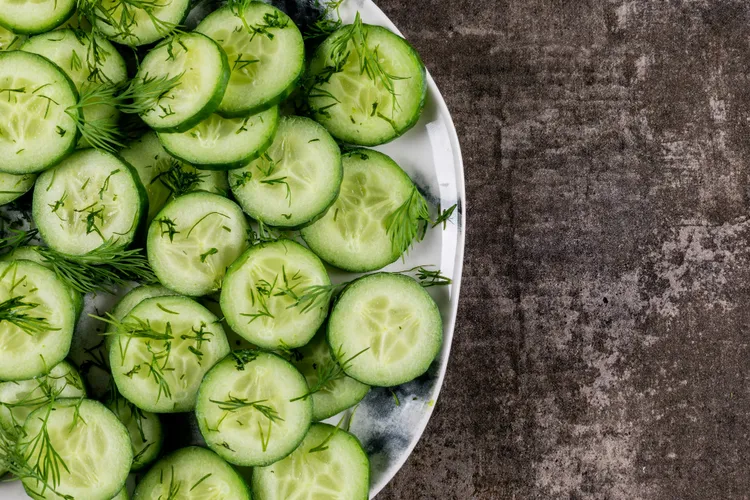
Scandinavian Cucumber Salad (Agurksalat / Pressgurka)
Thinly slice cucumber, salt lightly, and let sit for 15 to 20 minutes to draw out excess water, then drain. Toss with a simple dressing of white vinegar, a little sugar, and a generous amount of fresh dill. This salad is meant to be sharp, sweet, and herbaceous rather than creamy, and it's a common accompaniment to grilled or cured fish throughout Scandinavia.
Basics of Curing Fish With Dill (Gravlax-Style)
Traditional gravlax cures raw salmon in a mixture of salt, sugar, and a generous layer of fresh dill, no cooking involved, over 24 to 48 hours in the refrigerator. For a home version: combine equal parts coarse salt and sugar, about 1/4 cup each per pound of salmon, and pack this mixture along with a thick layer of chopped dill over a salmon fillet. Wrap tightly in plastic wrap, weight it down with something heavy in a dish, and refrigerate for 24 to 48 hours, flipping once halfway through.
After curing, rinse off the excess salt-sugar mixture and pat the fish dry, then slice thinly against the grain to serve. This does involve raw fish handling, so start with the freshest, highest-quality salmon available, ideally previously frozen sushi-grade fish, to reduce risk, and consult a trusted food-safety resource on curing raw fish if this is a first attempt.
Dill Cream Sauce for Boiled Vegetables
A simple white sauce, butter, flour, and milk, finished with a generous amount of fresh dill, is a classic way boiled potatoes, carrots, or peas are served throughout Scandinavia. This is a good complementary use for dill alongside the yogurt-based sauce covered in Creamy Dill Sauce for Salmon, Potatoes, and More, offering a different, more traditional base for the same herb.
Common Mistakes
- Being too conservative with dill quantity. Scandinavian dishes generally use dill more generously than many other cuisines; err on the side of more rather than less in these recipes.
- Skipping the salting step for cucumber salad. Un-salted cucumber releases water into the dressing and dilutes the flavor within an hour.
- Using low-quality fish for curing. Since gravlax involves no cooking, fish quality and freshness matter enormously; this isn't the place to use fish that's already a few days old.
Frequently Asked Questions
Is gravlax safe to make at home?
It can be, following proper food-safety practices, starting with high-quality (ideally previously frozen) fish and keeping everything refrigerated throughout the curing process. If in doubt, consult a dedicated food-safety guide on curing raw fish before attempting it the first time.
Can I use dried dill in these recipes?
Fresh dill is strongly preferred, especially for the potato and cucumber salads, where dill's bright character is central to the dish rather than a background note.
What's traditionally served alongside gravlax?
A mustard-dill sauce, thin rye bread or crispbread, and often the potato or cucumber salads above make a complete, traditional Scandinavian spread.
Building a Full Scandinavian-Style Spread
These dishes work especially well served together rather than individually. A spread of gravlax or another cured fish, the cucumber salad, the potato salad, and thin crispbread or dark rye covers a range of textures and temperatures in one sitting and is a traditional approach to a Scandinavian smörgåsbord-style meal. This is also an efficient way to use a substantial amount of dill across several dishes in a single cooking session.
Adapting These Recipes to What's Available
If salmon isn't available or curing raw fish feels like too much for a first attempt, the potato salad and cucumber salad both stand on their own as a lighter, dill-forward side dish pairing well with grilled or roasted fish, chicken, or pork prepared more simply. The dill cream sauce also works well spooned over simply poached or baked fish as a lower-effort alternative to a full cure.
Common Mistakes
- Being too conservative with dill quantity. Scandinavian dishes generally use dill more generously than many other cuisines; err on the side of more rather than less in these recipes.
- Skipping the salting step for cucumber salad. Un-salted cucumber releases water into the dressing and dilutes the flavor within an hour.
- Using low-quality fish for curing. Since gravlax involves no cooking, fish quality and freshness matter enormously; this isn't the place to use fish that's already a few days old.
- Serving potato salad straight from the fridge. This version is traditionally served warm or at room temperature; refrigerator-cold potatoes mute both the texture and the dill's flavor.
Frequently Asked Questions
Is gravlax safe to make at home?
It can be, following proper food-safety practices, starting with high-quality (ideally previously frozen) fish and keeping everything refrigerated throughout the curing process. If in doubt, consult a dedicated food-safety guide on curing raw fish before attempting it the first time.
Can I use dried dill in these recipes?
Fresh dill is strongly preferred, especially for the potato and cucumber salads, where dill's bright character is central to the dish rather than a background note.
What's traditionally served alongside gravlax?
A mustard-dill sauce, thin rye bread or crispbread, and often the potato or cucumber salads above make a complete, traditional Scandinavian spread.
How long does homemade gravlax keep once cured?
Once cured, rinsed, and patted dry, it keeps refrigerated for about 5 to 7 days, tightly wrapped, and can also be frozen for longer storage.
Tips for Success
Buy dill with the curing or salad application specifically in mind if a large batch is planned, since these recipes use noticeably more dill per serving than many other cuisines' dishes. This makes them a particularly good outlet for a genuine dill surplus, especially when a full spread is mapped out ahead of time as part of a weekly meal plan rather than assembled at the last minute.